Schneider Electric's Kelly Becker on collaboration and innovation
Kelvin Ross
Posted on: 14 October 2024
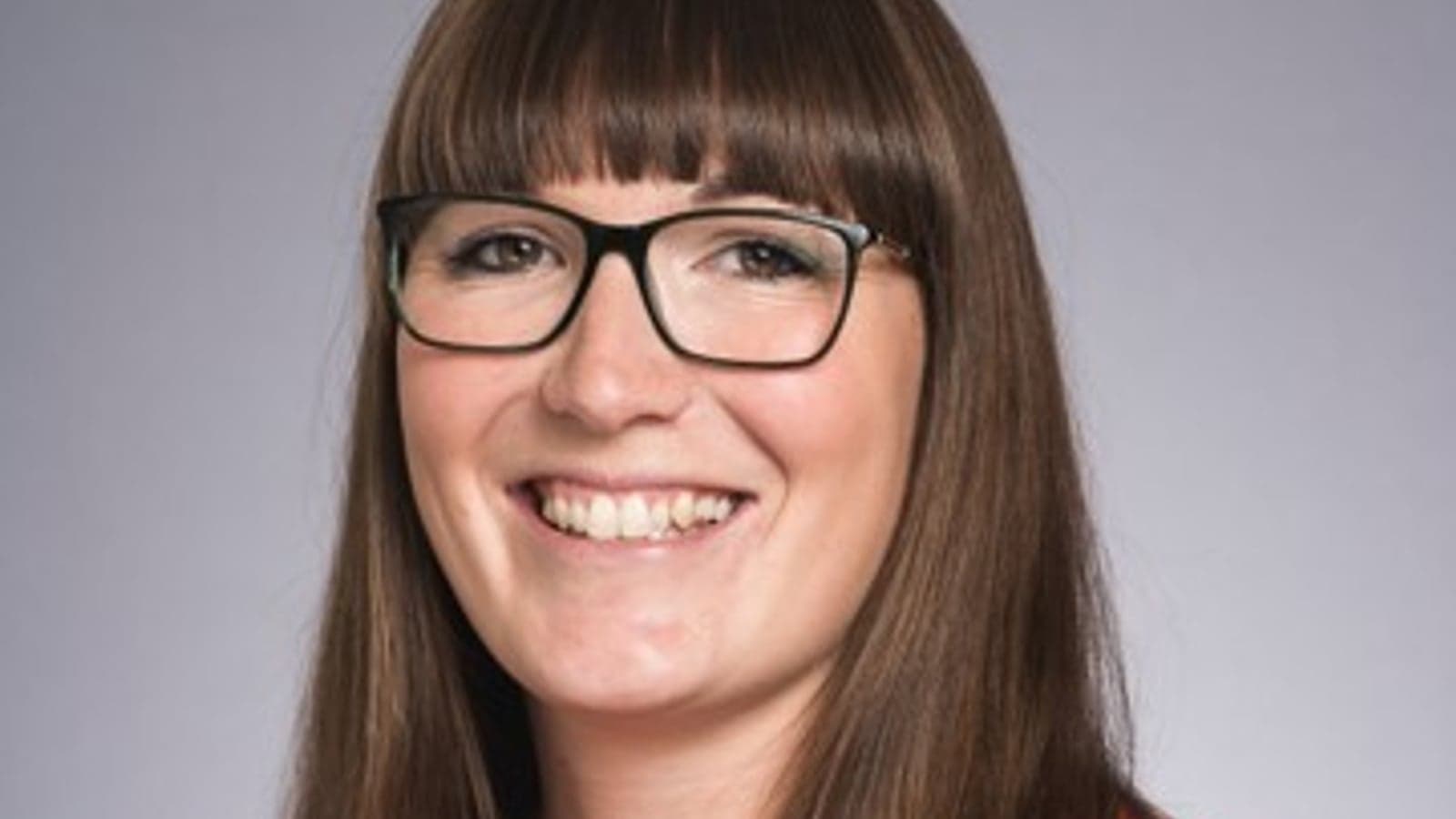
Kelly Becker, Schneider Electric’s president for the UK and Ireland, Belgium and the Netherlands, shares with Kelvin Ross why she believes that the collaboration and innovation in this region are worth keeping an eye on.

Kelly Becker, Schneider Electric’s president for the UK and Ireland, Belgium and the Netherlands, shares with Kelvin Ross why she believes that the collaboration and innovation in this region are worth keeping an eye on.
Why is this an exciting time for the British energy sector?
In the UK, the focus of the energy transition and decarbonisation has typically been on the supply side, which requires significant government support for infrastructure deployment. But today energy efficiency and automation technologies are available, empowering industry to take more action on the demand side. Not only do these technologies help businesses save money, but they help to reduce additional strain on the grid. This is crucial for the energy sector to maximise the potential from renewables, as well as increase the UK’s energy security.
The UK also has some of the best universities and researchers in the world, which positions it at the forefront of AI and digital transformation, both critical to the energy transition. Taking advantage of these new technologies in accelerating the energy transition has the potential to supercharge local economies across the UK and maximise the UK’s competitive advantage globally by recognising local expertise, growing skills, and creating new opportunities.
What similarities do you see between the UK and Ireland, the Netherlands and Belgium?
Both regions benefit from strong, local infrastructure and resources that can meet growing demand for electrical equipment and digital technologies needed to support the energy transition. At Schneider Electric, we are making significant investments in our key UK manufacturing bases, for example Leeds, to help meet rising demand by emerging markets such as electric vehicles while supercharging local economies. In Belgium and the Netherlands, we are similarly well positioned to meet new demands and deliver a first-rate service to customers and prospects in the region.
Our continued growth and investment in both regions are set in the context of a huge opportunity to drive decarbonisation in Europe, while ensuring our facilities serve as a blueprint for sustainable design and operations in manufacturing globally.
What is the untapped potential of these countries as a collective powerhouse?
Reducing operational emissions in buildings is a strong focus of mine as Zone President for the UK and Ireland as well as a Belgium and Netherlands. Buildings are currently responsible for 39% of global energy-related carbon emissions – in the UK, for example, our built environment makes up a quarter of greenhouse gas emissions.
There is huge opportunity to drive forward change in this area, from updating aging building stock to prioritising planning reform and regulations. As a collective powerhouse we can be even more impactful, and can influence other nations to follow suit. Apprehensions about the upheaval and costs associated with upgrading the built environment must be put aside if we are to improve energy efficiency. This can be achieved by implementing intelligent building and industrial solutions. Our view must be that possible short-term upheaval is a small price to pay to create efficiencies and reduce costs. Ultimately, investment will pay for itself, offering the opportunity to save money in the medium-to-long term.
Where are the bottlenecks that need unplugging to accelerate the energy transition?
Better capacity planning, higher storage levels and a surplus of LNG have helped reduce volatility in the energy market. Green energy is also providing even greater stability as we move away from fossil fuels. But right now, we need a smarter mix of energy made up of nuclear, natural gas and renewables. New grid technologies that manage usage and capacity can also help us to phase out natural gas elements and accelerate decarbonisation.
A smarter and more efficient grid that draws power from a variety of sources is crucial for the energy transition and energy security. This will allow energy companies to make better use of solar power and wind farms, investing in battery storage facilities to harness that energy and release it on demand. If properly managed, wind, solar, and other clean energy resources like green hydrogen or hydroelectric power will provide the surplus energy we need to stabilise the market.
Have you read?
Without energy sovereignty there’s no autonomy says Schneider grid boss
Meet the gamechanger bringing renewables to Ukraine
What is it about your job that most energises you?
What truly energises me in my role is the opportunity to provide support and mentorship to others. Throughout my career, engaging in conversations with people inside and outside work has been a cornerstone of my personal development. This exchange of ideas and support not only reinforces my sense of purpose but also helps boost morale and keeps me motivated to overcome any challenge.
Seeing the impact that advocacy and guidance can have on others is incredibly rewarding. It drives me to continue to learn and grow. My advice to others is to always to take on every bit of feedback and strive to keep learning, as it opens many doors to professional and personal growth.
How important is gender diversity in the energy sector?
Diversity is crucial to driving innovation and investment in the energy sector. It’s a fact that the best performing companies in the FTSE 350 have more diverse leadership teams.
The energy sector is experiencing its most significant transformation in more than a century. To navigate this change effectively, we must ensure that everyone has a seat at the table — embracing not just gender diversity, but also diversity of thought, experience, and background. We need to instil every team member with a sense of meaningful purpose if we are to help create impact on the wider world.
As the green economy opens up more career opportunities for women, particularly in technology and engineering roles, we must maximise this transformative potential. Organisations must create business frameworks that nurture and empower female talent; and in this respect, Schneider Electric has a number of bold initiatives – including diverse leadership, family leave, and pay equity – which has been recognised by the World Economic Forum.
As a business we are well above the industry standards for engineering and technology and have an ambitious pledge for 50% of all new hires’ roles, 40% of frontline managers, and 30% of leadership roles to be held by women by 2025.
"Diversity is crucial to driving innovation and investment in the energy sector"
Is the energy transition (in the UK or Europe) being held back by a lack of diversity?
Cultivating a diverse and inclusive workforce to power the energy transition in the UK and Europe should be a given. It is critical to ensure an equitable transition and the development of a thriving green economy.
In the UK, for example, the green economy is set to be one of the most influential growth areas. Our research found that 247,000 jobs can be created by adopting clean energy technologies. This means greater opportunities for women to not only thrive in traditionally male dominated STEM-based roles, but also access more senior positions within organisations.
Globally, a disproportionate number of women within the renewable energy sector are in administrative roles. At Schneider, we hire for aptitude, not experience. The energy transition offers a unique opportunity to address this imbalance and opens more doors for women to access technical and vocational education, training, leadership development and high-quality jobs.
As a woman in a C-suite position, how does having women on a board change the mindset/decision-making of a company?
In the early days of my career, I was often the only woman in the room. Nowadays, there are far more opportunities for women in leadership and senior roles, and with it the opportunity to bring new perspective and experiences to the discussion. Diversity of thought, skills, and background are critical to fostering a culture of inclusivity, creating a sense of shared purpose, action, curiosity and teamwork. These are all factors which help build a successful business, one where everyone has an opportunity to be seen and heard.
Schneider Electric will have several expert speakers at Enlit Europe. Find out more and register below: