Not without risk: the balancing act of insuring renewables
Riaan Mostert
Posted on: 13 December 2023
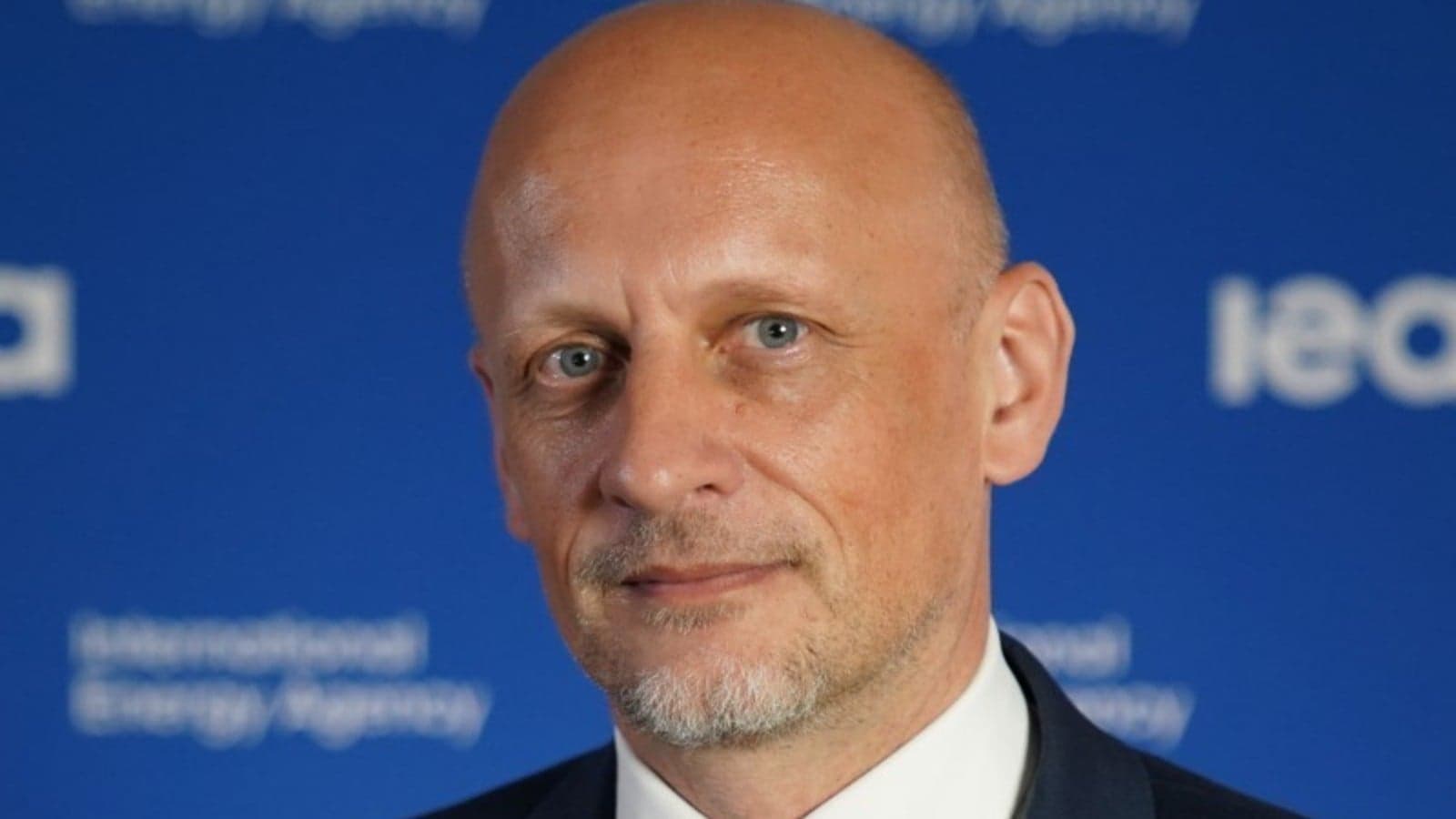
Fraser McLachlan of GCube Insurance, shares 25 years’ worth of insights into providing cover for renewables projects.
Kamogelo Motse spoke with Fraser McLachlan of GCube Insurance, who shared 25 years’ worth of insights into providing cover for renewables projects.
Insurance companies might not be the most obvious player in the energy transition, but little progress can be made without them. Their participation, however, doesn’t come without challenges. The problems the insurance industry is facing have to do with the quality of equipment built by manufacturers, lack of policy that hinders their clients from planning and building projects and the recent geographical climate disruption.
Despite these challenges the insurance companies play a supporting role to the energy industry by enabling their renewable energy projects to be financed. From an insurance perspective, however, renewable energy projects had a “terrible reputation” in the beginning, according to Fraser McLachlan, chief executive of GCube Insurance.
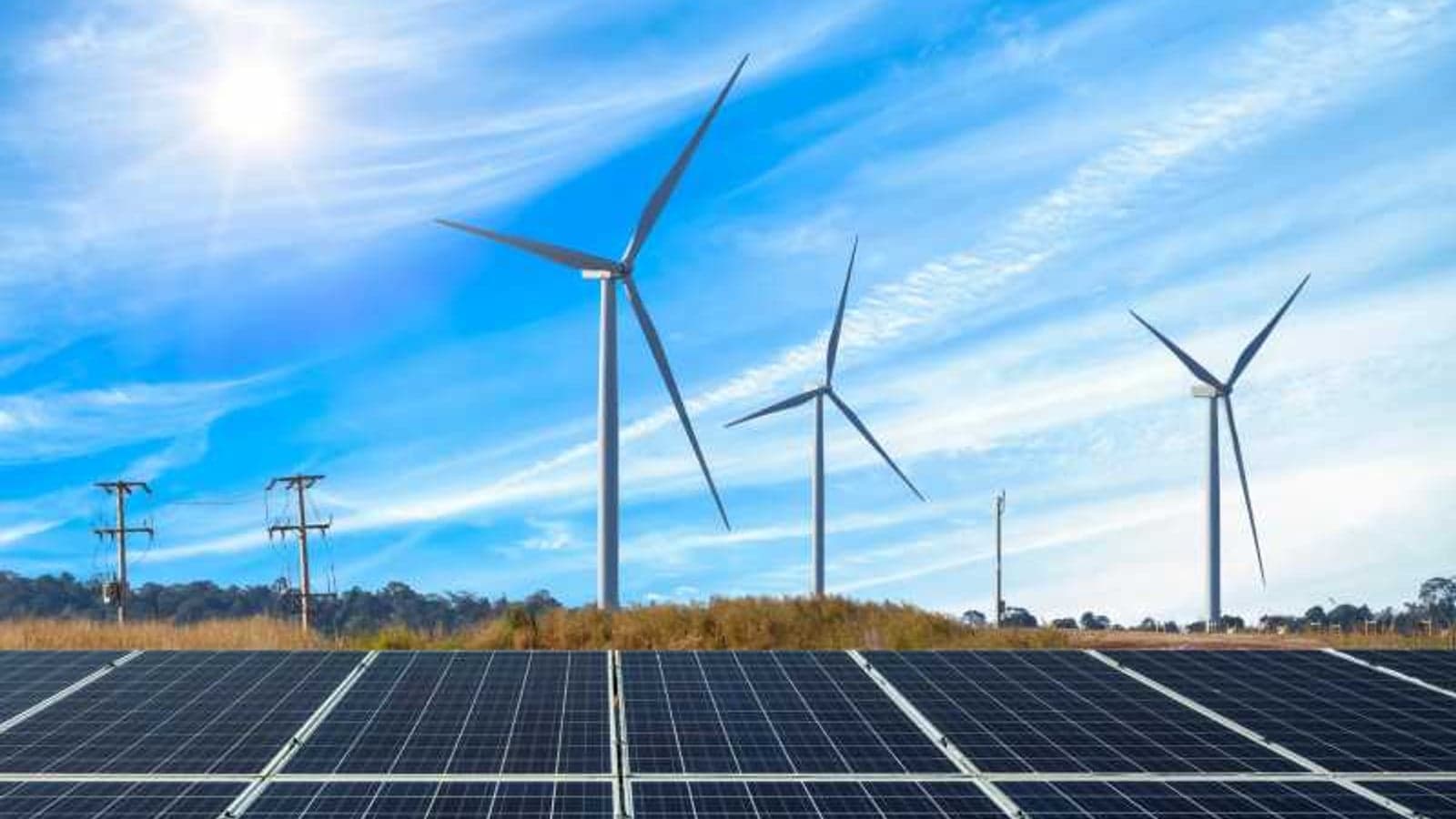
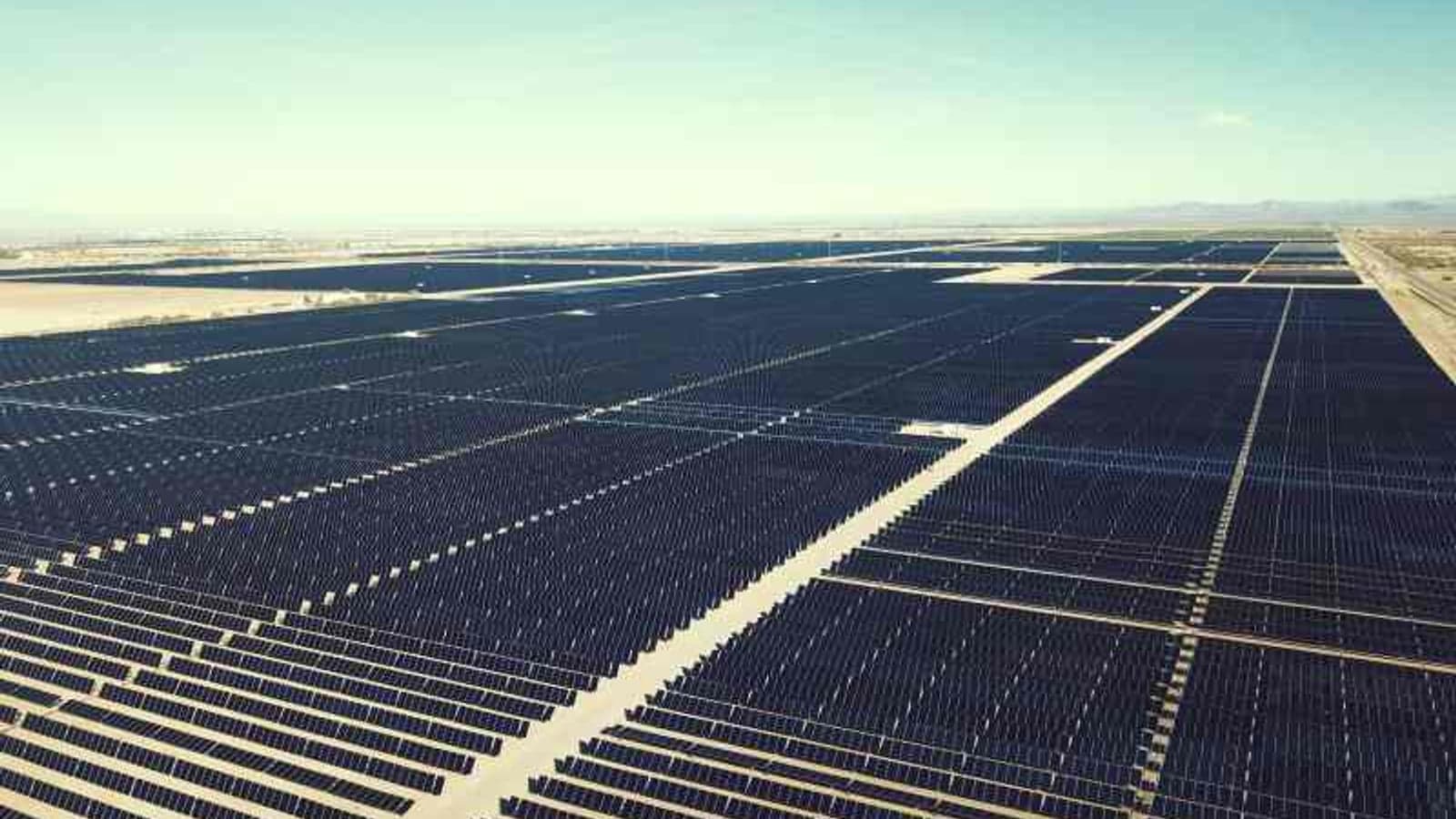
GCube Insurance hail themselves as renewable energy insurance specialists, providing insurance to renewable energy projects across offshore wind, onshore wind, solar and hydropower sectors globally.
Have you read?
Electricity sector is the ‘engine of the energy transition’ says Iberdrola CEO
Greening the grid is vital for energy transition says Schneider’s Lawrence
The company has been around since renewables became commercially viable, having underwritten the first utility-scale wind farms around 25 years ago. The North Hoyle offshore wind farm, the first commercially viable offshore wind project in the UK, was that first project. From an insurer’s perspective, McLachlan admits that they had not worked on anything that was offshore-related and recognises that even though it was a learning experience for them, they wanted to continue to support the industry.
Being an industry veteran, McLachlan references earlier wind projects in the 90s that were fuelled by investment tax credits in the US. “People were building wind projects in the United States and many of them were either not working, or falling over, or did not even get to the point that they were producing electrical energy. Yet people still got the tax credit back. “So, wind energy especially got a bad reputation because the insurance market ended up paying the claims.”

The renewable energy industry in the US has historically had different tax benefits, one being the Investment Tax Credit which offered developers a 30% Credit for the total investment of a project and the other being the Production Tax credit which offered developers a credit based on MWh produced by the project.
Because of this, insurance companies such as GCube found themselves having to find wind turbine manufacturers that designed and built quality equipment to work with and provide insurance for.
“We weeded out the bad manufacturers and we stuck with the high-quality companies and created a little network of high-performing wind energy developers and high performing wind energy manufacturers,” says McLachlan.
Quality control of technology
However, even after weeding out of the bad manufacturers, there were other challenges that occurred. The biggest of them being the quality control of technology. In an increasingly competitive market, manufacturers are hurriedly building bigger equipment and releasing new models. “The problem with wind turbine manufacturers is that they are constantly trying to outdo each other in terms of size,” says McLachlan.
The problem with that is not enough time or resources are spent on making sure the infrastructure is efficient and in properly testing the equipment. This poses a problem for the insurance companies because now the equipment that manufacturers are building and rolling out is much larger than it was in earlier years, causing for them to be insured at higher premiums and leading to insurance companies having to pay back higher claims.
The lack of policy certainty that project developers deal with when having to make long-term investments for renewables projects also affects the insurance sector, although indirectly.
The insurance sector is there to support their customers, but if they are not able to get equipment, are precluded from building in certain parts of the world because incentives are not consistent and planning is too difficult because of policy uncertainty, then the insurance sector is not able to charge them a premium for their projects, explains McLachlan. “Therefore we all suffer.”
Weather conditions
Geographical challenges pertaining to weather also play a role in the way that the insurance industry navigates renewable energy projects. Scientifically, there are parts of the world that are prone to natural disasters and different parts have certain climatic weather conditions. This enables you to evaluate those particular risks when insuring a renewable energy project, explains McLachlan.
However, lately there has been drastic changes in North America where you are seeing tornadoes and ice storms where they would usually not happen. The landscape has changed and now it will be up to the insurance industry to navigate insuring projects in that part of the world. However, even with these challenges, the support that the insurance industry gives to the renewables sector is needed, especially when it comes to going to banks to get financing for the projects.
If these projects were not being insured, banks would not want to get involved because their interests would not be protected in the event that the project fails, McLachlan notes.
Ensuring insurance
Even though the insurance industry is navigating the challenges of the renewables sector, there are parts of the sector that currently presents such challenges and therefore makes it hard for insurance firms to get behind these projects. McLachlan mentioned the waste to-energy and biofuels sectors as examples. However, he notes that the battery technology sector also had issues in the beginning, but their problems have since corrected themselves as the sector went through a learning curve.
Because of the targets that have been set by governments to reach net zero and calls to stop investing and insuring oil and gas projects, a lot of insurers have entered the market lately to insure renewable energy projects. Every insurance firm now has an ESG agenda. McLachlan notes that when he started Gcube there were hardly any competitors — that has changed. “Every insurer wants a wind turbine or a solar project on the front page of their annual report so they can look green.”
There is a lot of capacity in the insurance industry for renewables and the fear is that with all the insurance firms piling in, it will result in over capacity and the competitive market that has been created will become underpriced.
Every insurer wants a wind turbine or a solar project on the front page of their annual report so they can look green.
The issue will come in two to five years when there is no longer this capacity and the market retracts, which will mean that the prices will go up. What the market needs is consistency, and historically the issue has been that firms will enter the market at a go which causes the market to become underpriced and then they will step away causing the market to retract and for prices to go up, notes McLachlan.
Latest content
+3
Ørsted closes $680m in tax equity financing for US solar+storage portfolio
This deal represents one of the largest solar and storage tax equity transactions using a combined production tax credit and investment tax credit structure since the passage of the IRA.
- Power Engineering International
- 24/05/2024