GE Digital launches DERMS solution to keep grids safe
Enlit Editorial Team
Posted on: 22 September 2022
GE Digital has announced the first solution resulting from its acquisition of Opus One Solutions to power the energy transition at DistribuTECH.

GE Digital has announced the first solution resulting from its acquisition of Opus One Solutions to power the energy transition at DistribuTECH.
Opus One DERMS is designed to be an end-to-end modular Distributed Energy Resource Management System (DERMS) that can help utilities on their Distributed Energy Resources (DERs) journey to keep the grid safe, secure, and resilient while enabling energy affordability and customer participation in power generation/contribution.
The software is designed to provide intelligence, operations, economics, and markets in a modular solution that can enable grid operators to connect, see, control, and optimise DERs from technical and economic standpoints, while helping utilities provide clean, reliable, and affordable energy to their customers.
Highlights from DistribuTECH
Past and present US energy chiefs at odds over net-zero targets
Watch: Highlights of POWERGEN International 2022 Day 3
Today, utilities face growing DER backlogs, lack of visibility into DER behavior, the inability to control DERs intelligently, and the need to balance market transactions with grid safety. High distributed power generation intermittency, low grid inertia, and masked loads result in significant operational risks. And utilities also need to be prudent in their grid investments, while meeting growing regulatory compliance as DERs lead to new opportunities such as monetizing surplus energy in wholesale and local markets.
Opus One DERMS is designed to grow with a utility’s needs use case by use case, feeder by feeder, and substation by substation. It helps utilities optimise the increasing number of DERs while enabling NonWires Alternatives (NWA) and facilitating flexibility and transactive markets for Distributed System Operators (DSO).
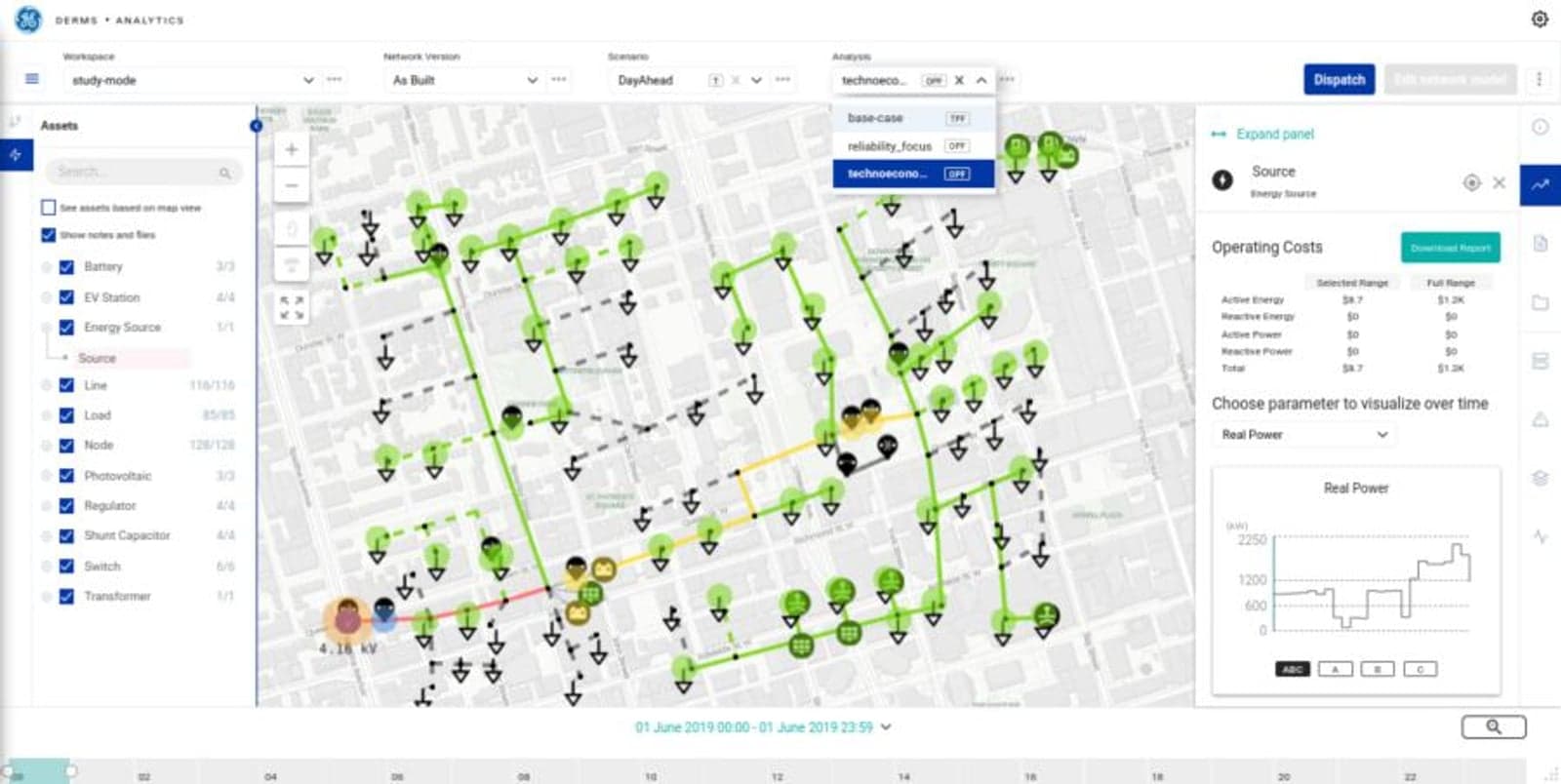
This modular software is designed to be vendor agnostic and provides capabilities that support use cases based on a utility’s DER adoption maturity. Utilities can select the modules they need depending on where they are in their DERs’ journey, or how DER-enabled their Advanced Distributed Management System (ADMS) is. Modules can also be integrated with existing ADMS or be separate based upon use case requirements. The standards-based architecture is designed to allow flexible deployment.
“The accelerated growth and volume of DERs that are connecting to the grid create both challenges and opportunities for utilities,” said Josh Wong, president and CEO of Opus One Solutions from GE Digital.
Also of interest
Webinar Recording: Sustainable Energy Islands in Action
Decarbonising heat: The hot topic we can’t ignore
“With Opus One DERMS, our customers gain a flexible solution for every stage of their modernization and sustainability journey while delivering affordability with customer engagement and market-based business models.”
Opus One DERMS is designed to accommodate the high growth of DERs, ensure grid reliability and resiliency, and help utilities comply with regulations. The solution can go beyond basic dispatch and control to forecast, anticipate, and resolve system violations while optimizing DERs and grid performance across multiple time frames, from minutes to weeks ahead and beyond. Opus One DERMS can also act as an aggregator of aggregators for utilities by supplying a “single pane of glass” consolidating visibility and control across fleets of DERs for streamlined DER and grid management. It enables a very fine granular view when solving a violation on a single distribution feeder or an aggregated view when solving a violation on a primary substation.
Related tags
Latest content
+6
The energy sector must lead Europe's industrial strategy says head of Enel Grids
"The energy sector is not just another industry within Europe’s industrial strategy; it is the enabler that underpins the entire European economy," says Gianni Vittorio Armani, Head of Enel Grids and Innovability.
- Enlit Editorial Team
- 15/10/2024