Software is enabling utilities to push the envelope of grid capability': Siemens CEO
Enlit Editorial Team
Posted on: 4 November 2022
Enlit Europe spotlights four questions that Sabine Erlinghagen, CEO Grid Software, Siemens Smart Infrastructure.
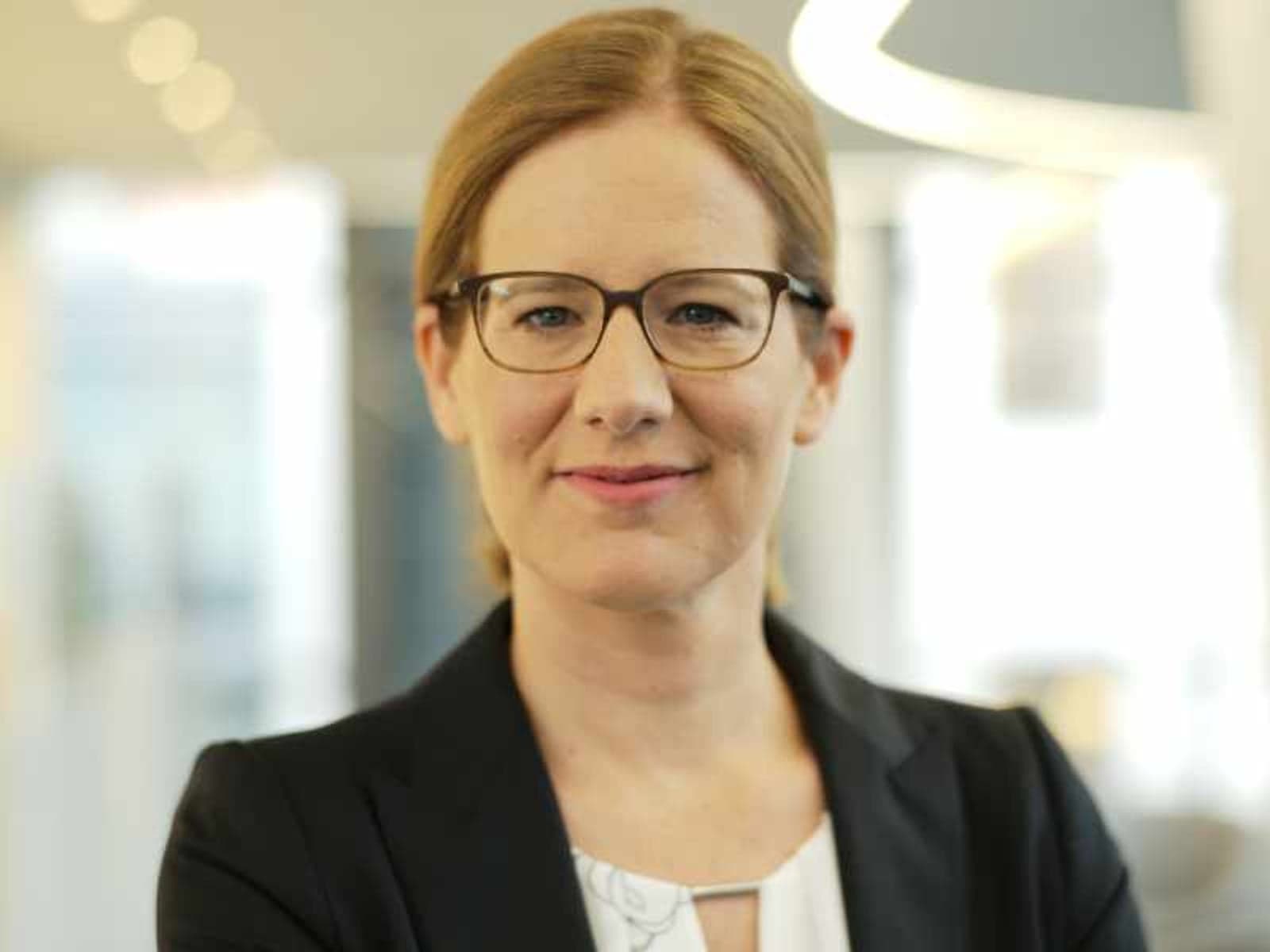
In an Enlit exclusive, Sabine Erlinghagen, CEO Grid Software, Siemens Smart Infrastructure, highlights the powerful macro barriers that are accelerating the energy transition, and stresses the critical role that software plays in delivering a robust grid.
What are the top three challenges in delivering the energy transition?
For many years, we have been talking about the need to accelerate the energy transition, and the need to change how we run grids. So far, the development has been rather slow and tedious.
This is changing now as the pressure increases and things are materialising faster than expected.
The consequences of climate change are becoming brutally obvious and are putting great stress on the grid. The war in Ukraine is causing an energy crisis, and suddenly blackouts are becoming a real threat in Europe. And the pressure on grids to accept renewables quickly is rising in tandem.
In your own words, what single action will accelerate the deployment of renewable generation?
Apart from the obvious permits for wind and solar projects, power grids play a key role: we need more hosting capacity for distributed renewable energy resources. Conventional investments in additional power lines or transformers are necessary but can only enable linear growth. But we need more, and we need it fast. This is where software comes into play.
Software enables utilities to manage grids closer to their full capacity. From customer conversations, we know that utilities are seriously considering doing things unthinkable before. For the first time, they are running the grid closer to its limits, meaning they push closer to the limits of a transformer or closer to the limits of a substation. Therefore, one could argue that we are seeing a paradigm shift in the energy industry.
One could argue that we are seeing a paradigm shift in the energy industry.
What excites you most about the European energy transition?
The pace and clarity of the decisions from the European Parliament are developing positively.
A very positive signal is that the European Parliament and EU member countries have reached a deal to ban the sale of new gasoline and diesel cars and vans by 2035. Of course, the need for electricity will increase tremendously, and this will pose challenges for the power grids.
We can support utilities with e-mobility consulting to ensure the efficient rollout and grid integration of e-charging infrastructure, providing a holistic strategy concept with an economically efficient, flexible, and transparent implementation roadmap as well as a detailed assessment of the impact of electric vehicles on power grids (eMobility Stress Test) and the necessary investments.
Because we need more transparency, especially at the low voltage grid level where most of the EV chargers are installed, countries such as Germany should seriously address the smart meter rollout.
The data collected by smart meters can be linked with other software applications, such as simulation software, to support smarter decisions about where to invest in hardware, in addition, to supporting keeping the grids stable.
Data collected by smart meters can be linked with other software applications, such as simulation software, to support smarter decisions about where to invest in hardware.
How are industry experts from Siemens going to address these challenges at Enlit Europe in Frankfurt?
At this year´s Enlit, we will show and discuss with our customers how to adapt and lead the change for resilient and sustainable power grids, from planning to operations to maintenance. The key to managing the complexity is the convergence of IT and OT.
The Grid Software Suite is part of Siemens Xcelerator for grids. Software enables the seamless integration of different IT and OT systems/processes, data sources, grid assets, and DERs. Our interoperable and scalable portfolio of grid planning, operations, and maintenance software ensures the highest operational performance and sustainable business success.
Have you read:
Siemens exits Russia as a result of Ukraine war
Net-zero compliance is vital to woo investors to Africa says Siemens boss
Siemens partners with storage solutions developer on next gen supercapacitors
Siemens will take part in many exciting hub sessions at Enlit Europe in Frankfurt, 29 November - 1 December 2022, covering topics such as:
- Digitalisation
- Grid flexibility, and
- How to best use data
You can join Siemens' experts at booth 12.1.C10, where they will be happy to discuss your challenges and opportunities in detail and, most importantly, in person. See you there.