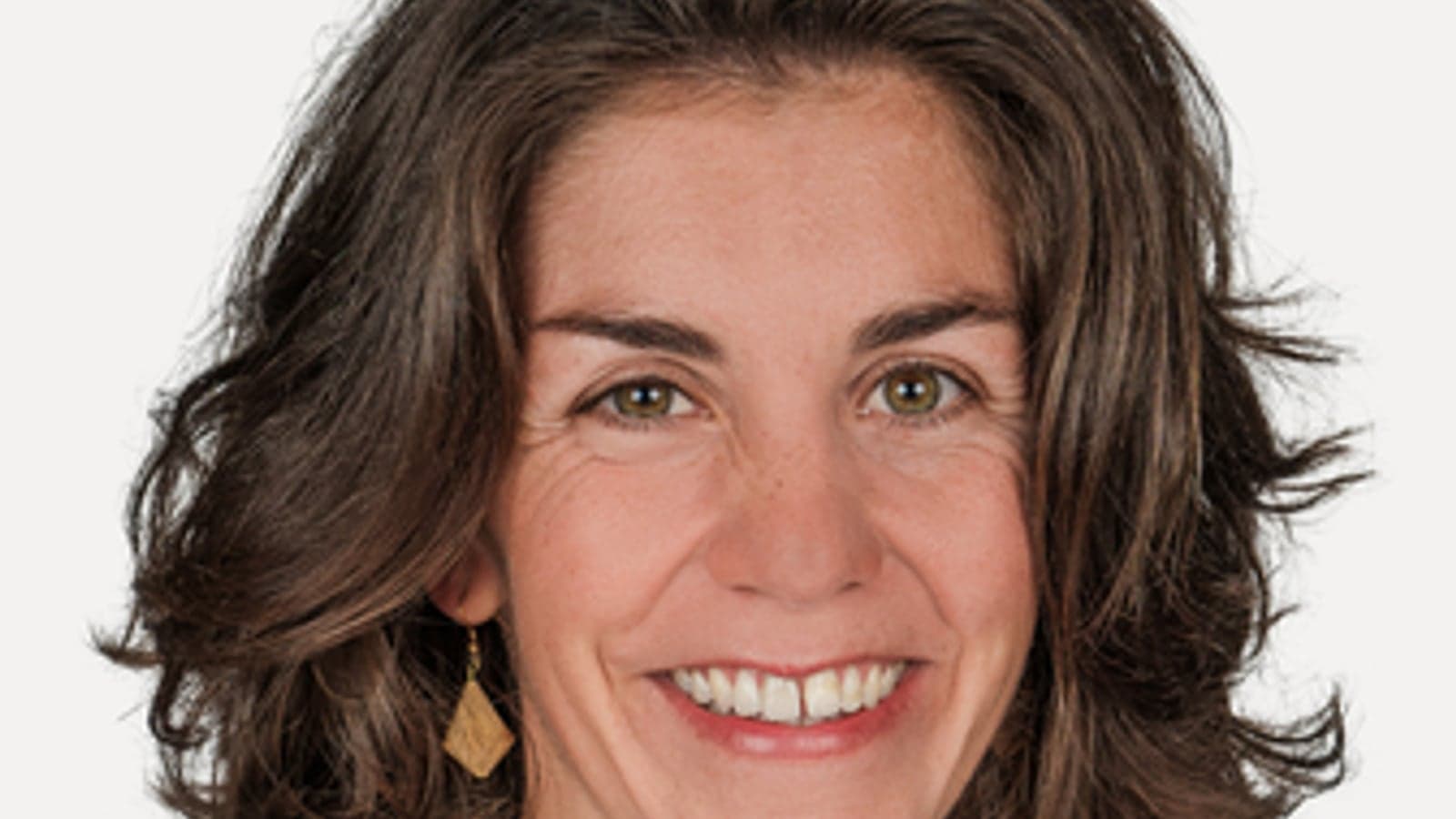
Enedis chief Marianne Laigneau shares game plan for the French grid
Julia Kramer
Posted on: 7 November 2023
Enedis CEO Marianne Laigneau talks about managing the largest grid in Europe while preparing the network for the 2024 Olympic Games in Paris.
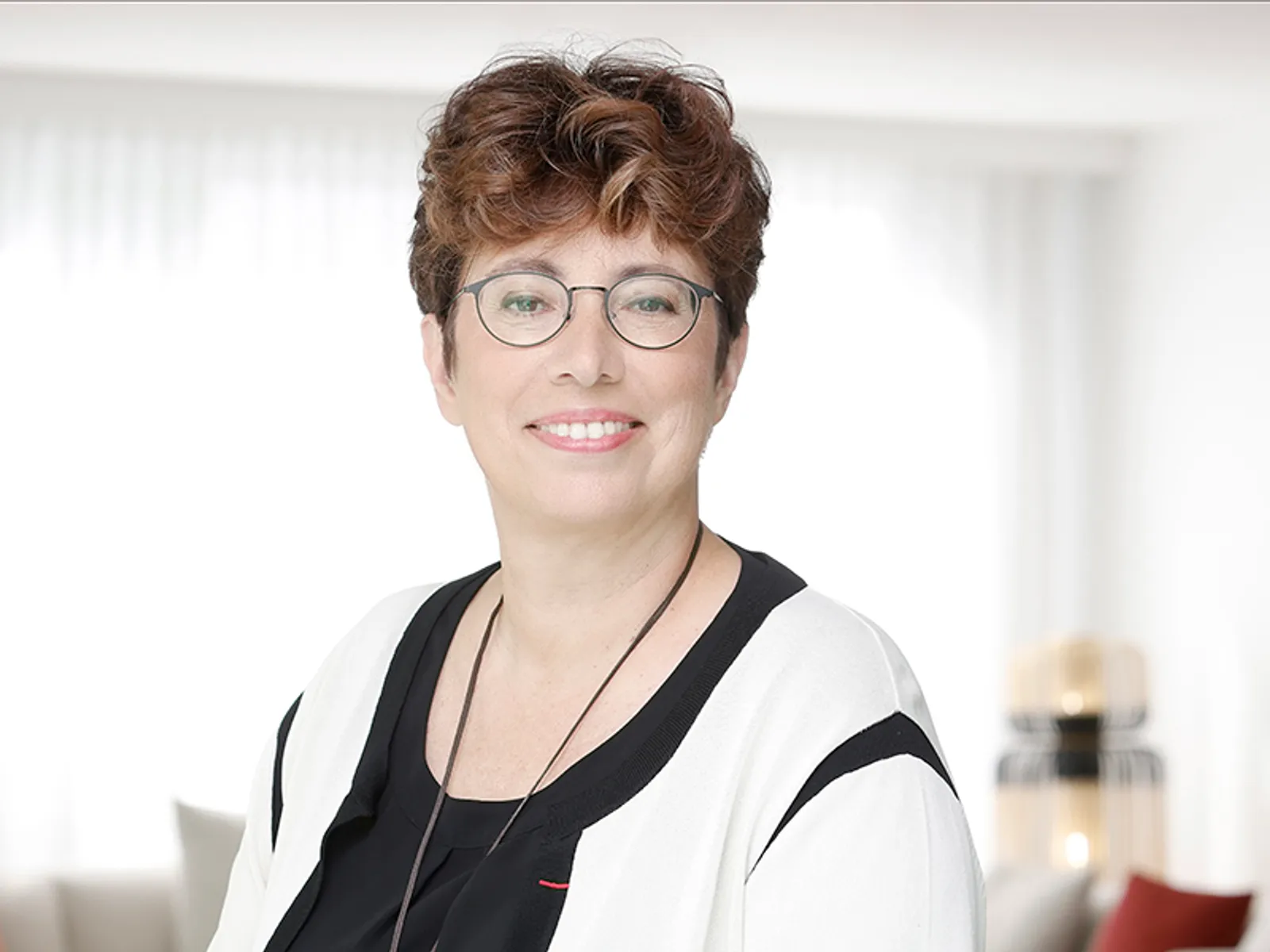
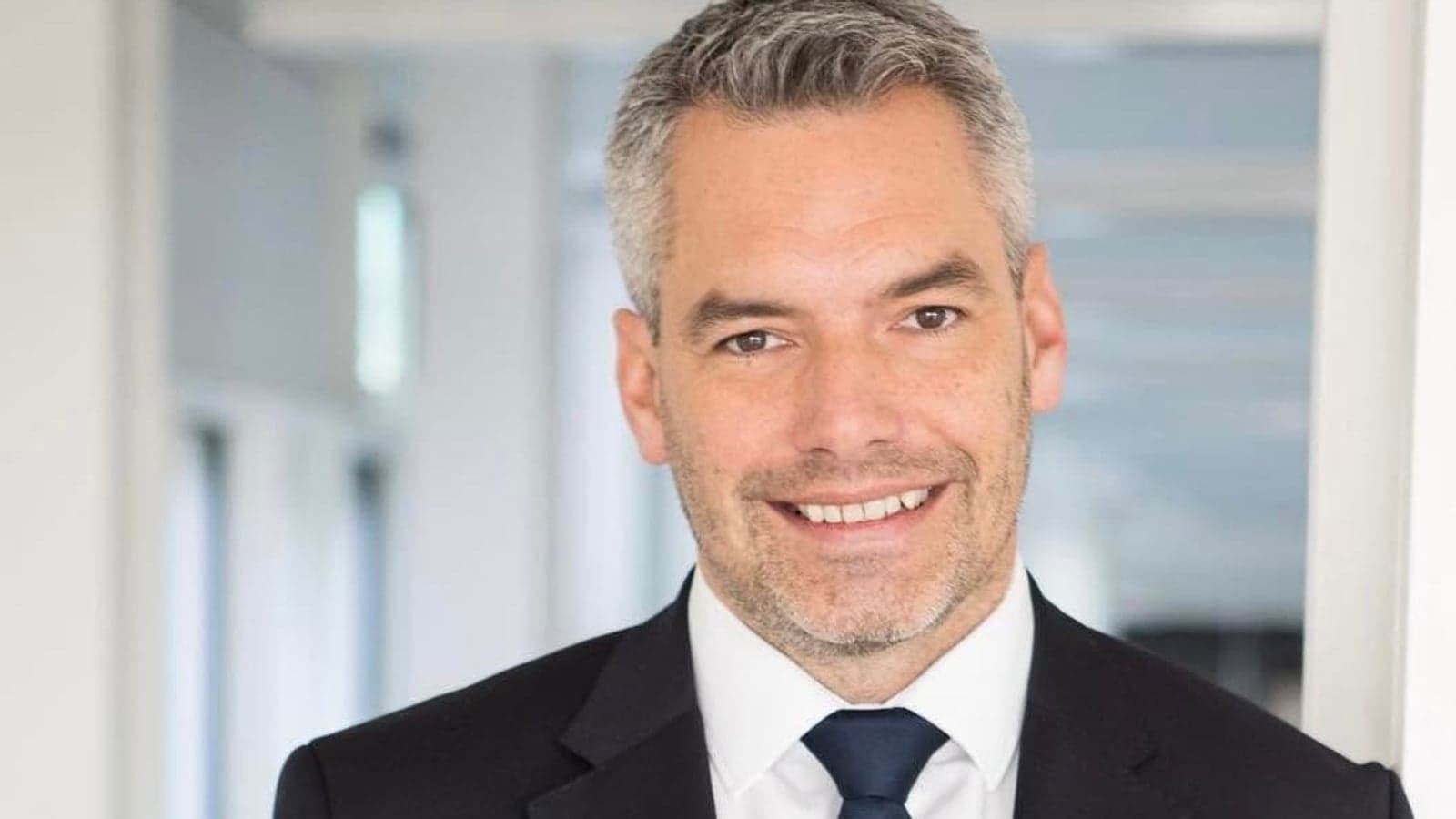
Enedis' chief executive officer Marianne Laigneau tells Julia Kramer how France’s premier electricity distribution system operator and wholly-owned subsidiary of EDF Group is managing the largest grid in Europe while preparing the network for the 2024 Olympic Games in Paris.
When it comes to utility innovation, Enedis is known to be at the forefront. And that comes
with a certain responsibility. However, when Marianne Laigneau became the CEO in February 2020, she knew what she signed up for, because it was not her first rodeo at the company.
Laigneau joined EDF Group in 2005 as a General Counsel, and has been part of the EDF Group Executive Committee since 2007. In that capacity, she held several senior management positions, such as Corporate Secretary, Senior Executive Vice President in charge of Human Resources and being in charge of the International Division from July 2017 to January 2020. She was a member of the Supervisory Board since 2010 and its Chair from 2018-2020.
As the CEO, Laigneau is tasked with further transforming the public distribution service into a key player in the French energy transition. This is how she does it.
Since the founding of Enedis in 2008, the relationship between the DSO and its customers has changed significantly, giving customers more control. How has this changing dynamic influenced the role of the DSO?
The public distribution grid that Enedis manages has an essential role to play in transforming the country into a more sustainable, more responsible and more unified New Electric France. That is our mission, and it is what our 39,000 employees are committed to: Working to create an innovative, high performance and unified public distribution service.
Have you seen?
How Enedis is accelerating regional development in Hauts-de-France
For Enedis collective self-consumption is key to energy sharing
We are working closely alongside customers in France to provide them with high-quality electricity, delivered to them via a robust, digital grid featuring 36.5 million Linky smart meters, which are extremely helpful in managing consumption.
How do you expect the role of a DSO such as Enedis to evolve in coming decades?
We are a public service company fully committed to helping France meet its decarbonisation targets – for example, by doubling the production capacity of renewable-origin electricity in 10 years. By 2028, we should be producing between 102GW and 113GW, up from 50GW at the end of 2018.
Embracing the challenge of achieving net zero by 2050 includes focussing on transport in particular, because the transport sector accounts for one-third of all CO2 emissions in France. By connecting all electric vehicle charging infrastructure to the grid it operates throughout France, Enedis is helping to reduce CO2 emissions.
That involves an ambitious investment programme: our investments will increase from €4.4 billion in 2022 to more than €5 billion annually, for a total of €96 billion for the 2022-2040 period.
"The physical grid is the largest in Europe and is made up of some 1.4 million kilometre of electricity lines in France."
How are you helping consumers to help you manage the grid?
At Enedis, we manage a dual grid – a physical and digital grid. The physical one is the largest in Europe and is made up of some 1.4 million kilometre of electricity lines in France. The digital infrastructure is built around Linky smart meters and is the largest collection of connected objects in France.
The roll-out of our Linky smart meters has been a major industrial success – it was done on time and on budget – and they provide consumers with new services. They simplify certain steps and enable customers to manage their electricity consumption. Enedis uses its Linky meters to provide people with the tools they need to ensure their own energy efficiency – particularly during peak consumption periods in winter.
Also of interest
Project RIR – a rural microgrid demonstrator in Hauts-de-France
Site visit: France’s first EV battery gigafactory
How are you ensuring that Enedis has the right skill sets to deliver on your goals and contribute to a net-zero future?
All electricity companies are currently facing the same challenge of increasing labour shortages. From engineers to field service, the whole electricity value chain is lacking the people with the relevant skills.
In France, 30% of jobs in the electricity industry are understaffed. Each year, 8,000 positions go unfilled due to a lack of candidates.
The energy transition also offers many opportunities. An increasing number of jobs will be needed in the fields of cybersecurity, data and environmental engineering, not to mention network technicians to deliver the transition on the ground.
Spearheading the electricity industry attractiveness campaign targeting French high school students, Enedis has committed to training new people looking to join the industry, as well as to retrain, reskill and upskill the existing grid workforce.
Enedis has just launched an unprecedented action programme called ‘Grid Schools for the Energy Transition’, alongside its partners from the French electricity sector.
The aim of this programme is to anticipate and support the industry’s massive recruitment needs, against a backdrop of strong growth in power grid activities driven by decarbonisation and electrification of uses.
"The legacy of the 2024 Paris Olympics will be the expansion, reinforcement and improved security of the public distribution grid throughout the country."
As the main partner of the Paris 2024 Olympic and Paralympic Games, Enedis has committed help halve CO2 emissions. How are you planning to do so?
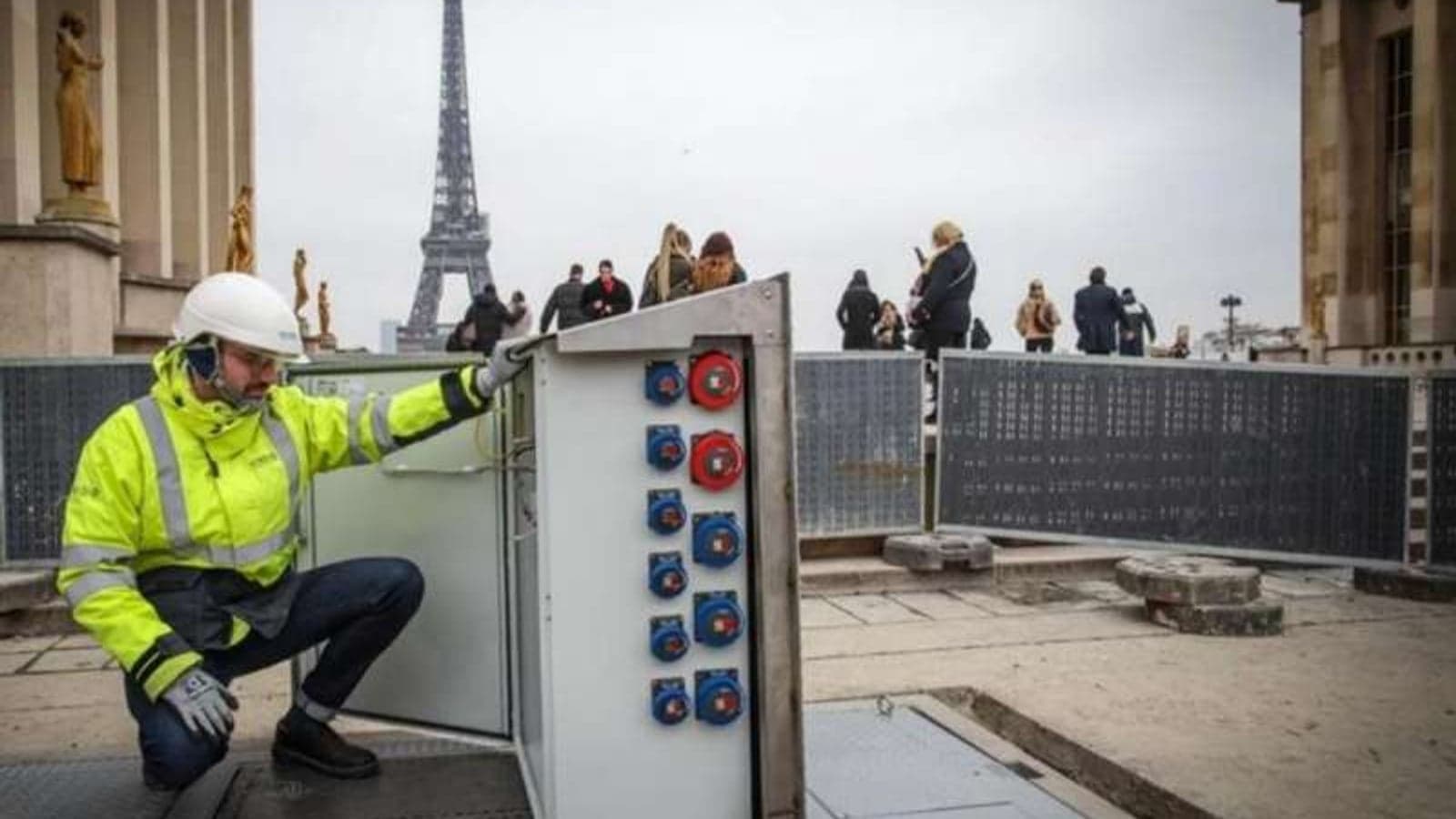
Major events have traditionally been powered by electric generators. Connecting them to the grid makes it possible to reduce events’ energy-based CO2 emissions by 90%.
An event connected to the electrical grid will have a reduced carbon footprint, consuming some 4000 litres less diesel and avoiding 12 tonnes of CO2 equivalent. The aim is to connect all the sites for the 2024 Paris Olympic and Paralympic Games to the public distribution grid, thus ensuring a more responsible competition.
We are developing new connection solutions to increase the reliability of the grid electricity supply. These include double collections, event electricity terminals, high-power electricity connections, grid reinforcement and temporary connections.
What will be the legacy of the Paris 2024 Olympics from an energy point of view?
The legacy of the 2024 Paris Olympics will be the expansion, reinforcement and improved security of the public distribution grid throughout the country. Several stadiums have already been transformed for sporting events taking place in 2023.
The change of perception and habits regarding the use of diesel generators are also an important legacy. We bet on the sustainability of this new mindset that promotes electric, decarbonised solutions for sporting and cultural events in France and beyond.
How important is it to you to foster gender diversity and ensure there are women around boardroom tables?
I am certain that to embrace the climate challenges facing us and to rethink the way we produce and use energy, Enedis needs people of all genders, with a diverse range of backgrounds and expertise in different areas to optimise performance. Initiatives are underway within the training sector to familiarise people with our jobs.
The share of women in our company increased from 15% in 2008 to 25.23% as of the end of 2022. Currently, women account for 40% of Enedis’ Management Board, and 31% of our management committees.