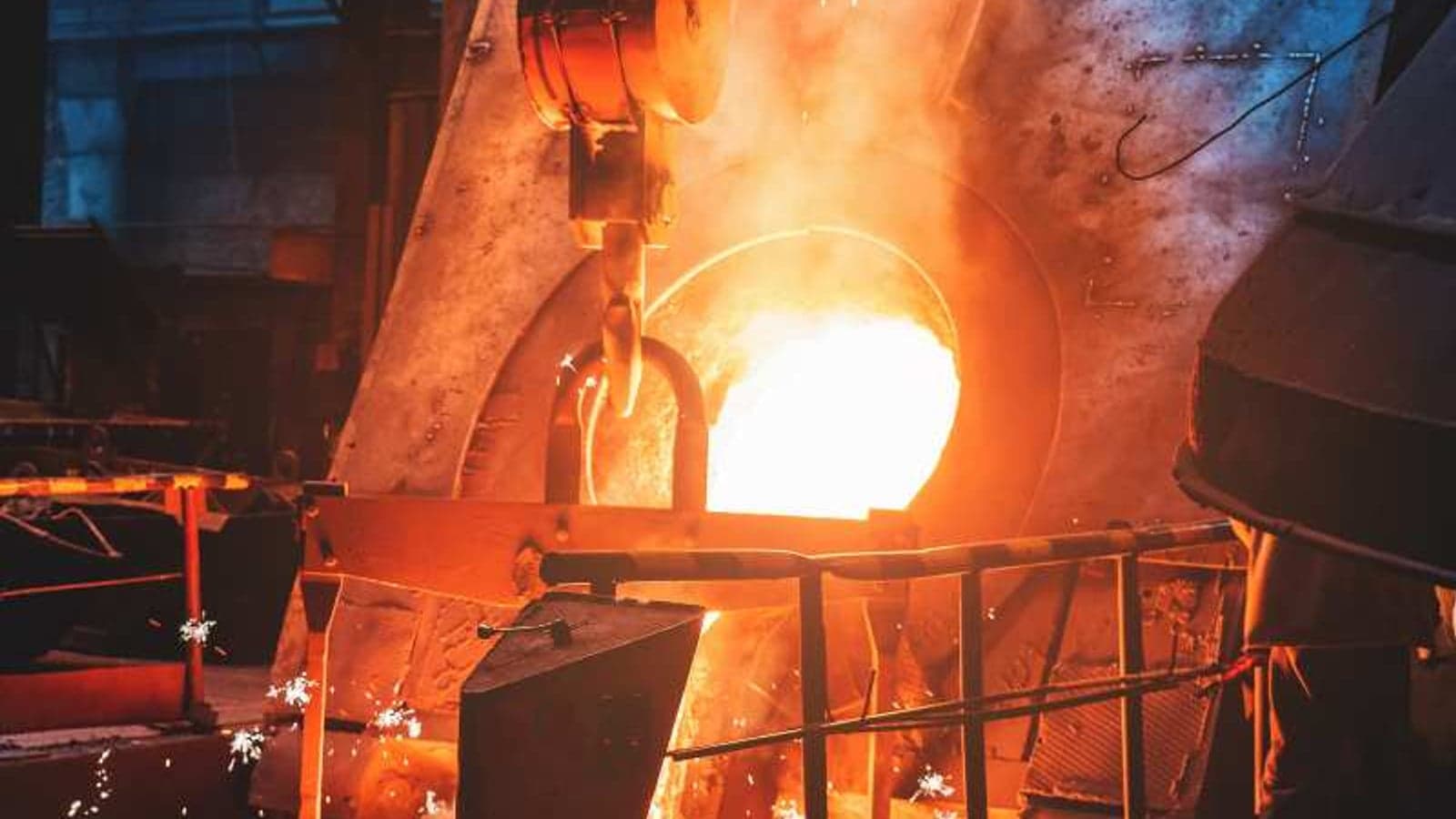
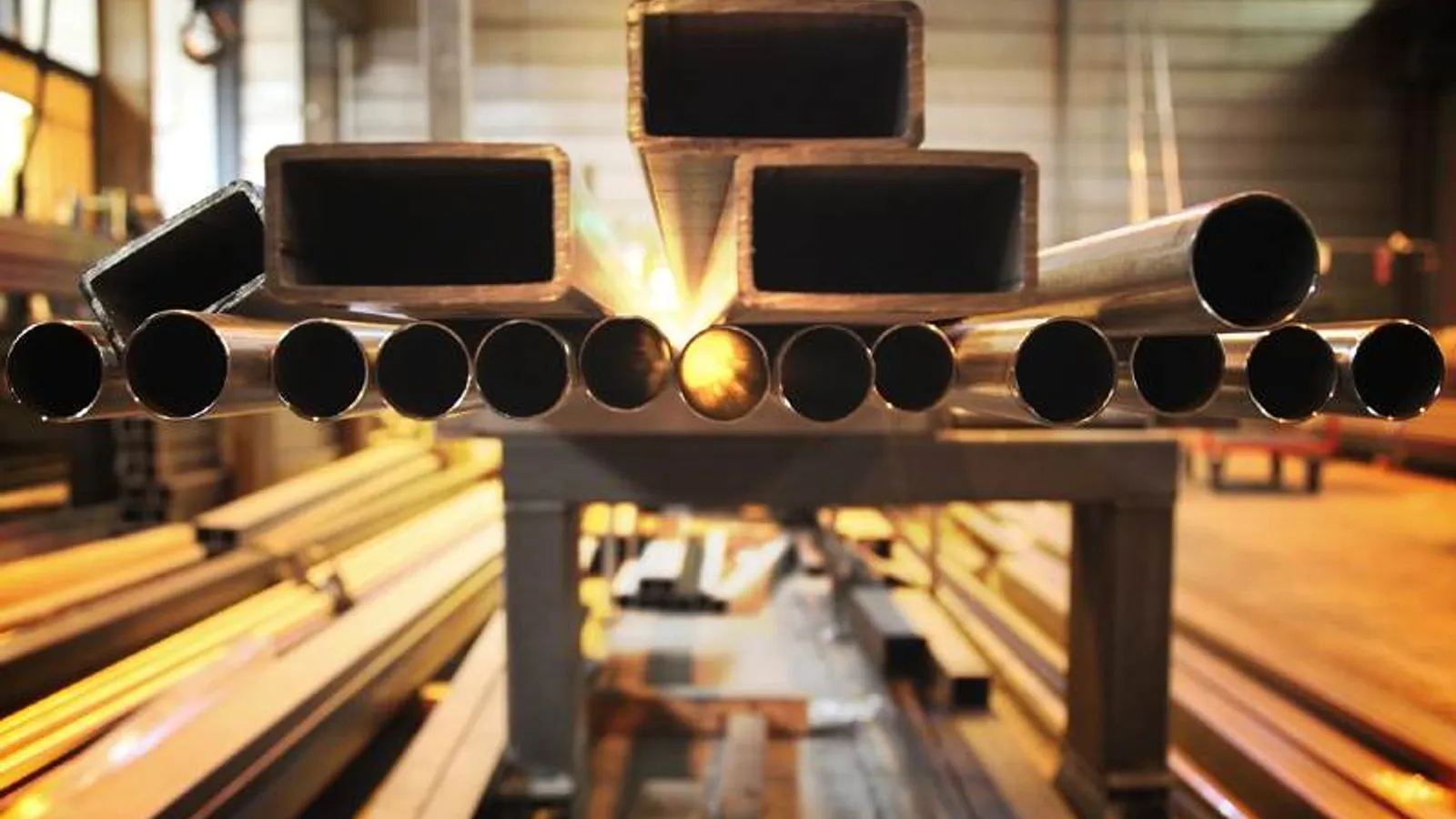
Electrification sparks revolution in cement and steel industries
Guest/partner contributor
Posted on: 29 August 2025
Electrification is unlocking deep decarbonisation without compromising performance says Joonas Rauramo of Coolbrook.
The steel and cement sectors are on the brink of a revolutionary shift, with electrification technologies now offering clean, high-temperature alternatives to fossil fuels, unlocking deep decarbonisation without compromising performance, writes Joonas Rauramo, chief executive of Coolbrook.
Heavy industries like steel and cement have built the world as we know it: towering skyscrapers, resilient bridges, and vital infrastructure. But beneath their enduring strength lies an uncomfortable truth: these industries are among the largest emitters of CO₂ on the planet.
Steel production is responsible for 7% of all human-made emissions, while cement production accounts for over 8%—both of which, when combined, emit more than eight times that of the aviation industry.
The scale of their impact is staggering, but so is the opportunity to transform these essential sectors.
The solution isn’t incremental - it’s revolutionary. The age of electrification has arrived, bringing with it a chance to reimagine heavy industry.
With the advent of electrification technologies, the cement and steel sectors can now achieve what once seemed impossible: decarbonise at scale without sacrificing efficiency, profitability, or global demand.
The time for ambitious action is here.
Rethinking steel with electrification
Steel is the backbone of modern industry, from infrastructure to manufacturing, but its carbon footprint has long been its Achilles’ heel.
Producing steel generates over 3.7 billion tonnes of CO₂ annually, primarily due to the reliance on coal in blast furnaces. As demand continues to grow, particularly in developing economies, the challenge is clear: meet this need without further endangering the climate.
Also of interest:
Heat for hops: How Heineken is using solar thermal to decarbonise Valencia brewery
Energy Transitions podcast: Bringing industrial flexibility to market
Decarbonising steel requires a paradigm shift, and electrification is at its core. By replacing fossil fuels with renewable-powered heating, electrification eliminates CO₂ emissions while offering the precision and scalability that steelmakers need.
Various technologies are now leading this charge, reducing emissions without sacrificing performance.
Solutions for electrified steel production include:
- Electric arc furnaces (EAFs). These work by melting scrap steel or direct reduced iron (DRI) using high-powered electric currents, offering a lower-emission alternative to traditional blast furnaces, particularly when powered by renewable energy sources;
- Hydrogen-based direct reduction. This process replaces traditional coal-based reduction with hydrogen, which reacts with iron ore to produce DRI and water vapor instead of CO₂. Using green hydrogen as a reductant instead of carbon-based fuels significantly reduces emissions;
- High-temperature electrified heating. Technologies capable of delivering temperatures above 1,600°C, such as Coolbrook’s RotoDynamic Heater, are essential for reducing reliance on coal and fossil fuels in steelmaking processes.
Innovations in turbomachinery and plasma and resistance heating are improving the feasibility of these systems, making them viable alternatives to traditional fossil-fuel-based methods. Renewable electricity is widely available and one of the cheapest ways to produce power, making electrification technologies a game-changer in heavy industry decarbonisation.
High-temperature electrified heating systems, in particular, can introduce transformative efficiencies at every stage of steel production, ranging from:
- Blast furnace optimisation: Preheats injection gases and combustion air, significantly reducing coke consumption and emissions. This alone offers a substantial opportunity to cut costs while meeting stricter carbon regulations.
- Electric arc furnace efficiency: Preheats scrap metal, reducing energy consumption and enhancing recycling. With steel recycling expected to grow in importance, this innovation improves both sustainability and operational flexibility.
- DRI plant integration: Provides consistent, high-temperature heating for hydrogen or natural gas reduction processes, ensuring stable output in a process critical for greener steel production.
- Heat treatment and rolling: Electrifies annealing, tempering, and surface coating processes, ensuring precise, clean heat delivery. These improvements not only reduce emissions but also enhance product quality.
By addressing both legacy systems and modern innovations, these innovations offer a roadmap for steel manufacturers to cut emissions without compromising output.
Visit European Industrial Energy Days, the conference that targets hard-to-abate sectors, providing guidance on how to manage energy strategies and stay competitive.
4-5 March 2026, Rotterdam, The Netherlands
Cement at innovation crossroads
Cement, the foundation of global construction, is at a turning point. Its production emits over 2.3 billion tonnes of CO₂ annually due to calcination and kiln heating, both heavily reliant on fossil fuels. For decades, these emissions were seen as an unavoidable byproduct of cement production.
Today, that narrative is changing. New approaches for electrified cement production range from:
- Plasma heating: Plasma torches can generate extremely high temperatures using electricity, offering a direct replacement for traditional fossil-fuel-based burners in cement kilns;
- Microwave-assisted processing: Microwaves can selectively heat raw materials, improving energy efficiency in calcination and clinker formation. This targeted approach reduces overall energy consumption and enhances process control;
- High-temperature electrified kilns: Electrified kilns can provide the necessary heat for clinker production without relying on fossil fuels. These systems can integrate with renewable energy sources to further reduce emissions.
Notably, high-temperature electrified heating offers a groundbreaking approach to cement decarbonisation in cement kilns. Unlike hydrogen combustion, another common alternative, which struggles with efficiency and suitability in cement kilns, electrified systems can provide clean, direct heat at the temperatures required for calcination and clinker production.
Technologies with compact, modular designs enable retrofitting into existing facilities, minimising disruption and maximising impact.
These systems can transform cement manufacturing processes by:
- Electrifying calcination and clinker production: Replacing fossil fuel burners in kilns to drastically reduce emissions. These changes can eliminate millions of tonnes of CO₂ annually in large-scale operations.
- Preheating raw materials: Optimising the drying and heating of limestone and clay, reducing energy demand and increasing throughput in the kiln.
- Producing alternative materials: Supporting the shift to calcined clay and blended cements with lower clinker content. These innovations allow manufacturers to meet sustainability goals while maintaining product quality.
- Waste heat recovery: Capturing and reusing exhaust heat, boosting energy efficiency. This reduces reliance on external power sources and lowers operational costs.
These innovations not only reduce emissions but also lower operating costs, providing cement producers with a competitive edge in an increasingly carbon-conscious market.
Read more:
Mission Possible: Tracking Europe’s industrial decarbonisation
ArcelorMittal delays decarbonisation plans citing EU policy gap
The electrification imperative
The cement and steel industries face an inflection point. The window to decarbonise at scale is narrow, and the stakes couldn’t be higher. Electrification, powered by renewable energy, offers a clear and achievable path forward.
But success requires more than technology—it demands bold action. Companies that invest in electrification now will not only future-proof their operations but also seize the economic opportunities of a carbon-conscious world.
Beyond environmental benefits, electrification also offers resilience against volatile fossil fuel markets and attracts sustainability-focused investors.
These innovations aren't just a tool for change; they’re a symbol of what’s possible when innovation meets urgency.
With electrification, the cement and steel industries can not only reduce their environmental footprint but also redefine their legacy as leaders in the clean industrial revolution. The time to act is now, and the future of heavy industry depends on it.