Mission possible: the strategy driving Uniper's decarbonisation journey
Pamela Largue
Posted on: 2 April 2024
Uniper has embarked on an ambitious decarbonisation journey at a time when security of supply is critical and renewable energy is causing massive disruptions to the grid.
Uniper, Europe's largest gas importer, has embarked on an ambitious decarbonisation journey at a time when security of supply is critical and renewable energy is causing massive disruptions to the grid.
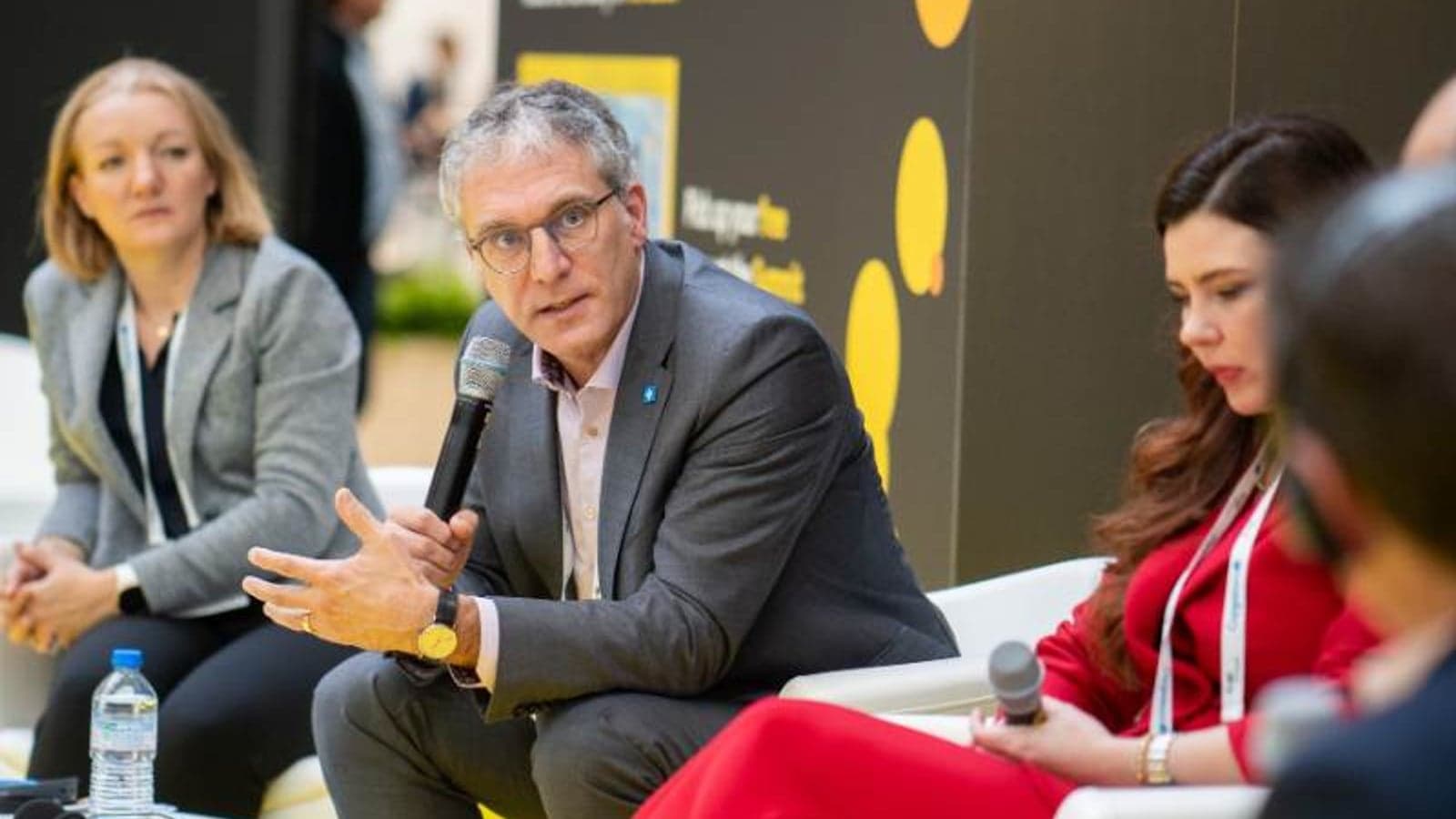
In an exclusive interview, Holger Kreetz, Chief Operating Officer of Uniper, delves into this transformation, where the company is tracking and what more needs to be done.
Uniper faces a dual mission: maintaining security of supply for customers while aggressively decarbonising its portfolio. "From 20% green [today] to 80% by 2030," declares Kreetz, outlining a seven-year sprint towards clean energy goals. His ambition extends further, with net-zero targets set for 2035 in Europe and 2040 globally.
Several projects fuel this ambition. Hydrogen, particularly, is a focus. Over 20 projects are underway, including a 30MW electrolyser project in Eastern Germany and a ground-breaking offtake agreement with TotalEnergies. Batteries, flexible generation, and wind and solar farms also occupy strategic positions in Uniper's green arsenal.
Have you read?
Germany is facing big flexibility challenge says Uniper’s Holger Kreetz
The North Sea – a clean energy hotspot for Europe
‘I am awed by energy transition innovation’ says GE Vernova’s Blanco
Flexibility and decarbonisation
Kreetz acknowledges the complexity of his strategy: "It's a mission, but possible." Uniper's existing portfolio, with its inherent flexibility, proves a key asset. Building on this base, Kreetz outlines plans for wind, solar, hydrogen, and battery investments, alongside transforming the gas fleet and developing new flexible power generation assets.
Despite the opportunities, hurdles remain. "The regulatory framework needs development," emphasises Kreetz. He seeks a "master plan" to ensure harmonised European regulations, fostering the hydrogen economy and facilitating infrastructure construction for storage and import.
Additionally, sufficient flexible generation in the power markets is needed. Kreetz also emphasises that workforce upskilling finds critical importance in this transformational journey.
Kreetz sees this moment as transformative, not just for Uniper, but for society as a whole. "We have the opportunity to shape the future," he declares, "creating something environmentally friendly while maintaining prosperity."
This conviction, coupled with a strategic approach and commitment to innovation, paints a promising picture for Uniper's decarbonisation journey.