How Uniper is delivering its own energy transition
Guest/partner contributor
Posted on: 3 February 2025
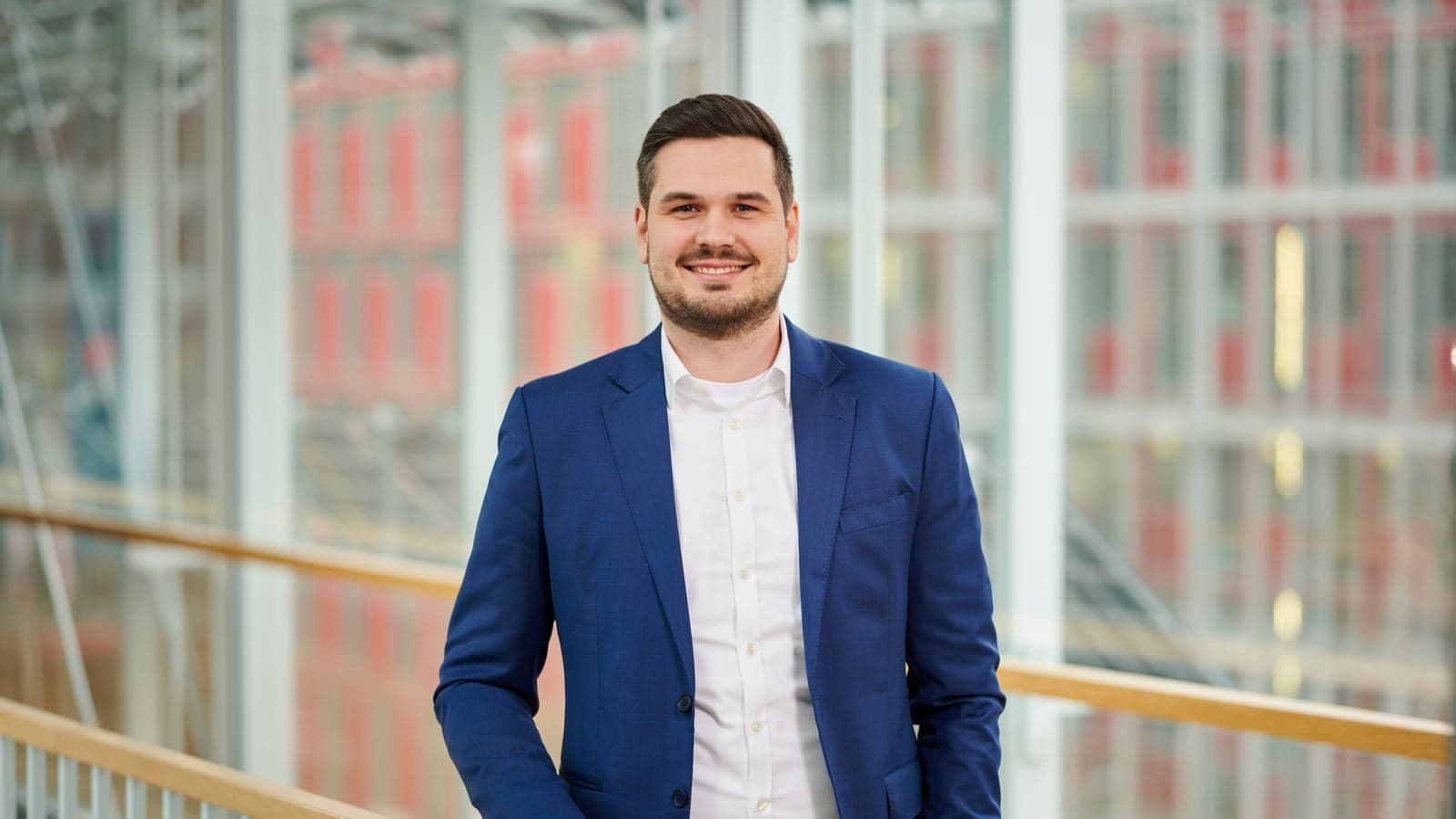
Uniper’s EVP of Sales Gundolf Schweppe explains how the company ensures that the customer is truly at the core of its business decision-making.
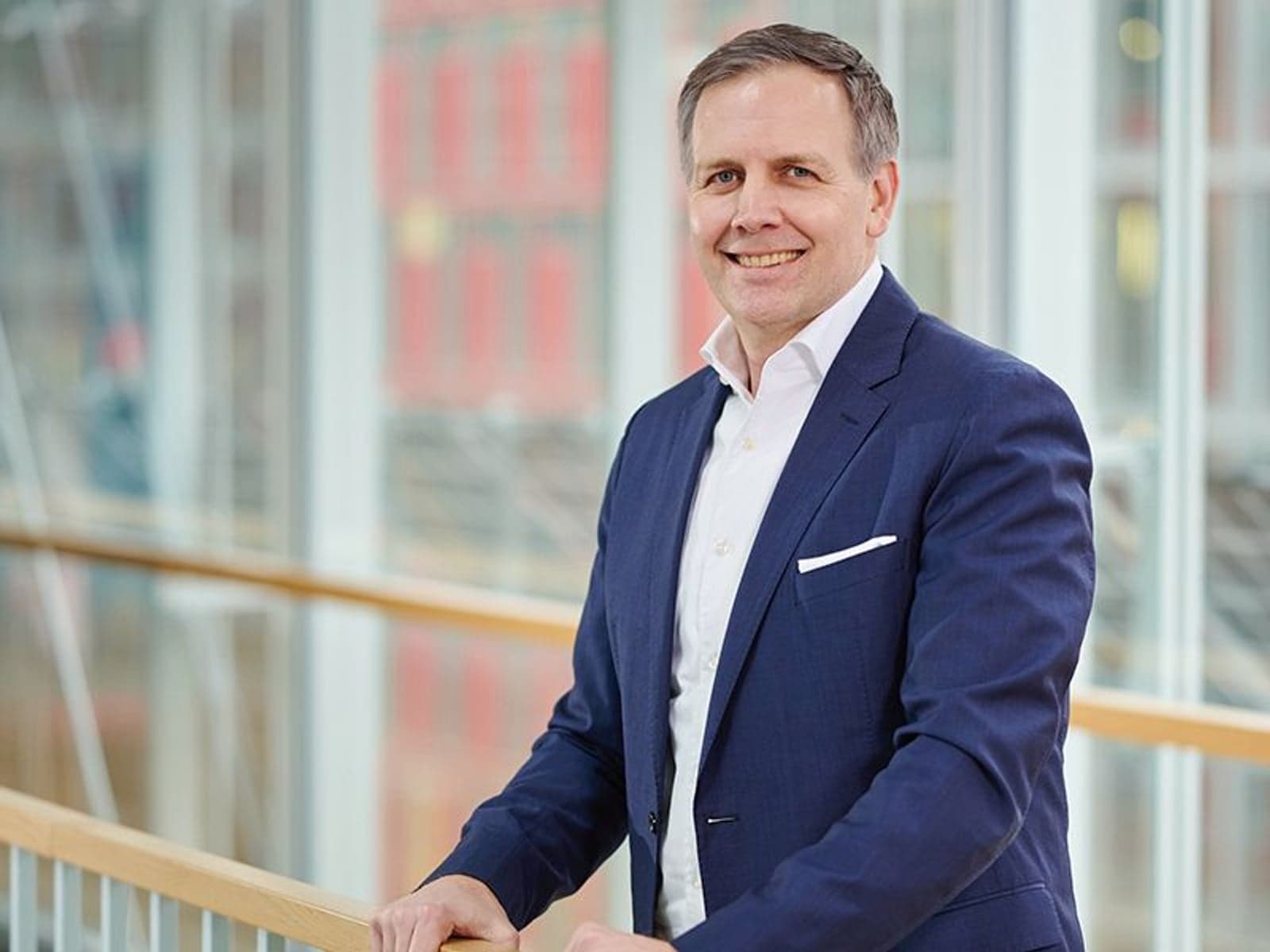
Uniper’s EVP of Sales Gundolf Schweppe explains how the company ensures that the customer is truly at the core of its business decision-making.
The tumultuous macro environment of the energy transition means it is now critical for an international energy company to take a micro-approach to the customer to win trust. Gundolf Schweppe, Executive Vice President of Sales at Uniper, describes how the company is doing just that: to steer the multinational in a new direction.
What is Uniper’s strategy to deliver the energy system’s needs by 2030?
The pace of the energy transition is increasingly being set by customer demand. Heat pumps, PV systems, or green gases are truly transformational and fundamentally supported by society. We are experiencing a transformation comparable to the beginning of the fossil-fueled industrial age. Working closely with our customers is at the heart of our strategy. Through flexible, balanced, and tailored forms of energy generation, we are doing all we can to support the necessary restructuring of the energy industry, and we are listening to our customers more than ever before. Taking their input to transform the industry is very
rewarding.
Is Uniper well-positioned to navigate the significant transformation of the energy system?
I believe in integrated energy companies. To be a long-term success in a volatile market environment you need to cover the full value chain. Only if you have a deep understanding of how customers think, and how this links to your portfolio, are you going to be able to lead the pack. Our customers benefit from a wide range of renewable products and can rely on Uniper’s flexible fleet, while we invest in decarbonisation and build new dispatchable capacity.
Read more:
Mission Possible: Tracking Europe’s industrial decarbonisation
Is Germany’s grid renewables ready?
How does the company classify customer centricity?
We have two rules. First rule: Listen to the customer. Second rule: If in doubt, listen again! Sounds simple and overly simplistic, but the reality of that demands daily focus, dedication and problem-solving. It is the foundation of our success. The crisis of the past few years has left its mark, including fundamental changes on the product side.
The downstream market is changing; products not only need to be tweaked but we also need real innovation to meet customer and market demand. We are expected to deliver answers for an environment that has increasingly fast product cycles and far more risk parameters influencing our decisions.
For example, we need to reinvent CO2 as a commodity parameter as well as to assume temperature risk, or demand-driven flex products which are completely different than they were a couple of years ago. The challenge is that the market is not stable, regulation is changing fast, and customer processes have become more complex.
By 2030, we plan to reduce carbon emissions from power generation by around 55%.
How is Uniper helping customers to decarbonise?
The company is getting greener every day, and so are our customers, as we increasingly deliver green power when it is needed. As a driver of supply-side decarbonisation, Uniper is comprehensively expanding its sales portfolio and its green products, such as PPAs and guarantees of origin, to fully meet the demands of its customers.
However, we also see that commodities are increasingly overlapping. Molecules and electrons interlock when you optimise flexibility or run a CHP and link it with PV and an e-boiler, for example. That changes everything in the way you work with your customers.
What are the most appropriate measures to close the critical gap in the energy transition?
Security of supply is and remains the key guiding principle. We are constantly adapting our portfolio to dynamic developments and driving forward the necessary diversification and flexibility of its procurement sources. To fill the critical gap, we aim to increase the volume of renewables and PPAs and optimise our existing hydro and nuclear fleet. These measures will be accompanied by an increase in flexible generation by decarbonising our existing gas plants, investing in new flexible generation with net-zero capacity, and expanding our battery energy storage capacities.
The Green Wilhelmshaven Terminal project (GWT) will allow vessel-based hydrogen to be imported in the form of green or blue ammonia. This ammonia will be cracked to hydrogen and redelivered to the German Hydrogen backbone (‘Wasserstoff-Kernnetz’). The start of operation is envisaged for 2030 and the plateau capacity of GWT is planned to be 2.6 MT/a of ammonia. Uniper built the Wilhelmshaven terminal in record time during the crisis, and we are already very advanced in terms of new technologies and securing new supply sources.
What role does gas play in your plans?
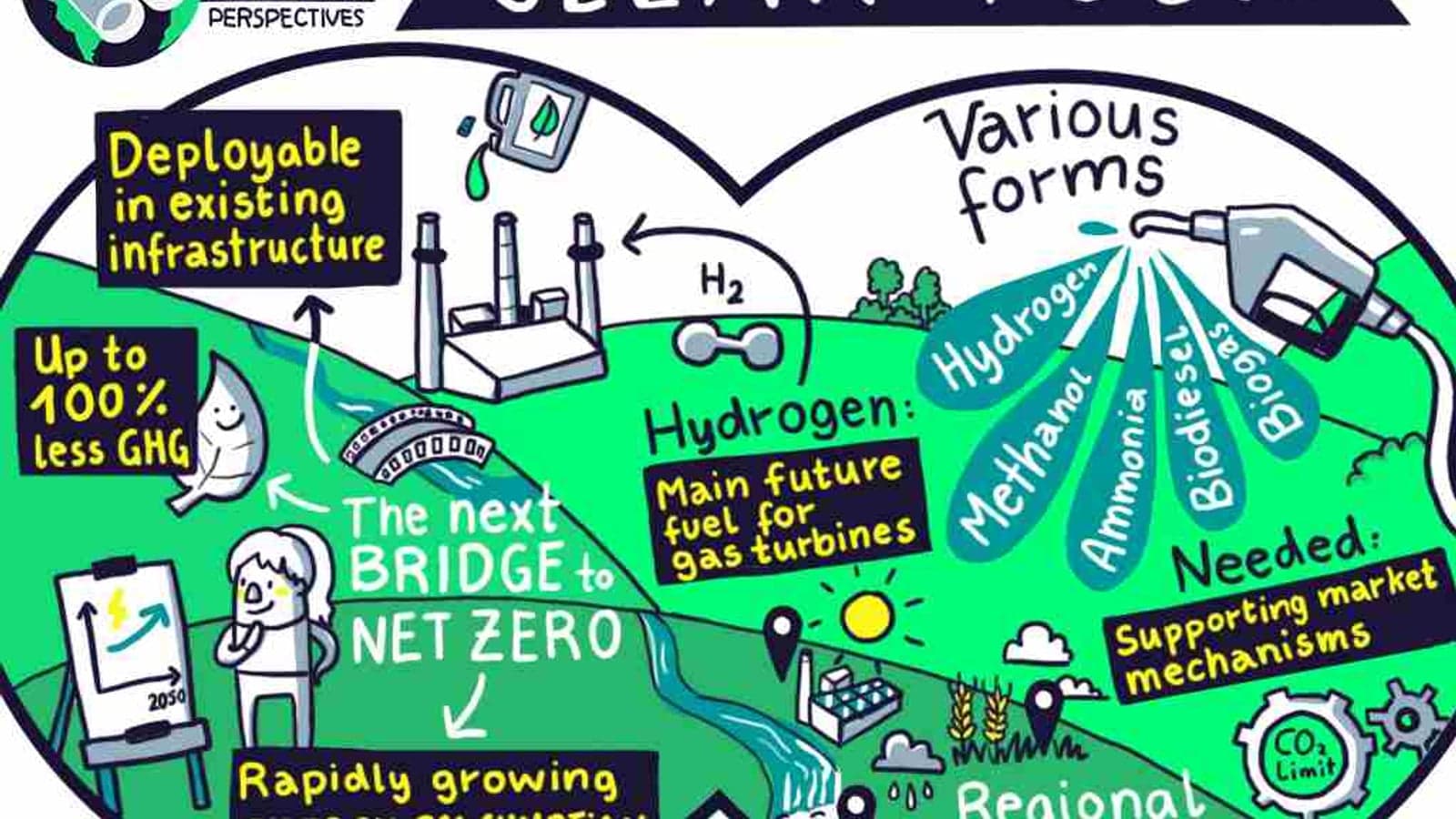
By importing green gas, from climate-neutral natural gas to biogas and green hydrogen, we are creating a broader business base and contributing to a secure energy transition that is practical and achievable for our customers. Through flexible, balanced, and customised forms of energy generation, we are fully supporting the necessary transformation of the energy industry without ignoring the need for natural gas as a transition fuel.
With many customers in Germany dependent on gas as a source of heat, we have a challenging balance that we need to strike, and we are very conscious of the responsibility where we must use our competencies to accelerate the transformation, which also includes increasing our own share of green gases up to 10% by 2030.
More insights from Uniper:
Mission possible: the strategy driving Uniper’s decarbonisation journey
Germany is facing big flexibility challenge says Uniper’s Holger Kreetz
What are Uniper’s milestones for a green transformation?
Regarding our sustainability goals, not only do we plan to be CO2-neutral by 2040, but by 2030 more than 80% of our installed power generation capacity will be green. Our first step towards carbon neutrality is to phase out coal by 2029. By 2030, we plan to reduce carbon emissions from power generation by around 55%.
We aim to achieve group-wide carbon neutrality for Scopes 1 and 2 by 2035 and for Scopes 1 to 3 by 2040. An important aspect of achieving these targets, while maintaining security of supply, is to make the electricity system more flexible with highly variable renewable generation.
What investments are needed for this transformation?
We have earmarked an investment volume of around €8 billion by 2030. These funds will be used to make our power and gas business increasingly CO2-free. For example, we are developing and building investment projects for hydrogen and green fuels, for low-carbon and zero-carbon gas-fired power plants, for energy storage to decarbonise our existing and new fleet, and for our customers’ plants. We are also investing in solar and wind power.
How does Uniper see its role in the energy transition?
Our self-perception is that we are a key element for green transformation. We have more than 4GW of green production and we are striving to become one of the leading customer interfaces for green power.
The Uniper today is not the Uniper we saw five years ago, and our people have embedded that into our culture and everyday action. That is where our employees stand on transformation and that is why I am so confident that we will be successful.
How vital are your employees to this transformation?
Our employees are our core asset. They are the beating heart of energy. Around the world, we are investigating opportunities and implementing projects to secure a green energy future. We see our work as a global mission.
With 7,000 energy experts around the world, the expertise of our teams gives us a special energy IQ. All of this is essential to the flexibility of the energy system, both today and in the future. Together, we are driving the energy transition at full speed.