Turning wastewater into energy: a story of hydrogen and circularity
Yusuf Latief
Posted on: 20 June 2024
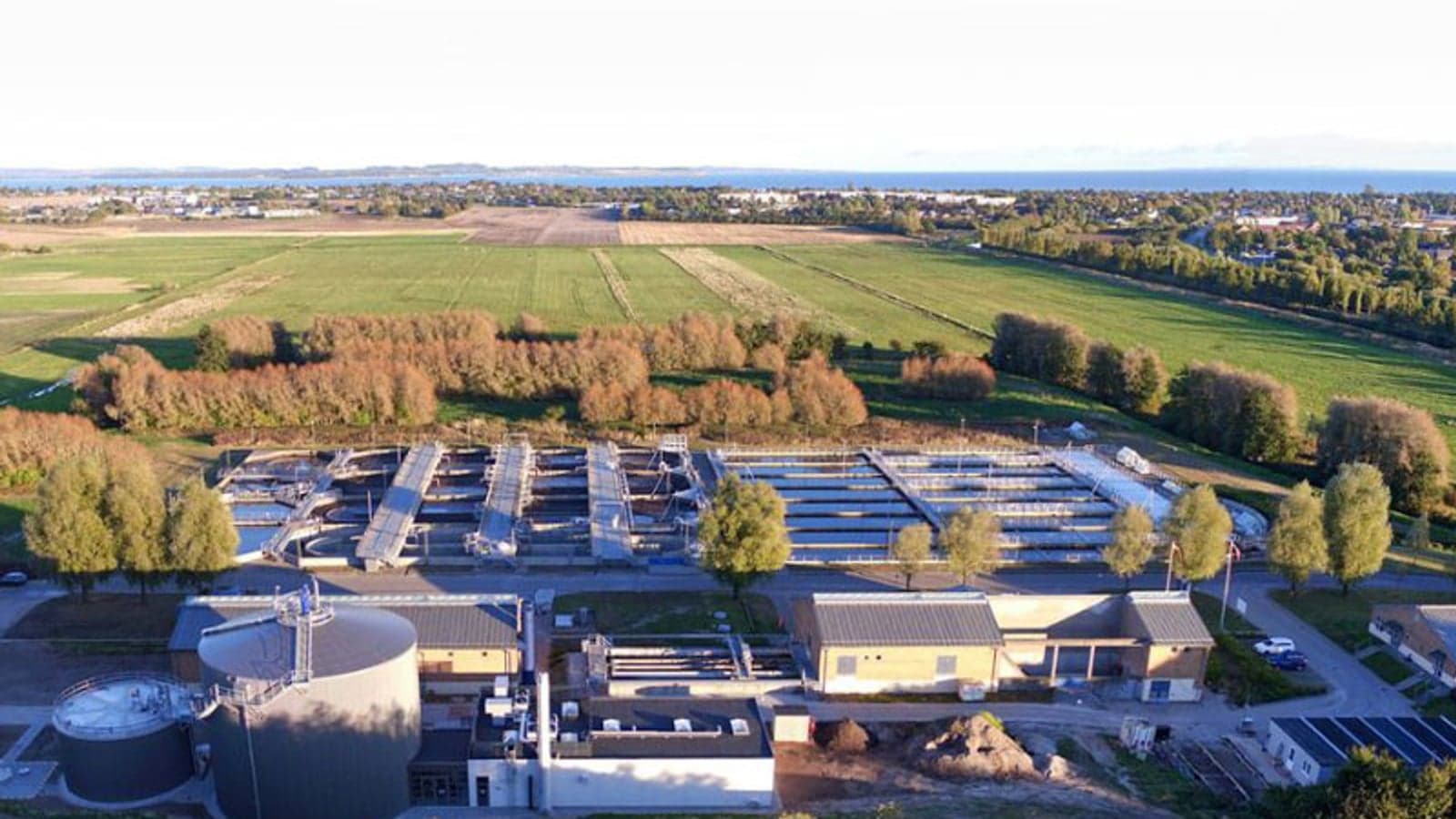
A wastewater treatment plant in Italy is transforming the way we think about wastewater and its place in the energy nexus.
A wastewater treatment plant in Italy is transforming the way we think about wastewater and its place in the energy nexus. It is a story of hydrogen and circularity, where what was once discarded will become fuel for a greener future. Enlit on the Road visited Bologna to find out more.
When completed, the SynBios (Syngas Biological Storage) plant will convert renewable energy and wastewater into green hydrogen and biomethane, which will be injected into the gas network and also used for district heating.
The plant uses power-to-gas technology to convert renewable electricity into synthetic natural gas, increasing the pollutant reduction potential of the sewage treatment plant.
Explains Marcello Bondesan, Gruppo Hera’s Director of Energy Asset Development: “The SynBios plant can produce synthetic methane from wastewater [and] turns this water into hydrogen and then the hydrogen, with the carbon dioxide produced in the anaerobic digester, will be turned into synthetic methane.
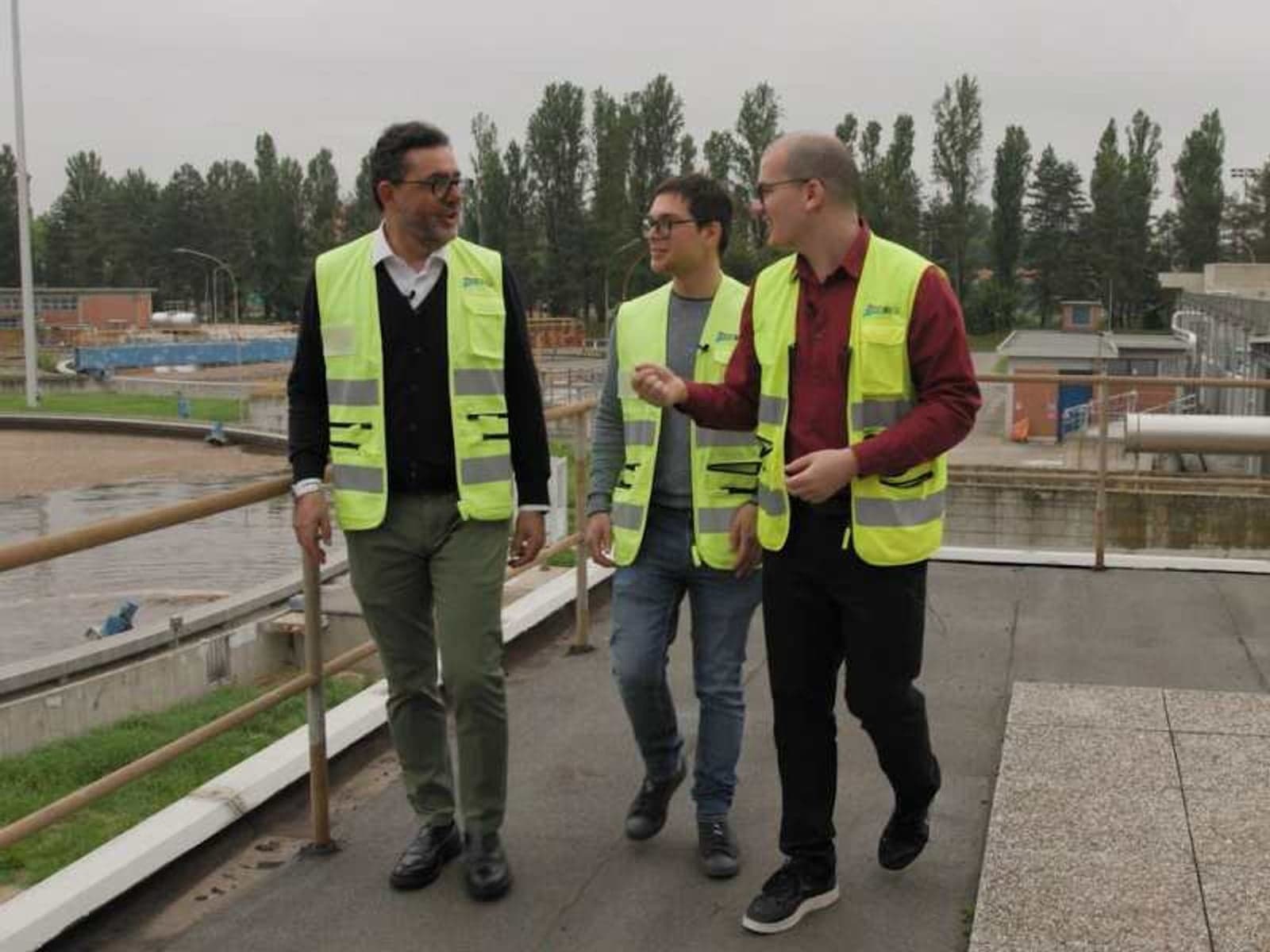
“To do this, SynBios needs sludge. The sludge comes from the anaerobic digester of the plant and SynBios produces oxygen as a byproduct [of electrolysis]. This oxygen will be used by the wastewater treatment plant in order to run the anaerobic digester.”
Also of interest:
How to make biomethane a viable alternative to natural gas
Squeezing valuable drops out of smart water innovation
Sludge and circularity
While producing enough methane to cover the annual consumption of 1,200 households, the plant will use the wastewater produced by about 50 people every day, also helping to increase the quality of the purification process itself.
Whereas sludge disposal traditionally presents an environmental challenge, for the SynBios plant, it's seen as a resource. The wastewater, once destined for discharge, will become a fuel source through a series of transformations.
The key goal of SynBios lies in circularity. In fact, Gruppo Hera calls the project a flagship circular economy project.
Matteo Venturi, Gruppo Herra’s Sewerage Purification Plant Assistant, explains: “Sludge is a byproduct of this wastewater treatment plant and we need to valorise it. So, we store this sludge in special tanks that are sealed in an atmosphere without oxygen. Here, a special micro-organism produces biogas.
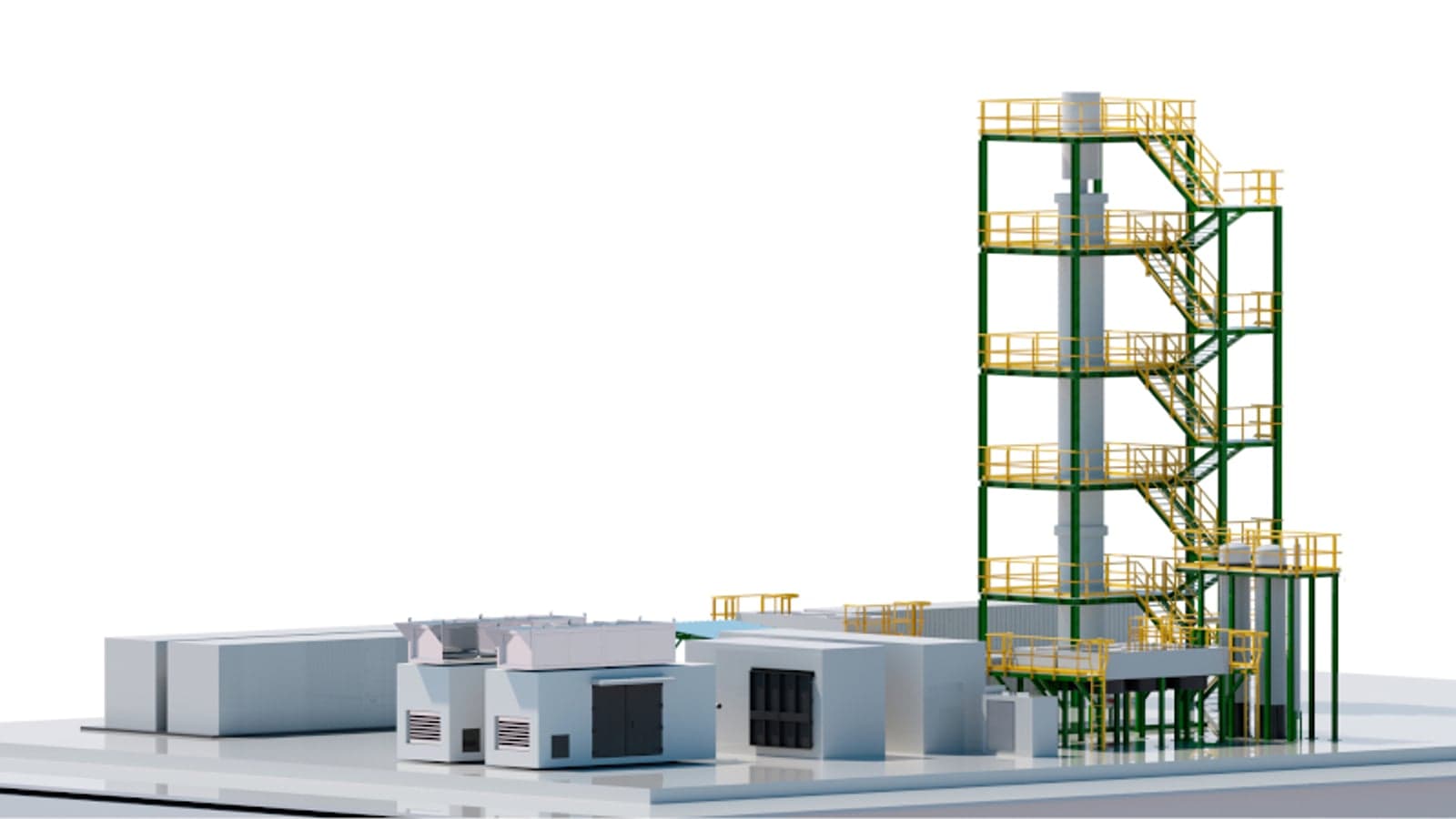
“With this new SynBios project, we will upgrade biogas to biomethane and then we will be able to insert it in the natural gas network…and transform sludge that is a waste product into a source. Another way we valorise sludge is producing heat. In fact, we use it to feed into a heating district area nearby.”
All this is done through two key technologies, Venturi adds: a Proton Exchange Membrane (PEM) to produce hydrogen, and the biological reactor to mix carbon dioxide and hydrogen to produce methane.
“This methane we will insert in the natural gas network,” he explains.
More from Enlit on the Road:
Building Milan’s net zero airport of the future
Site visit: Europe’s biggest solar-hydro hybrid plant
Decarbonisation ambitions
The SynBios project, beyond its on-the-ground applications, is of symbolic importance, representing the decarbonisation ambitions of both Gruppo Hera and Italy.
Once online and at full capacity, coming to 1MW, the plant will be able to produce approximately 190 Nm3/h of green gas, preventing roughly 50 Nm3/h of carbon dioxide from being released into the atmosphere; the same as the annual impact of about 400 cars.
Says Bondesan: “Decarbonisation will be one of the main corporate purposes of Hera Group…I strongly believe that Italy can be a leader in decarbonisation due to the geographical position of Italy, between Africa and Europe, and Gruppo Hera wants to take a leading role in this.
“Italy has a very developed gas network. This network, reaching all the small villages at once, projected and used for giving gas to everybody, can now be used in reversal mode to collect green gasses and to be distributed backwards to the household, in the city, in the industry or abroad if it is necessary.”
Sector coupling
“Since we are a gas distribution and electricity distribution company, [this] sector coupling project introduces another additional circularity concept, because we are also a water distributor,” says Bondesan.
In a release detailing the project, Alessandro Baroncini, Gruppo Hera’s Central Director for Networks, said: “For our Group, this plant represents a further significant experience in process integration between our state-of-the-art plants and an industrial synergy between the electricity grid and the city’s gas distribution network.
“The ‘power-to-gas’ plant and the purification plant, in fact, will work in a strong symbiosis within a perfectly circular regime.”
“This initiative, once again, sees us as a forerunner in the sector, with the hope of providing the government and the regulator with elements that can help support the industrial development of these applications.”