Partner content
AI is a driving force in accelerating the energy transition, says Microsoft leader
Enlit Editorial Team
Posted on: 1 October 2024
"AI is a transformative force in the power and utilities industry," says Per Christian Honningsvåg, EMEA Business Leader - Energy and Resources Industry at Microsoft.
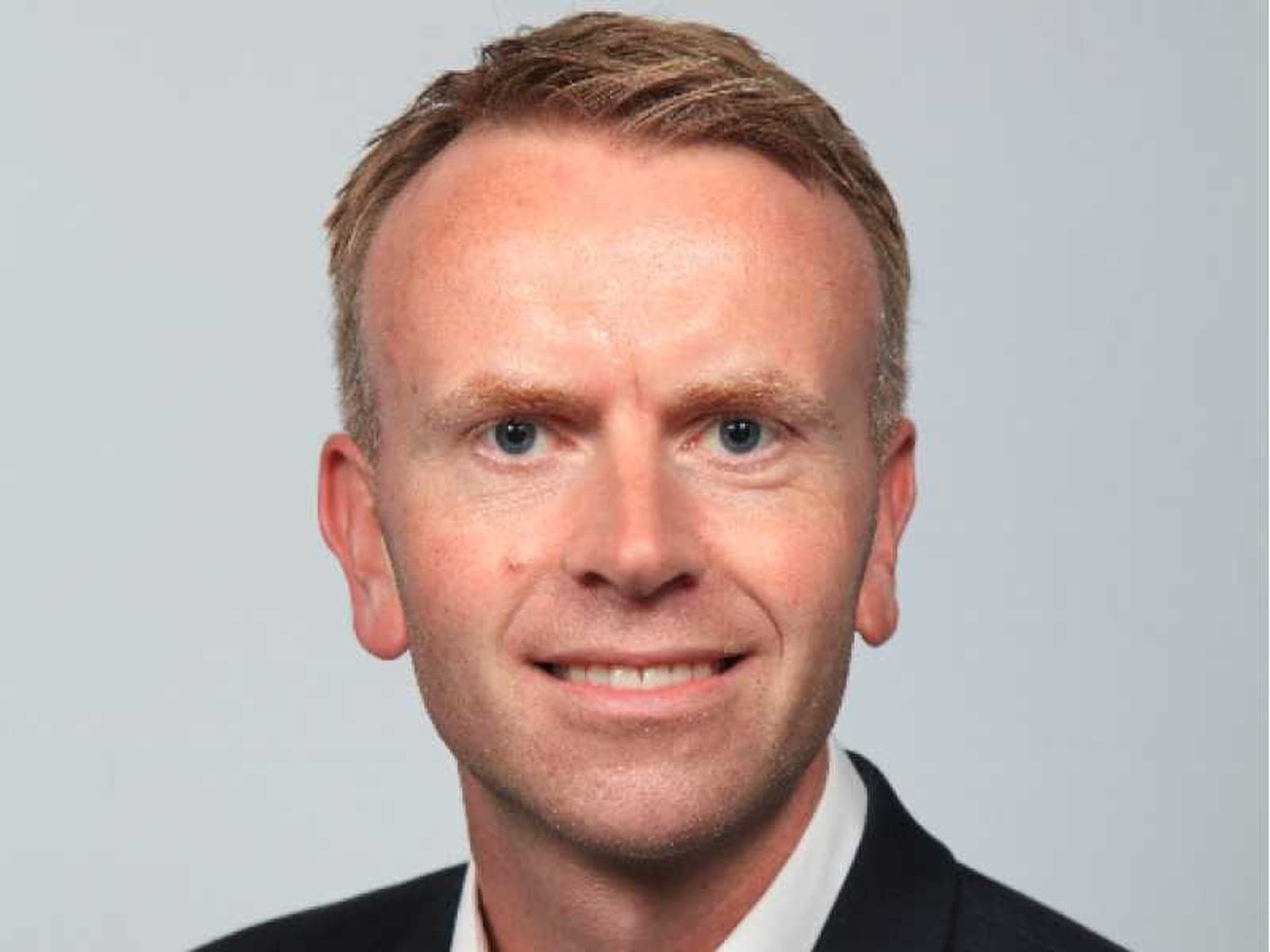
"AI is a transformative force in the power and utilities industry," says Per Christian Honningsvåg, EMEA Business Leader - Energy and Resources Industry at Microsoft.
In an Enlit exclusive, Honningsvåg highlights that if Europe focuses on enhancing and improving community buy-in and encourages adopting AI-driven technologies focused on decarbonisation efforts, the region is perfectly poised for a sustainable transition to a sustainable energy future.
How will AI accelerate the energy transition?
AI is a transformative force in the power and utilities industry – its ability to optimise renewable energy integration, enhance energy efficiency, predict maintenance needs, and drive innovation in energy technologies positions it as a pivotal force in accelerating the energy transition.
AI-driven technologies can make a significant impact on the management and optimisation of renewable energy assets to help improve the accuracy of renewable energy forecasting, enabling better integration of intermittent sources like solar and wind into the power grid. This helps in balancing supply and demand, reducing reliance on fossil fuels, and enhancing grid resilience and stability.
AI can play a crucial role in optimising energy consumption and efficiency. By analysing vast amounts of data from smart grids, AI can identify patterns and anomalies, leading to more efficient energy distribution and reducing waste. This lowers operational costs and contributes to a more sustainable energy system.
Another significant contribution of AI is predictive maintenance and asset management. AI algorithms can analyse data from sensors and equipment to predict potential failures and optimise maintenance schedules. This proactive approach minimises downtime, extends the lifespan of assets, and ensures the reliability of energy infrastructure.
Europe needs a strong industrial strategy to ensure its global competitiveness. What role must the energy sector play in this strategy?
The energy sector is crucial for ensuring Europe's global competitiveness by driving the transition to a sustainable and resilient energy system.
This involves decarbonisation and investing in renewable energy sources like wind, solar, and hydrogen to reduce reliance on fossil fuels and enhance energy security.
The introduction of electricity 100 years ago created economic growth for the Western World. With global net zero commitments at state and company levels, the regions which succeed with the energy transition can look toward cleaner, more secure and affordable energy, increasing global competitiveness for all industries in that region.
Improving energy efficiency through advanced technologies such as digitalisation and smart grids can optimise energy use and support renewable integration.
Diversifying energy sources and supply chains, including developing regional renewable capacity, is essential for mitigating risks associated with energy dependency and geopolitics. The energy transition also offers economic benefits, including job creation and positioning Europe as a leader in clean energy innovation. By focusing on these areas, the energy sector can help Europe achieve its climate goals and maintain global competitiveness.
You might be interested in:
European Industrial Energy Days
How important is community buy-in in accelerating the European energy transition?
Community buy-in is essential for accelerating the European energy transition. As Europe strives to meet its ambitious climate goals, including the European Green Deal's target of achieving net-zero emissions by 2050, the active involvement and support of local communities are crucial.
Community engagement ensures that renewable energy projects, such as wind and solar farms, are not only accepted but also embraced by the people who live near them.
To build a community, collaboration and communication is key. People want to understand what they are paying for. Over the last few years, end-customers in Europe have seen higher electricity bills and higher grid tariffs while negative power prices are becoming more common amid strong wind and solar output.
Additionally, community programmes can provide tangible results such as job creation, local investment, and improved infrastructure. These benefits help to build trust and demonstrate the positive impact of the energy transition on local economies and quality of life. By prioritising community buy-in, Europe can ensure a more effective transition to a sustainable energy future.
"To build community and collaboration, communication is key."
COP28 committed to tripling global renewables by 2030. What are the top three challenges for Europe to achieve this goal?
Europe faces several significant challenges in its ambitious goal to triple global renewables by 2030. Here are the top three:
Policy uncertainties: One of the primary challenges is the uncertainty and delays in policy responses to the new macroeconomic environment. This includes the need for clear and consistent policies that support renewable energy projects and address the economic factors that impact their development.
Grid innovation: Another major challenge is insufficient investment in grid infrastructure. The expansion of renewable energy sources requires a robust and modern grid that can handle the increased capacity and variability of renewable energy. Without significant investment in upgrading and expanding the grid, the integration of renewables will be hindered.
Administrative barriers and permitting procedures: The administrative processes for approving renewable energy projects can be lengthy and complex. Streamlining these procedures and reducing the bureaucratic hurdles is essential to accelerate the deployment of renewable energy projects. Additionally, addressing social acceptance issues and ensuring community buy-in are crucial for the success of these projects.
By addressing these challenges, Europe can make significant progress towards its goal of tripling global renewables by 2030 and ensuring a sustainable and resilient energy future.
Is the European power and energy sector focusing enough on the workforce of tomorrow?
At Microsoft, we believe AI and digital innovation can help people throughout the energy industry and across the energy ecosystem—not by reducing jobs or replacing people with technology, but by enhancing human capability.
With the rise of generative AI, employers can now look to elevate people's performance. Generative AI provides us with a copilot, where humans are at the centre of the experience, accessing powerful technology through a natural language interface.
In the energy industry, we are just scratching the surface of what’s possible with generative AI. But we know that in industries where documentation plays a heavy role, large language models can help people quickly access and analyse information that would normally require considerable manual effort. This can help improve decision-making and enhance everyday execution—and have a transformative impact on industries that are weighted down with complex documentation and manual workloads, as the energy industry has been for years.
Through the power of natural language, workers can prompt AI systems to access and retrieve information intuitively without having to manually search for it across vast datasets—to create human-like content seamlessly, summarise key themes and insights, and even generate software code based on a prompt.
In the critical area of cybersecurity and data security, generative AI can help cybersecurity professionals detect threats before they cause harm and respond in minutes, not hours. It can help defenders catch what other approaches might miss and augment an analyst’s work with natural language prompts and simplified reporting. Generative AI can also help train and upskill these workers in a complex and fast-changing domain.
This broad set of capabilities can help enhance functions across an entire organisation—elevating not just individual performance, but a whole industry.
Have you watched:
Accelerating the energy transition with Artificial Intelligence
How is Microsoft going to address these challenges at Enlit Europe?
The Microsoft Energy and Resources team is excited to be participating in Enlit Europe 2024. The team will be sharing leading innovations and perspectives on generative AI, cybersecurity and critical infrastructure, data analytics, and cloud services.
It is important to note that we can’t do it alone. Microsoft, together with our customers and partners across the energy and resources industry, work together to drive workforce transformation, improve operational efficiencies, advance net zero, and increase energy innovation and growth opportunities. The Microsoft team collaborates with customers and partners to streamline the adoption of scalable AI solutions for the energy industry, promoting safety, reliability, and sustainability.
Microsoft will showcase innovations that empower the energy workforce, optimise supply chains, secure assets, and power intelligent energy systems with data and AI to help companies tackle their most complex challenges and accelerate the energy transition.
Microsoft is participating in several exciting Summit and hub sessions at Enlit Europe in Milan, 22-24 October 2024. You can register for your complimentary pass here.
Related tags
Latest content
Partner content
+2
Innovations to accelerate the decarbonisation journey
ABB’s Marco Tellarini, Senior Vice-President – EMEA Region, Electrification Service, delves into the innovations that are enabling utility and industrial customers to accelerate their decarbonisation.
- Enlit Editorial Team
- 22/10/2024