Clean hydrogen: What you need to know
Jonathan Spencer Jones
Posted on: 29 April 2022
Clean and green hydrogen is set to become an important component of the future energy system, supporting decarbonisation across the power, transport and industrial sectors among others.
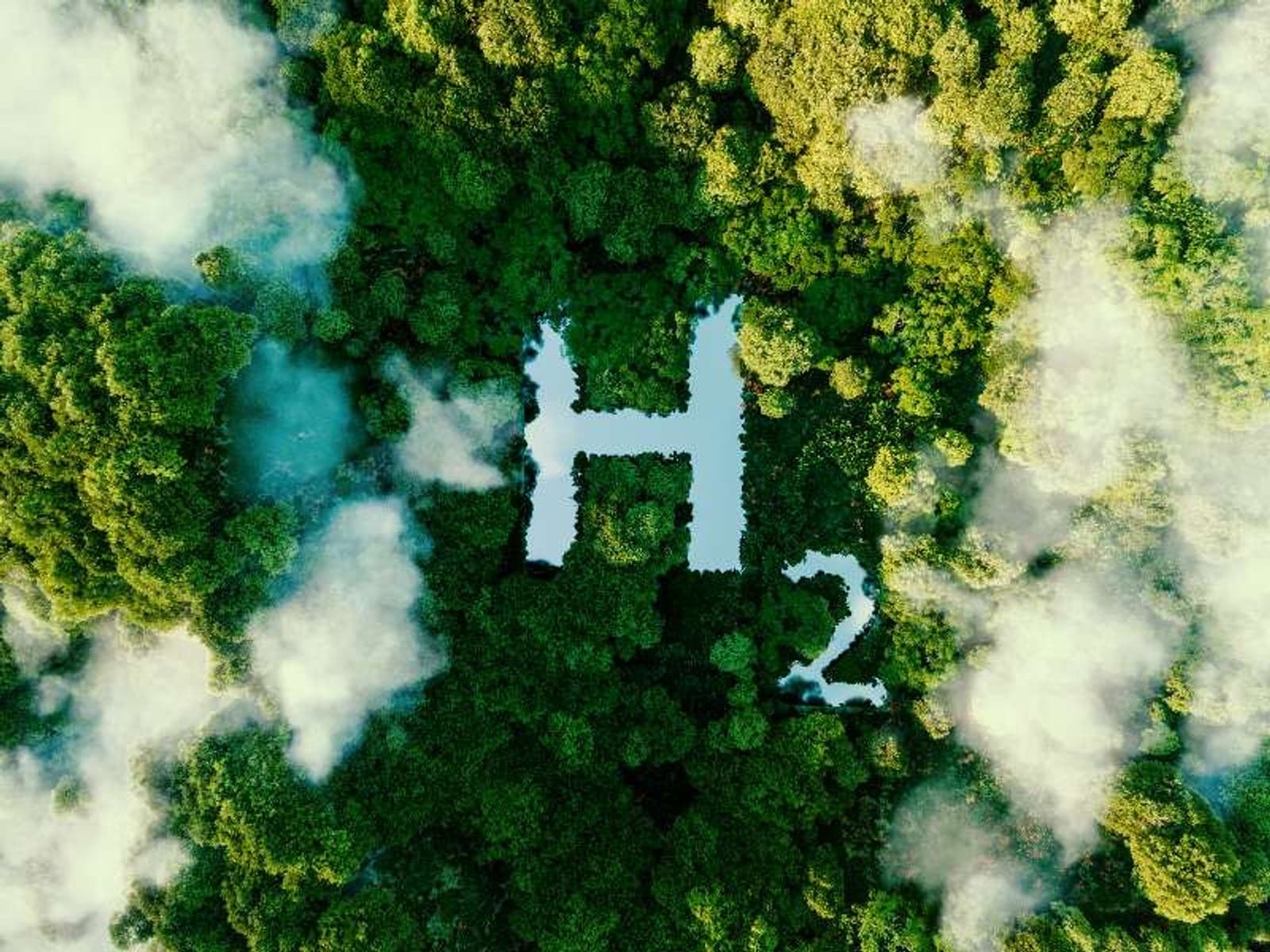
Clean and green hydrogen is set to become an important component of the future energy system, supporting decarbonisation across the power, transport and industrial sectors among others.
Hydrogen is by far the most abundant element in the universe. It is present in large clouds in the universe and makes up the bulk of stars such as our sun. It is present in the air we breathe and the water we drink.
With its prevalence, why the growing interest in clean hydrogen now and why has it not been more widely used so far?
The answer is that hydrogen requires energy-intensive production technologies to extract it in a usable form. Once extracted, it also requires suitable storage and transport options to deliver the hydrogen in practical volumes to the point of use.
Such hydrogen that has been required to date has been in growing, but relatively limited, quantities. The primary area of hydrogen application has been in industry where it has been widely used, for example for various manufacturing processes and to make ammonia for agricultural fertilisers. It also has been used for applications such as high altitude balloons and as a fuel for rocket launchers.
Such hydrogen has been known by the names ‘black’, ‘brown’ or most commonly today ‘grey’ hydrogen. Indeed, hydrogen has attracted a whole spectrum of colours according to how it is produced.
What are the colours of hydrogen?
Not all colours of hydrogen are clean hydrogen:
Grey, brown and black hydrogen
Grey hydrogen is hydrogen created from natural gas – or methane – using a process named steam methane reforming in which a high temperature steam with the help of a catalyst in a pressurised vessel separates the methane into hydrogen and carbon monoxide. Further reaction of the steam with the carbon monoxide also can be undertaken to produce further hydrogen and carbon dioxide.
As steam methane reforming is fossil fuel powered, it is not ‘clean’.
If black coal or brown coal (lignite) is used in the hydrogen making process then the hydrogen is named ‘black’ or ‘brown’ hydrogen accordingly.
Blue hydrogen
With carbon dioxide the main by-product of steam reforming, with the addition of carbon capture and storage to the process, the hydrogen is then known as ‘blue’ hydrogen and can be categorised as low carbon hydrogen.
As such, blue hydrogen is considered a key enabler in building a low carbon energy system. So far only a handful of projects are in operation, among them Shell’s Quest CCS facility in Alberta, Canada, but many companies are rushing to introduce projects.
Among these is the Hydrogen Energy Supply Chain project in Victoria, Australia, which is developing potentially the world’s first international hydrogen supply chain with delivery to Japan.
However, with the rapid developments toward green hydrogen production (see below), IRENA has suggested there is a risk of these initiatives being stranded.
Gold hydrogen
Gold hydrogen is an emerging ‘colour’ of hydrogen, which is the natural hydrogen within the Earth extracted with some or other process.
The concept is still in the early research phase, with several companies, such as the Texas-based Cemvita Factory, investigating potential reserves and extraction options. What such options emerge remains to be seen but it is likely that carbon capture could be added to enable gold hydrogen to be categorised as a form of blue hydrogen.
Read more about gold hydrogen:
Gold hydrogen – novel extraction for a potential green energy option
Turquoise hydrogen
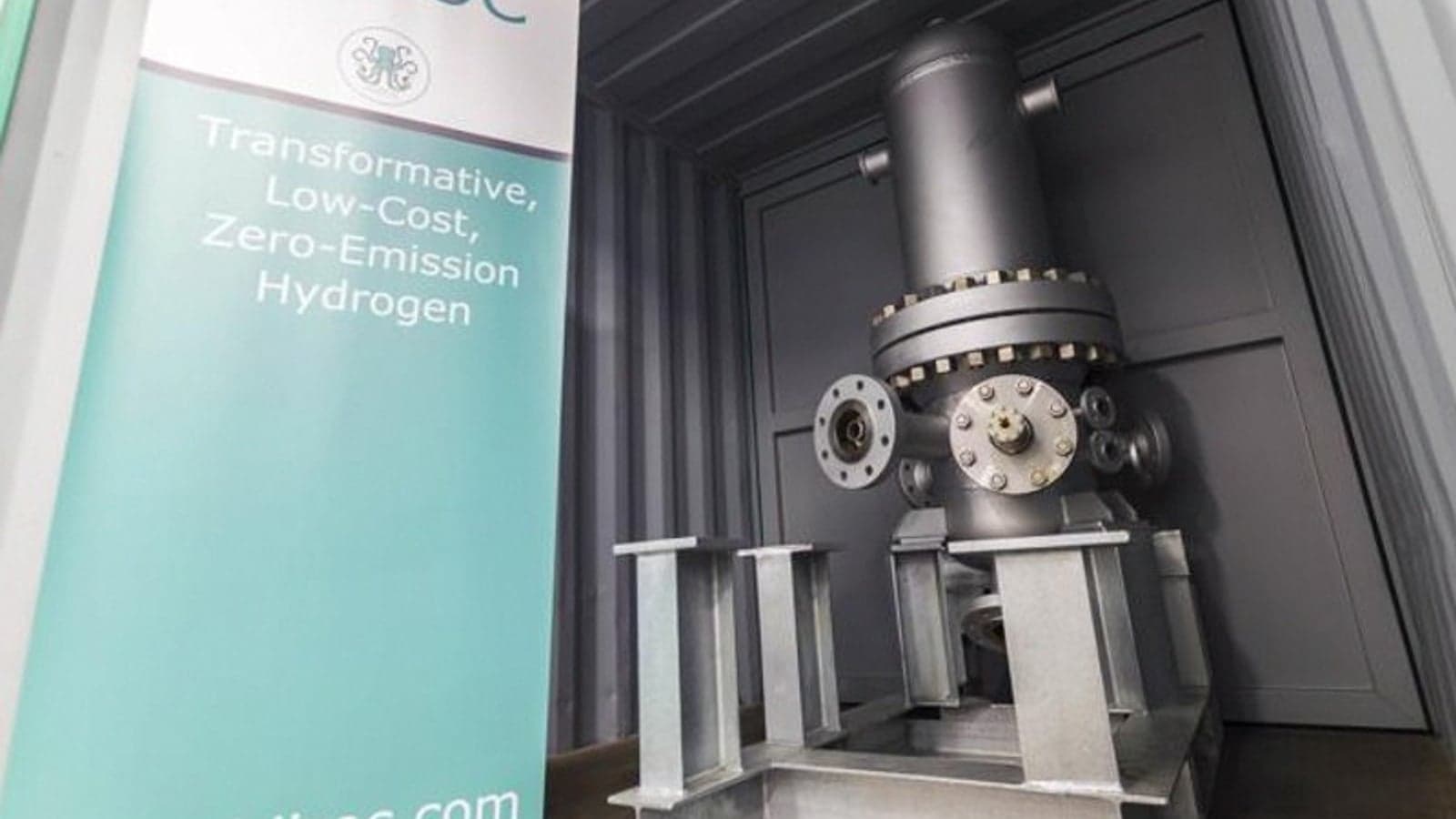
Turquoise hydrogen is another emerging colour of hydrogen, still in the experimental phase, which uses methane pyrolysis or some similar decomposition process to produce the hydrogen and carbon black from natural gas or biomethane.
The decomposition of the natural gas takes place under heat and the process is classed as ‘low carbon’ as there are no emissions, with the carbon captured in the solid carbon black, which is widely used in industry in applications from tyre manufacturing to pigments for paint and soil enhancing.
One of a few companies working on turquoise hydrogen is the British, Hull-based company HiiROC, which has developed a thermal plasma electrolysis process.
Read more about turquoise hydrogen:
Turquoise hydrogen – an emerging variety in the colour spectrum
Green hydrogen
Ultimately, the only hydrogen that can be classified as ‘green’ is hydrogen produced from renewable resources using renewable power.
How do you make hydrogen green? Green or ‘clean’ hydrogen results from the process of electrolysis involving the splitting of water into hydrogen and oxygen. Thus a primary requirement is a ready supply of water for the process.
With the growing interest in green hydrogen, novel technologies are emerging for its application, such as water from air extraction in Australia to enable its application even in deserts. The jury is out, however, on the potential for seawater as the planet’s largest water resource due in particular to the chlorine content, which would require additional chemical processing.
Currently, less than 1% of the global hydrogen production is from water electrolysis, the IEA has recorded, but its share is expected to grow rapidly, particularly approaching and after 2030 when the growing project pipeline comes online and the hydrogen should become cost-competitive.
Read more about green hydrogen:
Green hydrogen in Europe – 2022 is the year to make it a reality
Zero Emission Hydrogen Turbine Center" A closed loop of the energy future
Pink hydrogen
For the record, ‘pink’ or also named ‘purple’ or ‘red’ hydrogen is hydrogen produced using nuclear as the power source. However, whether or not it is classified as ‘green’ or ‘clean’ depends on one’s views of nuclear as a power source and that is an issue of much controversy.
One proponent is the Swedish power corporation OKG, which is due to start supplying pink hydrogen from its Oskarshamn 3 nuclear facility.
Arnaud de Limburg, Strategic Business Lead for Engie Hydrogen, speaks to Nigel Blackaby, Content Director for Enlit Europe, about a project blueprint for successful green hydrogen hubs.
What will green, clean hydrogen be used for?
Green hydrogen is expected to play a key role in the decarbonisation of various sectors of the economy, including power, transport and industry.
Green hydrogen as a replacement for grey hydrogen in the industry is a sine qua non.
In the power sector, green hydrogen is envisaged as a replacement for natural gas for energy generation and for example for heating and other domestic uses. Early tests are investigating the blending of hydrogen with natural gas with an up to 20% blend demonstrated so far in the UK in the current infrastructure. However, full hydrogen delivery is expected to require an upgrading of the distribution infrastructure and metering and the replacement of home appliances.
Green hydrogen also can provide a long term energy storage option, created when renewables are plentiful and available for reconversion to power at times of lower output such as during a winter or prolonged windless conditions.
In the transport sector, green hydrogen is expected to be widely used and compete with alternative electrification for road vehicles of all types and sizes, shipping and aviation.
In the road vehicle category, battery electric vehicles are technologically more advanced and competition ultimately will come down to the comparative vehicle and running costs.
For long-distance transport issues such as the size and weight of recharging options for batteries will need to be considered. In particular, in the aviation sector, weight is the main limiting factor for battery storage currently but this may change with future battery developments.
Watch these interviews about clean hydrogen:
Clean energy finance: Ex-minister on ‘panic in the boardrooms’ and ‘drinking climate Kool-Aid’
The role of offshore green hydrogen in Europe’s decarbonisation journey
Where is clean hydrogen produced?
In 2019 there was an estimated 200MW of electrolyser capacity globally but by mid-2021 the pipeline had jumped to 6.3GW according to WoodMac, which reports tracking more than 560 low carbon projects across 24 countries in its database.
IRENA has reported almost 40 countries around the world having hydrogen strategies. Alongside these, an expanding network of future trading routes is being developed, particularly from the southern hemisphere with its renewable potential to the north with its expected demand, as countries are looking to green hydrogen as an economic booster.
Factors impacting the uptake of green hydrogen are the availability of the production and the technologies to be able to use it.
However, ultimately its wider uptake will depend on its price, which in turn is dependent on the costs of electrolysers and of the renewable energy. The former is falling fast with economies of scale as the demand for capacity grows while the latter depends in large extent on the resource potential – which is why countries with rich solar and wind potential such as Chile, South Africa and Australia are positioning at the forefront of the export drive.
Delta-EE believes that 2022 will be the tipping point year for green hydrogen in Europe – a likelihood given added impetus with the war in Ukraine and urgency to address gas supply into the region – while WoodMac’s assessment is that a sub$2/kg price for green hydrogen is achievable in many countries by 2030 with some, such as Chile, reaching the competitive $1/kg.
“A spectrum of hydrogen colours are in play – but the real gamechanger will come when low carbon green hydrogen costs become competitive in major markets,” says WoodMac Hydrogen Research Analyst Bridget van Dorsten.