‘No cookie cutter solution’ for 2050 says Indonesian Energy Transition Chairperson
Enlit Editorial Team
Posted on: 10 July 2024
So says the Chairperson of Indonesia Energy Transition Implementation Joint Office in an exclusive during European Sustainable Energy Week.
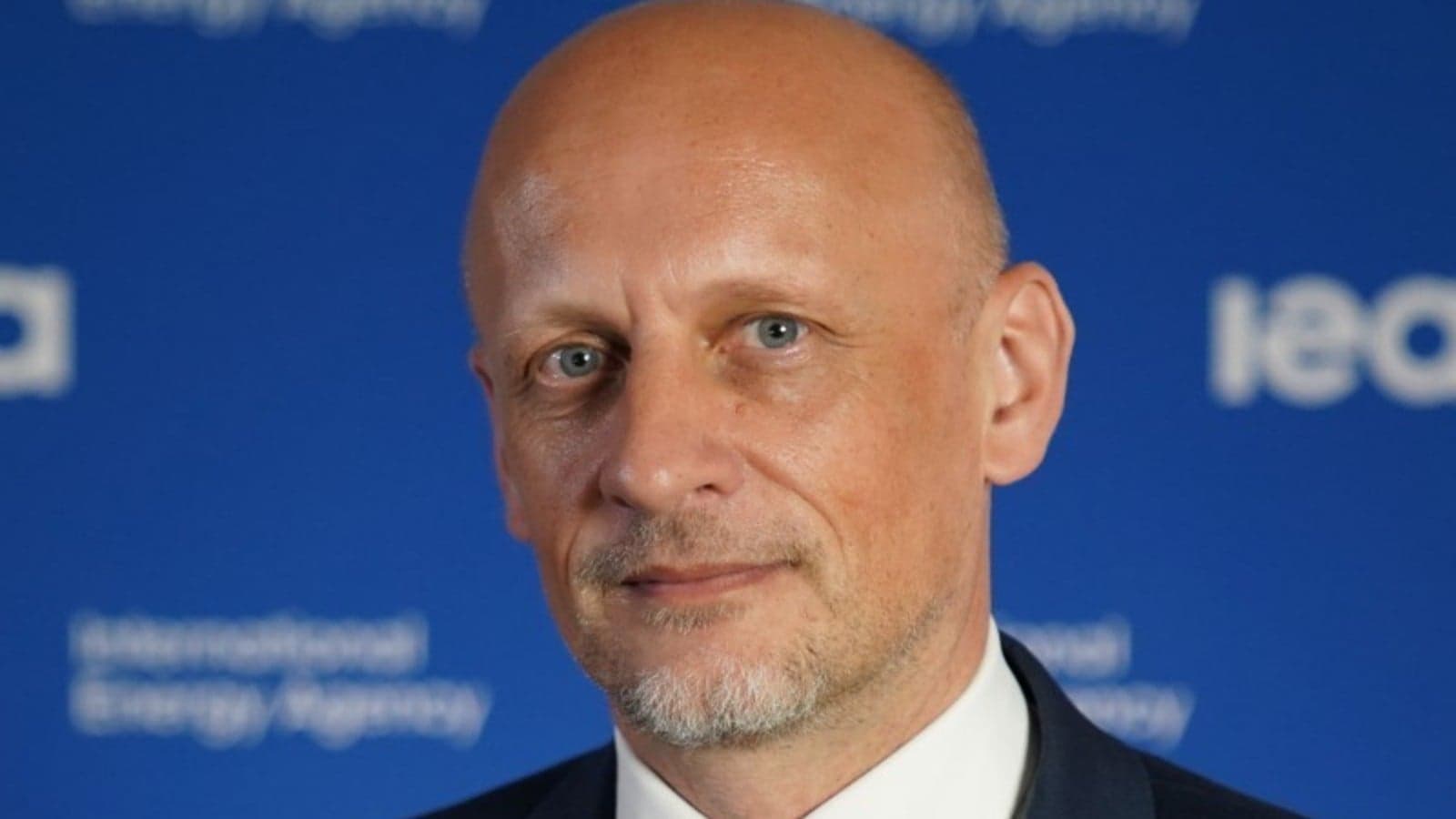
“There is no cookie cutter solution," for reaching global net zero targets, explains Edo Mahendra, Chairperson of the Indonesia Energy Transition Implementation Joint Office, during an exclusive interview at European Sustainable Energy Week (EUSEW).
Mahendra, who attended EUSEW this year as part of the Indonesian delegation to Brussels, Belgium, for the annual conference, answered in response to whether he thinks global 2050 targets will be met.
The determinant for this, he says, is in the ‘how’.
“We may or may not [reach 2050 targets]. It depends on how we accelerate. It's really important to understand that there is no cookie cutter solution. There is no silver bullet and every country has different initial conditions and boundary conditions as well.
“In the case of Indonesia and other emerging economies, developing countries, we have to grow. But we would like to break the curse; this very strong relationship between economic growth and emissions. This is where energy transition comes in.”
To break this curse, Mahendra calls for more shared responsibility between developing and developed countries. For the latter to chip in and share their experiences.
“If we do that, to really make sure that the common but differentiated responsibility in the fight against climate change [is] materialised, then we can achieve that goal. Otherwise, if we move backwards [with] less cooperation, more blocks and less partnership, then we may miss the target.”
More from European Sustainable Energy Week:
Balancing biodiversity with renewable deployments
E.DSO’s Secretary General foresees focus on ‘policy implementation’ by DSOs
De-risking profiles and energy transition stories
To illustrate this enhanced relationship between developed and developing economies, Mahendra cites examples of how this might look.
“First and foremost” he says, is to lower the risk profiles for energy transition projects, in particular for those dealing with renewable energy and other clean energy.
To do so, “the world needs more concessional financing, more blended financing types of schemes so that, number one, we can de-risk the investments [and] number two, we can count in the commercial, so that we can make the pie bigger.”
Secondly, he adds, whether it be Indonesia or other developing economies, it comes down to each country’s ‘energy transition story’.
“I think it's really important to make sure that all developing countries can have their own story of energy transition, because … we know what we need and each country is different. We have to make sure that we understand they have their own energy transition path.”
This would entail collaboration between economies whereby each has its own agency accompanied by the sharing of technology and knowledge.
In this way each country will be able to accelerate their energy transition and, following its achievement, they will also have energy security.
“It will be an interdependency. We cannot look backwards and live in a dependent world […] “The old adage of north and south is obsolete.
“We have to see this more like a world where interdependence is key and energy transition is a part of that. We have to help each other.”