Balancing biodiversity with renewable deployments
Enlit Editorial Team
Posted on: 26 June 2024
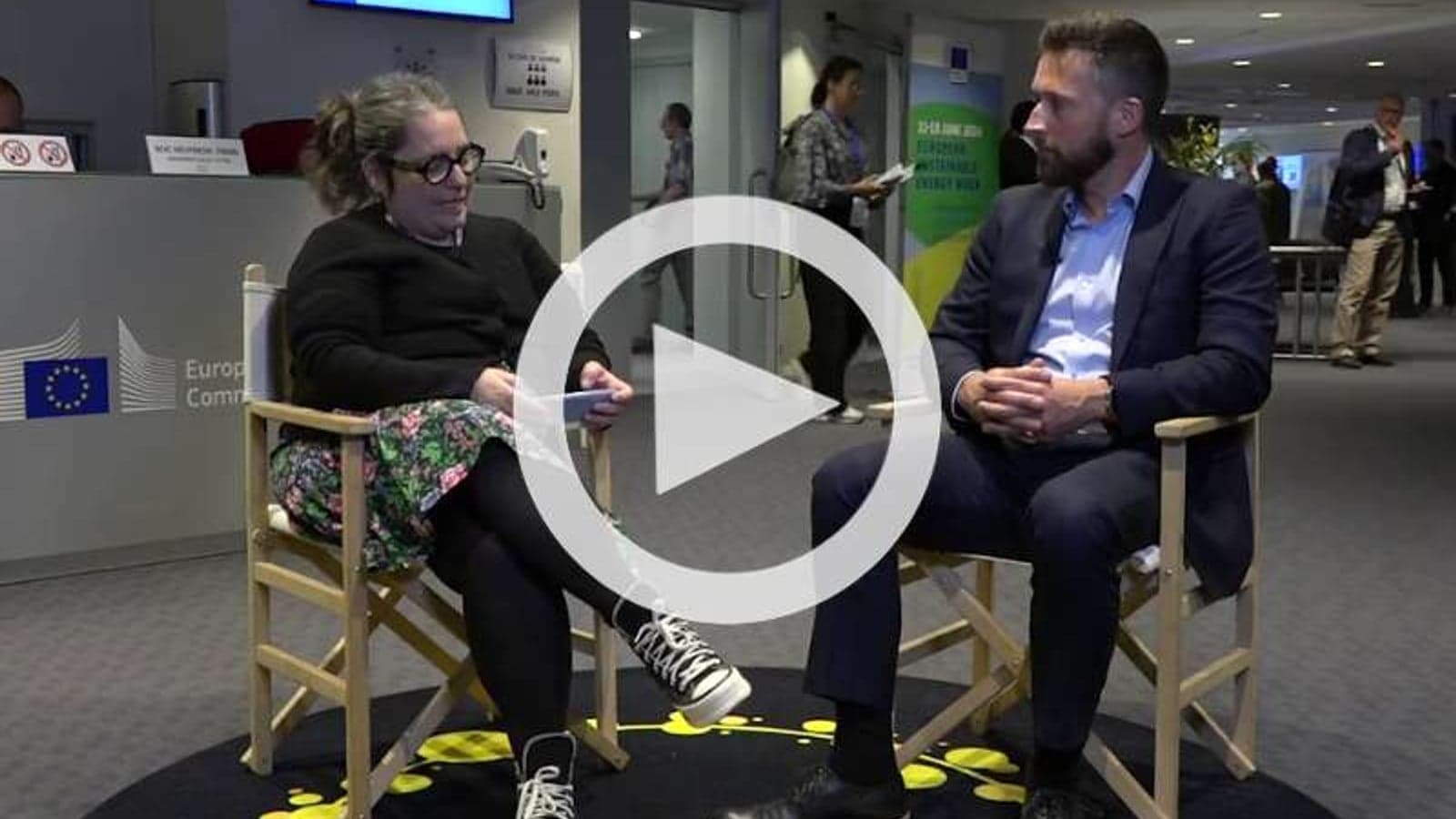
During EUSEW, Eurelectric’s Kristian Ruby discusses how the Power Plant 2.0 policy recommendations aim to prevent an energy sector paradox.
Eurelectric's Secretary General Kristian Ruby explains how to find the right balance between biodiversity protection measures while maintaining the pace behind renewable and grid projects.
An unfortunate paradox has been spotted in the policy realms of climate change and biodiversity protection.
In an exclusive interview at European Sustainable Energy Week (EUSEW), Kristian Ruby says that this is a paradox of how, although we want to save both the environment and the climate, the two policy rule sets sometimes work against each other.
To mitigate this, Eurelectric’s Power Plant 2.0 guidebook provides 12 key principles for biodiversity to support renewable developers and system operators to scale up nature-inclusive practices across their projects’ lifecycles.
These principles fall under three major categories: measurable change, adequate measures for said change, and a lasting, long-term impact for biodiversity and broader society “so that it’s not a once-off.”
More from European Sustainable Energy Week:
Does Europe have the industrial strategy to keep its renewables competitive?
Deputy Director-General Wörsdörfer urges next EU Commission to prioritise policy implementation
Four deep tech solutions that could impact the future of energy
Commission collaboration
Eurelectric’s guidebook intersected with elections for the next European Commission. Regarding their approach to biodiversity and project planning, Ruby emphasises the vast wealth of knowledge and existing projects “that we can draw from.”
It’s also important, he adds, “that we create a rule set that allows us to pursue this double agenda, which is to save the climate and make sure that we protect nature while doing so.
“Because if we don’t, we’re going to see a situation by mid-century where climate change is the biggest driver of biodiversity laws. It’s really essential that we get that combination right.”
Ruby cites the most important of the policy recommendations from Power Plant 2.0: “Implementation of existing rules. Secondly, carrots, or incentives for the best projects. Third, a broader framework for biodiversity.”
Ruby adds that the policy guidebook is not based on entirely new theories but that it rather contains numerous examples of how project planning is already being done to avoid the paradox.
“It’s really fascinating as soon as you dive into just how much people are already doing and how much can be done. There’s really something to learn from here,” says Ruby.
Watch the rest of the interview with Kristian Ruby for more insights into Eurelectric’s Power Plant 2.0 policy recommendations.
Enlit is a media partner with EUSEW, held in Brussels, Belgium.