A harmonised, optimised and integrated flexibility market is within reach
Ashley Theron-Ord
Posted on: 17 October 2025
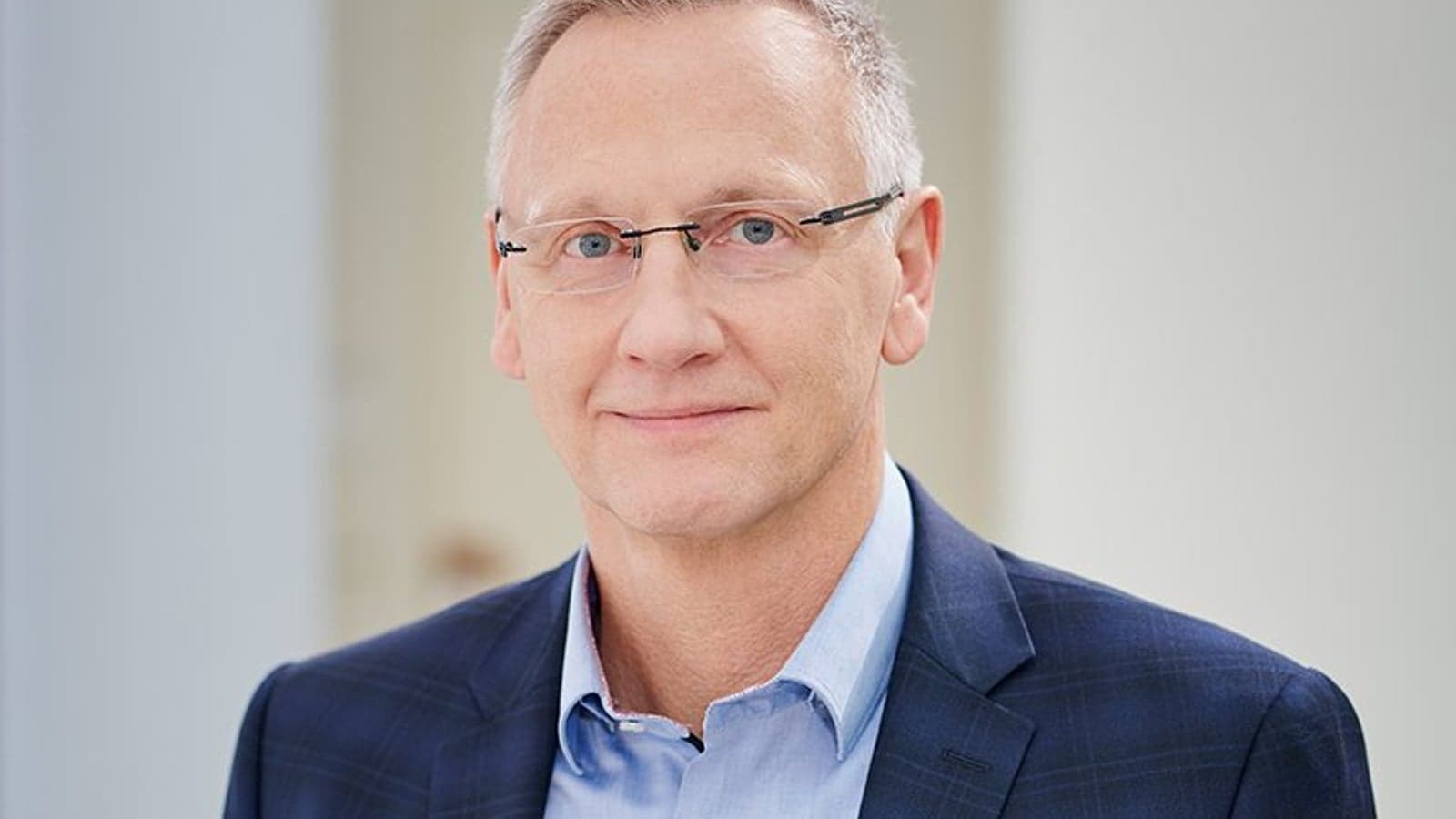
Sergio Lazzarotto of DLMS UA reveals how interoperability, digitalisation and data governance can power Europe’s next phase of energy and water transformation.

As Europe accelerates toward a resilient 2030 energy system, Sergio Lazzarotto, President and Executive Director of DLMS UA, explains how smart data standards, interoperable grids and digitalised water networks are laying the groundwork.
How does the European energy sector turn shared ambition into collaborative action?
The EU will need to go beyond fragmented national strategies and adopt integrated, harmonised frameworks at the European Union level if they are to turn ambition into collaborative action.
The Common European Energy Data Space (CEEDS) Initiative can serve as a guide in this regard. Unlike standalone national initiatives, Europe is collaboratively developing cross-border, scalable and interoperable data governance systems.
Sector coupling is another example of synergy. The future energy system is far more advanced than mere electricity: it integrates electricity, heat, and gas, where infrastructure must be planned in unison.
Public-private partnerships are also important. The energy transition is not the responsibility of a single player. If Europe brings together utilities, regulators, hardware builders and digital innovators, it will be able to deploy energy systems at scale and in a safe manner.
Most importantly, all of this relies on standardisation. The standards and frameworks such as DLMS/COSEM, IEC, and Common Information Model (CIM) are not only key technical facilitators: they are the pillars of long-term investment security, interoperability and cross-border integration. Over the years, DLMS UA has been at the forefront of this work.
What does Europe need to do to deliver competitive, resilient energy by 2030?
There are three key areas that need to be addressed if Europe is to achieve the goal of competitive and resilient energy by 2030.
- Expand renewables at speed and scale, while ensuring system stability and capacity solutions such as storage, demand-side flexibility, and backup generation;
- Invest in grid digitalisation: without smart, digital grids and strong cross-border infrastructure, renewables will not be able to deliver their full potential;
- Design markets that reward flexibility and resilience. Markets must encourage distributed energy resources (DERs), flexibility providers, and resilience services in the same way they have historically rewarded generation capacity.
Standardisation once again underpins all three. Interoperable data exchange enables flexibility markets, digital grids, and scalable DER integration. Without it, Europe risks building fragmented silos instead of resilient ecosystems.
It’s 2030: what does Europe’s energy mix look like?
By 2030, Europe’s energy mix will be predominantly renewable energy, with solar and wind as the key contributors, followed by hydro and bioenergy. Nuclear power will remain important in some member states.
The use of natural gas has declined and is partly replaced by biogas and green hydrogen, while the flexibility of the system will come increasingly from distributed storage, demand response, and digitalised smart appliances.
Is there another industry vertical that has vital lessons for the energy sector?
Yes, there are two other industries the energy sector can learn from. Firstly, the telecommunications industry. Roaming and interoperability standards enabled customers to use their phones across national borders. Energy markets need a similar approach for flexibility, so that devices and customers can easily participate across Europe.
Then there’s information technology. The development of open ecosystems, quick innovation cycles and strong cybersecurity has long been led by the IT sector. The energy transition can benefit from these ideas. New entrants won’t be shut out if modular, secure, and interoperable solutions that evolve quickly are supported.
DLMS UA has long drawn inspiration from these sectors, ensuring that energy and water digitalisation benefit from tried-and-tested models.
The EU will need to go beyond fragmented national strategies and adopt integrated, harmonised frameworks if they are to turn ambition into collaborative action.
What is the biggest workforce issue for the energy transition?
Across the industry, there’s broad agreement on the three main challenges ahead: reskilling the workforce so people are ready for the new jobs created by renewables and digitalisation; bringing in new talent, such as engineers and data scientists, to build the infrastructure and digital systems at scale; and keeping people engaged by creating workplaces that combine purpose with flexibility and digital tools.
Are the energy and water sectors making the most of AI?
Not yet. However, there are many promising pilots underway, but large-scale rollouts are still rare. That said, the potential of AI in both the water and energy sectors is clear and offers predictive maintenance to help critical infrastructure run smoothly, smarter load forecasting and demand optimisation, and faster and more accurate leakage detection in water networks.
The real hurdles aren’t the technology itself: they’re about trust, transparency, and governance.
If you had a magic wand, what is one thing you would implement today?
That’s an easy one. I’d create a fully-harmonised European flexibility market, where every device, from EV chargers to heat pumps, could seamlessly participate across borders.
At the centre of this would be universal interoperability standards for all edge devices, giving us the same kind of “plug-and-play” experience we take for granted in IT today. The benefits would be huge: lower bills for consumers, better visibility for grid operators, and easier integration of renewables.
How can digitalisation drive efficiency and sustainability in the water sector?
Digitalisation is changing how we manage water, particularly in areas where water shortages are a problem. It allows utilities to move to water-on-demand models, where pricing is more flexible and dynamic, as an alternative to merely enforcing restrictions.
Smart meters and sensors provide accurate and real-time data on pressure, quality, temperature, and even air in pipes. This data supports the development of smart water networks that enable faster, data-driven decision-making and the result is better optimisation of operations, improved asset management, and more effective maintenance.
Ultimately, this helps reduce non-revenue water, an issue for countries across the globe. By billing the actual volume of water supplied, utilities can become more sustainable while ensuring resources are used responsibly.
The future energy system is far more advanced than mere electricity: it integrates electricity, heat, and gas, where infrastructure must be planned in unison.
How are your industry experts going to address these challenges at Enlit Europe in Bilbao?
We’re excited to be part of Enlit Europe again this year. In Bilbao, our focus will be on sharing concrete roadmaps for standardisation that will help Europe accelerate interoperability and security.
We’ll showcase both current and upcoming Generic Companion Profiles covering electricity, water, gas smart metering, but also Dedicated Metering Devices, Remote Displays and edge applications. On top of that, we’ll be highlighting our latest initiatives on distributed flexibility initiatives.
Join DLMS and other industry leaders to discover the latest technologies, and network with utilities, solution providers, planners and policymakers driving smarter, more sustainable water systems.
What lessons can the energy and water sectors share on digitalisation?
Three lessons stand out. Number one: data standardisation is essential. Without shared standards, digital solutions can’t be scaled effectively. Two: make cybersecurity part of the foundation. It’s not something you can add on later – security needs to be built in from day one. And thirdly: engage customers and be transparent. Trust is essential, whether it’s around billing, demand response, or sustainability efforts.
How can data shape a more resilient water future?
Data is at the heart of building a water system that’s smarter and more resilient. Through smart meters and sensors, utilities can obtain accurate and real-time data on water flow, pressure and quality. This allows for proactive maintenance, helping reduce water leakages and the premature ageing of critical infrastructure.
Beyond operations, data also makes dynamic pricing possible, helping balance supply and demand. It further enables cross-sector planning, facilitating the management of water and electricity supply for residential, industrial, and agricultural use to maximise efficiency.
At the heart of all of this is interoperability standards. Without common data models, these systems remain fragmented, making scalability and resilience impossible.
How can DLMS UA contribute to all this?
DLMS UA plays a unique and fundamental role in driving the energy and water transition.
- We standardise energy and water data models used for edge-to-cloud exchange, making interoperability possible;
- We provide state-of-the-art cybersecurity solutions that have been proven at scale in millions of deployed devices;
- Our standards shorten time-to-market for manufacturers, giving them more time to focus on real innovation;
- We create global standards with regional flexibility, ensuring local needs are met;
- We ensure backward compatibility, protecting long-term investments in infrastructure built to last for decades.
DLMS UA is not only a technical enabler but also a strategic partner in the global energy transition. We link ambition and action, innovation and stability, local diversity and global interoperability.
Driving Water Digitalisation with the New DLMS WSM GCP
DLMS proudly launches the Water Smart Generic Companion Profile (WSM GCP)—the first-ever standardised data model for water meter data exchange. Set for IEC adoption, it ensures secure, interoperable, and reliable communication across devices and manufacturers, accelerating global water digitalisation.
Related tags
Most popular
Join the community for freeAnd get access to all content