A promising future for perovskite solar cells
Guest/partner contributor
Posted on: 21 November 2023
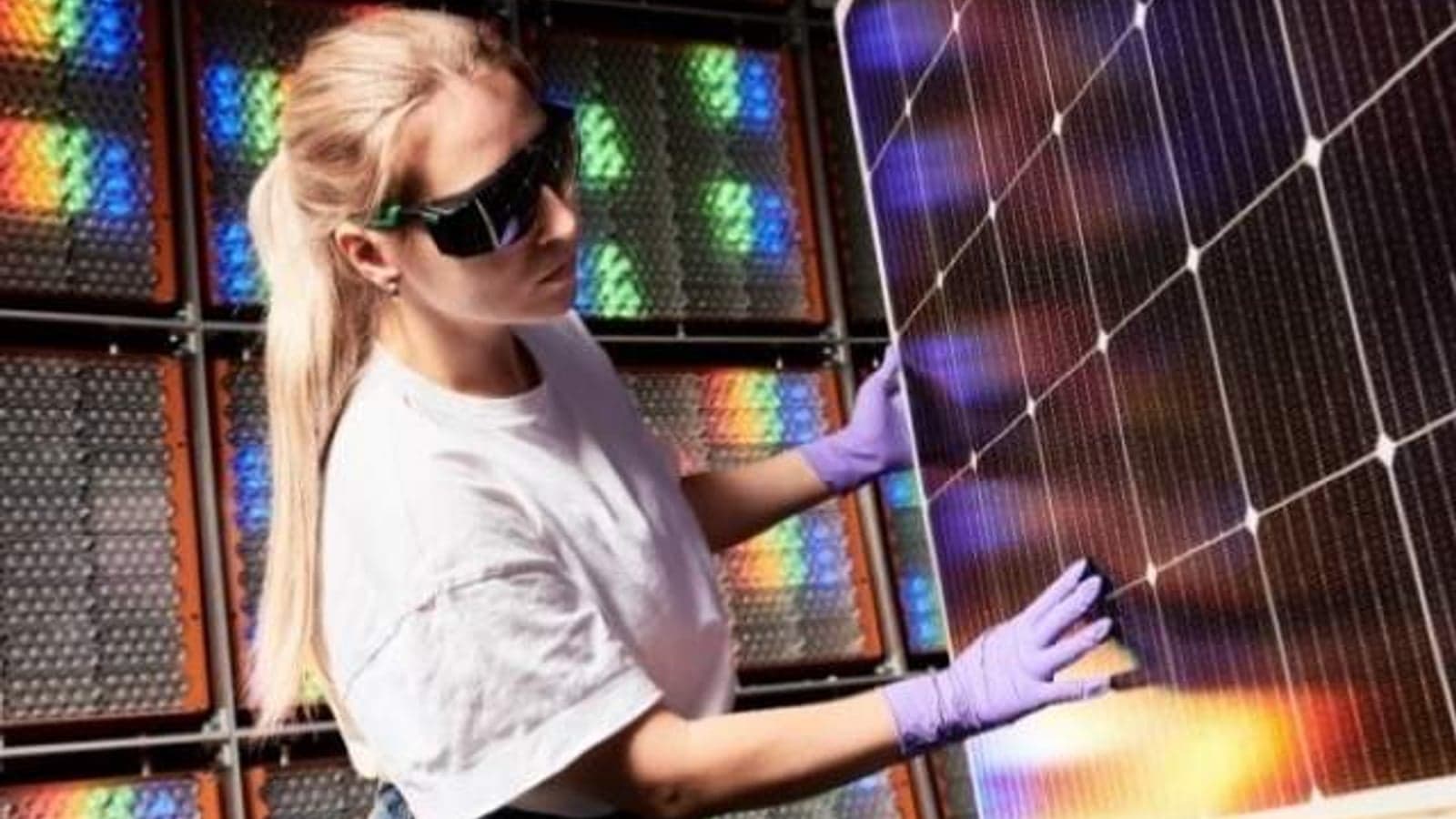
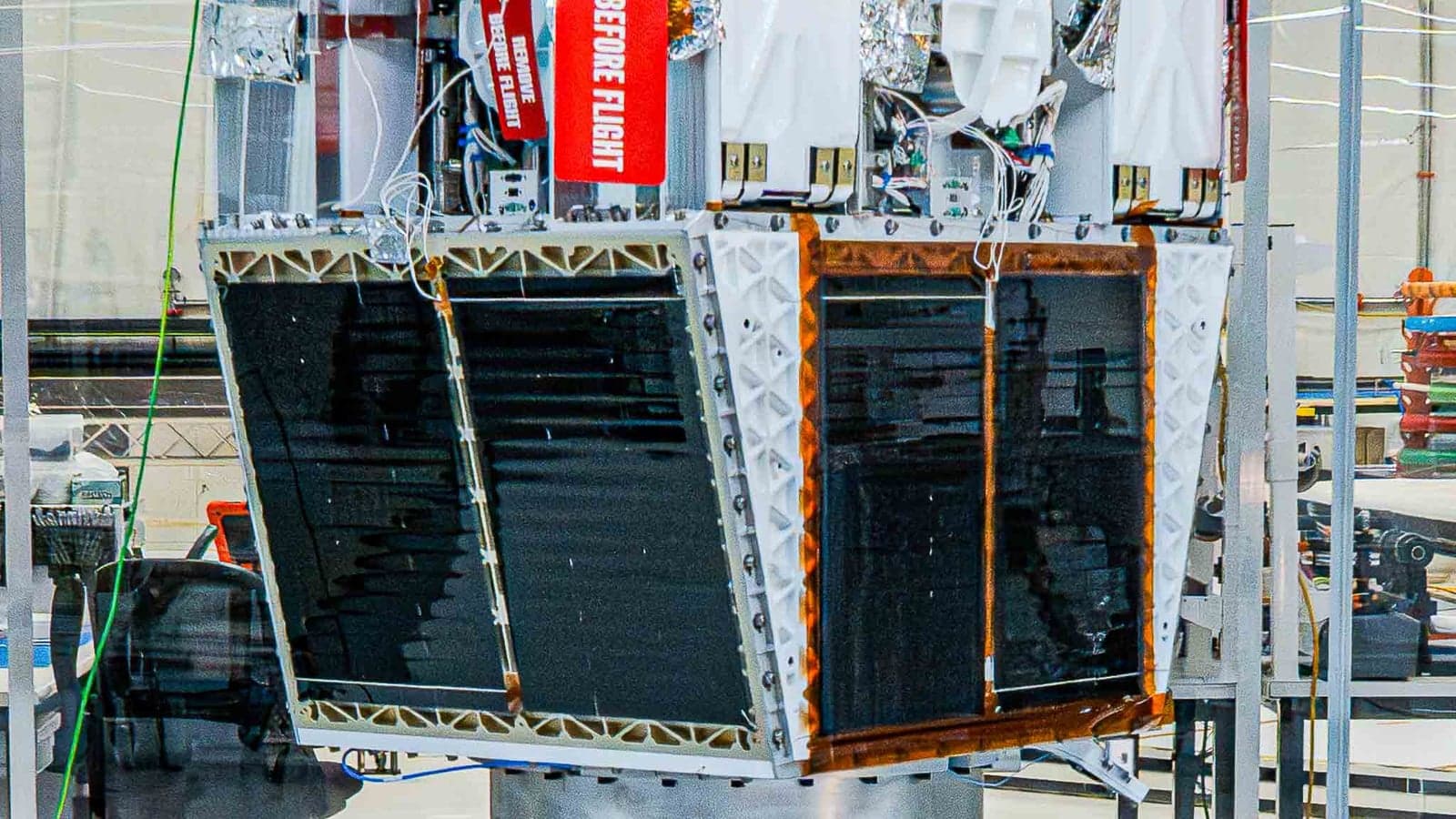
Perovskite solar cells are revolutionising the photovoltaics domain| promising to usher in an era of high-performance solar power.
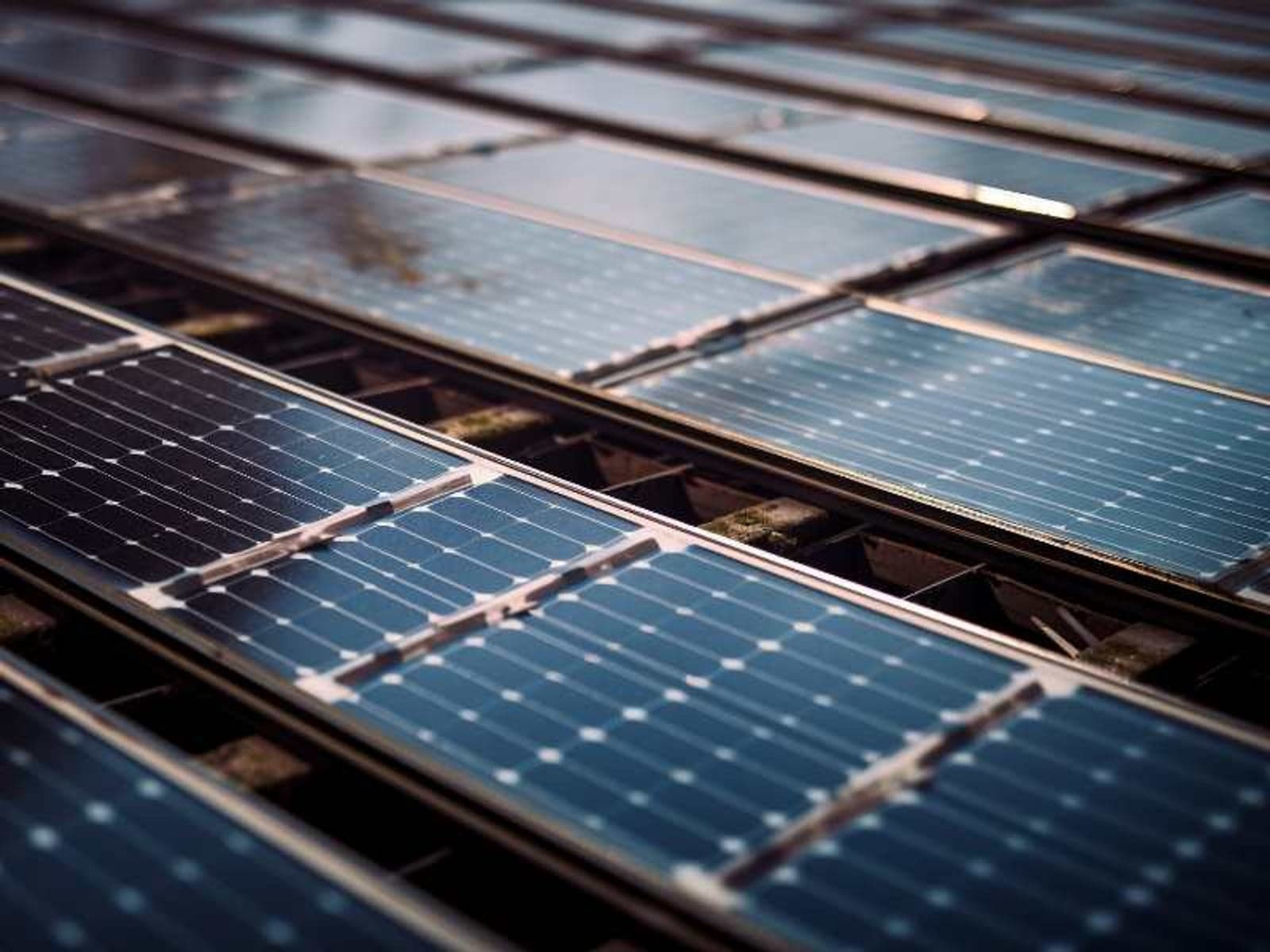
Perovskite solar cells have shown remarkable progress in recent years, with rapid increases in efficiency, from reports of about 3% in 2009 to over 25% today.
Early perovskite solar cells achieved efficiencies of around 3-4%, but the latest advancements have pushed the efficiency to over 25%, closing the gap with traditional silicon-based solar cells. This rapid progress has captured the attention of the scientific community and industry players alike, paving the way for commercialisation and widespread adoption.
Researchers have developed various techniques to enhance the stability and durability of perovskite solar cells to overcome the inherent instability of perovskite materials. One approach involves the introduction of additives or encapsulation layers to protect the perovskite layer from moisture and oxygen, which combine different types of solar cells to maximise the utilisation of the solar spectrum.
Another strategy focuses on engineering the composition and structure of the perovskite material itself, aiming to improve its stability under different environmental conditions. These advancements in stability are crucial for the long-term viability and reliability of perovskite solar cells.
By stacking multiple layers with varying bandgaps, tandem solar cells can achieve higher efficiencies than single-junction cells. This approach holds great promise for pushing the efficiency limits of perovskite solar cells even further.
Have you read?
Oxford PV’s perovskite solar technology to power Dutch race car
China to dominate global solar manufacturing to 2026 says Wood Mackenzie
Challenges and limitations of perovskite solar cells
Despite their tremendous potential, perovskite solar cells still face several challenges and limitations that must be addressed for commercialisation and widespread adoption.
One of the major challenges is the stability of perovskite materials. Perovskites are prone to degradation when exposed to moisture, oxygen, and heat, which can significantly reduce the lifespan and performance of solar cells. Extensive research is being conducted to improve the stability and durability of perovskite materials, aiming to make them more viable for real-world applications.
Another challenge is the scalability and reproducibility of perovskite solar cell manufacturing. While perovskite solar cells can be produced using low-cost techniques, such as solution processing or printing methods, reliable and scalable fabrication processes still need to be developed to ensure consistent performance and quality control.
Solar cell efficiency and performance
Perovskites have made remarkable progress in power conversion efficiency, reaching levels that rival or surpass traditional solar cell technologies. The high efficiency of perovskite solar cells can be attributed to their unique optoelectronic properties, such as high light absorption and efficient charge carrier transport. These properties allow these cells to efficiently convert a broad range of sunlight wavelengths into electricity.
However, it is essential to note that the efficiency of perovskites is still an area of active research and optimisation. While lab-scale efficiencies have reached record levels, there is a need for further improvements to enhance the stability and performance under real-world operating conditions.
Environmental factors, temperature, and humidity can affect the efficiency and reliability of perovskites, highlighting the importance of ongoing research and development efforts.
Varied applications
The versatility and flexibility of perovskites enable a wide range of applications beyond traditional solar panels. Their lightweight and flexible nature makes them ideal for integrating various surfaces and objects.
Perovskite solar cells can be seamlessly integrated into building materials, such as windows, facades, and roofs, enabling buildings to generate electricity while maintaining their aesthetic appeal. Integrating solar cells into the built environment can reduce reliance on conventional energy sources and promote sustainable urban development.
Another promising application is in portable and wearable devices. Their lightweight and flexible nature makes them suitable for powering small electronic devices, such as smartphones, smartwatches, and fitness trackers. By harnessing solar energy, these devices can operate independently and reduce the need for frequent charging or battery replacements, enhancing convenience and sustainability.
Beyond buildings and portable devices, perovskite solar cells can also find applications in transportation. Integrating solar cells into vehicles, such as cars, buses, or drones, can provide a supplementary power source, reducing the reliance on fossil fuels and extending the range of electric vehicles.
This integration can help address the challenges of limited battery capacity and the need for frequent charging infrastructure, making electric transportation more accessible and practical.
Comparison between perovskites and other renewable energy sources
When comparing perovskites to other renewable energy sources, such as wind or hydroelectric power, several factors come into play. One of the key advantages is their high absorbent of sunlight to generate electricity, which is abundant and widely available.
Unlike wind or hydroelectric power, solar energy is not location-dependent, making it more accessible and versatile. Additionally, perovskites have a smaller environmental footprint than other renewable energy sources, as they do not require large-scale infrastructure or disrupt ecosystems.
In terms of efficiency, perovskite solar cells have the potential to surpass other renewable energy sources. With ongoing research and development efforts, the efficiency of perovskites continues to improve, making them a promising alternative to traditional energy sources. Energy storage and grid integration solutions are required to ensure a reliable and consistent energy supply from solar sources.
Though silicon-based solar panels have dominated the photovoltaic industry for years, they have some limitations. Silicon requires high purity and a lack of structural defects, which increases production costs. The upper limit of efficiency for silicon has hovered at around 29%.
Future prospects and potential
The future prospects of perovskite solar cells are promising. Their efficiency will continue to increase, potentially surpassing the performance of traditional solar cell technologies. This would make perovskites a highly attractive option for renewable energy generation, contributing significantly to the global transition towards clean and sustainable energy sources.
Oxford PV, a pioneer in the industry, has been working on improving the efficiency and stability of these cells. Their efforts are setting a new standard in the industry and paving the way for a more sustainable future. Furthermore, the exploration of lead-free and environmentally friendly perovskite materials will ensure the sustainability and acceptance of perovskite solar cells.
The potential applications of perovskites are vast and diverse. These cells can revolutionise various industries and contribute to a more sustainable future, from buildings to portable devices to transportation.
However, the commercialisation and availability of perovskites are essential for their widespread adoption and integration into the renewable energy market. The global market potential is substantial. As the technology matures, we can expect a significant increase in adopting these solar cells across different sectors.
Also of interest
Solar boss worries about depth of renewable energy talent pool
Moreover, establishing a robust supply chain and manufacturing infrastructure is crucial for the mass production and commercialising of perovskites. Collaboration between academia, industry, and government entities is necessary to develop reliable and scalable manufacturing processes, secure raw materials, and establish quality control standards. This collaborative approach will help reduce costs, improve efficiency, and accelerate the commercialisation of these solar cells.
As technology progresses and matures, it is expected that the availability of perovskite solar cells will increase, making them more accessible to consumers and businesses. The scalability and cost-effectiveness of manufacturing methods will enable large-scale production, driving down costs and making solar energy more competitive with conventional energy sources.
Perovskites have the potential to revolutionise the renewable energy landscape, offering a clean, efficient, and cost-effective solution to our global energy needs. With their high efficiency, lightweight and flexible nature, and low-cost manufacturing methods, perovskite solar cells are poised to become a game-changer in the solar energy industry.
While challenges and limitations still exist, ongoing research and development efforts are addressing these issues, aiming to improve stability, scalability, and reliability.
As the demand for sustainable energy solutions continues to grow, perovskite solar cells are set to play a vital role in meeting our global energy needs. Harnessing the sun's power has never been more promising, thanks to this exciting and groundbreaking innovation.
About the author

Inemesit Ukpanah is a content writer for GreenMatch.