Aberdeen Hydrogen Hub – bp named development partner
Jonathan Spencer Jones
Posted on: 9 February 2022
bp has been appointed as the joint venture party with the Aberdeen City Council to deliver the city’s green hydrogen production, storage and distribution facility.
bp has been appointed as the joint venture party with the Aberdeen City Council to deliver the city’s green hydrogen production, storage and distribution facility.
The Aberdeen Hydrogen Hub is intended as a central point for a growing hydrogen electrolyser capacity powered initially from solar and over time other renewable resources such as the growing offshore wind capacity.
The concept has been in the making since as far back as 2015 and the city’s first hydrogen strategy and action plan and the introduction of several hydrogen related initiatives, including the piloting of various hydrogen powered vehicle types, in the subsequent years.
A 2020 study by consultants Element Energy investigating the business case for the Hydrogen Hub found that hydrogen demand from buses, cars, vans and municipal vehicles would be the highest value market and the major driver of growth, particularly from the mid-2020s on and potentially reaching 3.5t/day by 2030.
Have you seen?
Policy tipping point for green hydrogen predicted in 2022
Hydrogen’s Role in the EU Climate-Neutral 2050 Goal
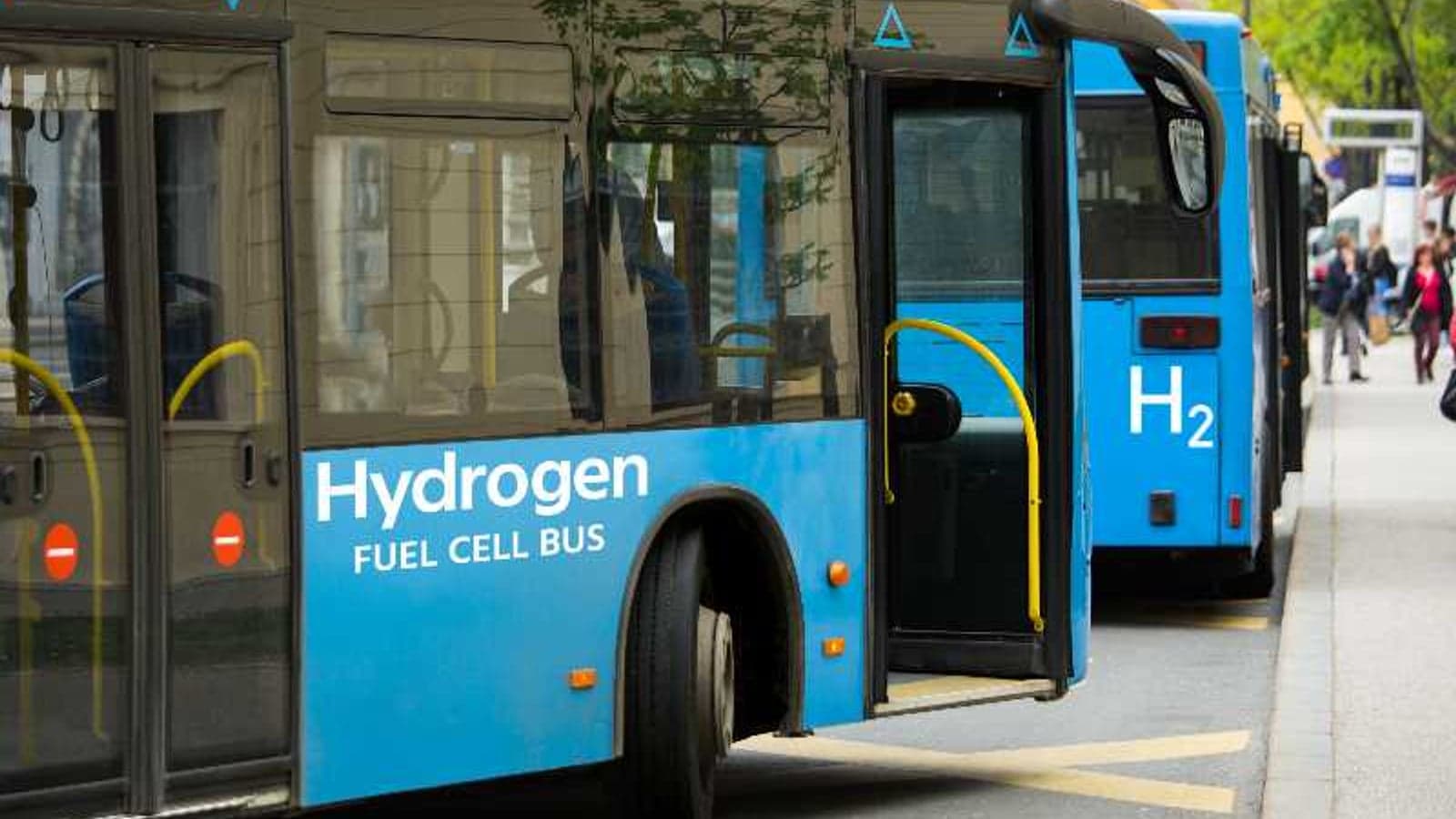
Within this, buses would be the major user with a total deployment of 145 buses projected on Aberdeen’s roads along with about 800 cars and 70 HGVs in and around the area.
“We’re proud that hydrogen is already here in Aberdeen and this significant commercial partnership with bp is set to support our ambitions,” says Councillor Ryan Houghton, City growth and resources convener.
“We plan to create a blueprint which can be replicated around the world by cities and regions looking to meet net zero. Aberdeen’s position as a leader in the energy industry requires ongoing investment and partnership and the Hydrogen Hub is a fantastic example.”
The Elements Energy study found that along with the collation of hydrogen demand across fleets and increasing production and supply of green hydrogen as well as supply chain coordination and training, the price of hydrogen would be lowered and its use catalysed by other sectors looking to decarbonise, such as heating and industry.
Phased development
A three phase development approach was proposed to respond to the growing demands for hydrogen.
Phase 1 would comprise initial production for public sector consumption including the provision of the supply of hydrogen on a commercial basis to the market to support both existing and proposed transport projects.
Phase 2 expansion in the short to medium term would connect to larger volume utilisation of hydrogen, in particular for heavy vehicles, rail and marine use.
Phase 3 in the longer term would see an expansion of the local supply chain and delivery of hydrogen for use in heating and for export.
bp has been working with the City as a commercial partner, advising on the delivery of its energy transition infrastructure plan.
The Aberdeen Hydrogen Hub announcement comes just days after bp and partner energy company EnBW were named among successful bidders in the ScotWind offshore wind bid with a lease option on the 2.9GW Morven project, approximately 60km off the coast from Aberdeen.
“bp is committed to providing integrated energy solutions to help cities and corporations decarbonise and this Hydrogen Hub proposal can help do just that,” says Louise Kingham, UK head of country and senior vice president for Europe.
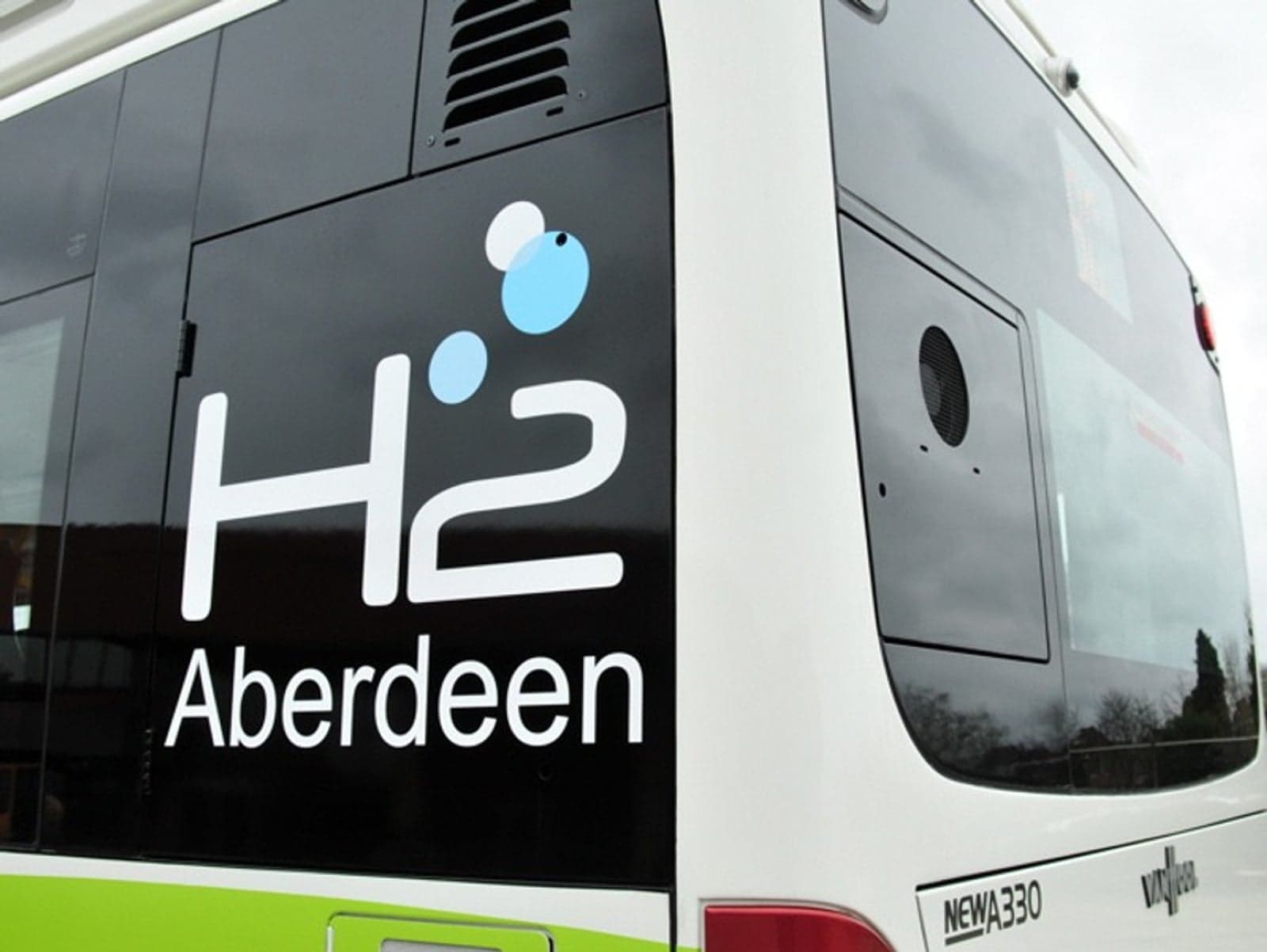
According to the city of Aberdeen, more than two million passengers have travelled on the city’s hydrogen buses with CO2 savings to date in excess of 100t over the last six years. Currently 15 fuel cell buses are running in Aberdeen, with more set to be ordered.