Partner contentProjects
Biodiversity Credits: A tech-based framework for biodiversity monitoring
Guest/partner contributor
Posted on: 22 November 2024
The Biodiversity Credits project, funded by the EIC Accelerator under Horizon Europe, aims to measure and regenerate terrestrial biodiversity using bees as bio-indicators.
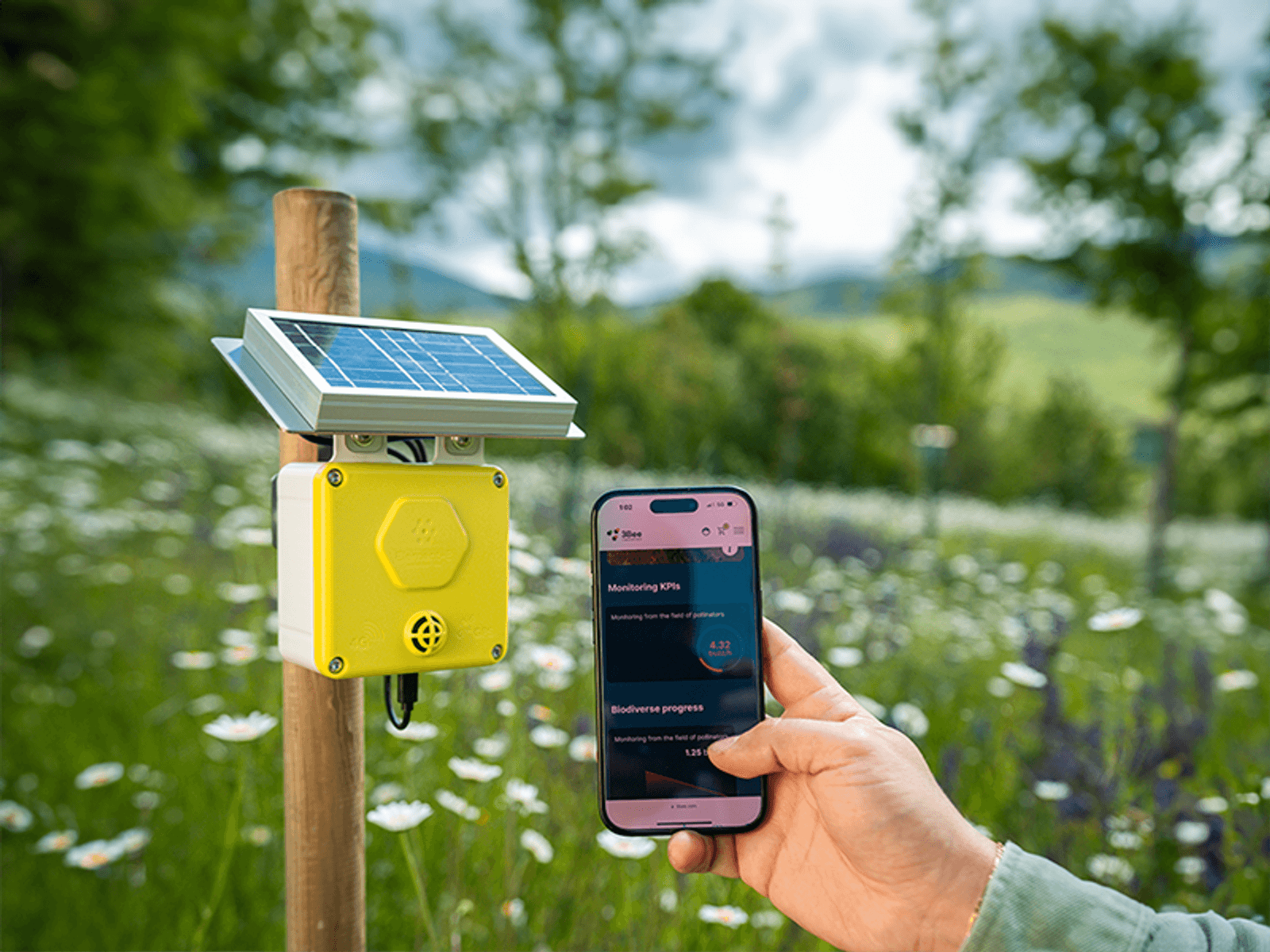
The Biodiversity Credits project, funded by the EIC Accelerator under Horizon Europe, aims to measure and regenerate terrestrial biodiversity using bees as bio-indicators.
Leveraging advanced technologies such as IoT sensors, satellite monitoring, and AI, the project establishes a scientific framework for biodiversity measurement, certification, and credit generation. These biodiversity credits can enhance corporate ESG reporting, improve supply chain transparency, and support sustainable brand positioning.
Key technologies include HIVE-TECH, which monitors honeybee colony health through IoT sensors, SPECTRUM, a real-time sound-based sensor for tracking pollinators and insects, and FLORA, a satellite data platform analyzing flora density and flowering intensity.

These technologies work together to generate a comprehensive biodiversity assessment and provide data for corporate sustainability initiatives. The project introduces “Element-E,” a protocol following ISO standards, designed to certify biodiversity improvements rigorously.
This protocol integrates data from IoT sensors, satellite imagery, and AI algorithms to ensure reliable, measurable, and verifiable biodiversity improvements.
The certified biodiversity credits generated through this system can be used by companies to improve transparency in their supply chains, enhance ESG reporting, and support their sustainable positioning in the marketplace.
Find out more about:
EU-funded energy projects
EU energy policy & regulations
Renewable energy
The project’s methodological approach involves collecting environmental data through remote IoT sensors and satellite imagery, processed by AI to generate a Biodiversity Index. This index helps identify areas requiring biodiversity regeneration and guides targeted conservation efforts.
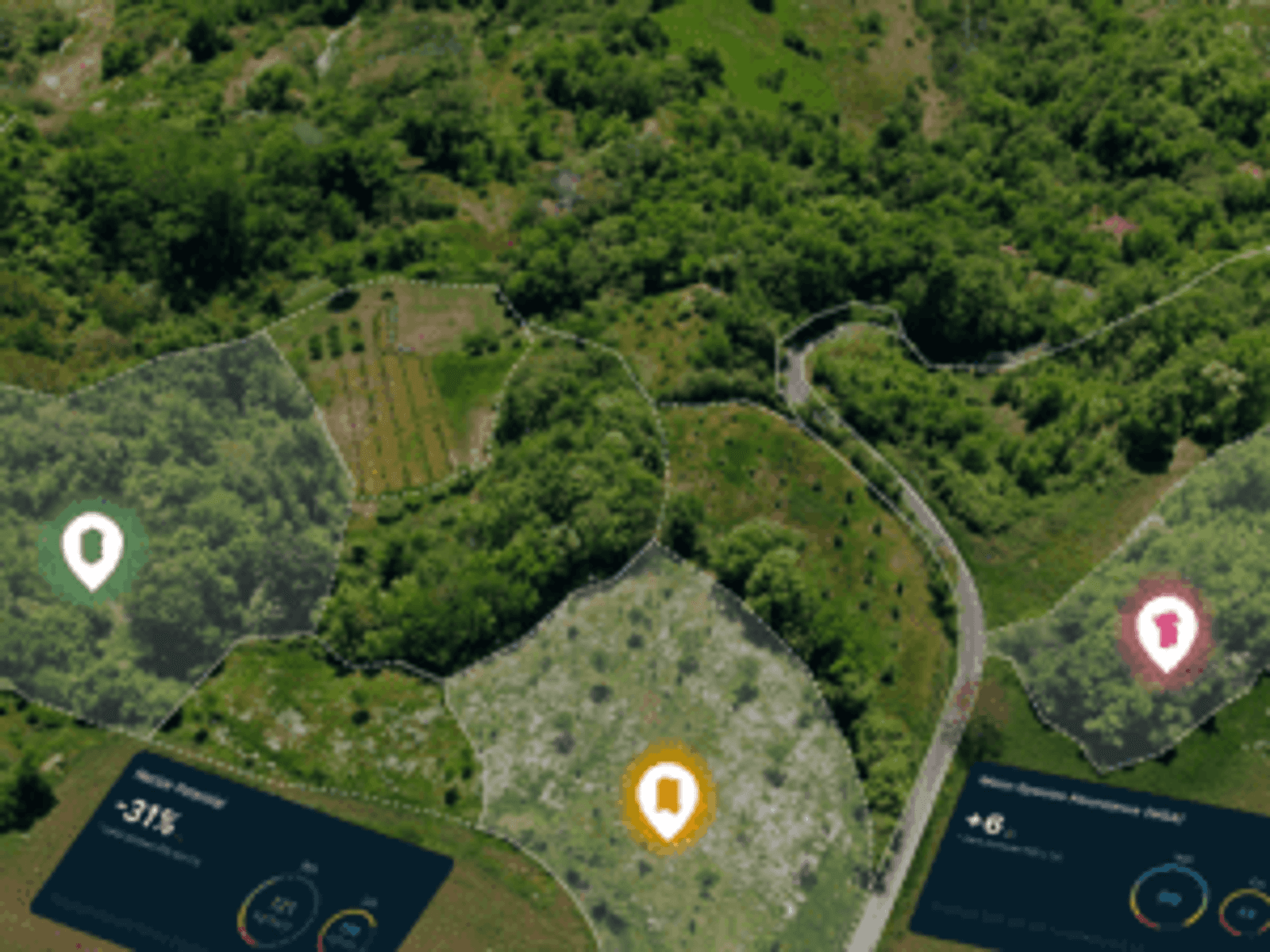
Continuous data collection and field tests ensure the methodology’s scalability and accuracy, providing a robust framework for biodiversity enhancement. Expected outcomes include the creation of a scalable, scientifically validated system for biodiversity measurement and the development of biodiversity credits.
These credits will create a new market for biodiversity offsetting, supporting companies in improving their ESG ratings and enhancing supply chain transparency.
Additionally, the project aims to foster collaboration among governments, NGOs, and the private sector to address biodiversity loss on a global scale.
The project addresses key challenges, such as the lack of scalable methods for biodiversity monitoring and the need for reliable certification of biodiversity improvements.
By integrating biodiversity considerations into corporate ESG frameworks, it promotes widespread adoption of conservation practices. Economically, the project creates incentives for biodiversity conservation through credits, benefiting both companies and ecosystems.
Through targeted regeneration projects, it aims to reverse biodiversity loss while fostering global collaboration to create long-lasting positive impacts on ecosystems, economies, and communities worldwide.