Blockchain energy consumption should be transparent in Europe - a call
Jonathan Spencer Jones
Posted on: 6 October 2021
The energy consumption and efficiency of the underlying technology should be considered when developing a blockchain infrastructure, a EU Blockchain Observatory and Forum report recommends.

The energy consumption and efficiency of the underlying technology should be considered when developing a blockchain infrastructure, a EU Blockchain Observatory and Forum report recommends.
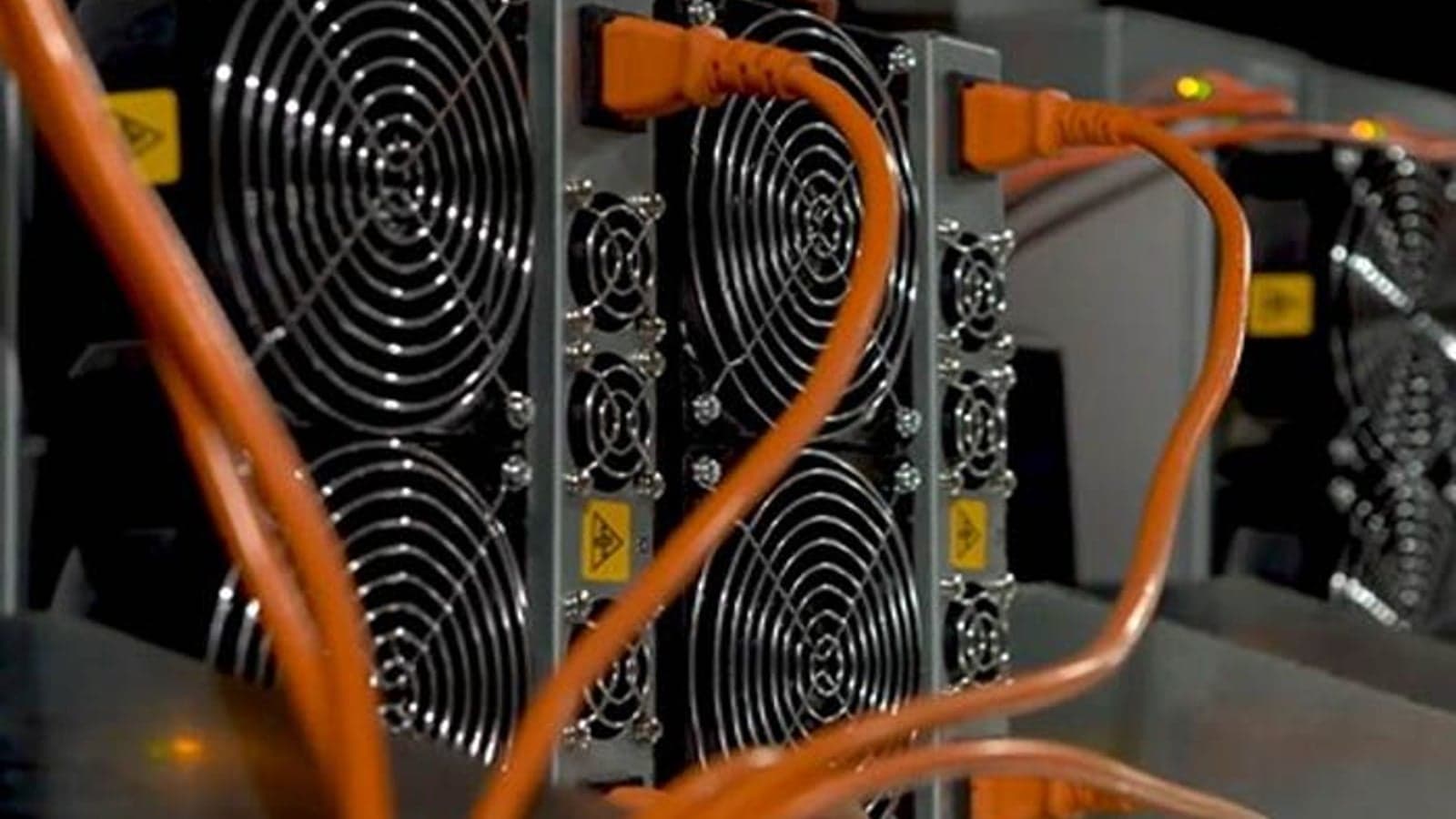
As the use of blockchain is growing across the various sectors of the economy - including the energy sector - debate continues around the energy consumption of the different technologies and particularly the headline grabbing high energy consumption of Bitcoin. Bitcoin's energy consumption results from the extensive computational power required for mining, which derives from its proof-of-work (PoW) consensus. Other consensus mechanisms such as the popular proof-of-stake are much less energy intensive, although a recent investigation has found that even among these the consumption can vary by several orders of magnitude. While the consensus mechanism has been considered as the main indicator of the energy consumption, a new report from the European blockchain monitoring body the EU Blockchain Observatory and Forum suggests that two other components should be considered - the redundant computation and storage associated with the blockchain's operations and the idle energy consumption of each node on the network. In the case of PoW blockchains, the consensus mechanism bears the lion's share of the responsibility for the energy consumption. However, for non-PoW blockchains, the nodes' idle consumption and redundant processing of transactions represent the main share of energy consumption, with both influenced by the number of nodes. The report also suggests that contrary to common opinion, the energy consumption of PoW blockchains does not grow significantly when the number of transactions or the complexity of operations increases. Thus, in the case of Bitcoin, the biggest threat of increasing energy consumption is a further considerable increase in its price, an increase in transaction fees or a decrease in electricity prices.