Call for offshore wind sector to digitalise to prevent project delays
Power Engineering International
Posted on: 19 June 2024
A new whitepaper has been released by Shoreline Wind calling for the offshore wind sector to embrace new digital tools to minimise construction delays and project risks.
A new whitepaper has been released by Shoreline Wind calling for the offshore wind sector to embrace new digital tools to minimise construction delays and project risks.
The whitepaper, How developers can reduce construction delays at offshore wind farms, highlights the various causes for construction delays in offshore wind, including supply chain challenges, inclement weather and vessel availability, as well as the financial losses that follow. The report also calls for a more modern approach to avoiding delays.
The Global Wind Energy Council (GWEC) predicts that supply chain bottlenecks will delay work on offshore wind farms “in every region of the world except China” from the mid-2020s.
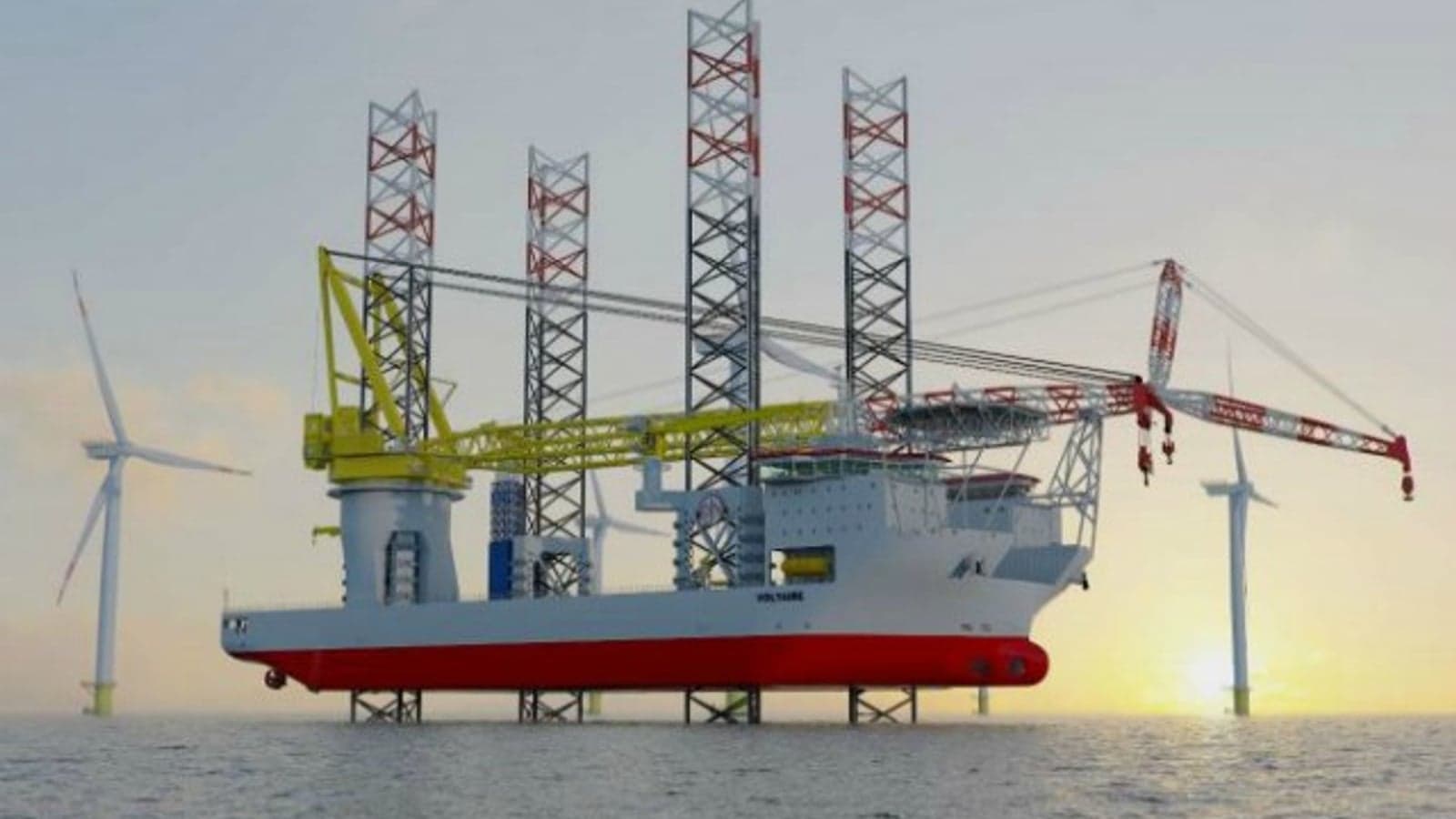
Recent high-profile delays include the SSE Renewables' Dogger Bank A project, originally scheduled for 2024, being postponed by a year due to adverse weather, vessel shortages and supply chain problems.
Similarly, a shortage of installation vessels forced Ørsted to cancel two of its offshore wind farms off New Jersey in November 2023. Poor weather conditions postponed the commissioning of Japan’s first commercial-scale offshore wind farm in 2022, and defective components delayed start-up of the country’s first floating wind farm in 2023.
Have you read?
Generative AI has ‘turbocharged the power of the human’ says Octopus Energy founder Greg Jackson
Iberdrola seeks startups to inspect and digitise wind farms
In the paper, Simon Rasmus Jacobsen, senior consultant at Heron Energy, says: “Many companies still rely on simple word processing documents or spreadsheets to plan and communicate about projects. Some developers have tried to avoid these problems by building their own in-house software systems, but these can make it hard to respond to delays as they are more focused on reporting about progress than planning for changes.”
New technologies like floating foundations, larger and more complex turbines, port infrastructure constraints, skills shortages and escalating equipment and construction costs are adding additional layers of complexity and uncertainty.
A reliance on insufficient systems creates tension in a maturing industry that desperately requires the use of more advanced solutions with the ability to connect, clarify and solve complex issues.
The whitepaper urges the industry to abandon its historic reliance on antiquated and disjointed project management and planning systems. Instead, it advocates for the adoption of comprehensive cloud-based platforms designed specifically for the industry, which allow developers to quickly produce digital simulations of their construction projects, incorporating new parameters within minutes instead of days or weeks. This agility enables developers to swiftly adapt to the changing circumstances that typically delay construction projects.
Outdated tools lack essential features, including historical weather data, ongoing project review during construction, the ability to refine project designs in real-time, to see and mitigate the knock-on effect of delays on the rest of a project and collaborative decision-making tools for optimising outcomes.
New digital solutions and simulation techniques have enhanced visibility, integration and functionality to increase the likelihood that projects are completed on time and within budget, strengthening the sector's chances of long-term success and prosperity. The industry needs to wake up to the need to use simulation technology throughout a wind farm lifecycle.
Also of interest
Site visit: Europe’s biggest offshore wind port
Michael Bjerrum, chief commercial officer and co-founder at Shoreline Wind, commented: “Simulations were initially used in early design, but are highly valuable right up to commissioning.
“Developers constantly see different delays during construction. They might see bad weather, maybe half of their jacket structures are late, and then perhaps a key installation vessel arrives later than planned, too. Using a simulation solution throughout construction enables companies to constantly update the live schedules of projects. These are complex projects with so many moving parts, so it’s helpful to have a live progress overview.
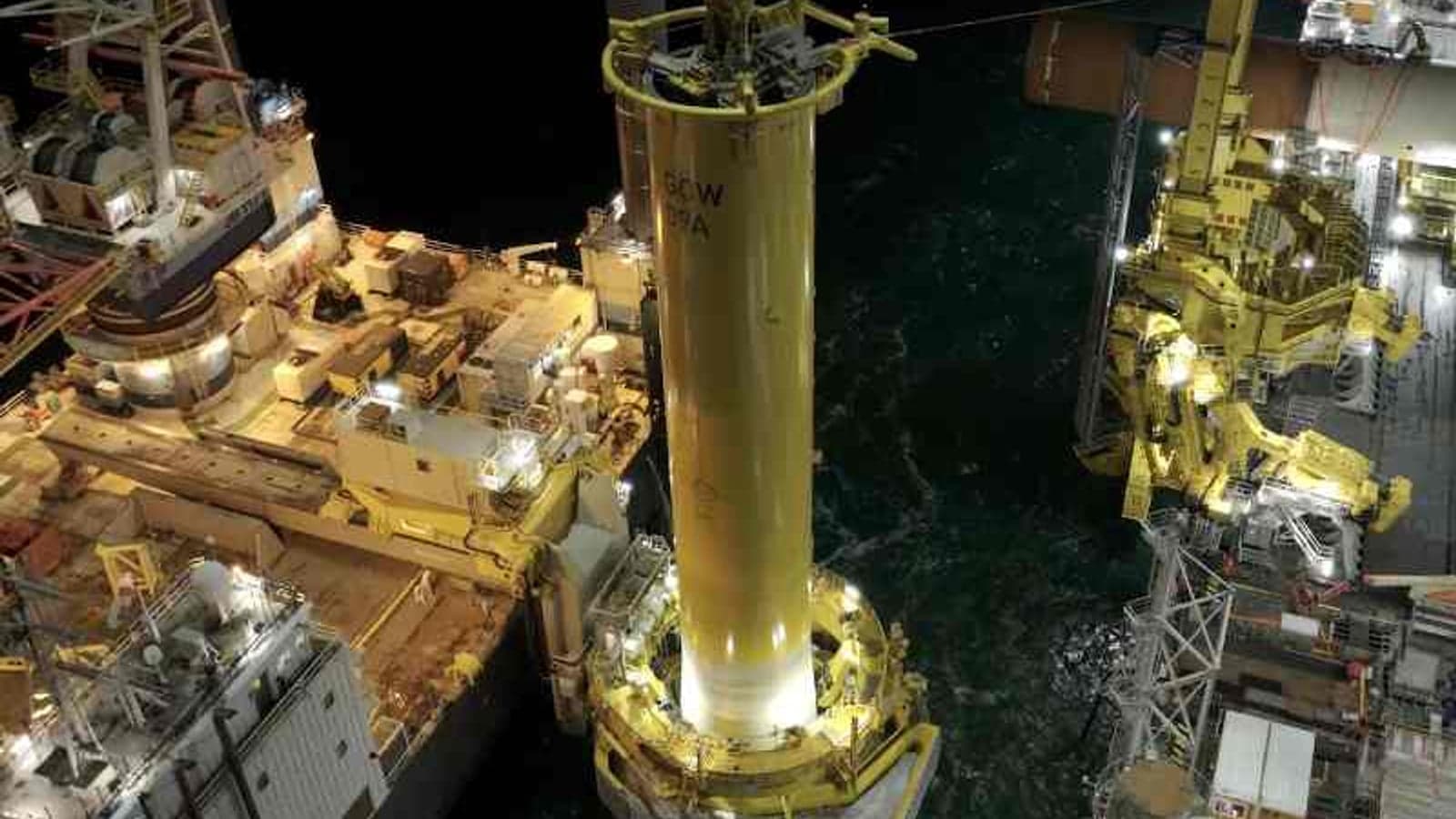
“You might have two turbine installation vessels working in parallel with vessels doing piling and maybe one or two doing jackets. It’s a complex environment out there to have these simultaneous operations, and so it is important to constantly optimise because reducing construction costs can save you a lot of money,” he concluded.
The whitepaper calls on the offshore wind industry to embrace new digital tools. By leveraging advanced project management systems designed specifically for the sector, developers and contractors can improve collaboration, foresee and mitigate delays, and ultimately deliver projects as quickly and efficiently as possible.