Call for space weather current monitors on UK grid
Jonathan Spencer Jones
Posted on: 27 July 2026
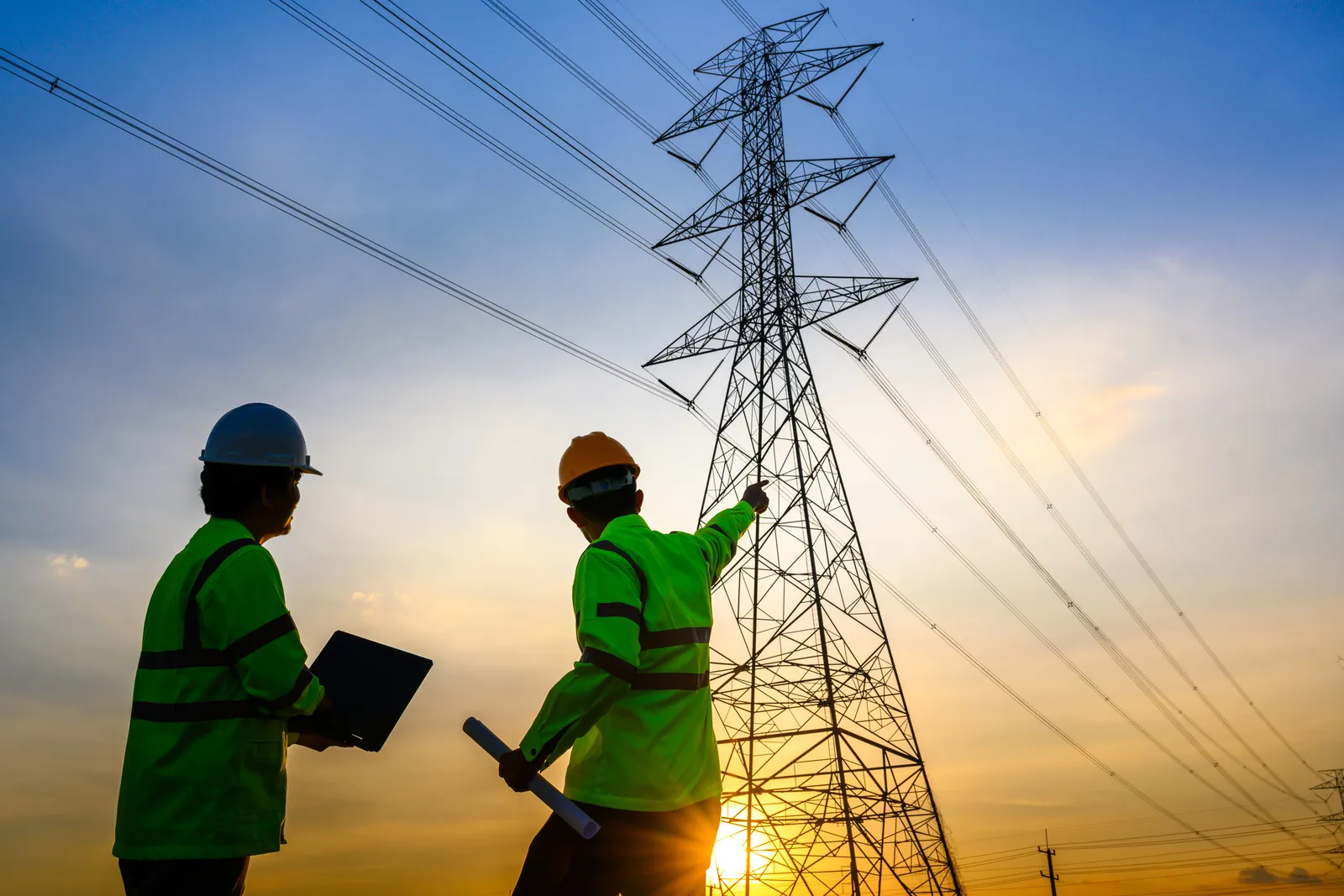
British scientists have called for better forecasting and monitoring on Britain's electricity grid to prepare for extreme space weather.

The call comes in the wake of a solar storm in May 2024, which reached the level of G5 – the highest – on the US National Oceanic and Atmospheric Administration's (NOAA) geomagnetic storm scale.
While that specific storm caused relatively minor disruption in the UK, it has proved to be an important test of the country’s preparedness to more severe events, says Professor Richard Horne, Science Leader at the British Antarctic Survey and honorary professor at the University of Sheffield, who led the research.
"The Northern Lights were the most visible sign of the May 2024 storm, but they were only one part of a much broader space weather event that tested the UK's critical infrastructure,” said Horne at a meeting of the Royal Astronomical Society.
“The storm highlighted where we need better monitoring, better forecasting and more research so we're prepared for a more severe event in the future."
Also of interest
Detecting space weather for the power grid
Horizon Networks’ uses AI to boost climate grid resilience
The strength of the storm, the largest for over 20 years and estimated as an around one-in-13-year event, came from the combined effects of five successive coronal mass ejections – when magnetised plasma is released from the Sun's corona – striking Earth one after the other over the course of two days.
The large group of sunspots that constituted the active region are estimated to have been similar in size to the sunspot region that led to the 1859 Carrington event, the most intense recorded historically.
However, the fastest coronal mass ejection in May 2024 was associated with a smaller flare and travelled at half the speed of that in the Carrington event and thus was not so powerful. Nevertheless improved forecasting and preparedness is necessary for more extreme space weather from a Carrington level one-in-100-year event.
Space weather can have numerous impacts including on satellite operation and aviation.
Geomagnetic currents
The main impact on the power grid comes from geomagnetically induced currents which flow through the power transmission network during geomagnetic storms. If these become large, typically >50A per phase or moderately large and continue for a sustained period, they can affect the operational stability of the electricity supply and cause damage to transformers on the grid.
Analysis of the 2024 event presented in the Royal Society Open Science journal indicates that the maximum geomagnetically induced current was around 68A and occurred at a primary substation at Landulph, Cornwall.
At five substations the geomagnetically induced currents were 50A or more, these in coastal areas of Wales, Cornwall and East Anglia, and also there were long sustained periods of high geomagnetically induced currents of more than 15A at several substations.
While these values did not cause grid instability or a regional power outage, work has yet to be done to establish what level of geomagnetically induced currents would cause an outage, the scientists say.
To this end they recommend that the National Energy System Operator (NESO), electricity network operators and generators should work together to determine the level and duration of geomagnetically induced currents which should not be exceeded for each transformer type on the GB grid.
Such information can then be used to optimise mitigation plans and reduce geomagnetically induced currents to regions most at risk in order to ensure an uninterrupted supply of electricity.
To achieve this, a network of instruments to measure geomagnetically induced currents should be installed at transformers in the regions that are most at risk. Approximately 80-100 such monitors are recommended, based on the experience in New Zealand, which is at a similar geomagnetic latitude and has successfully used them in mitigation plans.
The parties also are recommended to work together to test and verify models of geomagnetically induced currents through each transformer on the GB grid. This is so that the models are properly representative and can be used to assess geomagnetically induced currents during low probability but high impact events.
They also are recommended to engage with their counterparts in New Zealand to develop a robust mitigation plan, including consideration of blocking capacitors and the switching of circuits, that would reduce geomagnetically induced currents to the transformers most at risk while maintaining grid stability.
The recommendations have been submitted to the government and are now under consideration.
The grid is changing fast. Stay up to date with the latest news and insights on infrastructure, transmission and distribution.