Change at the top of DG Energy
Jonathan Spencer Jones
Posted on: 5 May 2026
In this Brussels energy brief, we review staff changes at the top of the European Commission’s energy directorate.
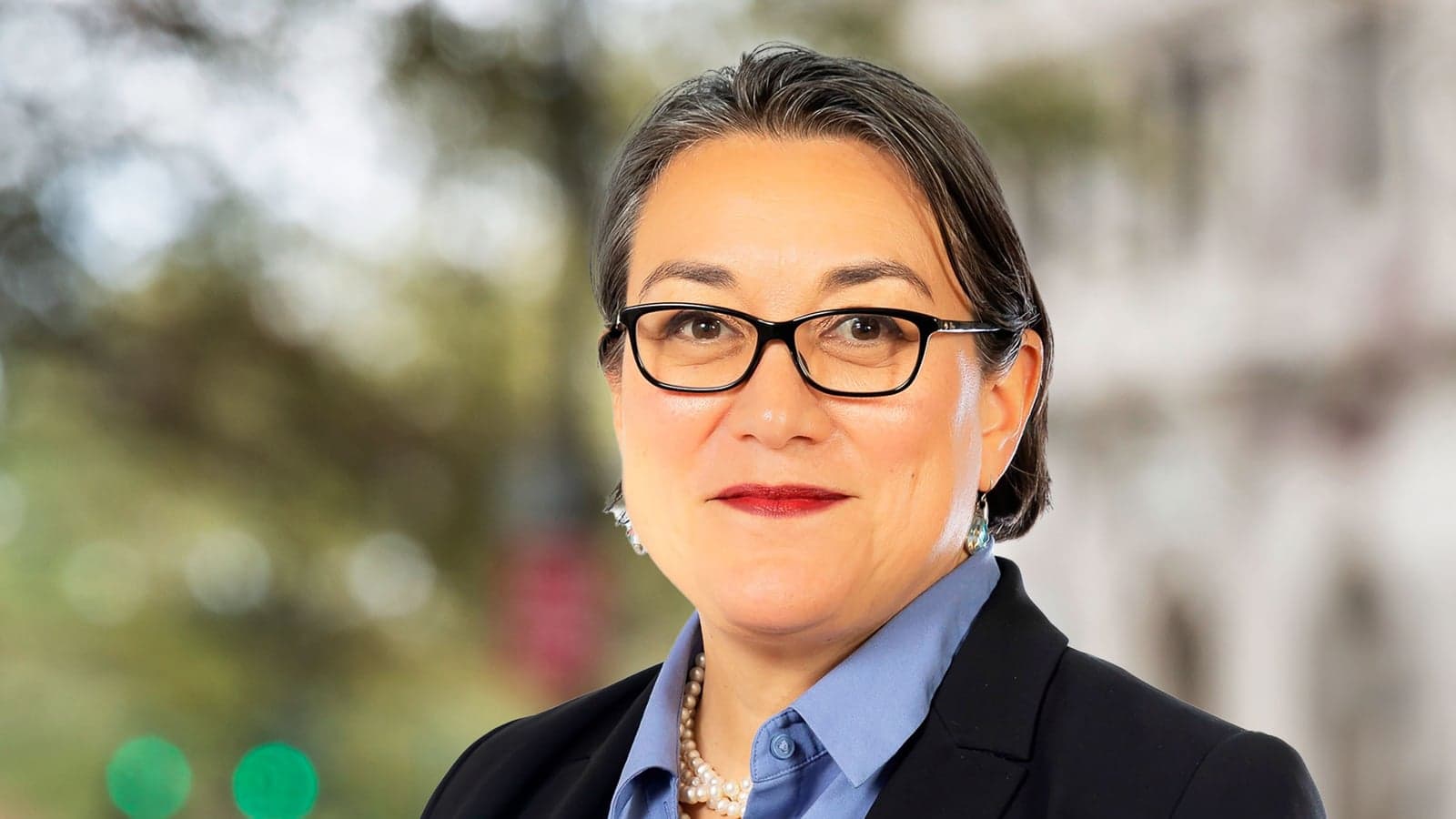
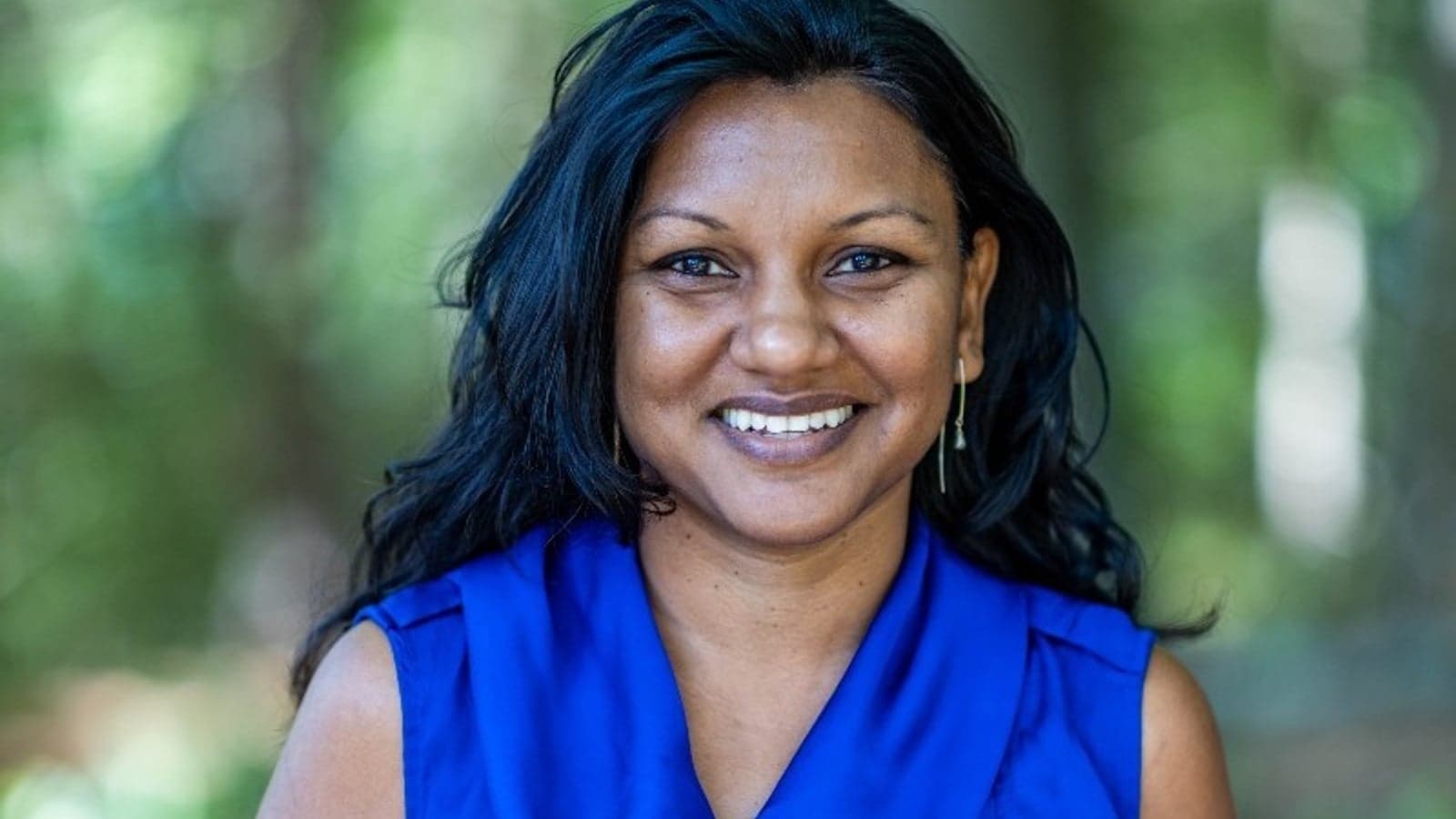
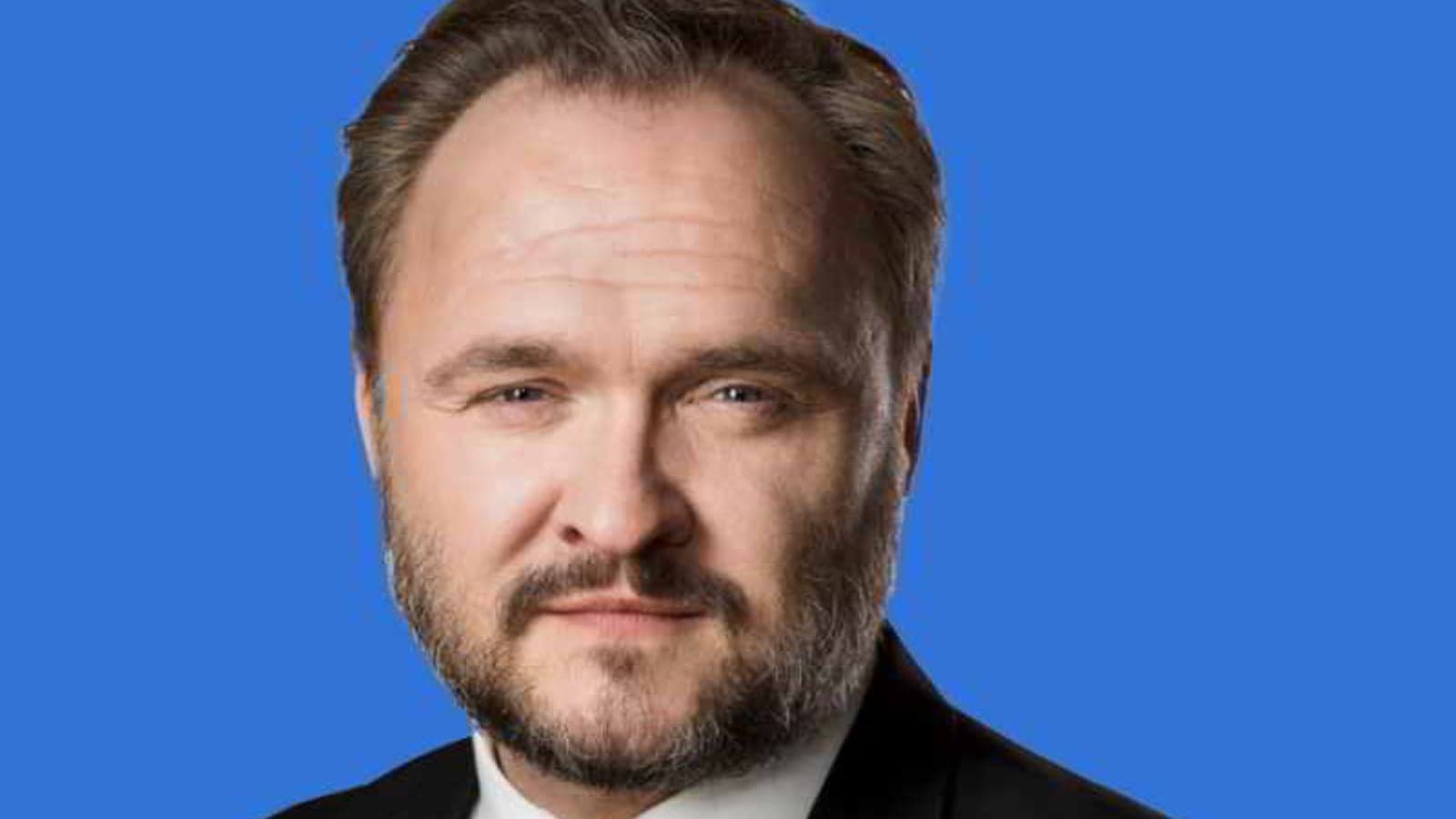
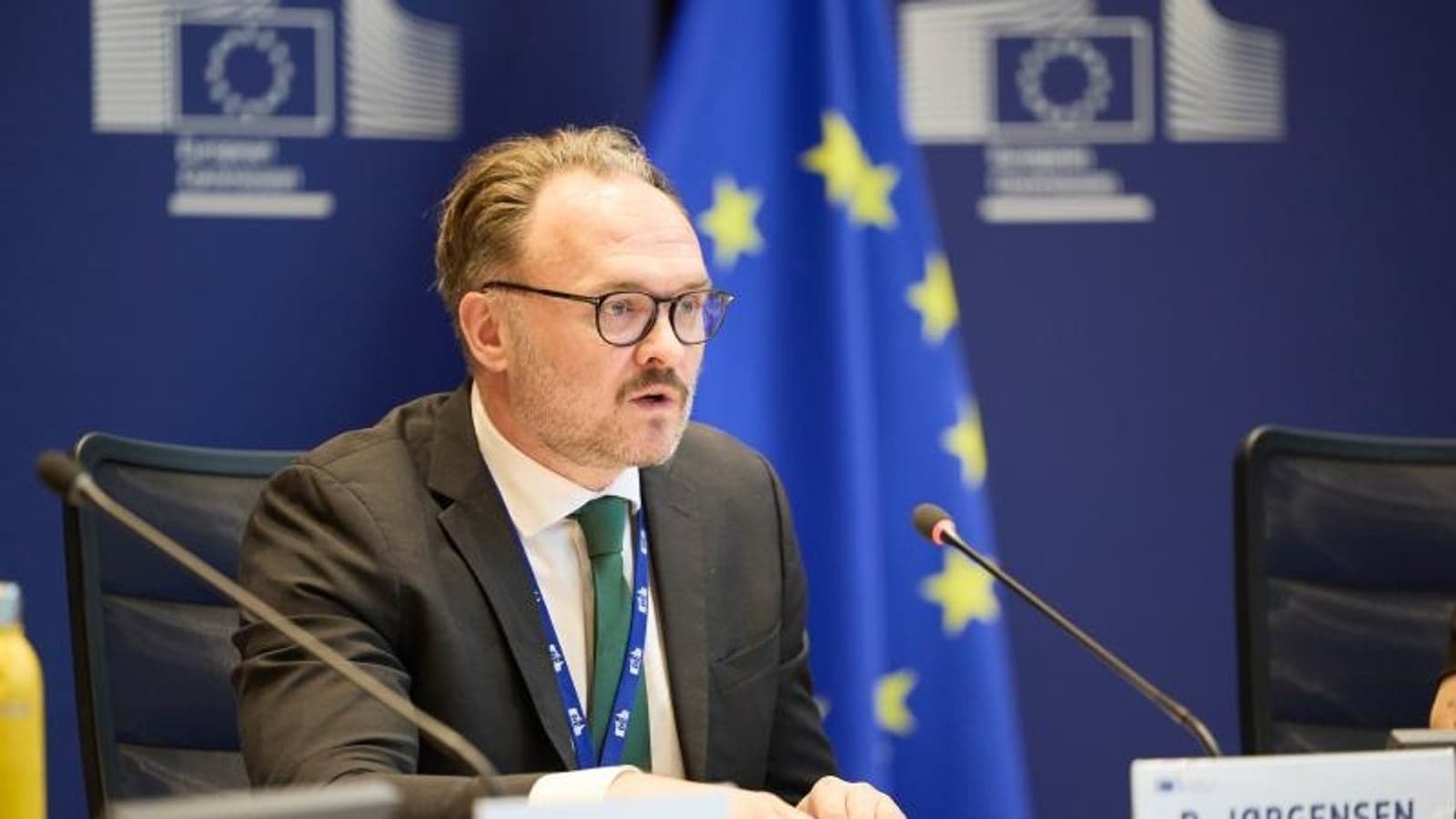
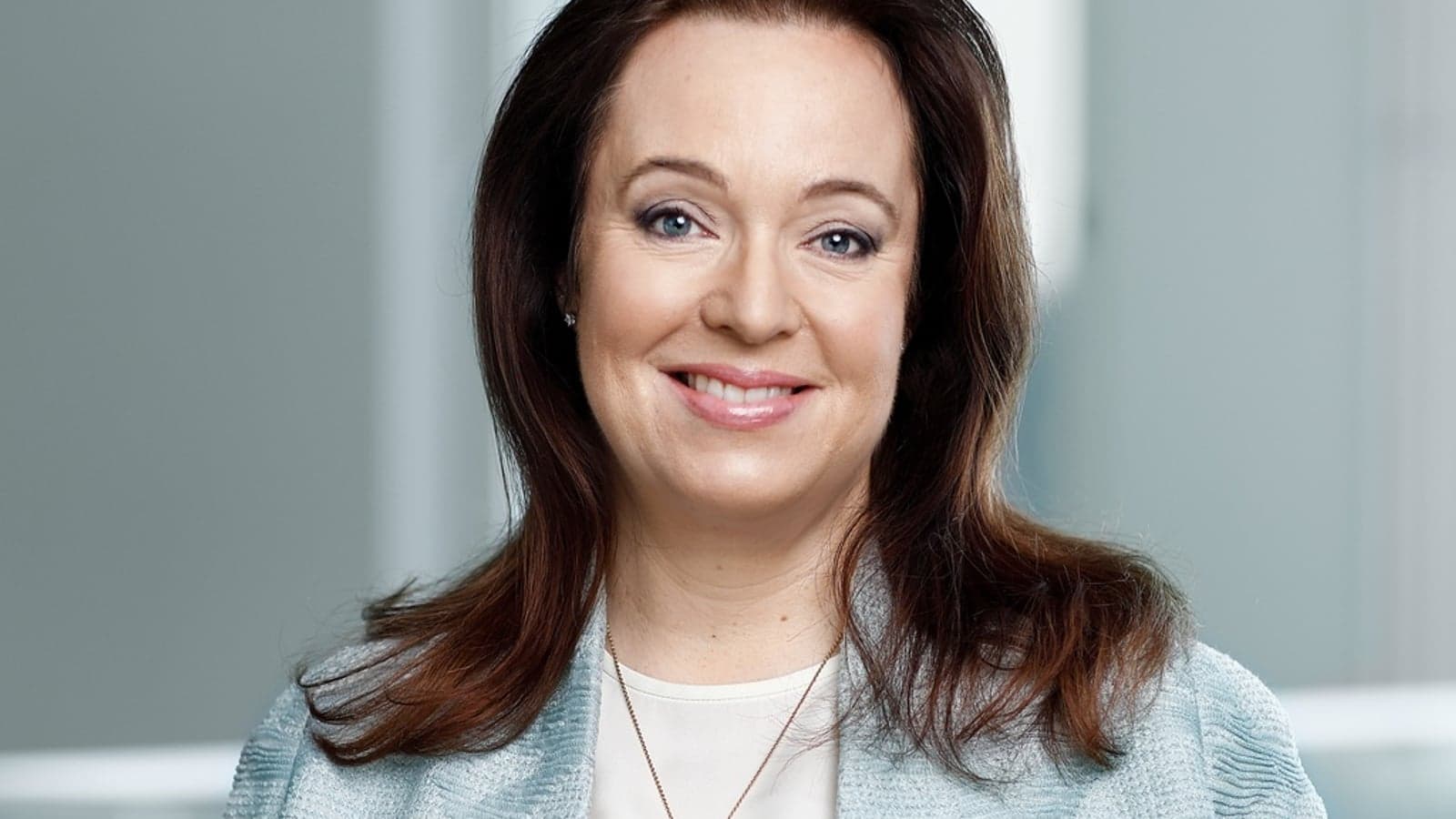
In what has been reported as a general reshuffle in the upper echelons of the European Commission and apparently the first since Ursula von der Leyen first became president in 2019, the director general for energy Ditte Juul Jørgensen is to move to become director-general of trade as of 1 June.
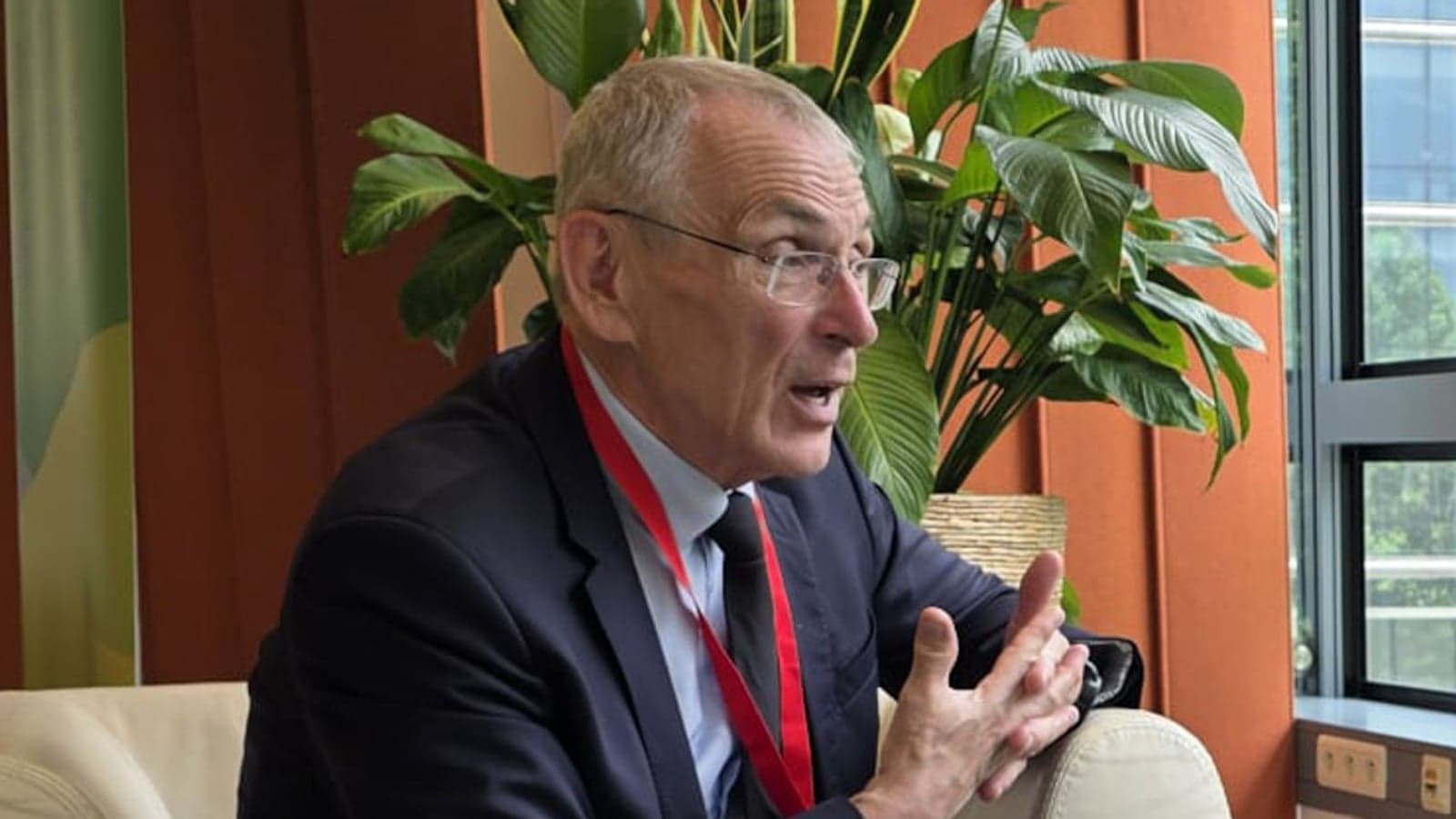
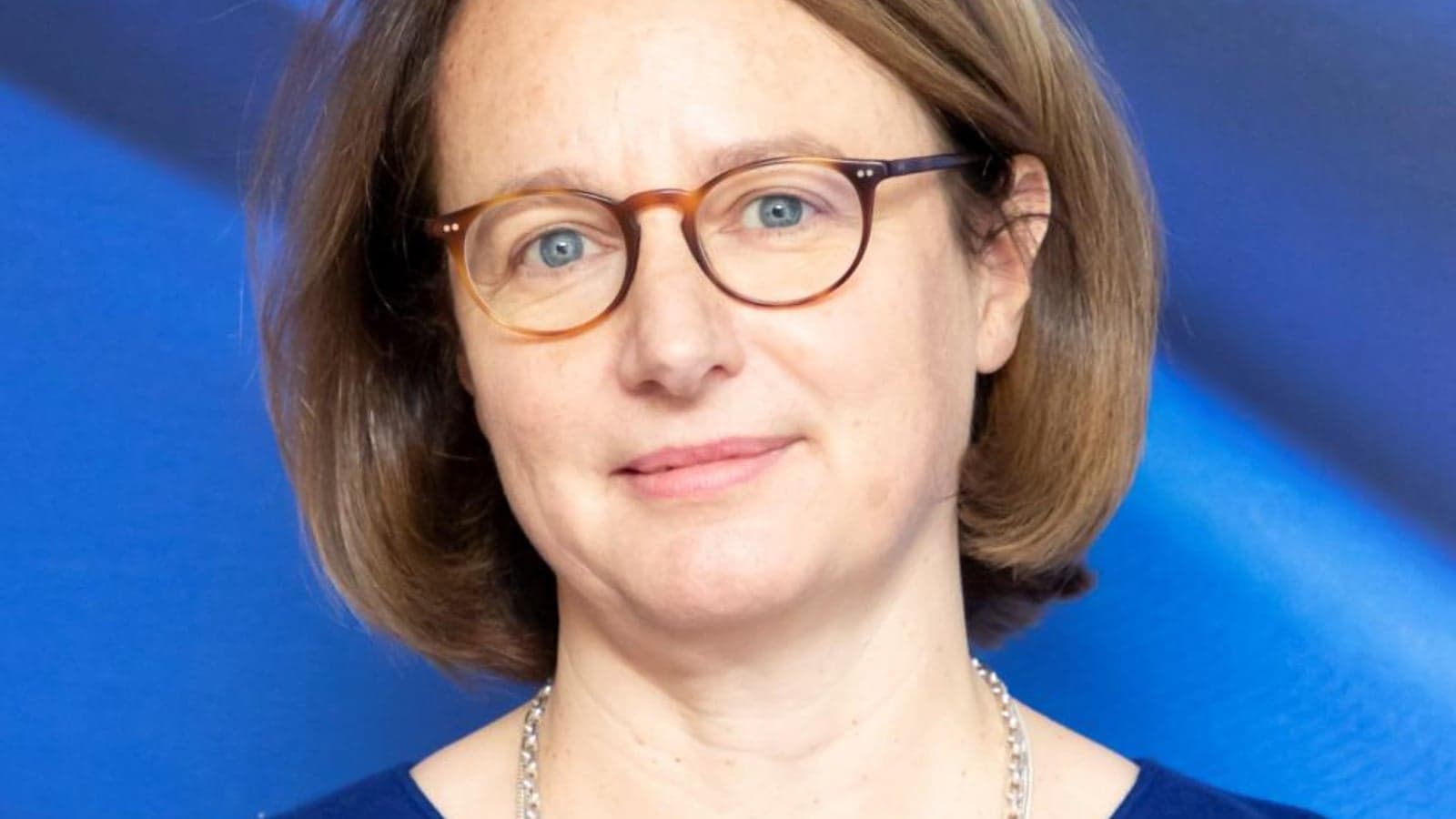
The new director general of energy is Céline Gauer, the current director-general for reform and investment.
Jørgensen has held the DG Energy position since August 2019, since when she has overseen the region’s energy transition, including the implementation of the green deal – launched just months after her start in the role – and successive legislation and the management of the energy crises following the Ukraine and now the Middle East conflicts.
Her role in DG Trade marks a return to the directorate, in which she has almost 20 years of experience from various roles between 1995 and 2014. But her experience in energy should bring a new dimension and benefits for the sector as it faces issues such as supply chain bottlenecks, access to critical minerals and market monopolies from China.
While ‘made in Europe’ is being introduced as an initiative to boost local manufacture, traded products will always be essential both as raw input but also to ensure markets remain competitive.
Céline Gauer is a French national, with much of her career spent in the competition directorate. There inter alia she worked on energy and environment antitrust and markets, although otherwise appears to have had little or no association to the sector.
Her arrival at DG Energy comes at a pivotal time, with energy currently a high priority policy area for the European Commission. A plethora of new legislation is in development, including the electrification strategy, energy security package and energy omnibus as well as the finalisation of the grids package, initiatives on renewable energy and energy efficiency and the completion of the energy union.
The full effects of the Middle East conflict on energy are also still likely to be felt.
And with 2030 with its climate targets fast looming, it is also time to start focusing more strongly on the pathway over the next decade to 2040 towards a net zero 2050.
Gauer thus faces a steep learning curve on the complexities and challenges of the energy sector. With EU Sustainable Energy Week taking place in the second week of June, it is likely to be her first public-facing event, and we await her setting out priorities there with anticipation.
Will you be attending the event?
For more energy news from the European Commission, as well as podcasts and insights from EU projects, follow the Enlit Projects Zone.