Commonwealth Fusion Systems partners on SPARC digital twin
Jonathan Spencer Jones
Posted on: 6 January 2026
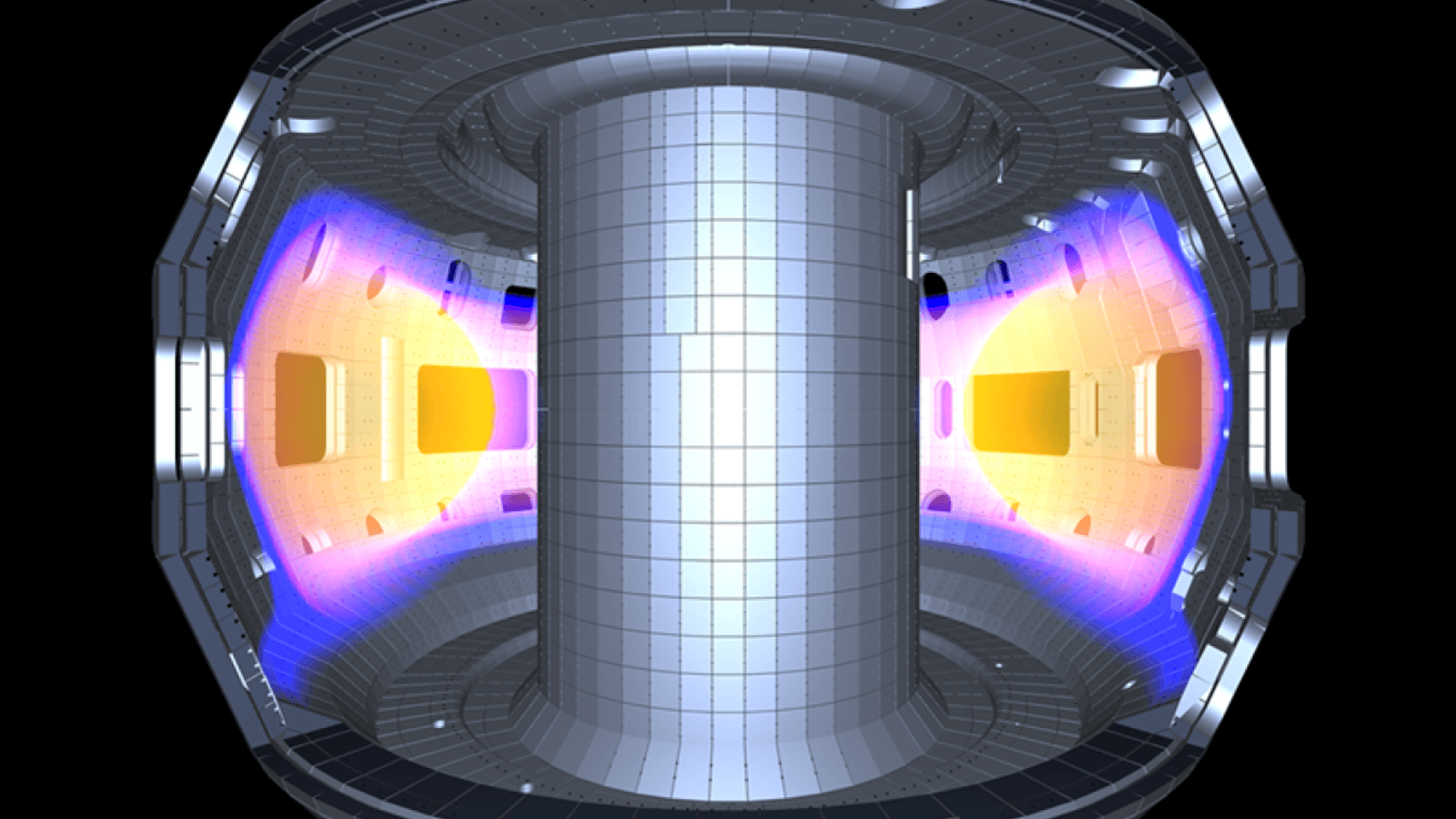
Commonwealth Fusion Systems is partnering with Siemens and Nvidia on AI powered digital twin of its SPARC tokamak.
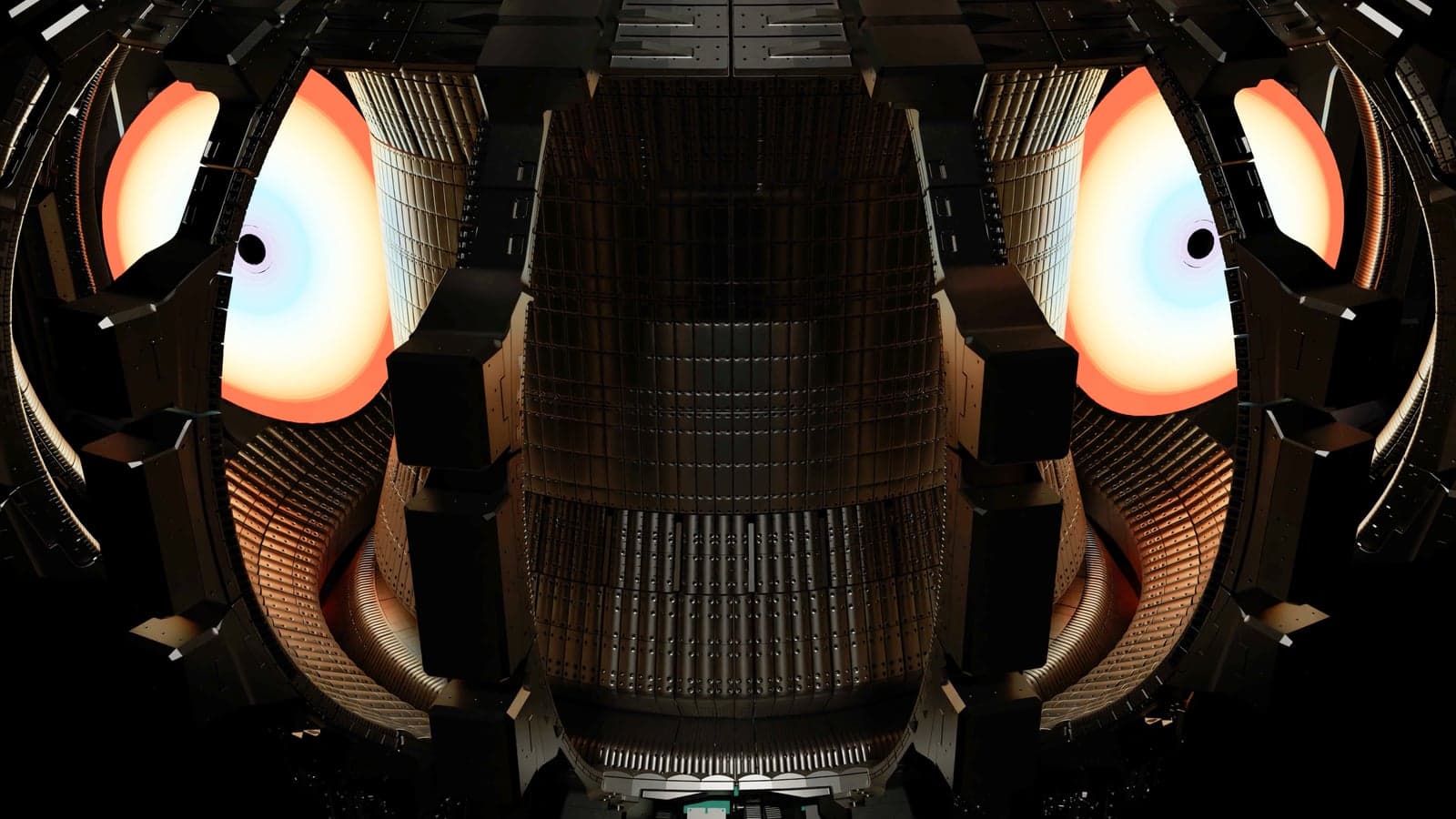
The digital twin will leverage volumes of data from the Siemens Xcelerator portfolio of industrial software, which will be integrated with classical and AI powered models in Nvidia’s Omniverse platform and OpenUSD framework to run simulations, test hypotheses and compare the experimental results from the machine to the simulations.
The aim is to apply AI and data analytics to accelerate Commonwealth Fusion Systems’ efforts to bring fusion energy to commercial reality.
"CFS will be able to compress years of manual experimentation into weeks of virtual optimisation using the digital infrastructure developed by NVIDIA and Siemens,” said Bob Mumgaard, co-founder and CEO of Commonwealth Fusion Systems.
“Through this collaboration, we’re demonstrating how AI and integrated digital engineering can accelerate progress from design to grid power. This will allow us to transform how we build and operate fusion machines in the race to commercial fusion."
Also of interest
Fusion offers Europe fresh competitiveness and security opportunities
The digital twin initiative was announced at CES 2026, with the event also marking a first appearance for fusion as it has now moved from being a science project to the next big thing in tech, as Mumgaard put it.
The initiative also expands the focus of the earlier partnership with Google DeepMind, which is aimed at using AI tools to simulate and manage fusion plasmas – the DeepMind focus likened to a co-pilot for SPARC whereas the digital twin is the virtual aircraft.
SPARC advances
In a press briefing Mumgaard also commented that the company’s SPARC tokamak, which is planned to demonstrate commercially relevant fusion ignition in 2027 (Q > 1, i.e. more energy produced than needed to power the process), is on track.
The latest update is the installation of the first of 18 of the company’s in-house developed and built high temperature superconducting magnets. Each weighing in at 24t, their role is to contain the plasma with their design enabling a stronger magnetic field via a more compact and thus more economical form factor.
The remainder of the magnets are due to delivered on an approximately fortnightly basis during the coming months.
Siemens’ product engineering and lifecycle management tools also are being used to improve the efficiency of the manufacturing processes and operations at Commonwealth Fusion Systems’ magnet factory in Devens, Massachusetts.
“Fusion is complex, but data doesn't lie,” comments Del Costy, president and managing director, Americas, Siemens Digital Industries Software.
“When you aggregate real manufacturing intelligence, apply AI and run thousands of scenarios, you remove guesswork and accelerate innovation. This is the future of industrial engineering."
Fusion digital twins
Commonwealth Fusion Systems’ digital twin is not the first in the fusion world. Another already under way is UKAEA and researchers at the University of Manchester partnering to build a digital twin of a fusion reactor in Nvidia’s Omniverse platform and others, mostly focussed on specific components, are at various stages of development.
In a recently published review of digital twins in fusion research, Michael Battye, a researcher in the School of Physics, Engineering and Technology at the University of York, and co-authors write that the development and application of digital twins present a transformative opportunity to overcome many of the longstanding challenges in fusion energy research.
“Deploying digital twin technology in a standardised framework is essential for unifying diverse applications, such as data analysis, predictive modelling, and active control, into a cohesive, end-to-end workflow,” they write.
Commonwealth Fusion Systems’ SPARC machine is due to be followed by the grid scale ARC delivering fusion energy on a commercial basis in the early 2030s.