Fusion offers Europe fresh competitiveness and security opportunities
Kelvin Ross
Posted on: 17 December 2025
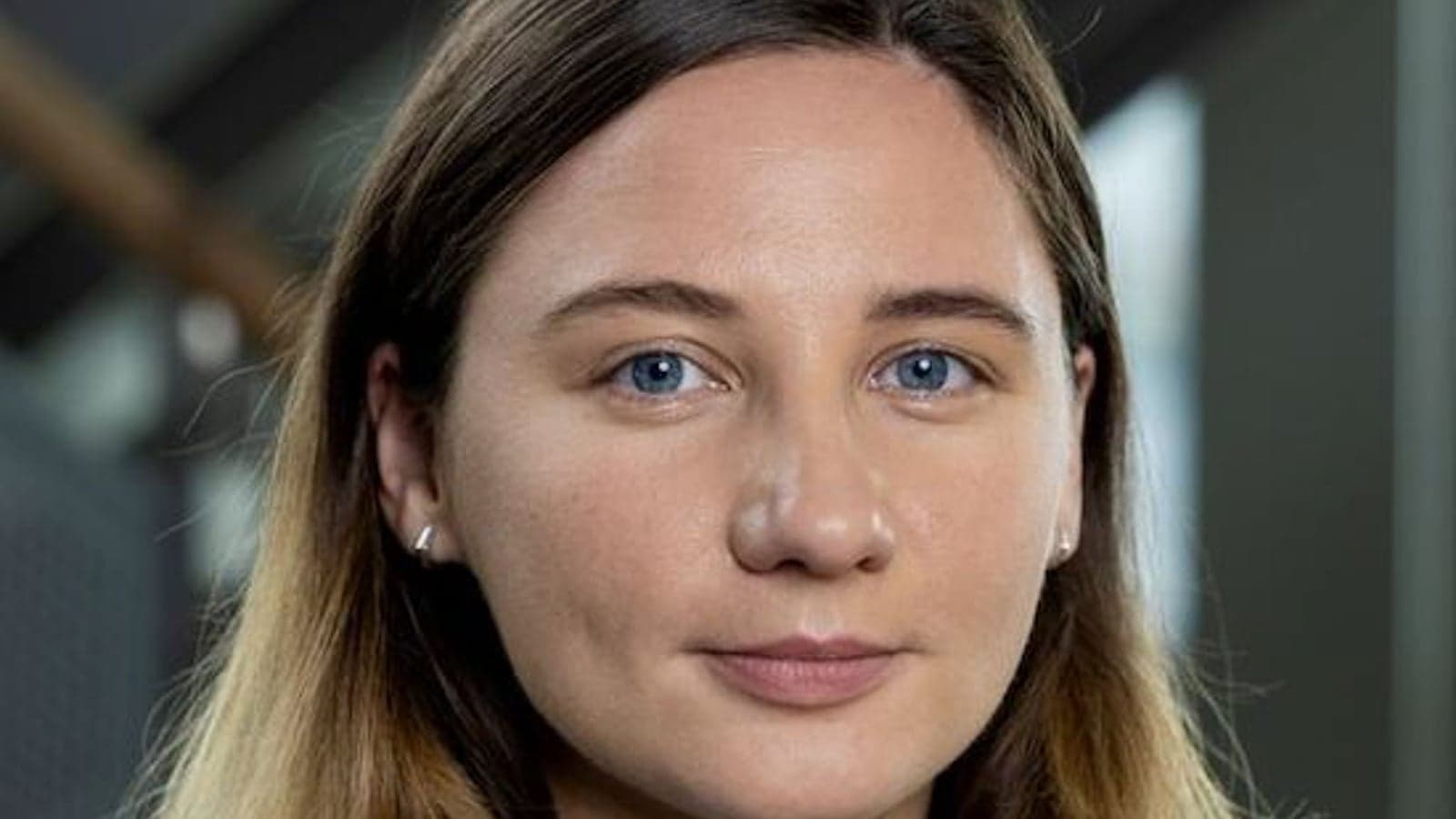
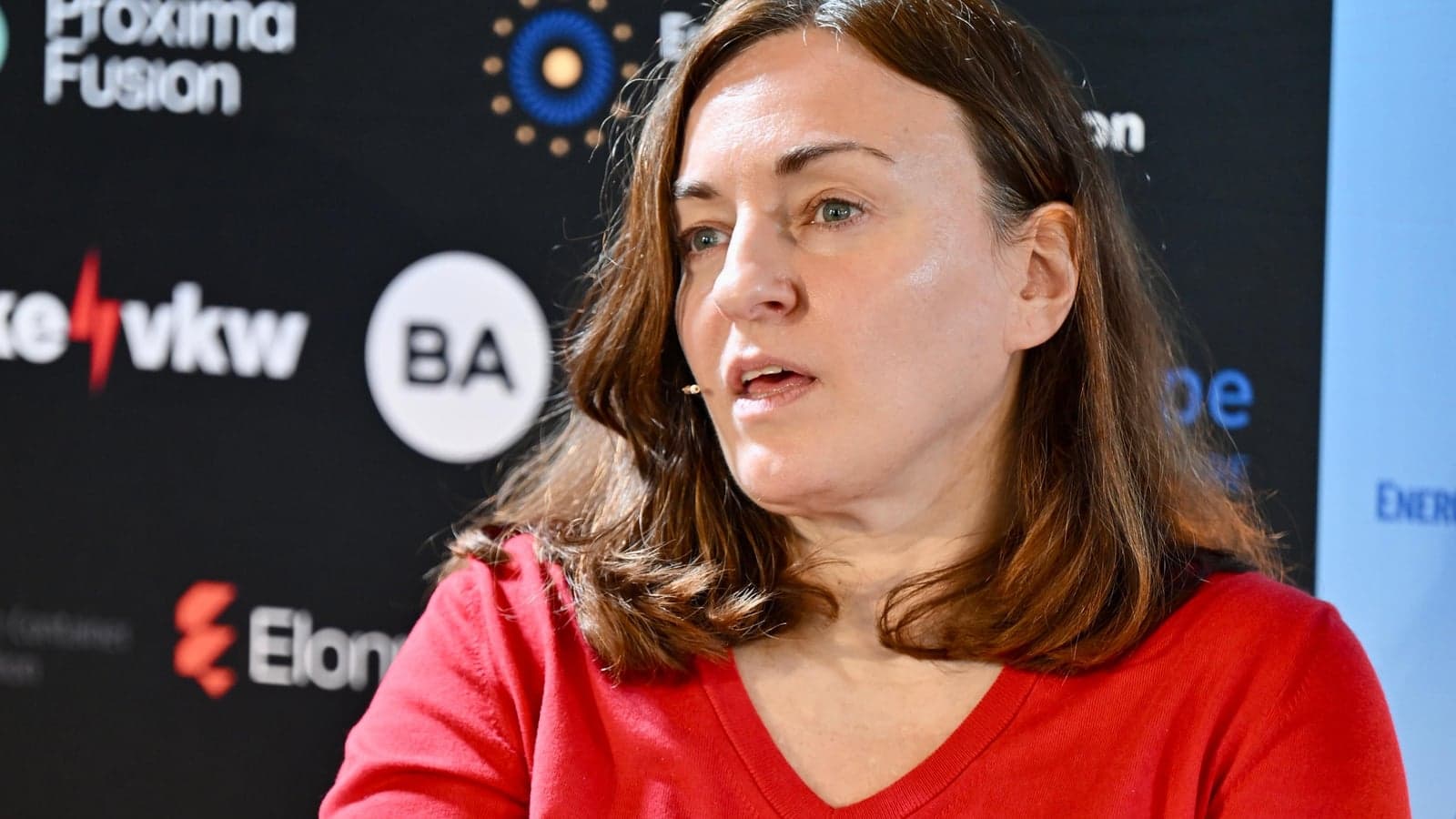
Eszter Kantor of Proxima Fusion explains why investors and policymakers are throwing their weight behind the technology
Fusion energy has reached a tipping point. In recent years, the technology, which for so long was dismissed by many as science fiction physics, has become an engineering fact.
Suddenly, there’s a momentum behind fusion in Europe… and there’s more than just technological know-how driving it.
As Eszter Kantor says: “Europe stands at the edge of a breakthrough technology – and Europe hasn't been in this place for a long time.”
She says fusion is “moving into a new sphere that's driven by regulators and investors who see a new opportunity – who are hungry for a technology that is available in Europe.”
Kantor is Head of International Affairs at Proxima Fusion, a Munich start-up that was spun out of the Max Planck Institute for Plasma Physics and so far has raised around €200 million ($230m) in public and private funding to build its first fusion power plant.
She was a speaker at the European Energy and Industry Conference in Brussels, where she boldly told the audience that fusion “will be delivered to the grid in 10 years… and it will green the grid”.
Proxima is one of several fusion companies based in Germany and the country recently announced a €2 billion Fusion Action Plan. Kantor believes this wave of investor and policy action has two drivers.
The first is a determination to not repeat mistakes of the past, namely allowing nascent industries such as solar slip through European fingers.
More insights on fusion:
Gauss delivers landmark site map for Europe’s first fusion plant
US launches roadmap to support fusion commercialisation
Speaking to me on the sidelines of the conference, she said: “Solar was right there: we could have made it happen – we could have exported it. Now the Chinese own the entire supply chain. That's something that shouldn't be repeated.
With fusion, she says Europe “again has a chance to be right where a technology is deploying and where it's commercialising”.
All of which plays into a current narrative which advocates a Made-in-Europe stance to boost competitiveness and security.
Kantor notes that 10 to 15 years ago, a Made in Europe policy would have been seen as too nationalistic and protectionist; now, she says, “we are moving from a globalised supply chain to regionalised supply chains, and in fusion we are really lucky because we have a regionalised supply chain. Let's keep it that way: let's strengthen it, because this can really be an advantage for Europe.”
Kantor believes that a key element to ensuring fusion – and indeed other energy technologies – are allowed to reach their full potential is investment, and here she says there is a need to be “braver” and overcome Europeans’ natural “hesitation” over investment.
She says she can “see the rationale behind” being risk-averse, “because a lot of money from Europe comes from public money because we don't have the venture capital markets of the United States, and with public money, you have a fiduciary responsibility to the taxpayers, so it's carefully managed.”
“But we need to create that sweet spot where we allow some sort of a private channels, and loosen that environment, that policy framework, and get more private money to enable us and in turn enable the rest of the economy.”
So her ask to policymakers is: "Help us to help you. Because ultimately, we will have direct employment. You talk about competitiveness: I talk about jobs and growth. And we mean the same thing.”