Community energy champion Sarah Merrick talks empowering the consumer
Yusuf Latief
Posted on: 16 December 2022
Sarah Merrick tells Yusuf Latief that enabling consumer ownership the assets that generate their electricity is vital for the success of the transition.
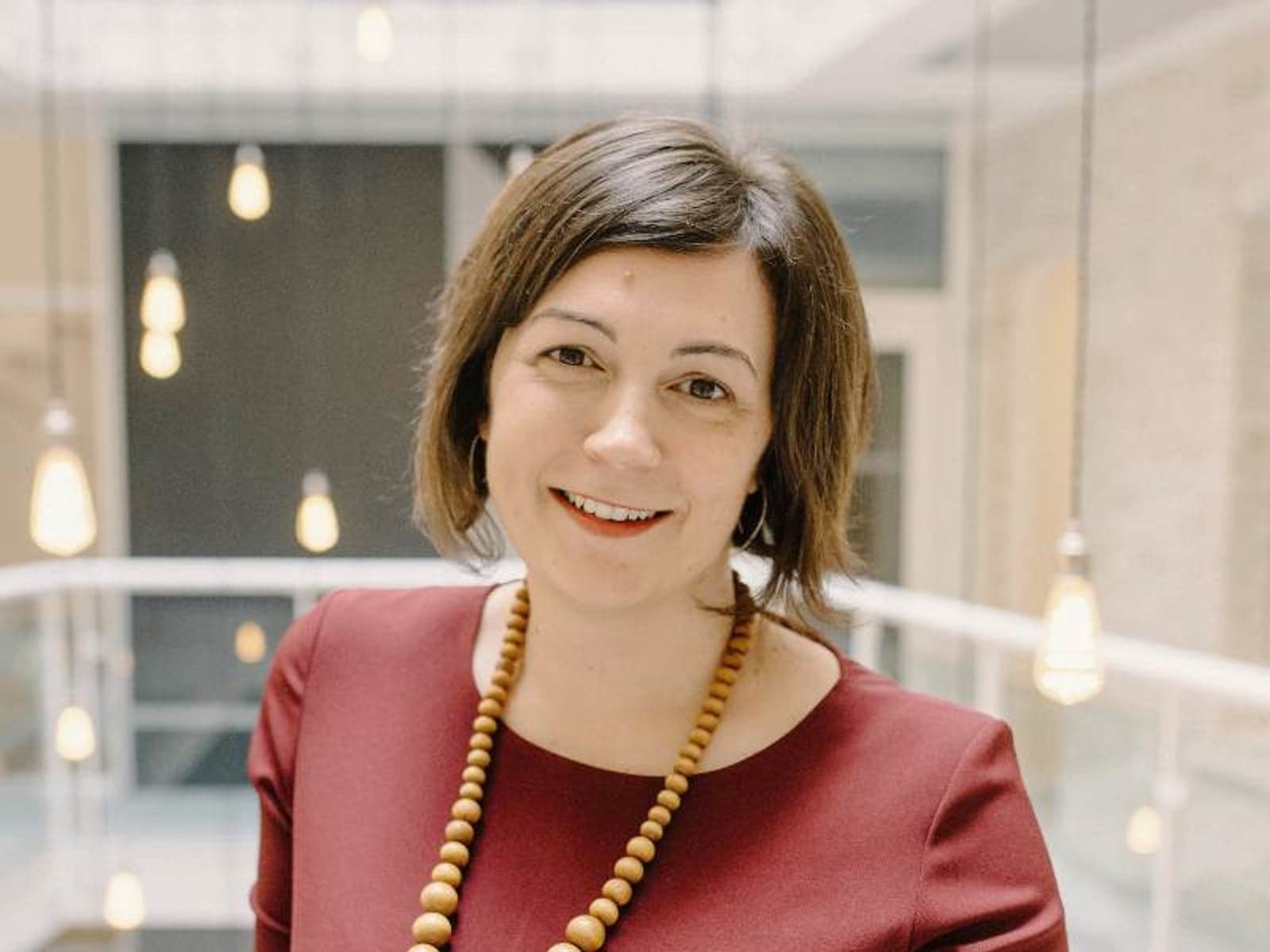
The founder of Ripple Energy tells Yusuf Latief that enabling consumers to own the assets that generate their electricity is vital for the success of the transition.
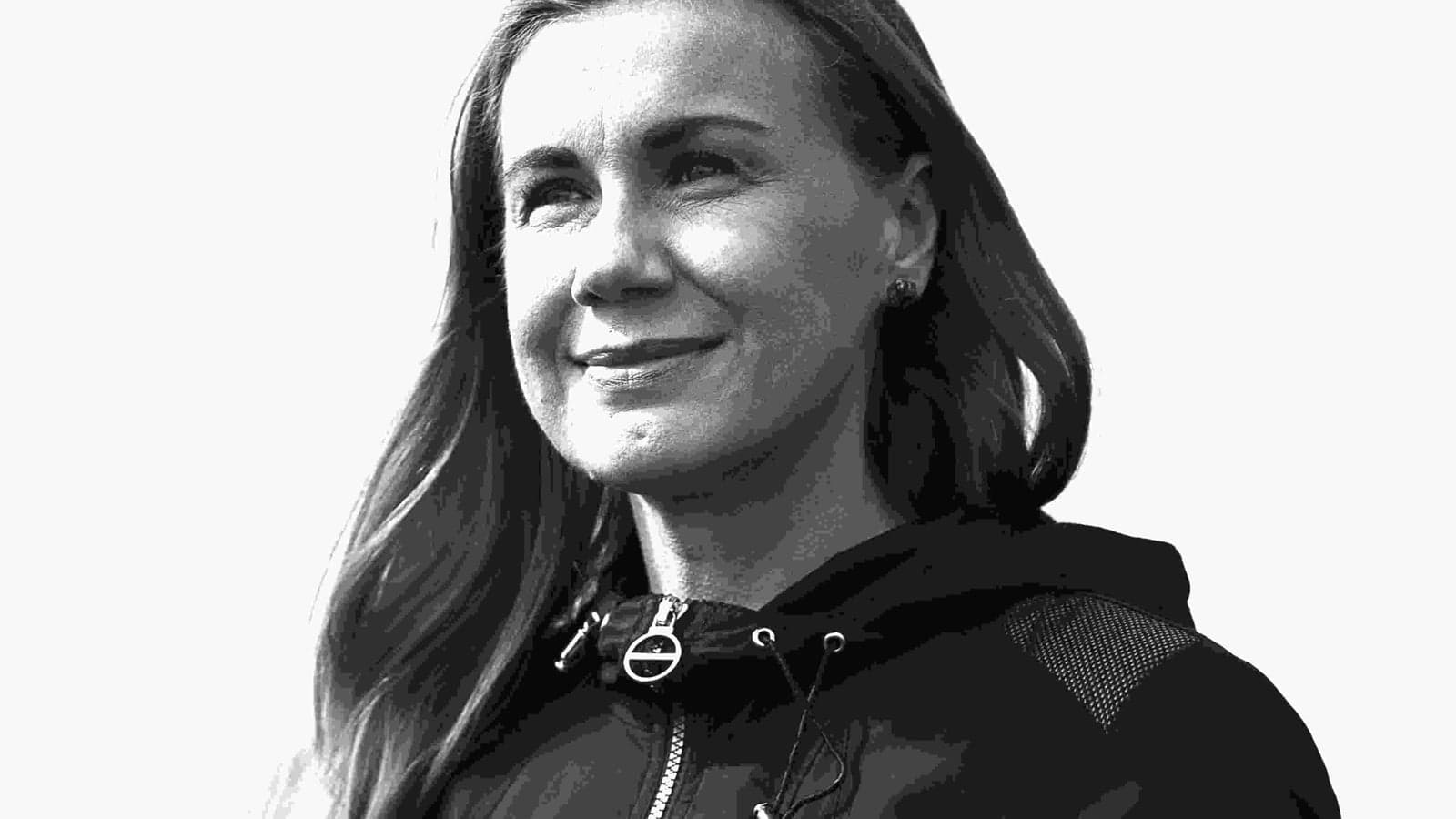
With their first wind farm originally crowdfunded by 900 members, Ripple Energy is pioneering community-owned renewable assets in the UK. Its founder and chief executive is Sarah Merrick, who passionately believes in consumer power – in every sense of the phrase.
What is needed right now to shake up the industry?
Consumers need to play a much more active part in the industry. At the moment there is this idea that they sit at the very end of the value chain, paying whatever bill lands on their doorstep.
This needs to change: they need to be far more active and further up the value chain by owning their own source of clean power. And by owning assets in the transition, they can become part of the transition itself.
The consumer shouldn’t be viewed as a simple, passive energy recipient, but rather a far bigger, more active agent in the ownership mix.
That is what we are trying to do at Ripple Energy, enabling consumers to come together and collectively own large-scale renewable assets.
In energy, scale really matters: big projects are so much cheaper than those which are small and microscale. We provide an online platform where thousands of people can collectively own large-scale assets and secure low-cost electricity generated by their wind or solar farm.
Have you read:
Britain’s first shared solar park planned for Devon
Heat or eat: Rising energy poverty in Europe
Energy communities are the missing piece of Europe’s transition puzzle
We do this because, traditionally in the energy sector, one can’t have collective ownership of a coal, gas or nuclear station. But the opposite is true when it comes to renewable energy assets.
We think this is really important for consumers to enable them to share the benefits of clean-energy ownership. They can then get a stable price and low-cost electricity in times of high energy price spikes, such as those we are currently witnessing.
And by enabling people to be a genuine part of the ownership mix, a direct link can be created between consumption and generation that can then help unlock the benefits of smart home energy technology.
Then, by giving people a reason to want their technology to do smart things, we can then correlate consumption with generation which, in a zero-carbon energy system, is powerful.
Is there promise for digitalisation to bridge the consumer industry gap?
Definitely. There’s so much that can be done and what is important is that the market doesn’t move more quickly than consumer appetite.
There is going to be a gradual shift in consumer attitudes as they become more exposed to digital energy and the level of insight one can gain from data, especially such data that are derived from smart meters.
And as consumers become more comfortable, digital developments will only expand. However, even though a lot more can happen with digitalisation, it can’t happen overnight. It could happen a lot faster, but it’s really important that consumers don’t feel this is forced upon them. They need to want to engage and that can’t happen overnight.
It shouldn’t just be the big corporates, big infrastructure funds and big utilities that can succeed in this industry.
What is needed to scale European energy ownership?
To get consumer ownership growing across Europe is a difficult challenge.
There are gigawatts of projects coming online. To easily scale, consumer ownership needs to be built into large assets that are already in trade. Community or consumer ownership projects tend to be small scale; perhaps only consisting of one or two turbines or a small solar park.
If ownership remains restricted to such relatively small assets, it’s going to be really difficult for the sector to scale; it needs to shift into larger scale projects.
And scaling a project model where a cooperative owns 20% or 30% of a large project will be much easier and quicker than having to build ten 50kW solar parks across different communities.
This is what we need to see happen; we need to see a shift away from small scale being the standard for consumer and community ownership.
Also of interest:
Demand-side flexibility and system efficiency paramount for net zero goals – SmartEn boss
Digitalising Europe’s energy sector to accelerate decarbonisation
How do we do that? How do we encourage consumers and prosumers to engage?
The expectation needs to be instilled that any project will have opportunities for consumer ownership. After that, actually engaging with said project needs to be made attractive, relevant and easy for anyone. Finally, consumers need not only to be able to own, but also to genuinely feel a part of the energy transition.
No green washing and genuine ownership.
What’s also important is for the consumer not to be burdened by the notion of consumption management. It can’t be expected that the consumer will jump off the sofa and put their dishwasher on because at that particular time electricity will be cheaper. These kinds of changes need to be automated and consumers need to want said automation to actually happen.
And this is something that will follow suit when the consumer genuinely feels part of the ownership mix: psychological investment is key.
And when they are invested they are incentivised to engage, to use smart tech and to want to see their smart tech actually do smart things.
What motivates you and what keeps you up at night?
What really motivates me is just seeing the huge opportunities and benefits available from the transition to a zero-carbon economy.
Enabling consumers to be part of that and to access those benefits is incredible. And there are huge benefits. It shouldn’t just be the big corporates, big infrastructure funds and big utilities that can succeed in this industry. Consumers should be able to be part of ownership mix and directly benefit.
And what keeps me up at night is what can be delivered by green energy. To be honest, there isn’t anyone in the energy industry who isn’t kept up at night by what’s happening. We’re in an unprecedented situation.