Davos debates the changing role of clean energy superpowers
Yusuf Latief
Posted on: 27 May 2022
Clean Energy Superpowers panel formed part of the World Economic Forum Annual Meeting 2022, from 23 to 26 May, 2022.
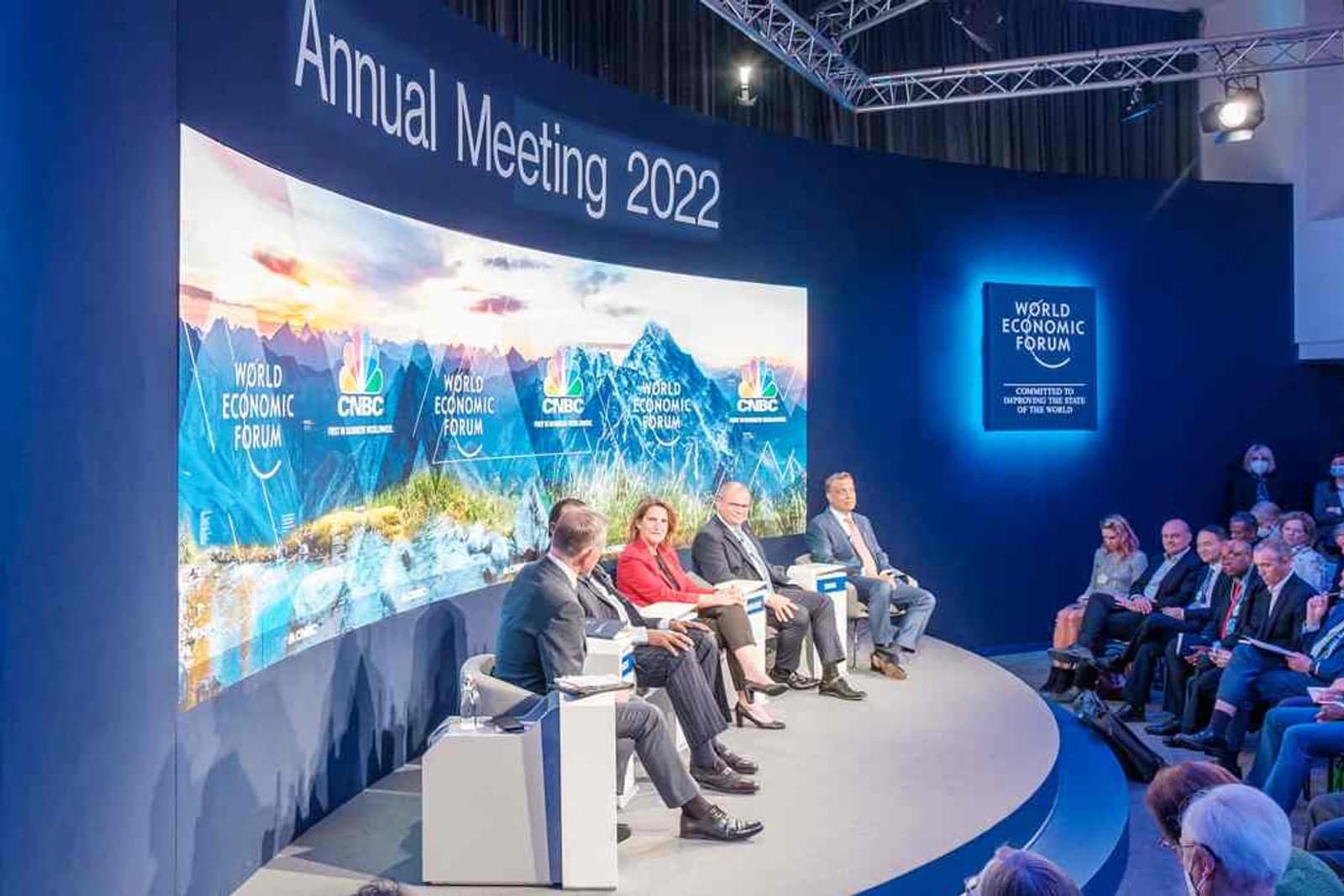
“Historically, energy superpowers are fossil fuel nations, which has gotten me thinking - are superpowers actually desirable?” So pitched Steve Sedgewick, CNBC Anchor and host of the Clean Energy Superpowers panel at the World Economic Forum Annual Meeting 2022.
Sedgwick opened the panel with this question towards panellists Hage G. Geingob (President of the Republic of Namibia), Sumant Sinha (Chairman and CEO of ReNew Power Limited), Henrik Anderson (CEO Vestas Wind Systems A/S) and Teresa Ribera (Deputy Prime Minister and Minister for the Ecological Transition, Ministry for the Ecological Transition of Spain and the Demographic Challenge).
The role of clean energy superpowers
“When I look at the current energy, hydrogen, carbon superpowers, I sometimes wonder – and this is not a slight - have they created as many problems as they have solved? – It is a live debate,” added Sedgewick.
Ribera, in answer, elaborated on how one should go about defining a clean energy superpower and how the nature of the energy transition has opened up opportunities to new agents to make their mark.
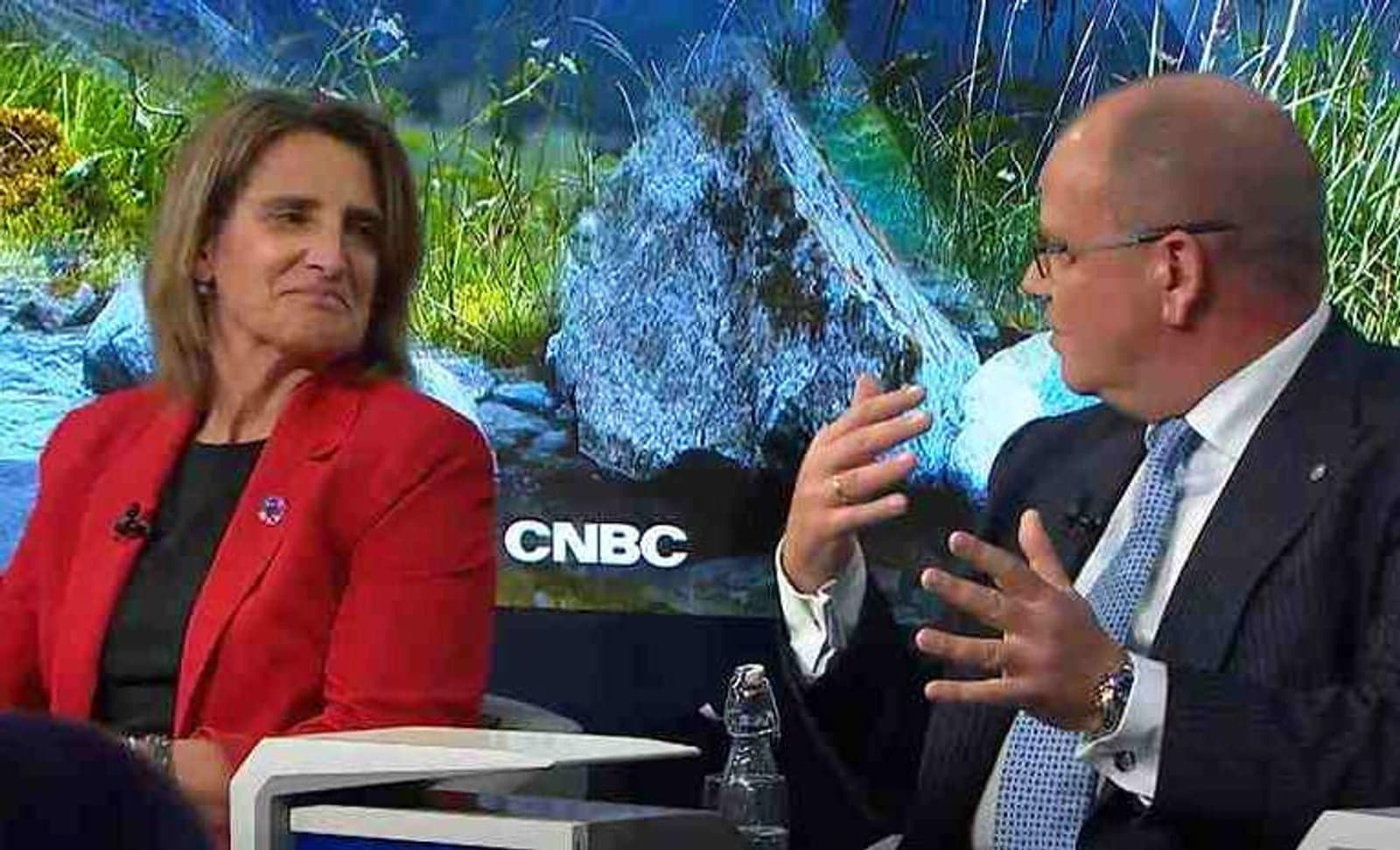
“I think that one of the most beautiful things about this transformation is that anyone can be a superpower. This is an incredible difference from what we have been witnessing and experiencing up to now.
“To become a humble, balanced, cooperative superpower is key,” she added, stating how to do this particular attention needs to be paid to “societal needs and where there can be people that feel the threat.”
For Sinha, an increase in superpowers is seen as inevitable due to the ever-increasing crisis represented by the current climate and energy situations. He stated how the road to renewables “is a compulsion. Not just for us. Not just for India, but for the world as a whole."
Have you read:
‘From clean energy vision to clean energy action’
The EU Clean Energy Package and the smart grid
World Economic Forum Annual Meeting 2022 takes place after two-year hiatus
Speed and collaborative action
Said Sinha: “The reality is that we are in the midst of the climate transition and that is going to require all of us – whether companies or governments – to come together and move at lightning pace because there is no other way to bend the trajectory downwards.”
“What we [at ReNew] have achieved in the last 10 years will literally have to be replicated in the next two years and then the next one year and the same after that… As we start doing that, the scale and size of pure clean energy companies will increase quite substantially.
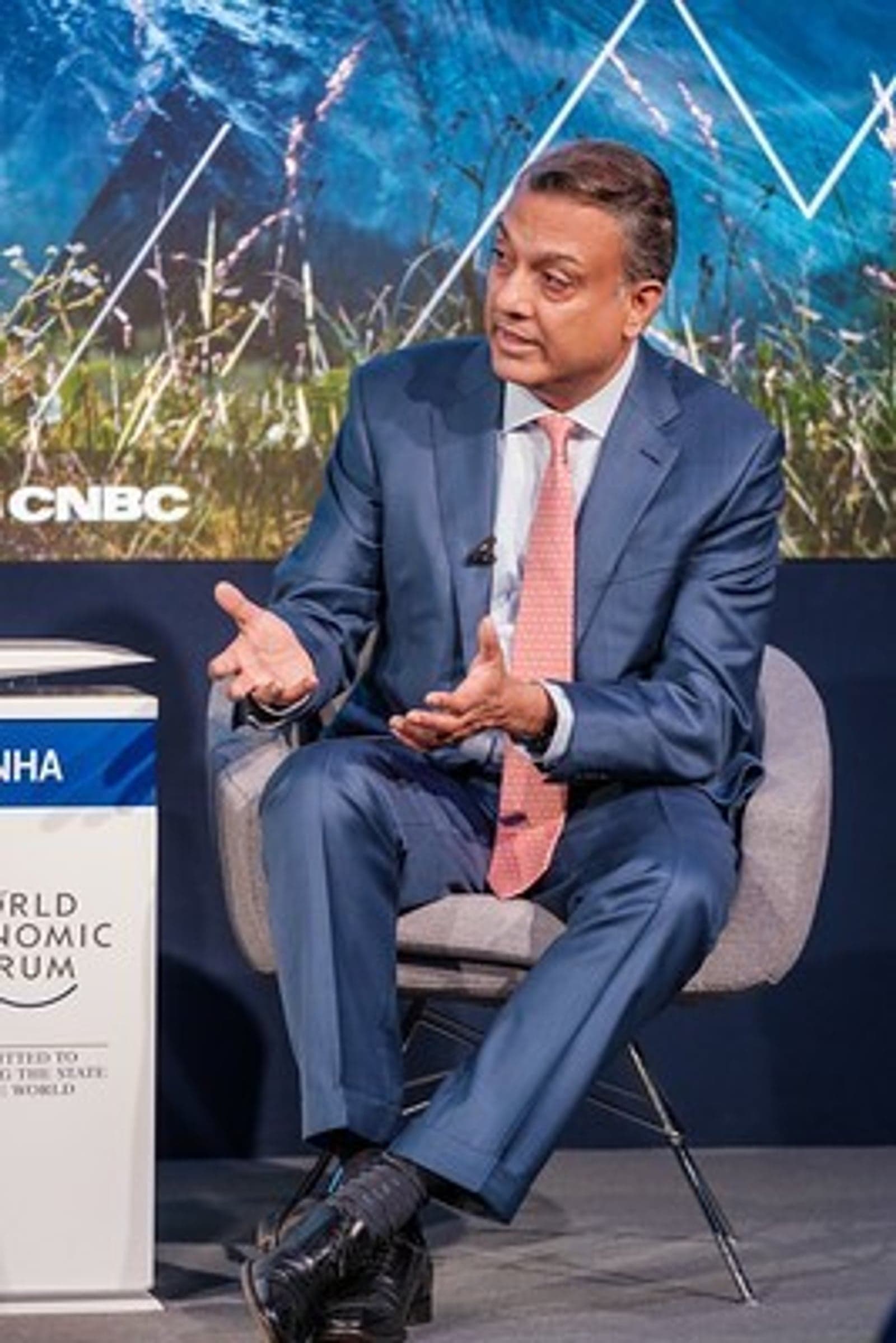
Sinha was referencing the work at ReNew where, as stated by Sedgewick, they have completed 12GW of commissioned, active and ready to go renewable projects.
“And that’s when we’ll start seeing a lot more innovation, green hydrogen…all of those will start happening over the next 5-10 years and those will really add to the whole energy transition in very significant ways.
“And when I think of this whole issue of clean energy superpowers, I think if you look at the clean energy system as a whole, in the next 10 to 20 years we’re going to be in a real period of flux and transition, because the large companies, the existing energy companies will be trying to take some of the capital and invest it into the clean energy space.
“You won’t actually have one clean energy superpower. You’ll have a mix of different companies all trying to get into the space and become much larger, which is not a bad thing as we do need many companies to come into the space and drive growth.”
The role of capital
Sinha’s insights into the evolving energy landscape were accompanied by the idea that with more energy players comes more energy innovation. But, with more energy innovation comes an increasing need for exponential financial backing and investment.
Have you read:
Global leaders vow to strengthen energy security and accelerate clean energy transitions
Ikigai COO on clean energy investment
“If you don’t speak the language of finance, you’re going to struggle to get backing on your deals,” prompted Sedgewick to the panel.
Geingob challenged this notion: “Yes, but politics – deciding who gets what, how and when – is the deciding factor. If you don’t get politics right you’re not going to get everything right. If there’s good governance, freedom, transparency, accountability, investors will come and they will get what they have invested in return.”
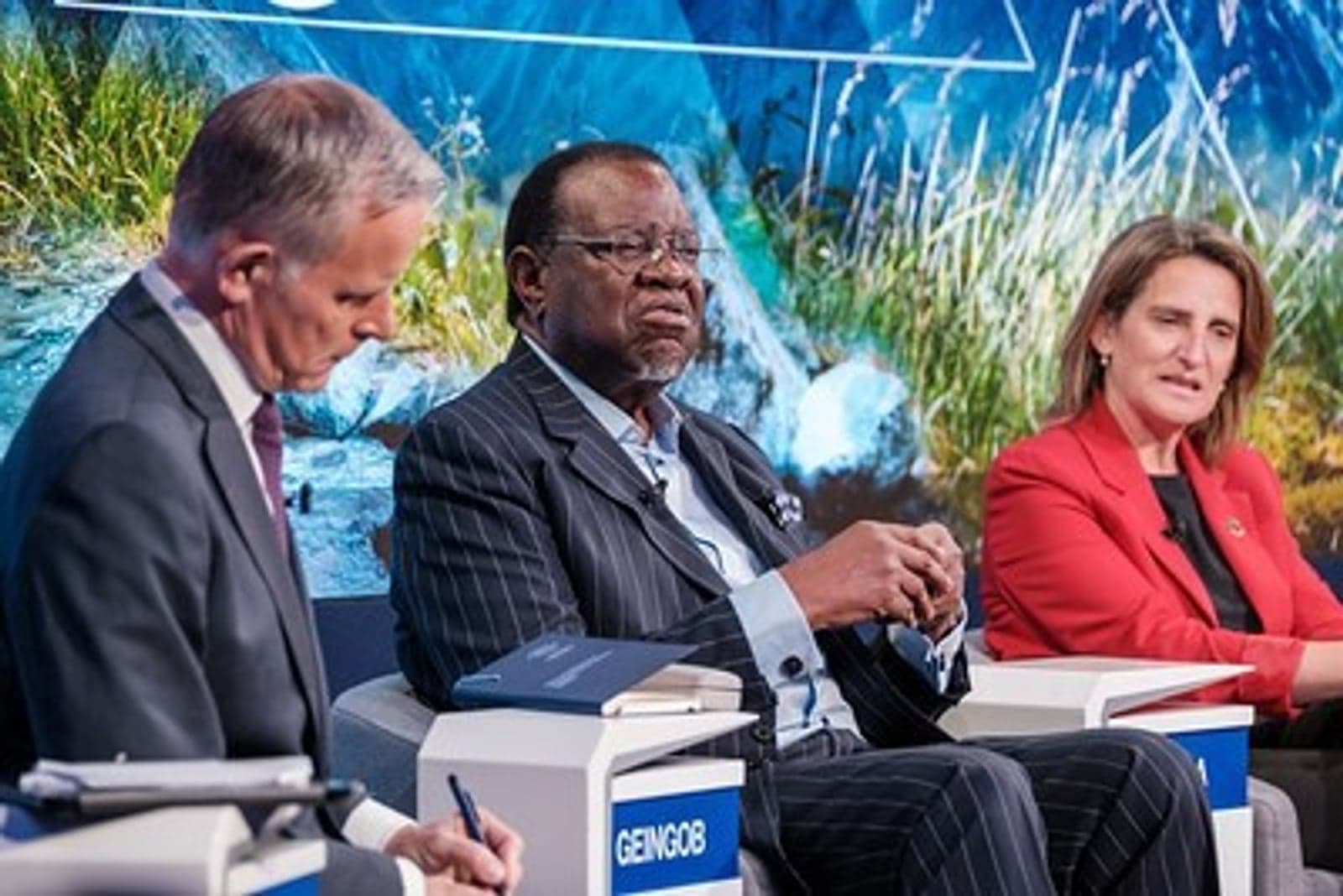
Ribera added: “The fundamentals change. The marks of traditional energy solutions are not the same as for new solutions.
“While renewables are becoming industrial and more of a business, it is not a financial product. We need to understand the change in financial needs. We need to be very clear on the setting…to provide the right context to invest.
“What we have been witnessing is big companies (taking the lead). It can only be them because of the intensity of technology investment and of capital. And the additional beauty of this is that anyone can be an electricity producer but to get it at the right scale you also need industrial solutions – i.e. the finance needs to change and regulation is becoming more important.”
A challenging road ahead
The increasing importance of finance and solutions at scale were made abundantly clear. But, as Sedgewick put forward, this poses an increasingly tough scenario for the road ahead.
“Capital is going to get way more expensive… Are things going to get tougher?”
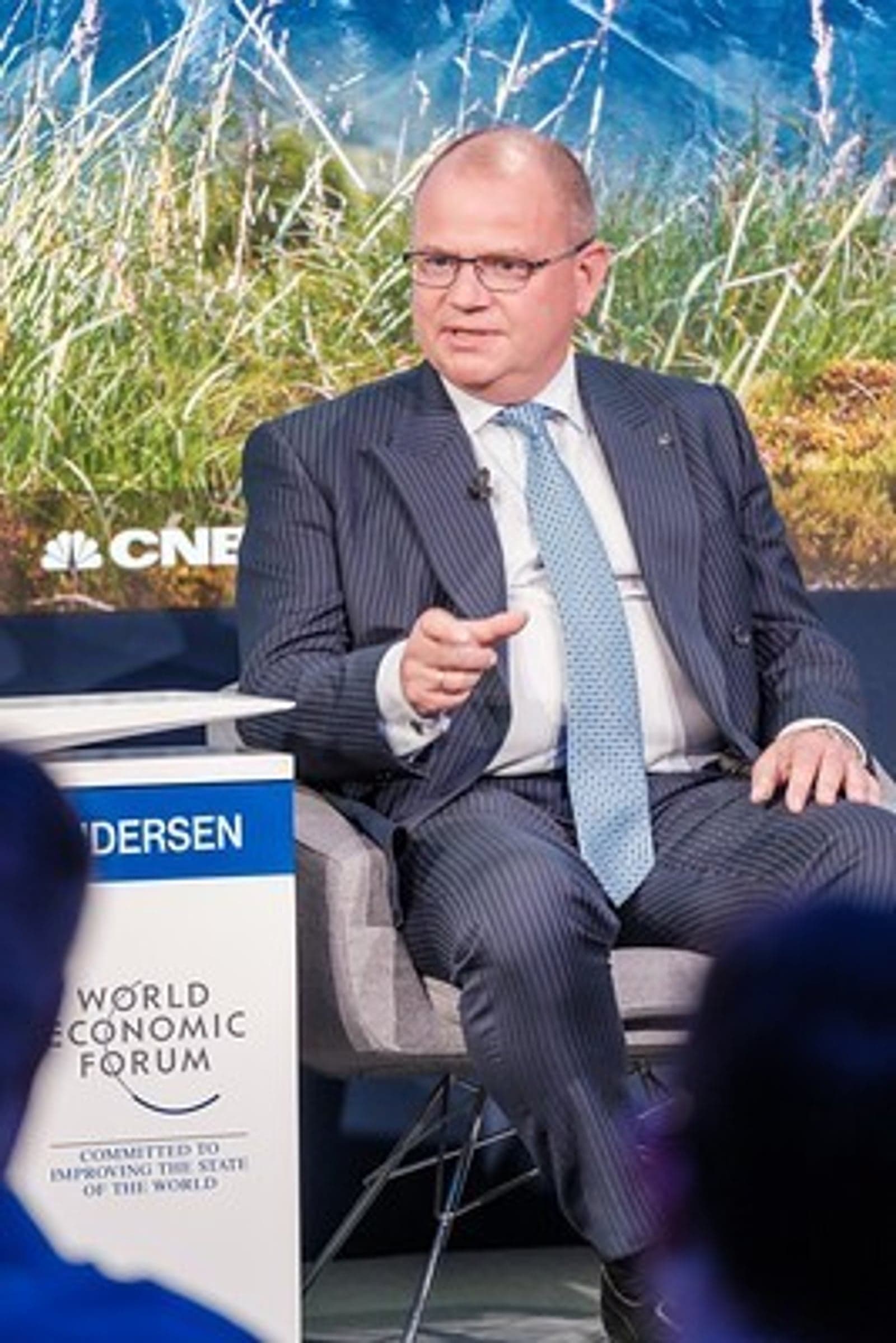
“I’m actually getting nervous,” responded Anderson. “Everyone says we got this great deal. We can all calculate what is needed to get to 2° or 1.5° but anyone can see…this is never going to hit the ferry.
“This is the challenge – it’s going too slow. Increasing interest rates are the least of our problems if we don’t figure out how to recover our climate and advance the energy transformation.
“We need a full ecosystem to get this done. When we have a business that is off-plan, you should ask what’s the plan to get back to the original plan? I have never reacted to someone who is off-plan by doubling their target and then expecting them to do well. The EU is an example - the EU had a target of 32GW in 2021. EU put up 17GW of wind as renewables in 2021. Are we doing half good? No, we are doing half bad.”
Anderson’s point of an ecosystem approach and the need for speed was reciprocated.
“The reality is that there will be an even bigger push for renewables. How we achieve this is an ‘all of the above’ approach. Everybody’s going to have to get together and work as collaboratively as they can to come up with a solution,” stated Sinha, who was echoed by Anderson: “It is clear it is not a one size fits all.
“If it’s not for everybody, we are all going to suffer. This has to be about a multitude of superpowers otherwise it’s not going to work.”
The Clean Energy Superpowers panel was streamed live as part of the World Economic Forum Annual Meeting 2022, that took place from 23 to 26 May in Davos.
Each session can be accessed online.
Latest content
+3
Interview with Achille Hannoset, DG ENERGY
Learn about the most important or prominent points from the framework for the Energy Communities in EU legislation, the opportunities they present to the EU Citizens, and examples of how the concept of the energy communities works in practice.
- Enlit Editorial Team
- 01/01/1970