Driving smart cities towards positive energy districts
Guest/partner contributor
Posted on: 8 January 2026
At the heart of the ATELIER project lies the concept of positive energy districts: urban areas that produce more energy than they consume.
ATELIER is a smart city project funded by the European Commission under the Horizon 2020 programme. After more than six years of work, the project is approaching its conclusion in April 2026.
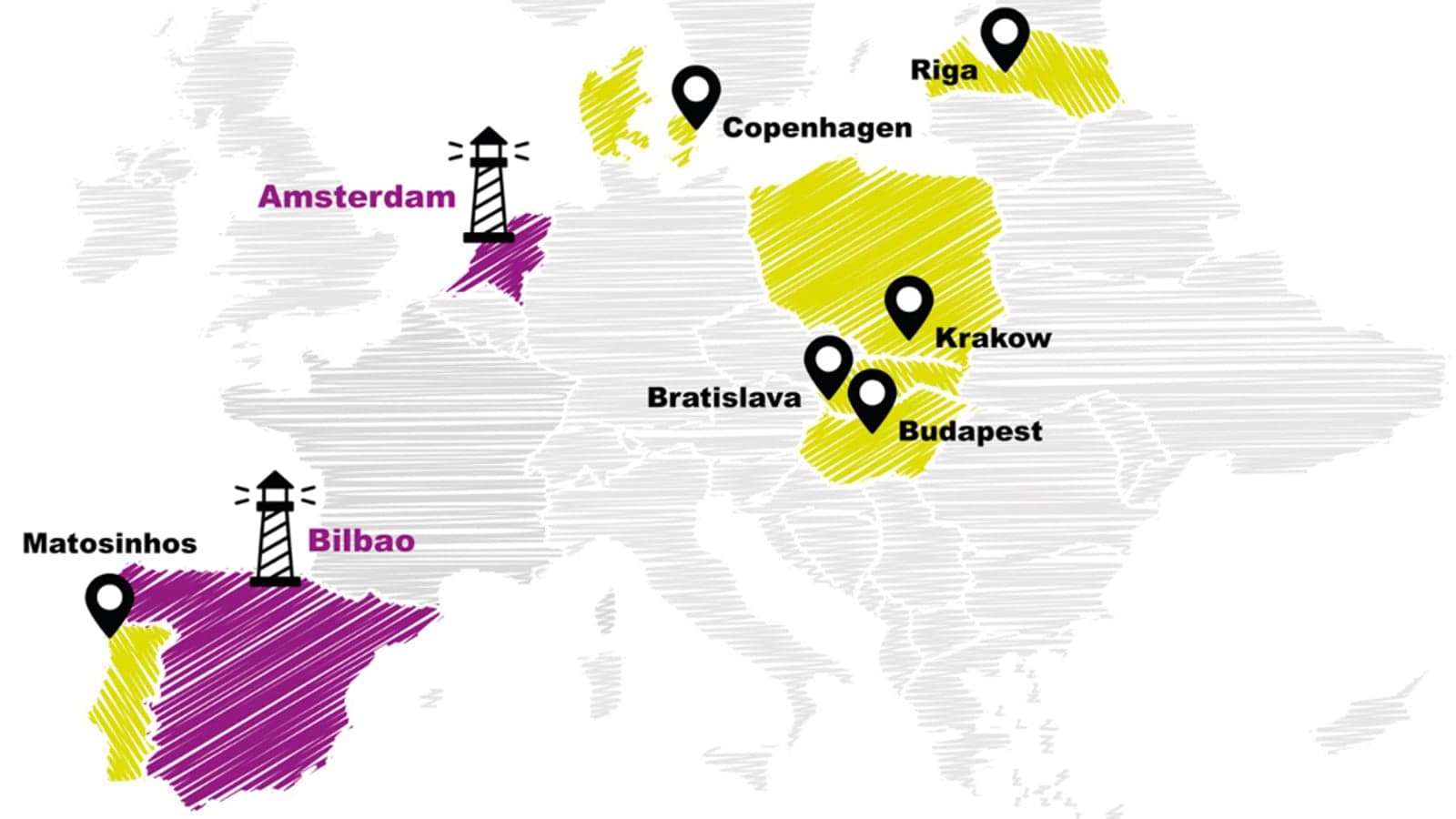
Its main objective is to realise positive energy districts in two lighthouse cities – Amsterdam and Bilbao – while six fellow cities – Bratislava, Budapest, Copenhagen, Krakow, Matosinhos and Riga – explore how these solutions can be replicated in their own contexts. The project aims to reduce approximately 1.7kt of CO₂ emissions through innovative approaches that combine technology, governance and citizen engagement.
ATELIER's positive energy districts integrate renewable energy sources, advanced efficiency measures and smart digital systems. These districts serve as living laboratories for solutions that can later be scaled up across Europe. ATELIER’s approach ensures that positive energy districts are not only technologically advanced but also economically viable and socially inclusive.
Recent developments and activities
In Amsterdam, the Republica neighbourhood has become a flagship example of local energy innovation. Residents share a common electricity connection supported by a smart, sustainable energy system that minimises strain on the grid. This demonstrates how decentralised energy solutions can relieve network congestion and improve resilience.
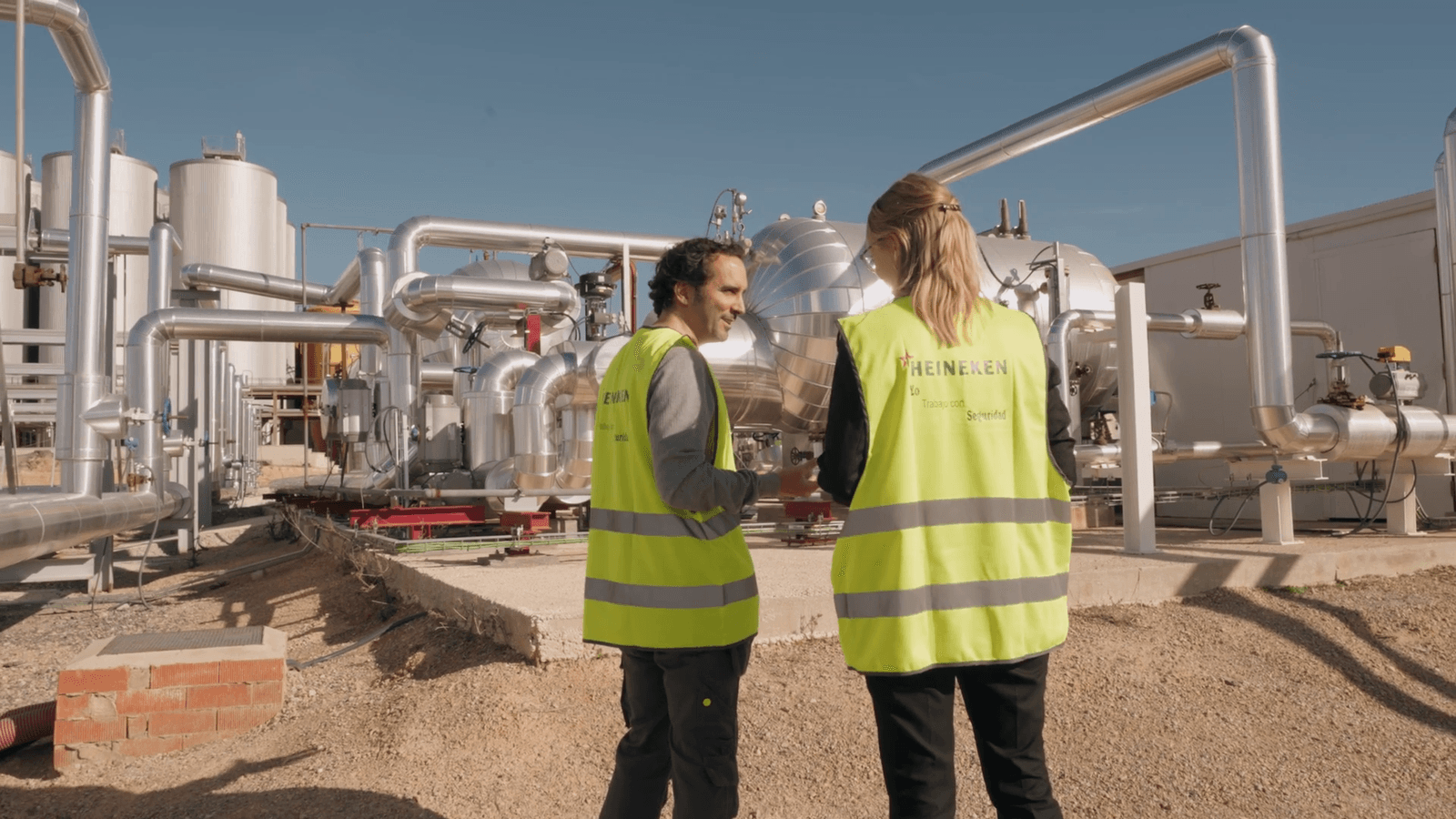
Bilbao, meanwhile, is advancing its positive energy district implementation in Zorrozaurre island with the progressive deployment of a low temperature 5th generation district heating and cooling network based on a geo-exchange system and the use of smart interaction tools such as a smart lighting pilot, where intelligent streetlight systems optimise energy use and transform the lighting network into a broadband data infrastructure. This pilot reduces energy consumption and improves maintenance processes, showcasing how digitalisation can enhance urban services.
The fellow cities also are making notable progress. Budapest recently received the EU Mission Label for Climate Neutral Cities, recognising its commitment to achieving climate neutrality by 2030.
In Matosinhos, efforts focus on decarbonisation and the creation of two pilot zones for positive energy districts and energy efficient urban areas, with initiatives aimed at improving thermal comfort in homes without increasing energy demand.
Bratislava launched the Mayor’s Climate Challenge, a voluntary cooperation program involving local businesses to accelerate climate goals.
Knowledge sharing remains a key pillar of ATELIER. The 7th Fellow Cities Event, held in Amsterdam in March 2025, brought together city representatives to discuss strategies for accelerating the energy transition. These events foster peer learning and help cities develop tailored replication roadmaps.
Riga hosted ATELIER’s General Assembly in June 2023, focusing on evaluation and monitoring of key performance indicators (KPIs) in lighthouse cities – a crucial step for assessing the real impact of positive energy districts and ensuring alignment across the consortium.
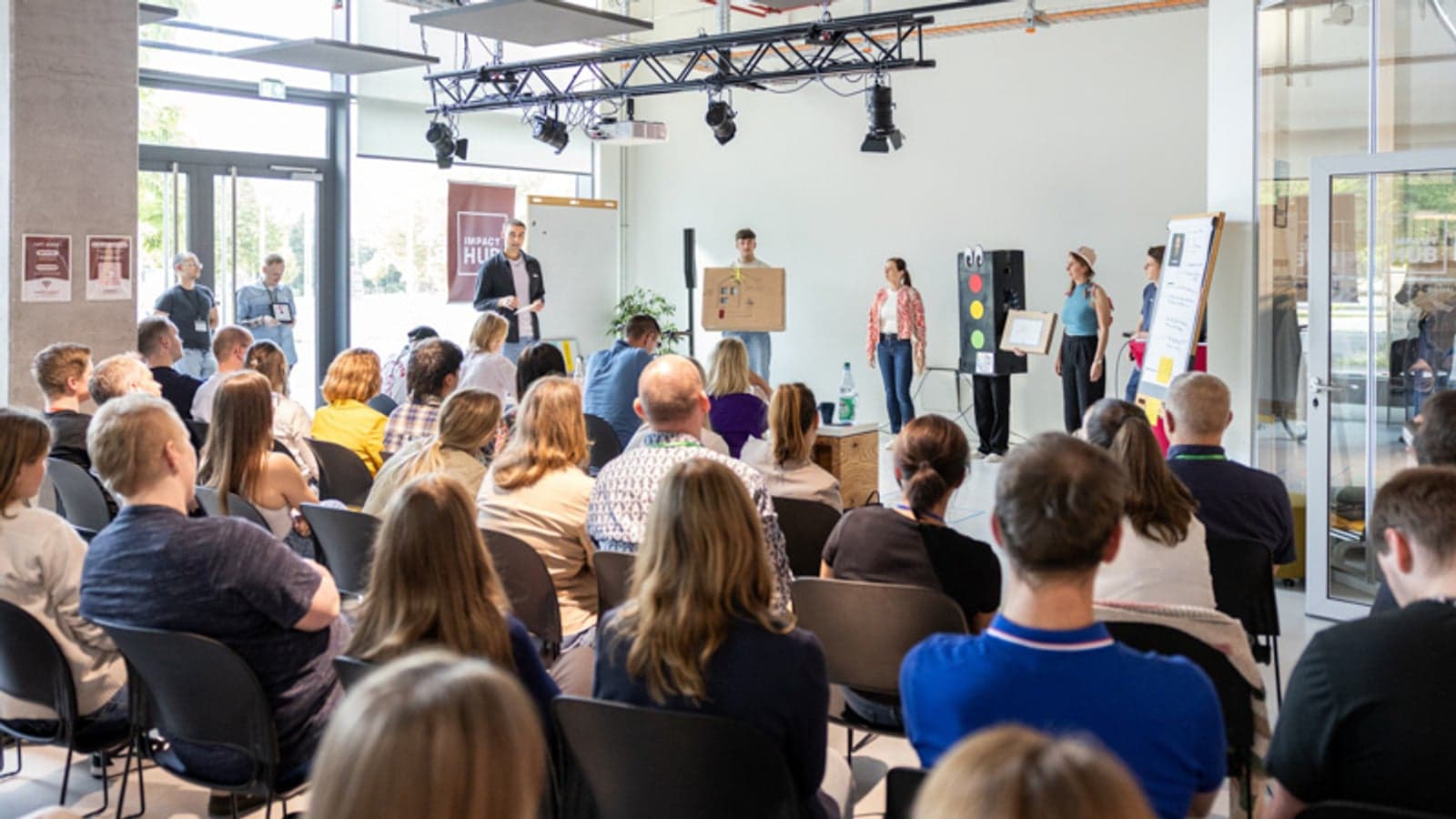
ATELIER has also introduced 'Innovation Ateliers', collaborative spaces where stakeholders co-create solutions for energy systems and business models. These Ateliers have produced practical recommendations for integrated urban planning and regulatory adjustments, helping cities overcome legal and administrative barriers.
Citizen engagement continues to be a cornerstone of ATELIER’s success. Creative interventions and citizen science initiatives have enabled residents to contribute data and insights for positive energy district development. Awareness campaigns and co-creation workshops have strengthened social acceptance, ensuring that solutions reflect community needs and foster behavioural change.
Looking ahead
As ATELIER enters its final phase, the focus is on monitoring and evaluation to quantify the benefits of positive energy districts and refine strategies for replication. The project’s legacy will be a set of proven methodologies, governance models and financing schemes that empower cities across Europe to accelerate the energy transition.
By combining technological innovation, collaborative governance and citizen participation, ATELIER offers a replicable model for creating liveable, resilient and climate-neutral urban environments.
About the author
Bettina Remmele is Communication and Dissemination Manager at Steinbeis Europa Zentrum.
Most popular
Join the community for freeAnd get access to all content
Related projects
ATELIER
1 November 2019 - 1 April 2026
View project