Making cities climate neutral with NEUTRALPATH
Guest/partner contributor
Posted on: 9 December 2025
The EU funded project NEUTRALPATH leads community labs to turn climate goals into real-world actions that can accelerate transformation in cities.
Across Europe, many cities are accelerating their journey to climate neutrality by putting innovation and citizen engagement at the centre of urban transformation.
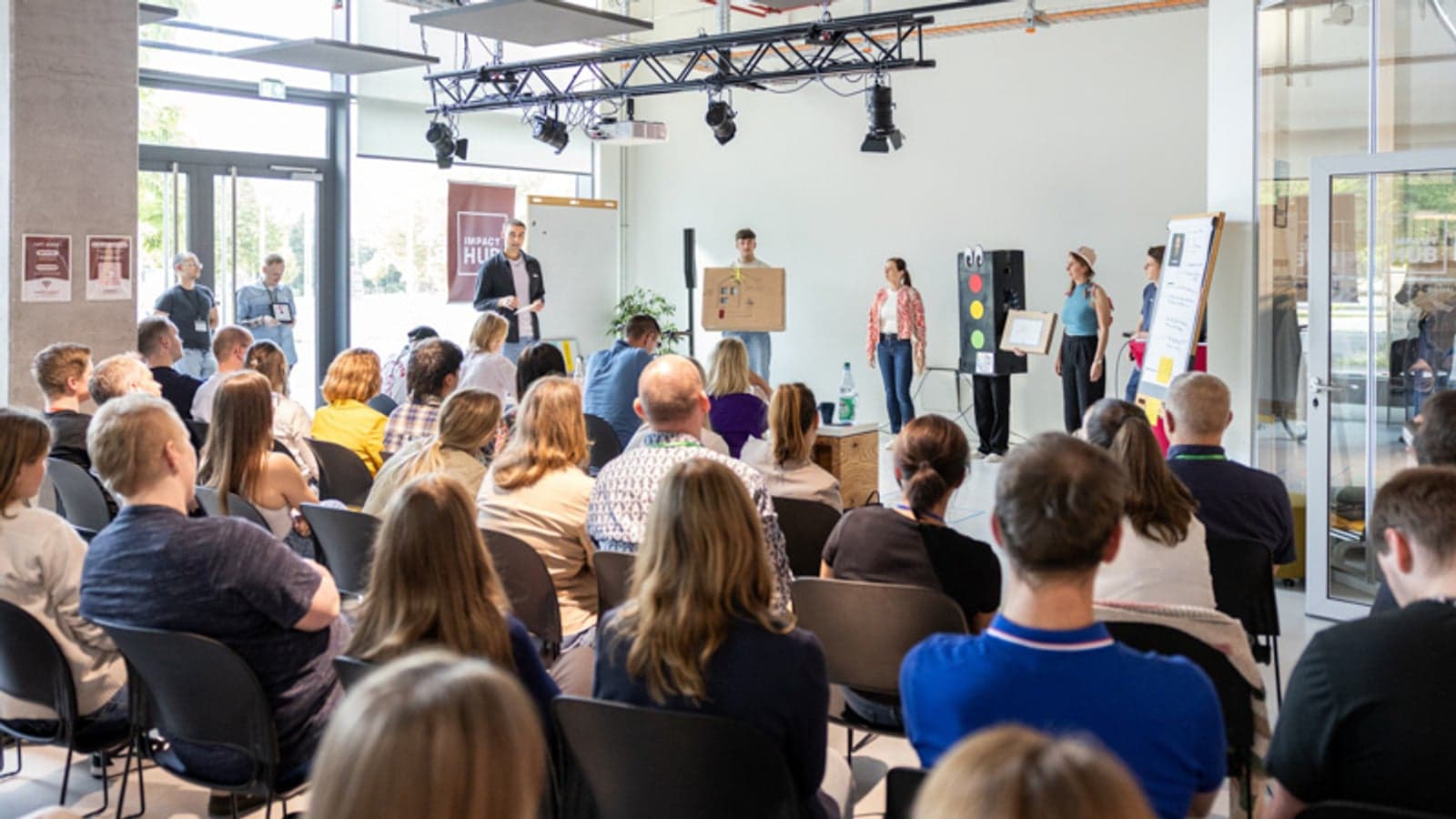
In September 2025, the city of Dresden hosted an Innovation Challenge, a fast-paced design thinking competition focused on two goals: designing a co-creation lab for climate and energy use and visualising energy flows in plus-energy district neighbourhoods that generate more energy than they consume.
Teams of professionals and stakeholders developed prototypes for an immersive experience space in Dresden including an energy usage monitoring unit using a traffic-light display, an illuminated stepping field and a bicycle-powered generator to make energy consumption visible and interactive for residents.
These solutions are feeding directly into NEUTRALPATH’s ongoing work in Dresden to support the city’s journey toward climate neutrality.
Bringing citizens into the innovation loop
At Sustainable Places 2025, NEUTRALPATH presented its model for citizen labs in Dresden and four other cities, Zaragoza, Ghent, Istanbul and Vantaa.
Each pilot city is tackling climate neutrality with localised strategies rooted in shared principles. While their contexts vary, all five cities are aligning with a common mission: to turn climate ambition into visible change through community activation and design-led experimentation.
The result is a growing ecosystem of urban actors working not in isolation, but in concert.
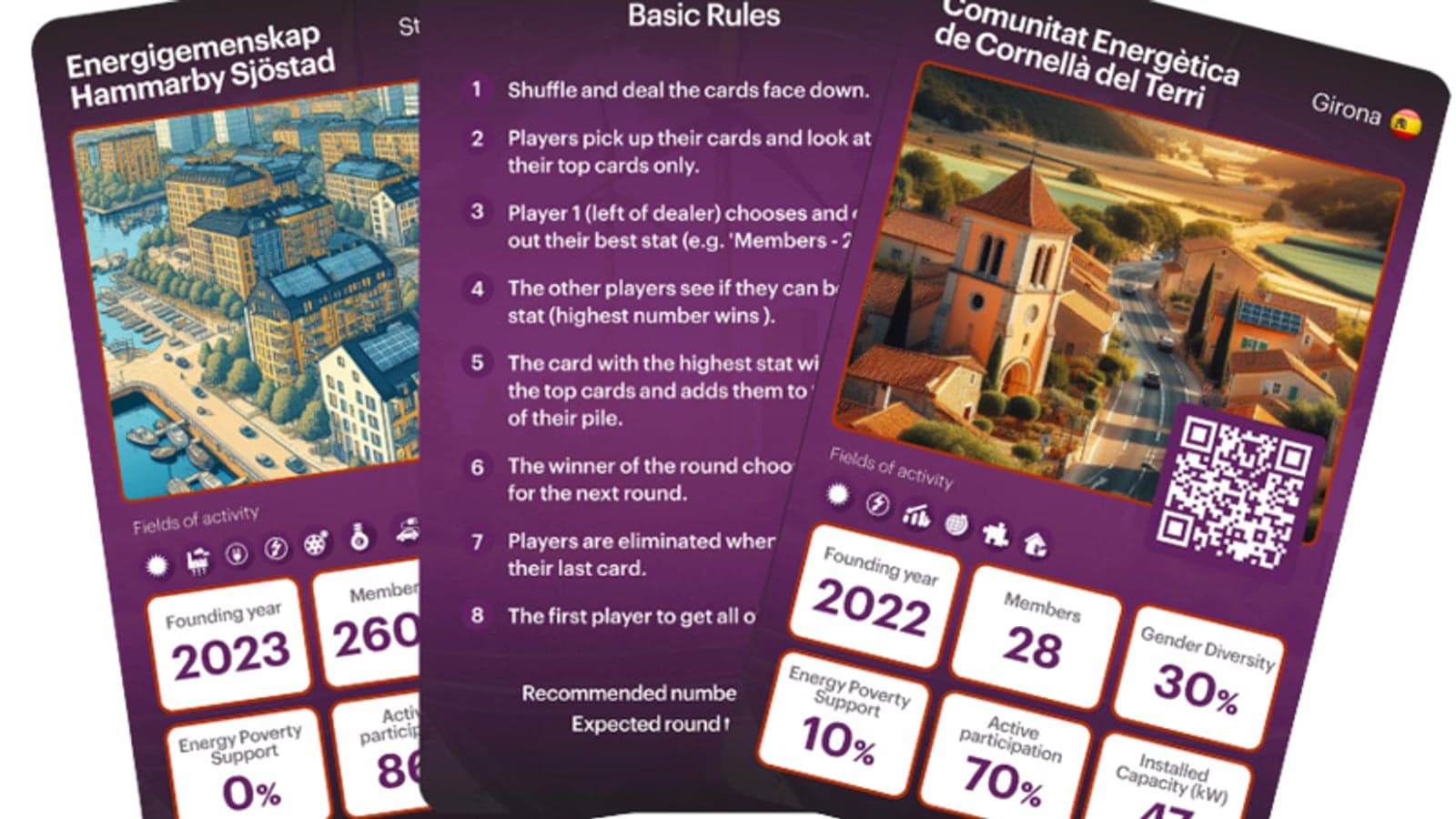
The core idea is about engaging citizens, NGOs, public authorities, industry and academia from the start: defining vision, governance and action plans together results in solutions that are more likely to be accepted. Interactive tools like board games, digital totems and world cafés help surface the real needs of tenants, homeowners and vulnerable groups.
The power of local engagement is well exampled by the Zaragoza open day, which drew more than 150 committed participants eager to help shape more liveable city districts.
What makes it work
These strategies are establishing a replicable practice where cities can pilot and scale up climate-neutral solutions by focusing on visibility, effective governance and meaningful engagement.
Three factors underpin the project’s approach:
- Experimentation in real-life settings: design challenges and living labs turn ambitious goals into practical actions embedded in daily life.
- Multi-stakeholder governance: involving diverse actors from the beginning supports efficient co-creation, alignment of objectives, and easier replication.
- Citizen-centred methods: gamified, visual and inclusive approaches make climate and energy topics tangible, building awareness and a sense of ownership in the community.
Looking ahead
NEUTRALPATH is now focused on replicating and upscaling its best practices. Insights from the Dresden Innovation Challenge and citizen labs in the other cities will refine governance models and toolkits.
The aim is enabling more cities to adopt the lab-based approach, build climate-neutral districts and foster inclusive innovation ecosystems. As urban systems transform, inclusive, people-focused models are more urgent than ever, NEUTRALPATH demonstrates that making climate solutions accessible and participatory is central to achieving real impact.
When citizens are empowered and governance is truly collaborative, cities can move from strategy to action, creating lasting benefits for communities across Europe.
About the author
Federico La Torre has contributed as communication officer to several European initiatives, promoting smart, sustainable cities and circular economy models since 2019. Prior to joining ICONS and the NEUTRALPATH project in 2025, he expanded his expertise by working with aspiring entrepreneurs and innovative startups at the BIC Incubator in Genoa.

Latest in Digitalisation
All articlesPartner content
+1
Digital water management: Empowering utilities with scientific decision-making
As urban water distribution networks continue to expand and water resource management becomes increasingly complex, water utilities are facing growing operational challenges.
- Guest/partner contributor
- 03/07/2026