Innovative solutions for a greener rural future: Inside the ECOLOOP project
Guest/partner contributor
Posted on: 21 August 2025
As Europe pushes forward with its green transition, the ECOLOOP project is showing how rural areas can lead the way, not just by adopting clean energy, but by transforming how we manage land, waste and biodiversity.
As Europe pushes forward with its green transition, the ECOLOOP project is showing how rural areas can lead the way, not just by adopting clean energy, but also by transforming how we manage land, waste and biodiversity.
The ambitious project, funded by the Horizon Europe programme, is pioneering a set of integrated, nature-based solutions that turn agricultural residues into biogas, optimise renewable energy use and support farmers with smart digital tools; all while restoring soil health and empowering local communities.
A new role for Europe’s farmers
Involving agricultural communities in the energy transition is not only strategic, but also essential. From reducing carbon emissions and enhancing energy self-sufficiency to improving waste management and boosting biodiversity, the benefits are wide-ranging.
But there's more: sustainable energy integration also leads to healthier soils, reduced groundwater contamination and stronger rural resilience, factors that are often overlooked in energy debates. These are just some of the reasons behind ECOLOOP, which is designed to make the green energy transition work for rural areas.
Led by a multidisciplinary consortium, ECOLOOP takes a holistic approach that unites clean energy, ecological restoration and social innovation. The project focuses on optimising biogas production from agricultural and forestry waste, combining multiple distributed renewable energy sources (biogas, solar PV, geothermal), and supporting farmers and foresters through new agricultural protocols, bio-based products and business models.
The goal: “To foster a green energy transition and circular economy in rural regions, creating jobs, advancing gender equality, restoring biodiversity, and improving resilience to climate change," states Sheila Sánchez, project coordinator at ETRA for the ECOLOOP project.
To deliver this, ECOLOOP is advancing seven innovations that are being tested in four pilot sites in Spain, Estonia, Bulgaria and Slovenia.
Turning waste into energy
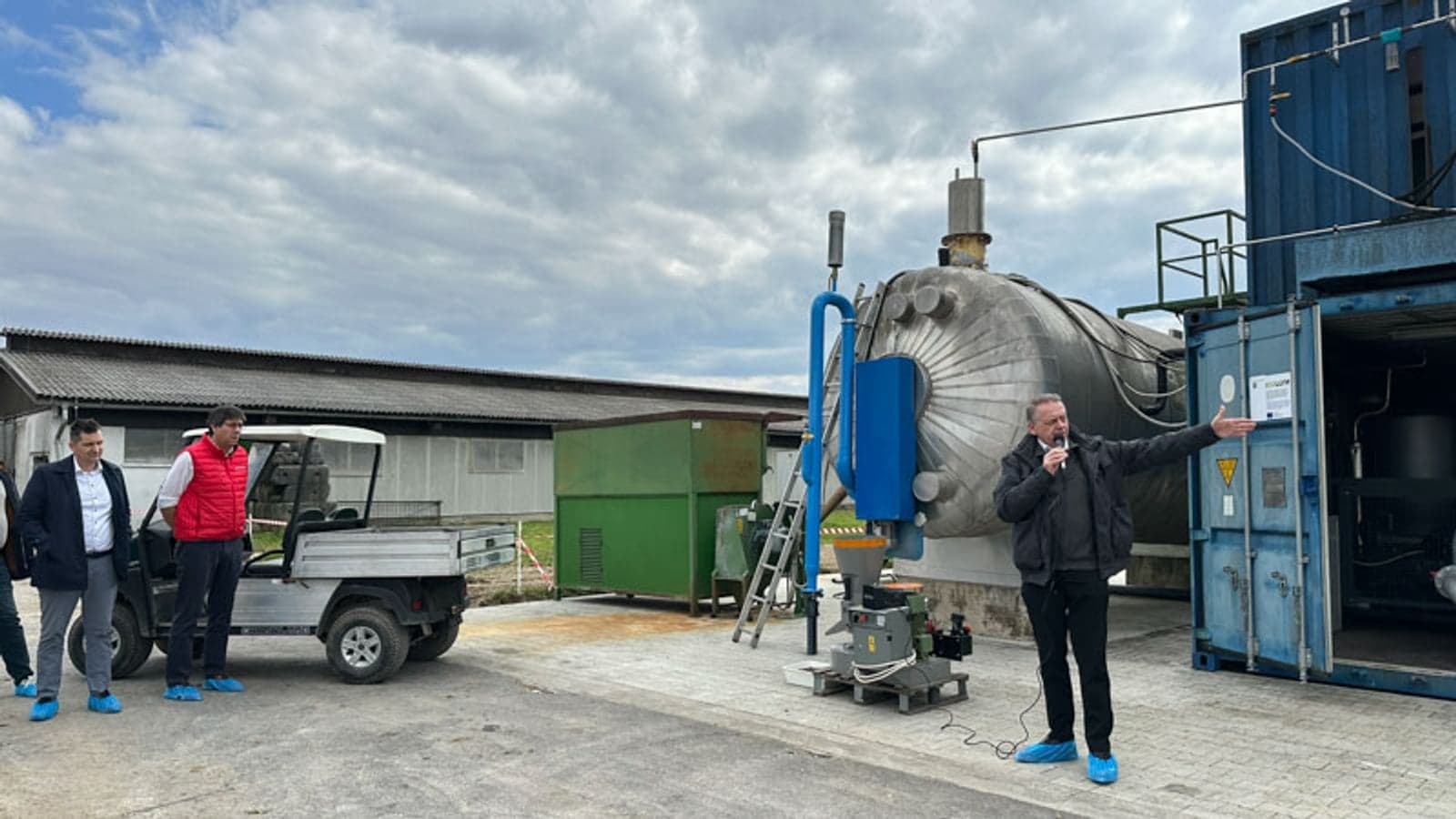
One of the project's flagship solutions is the conversion of agricultural waste into biomethane. The project is building a rural-based, flexible system that transforms local agricultural and agroforestry residues into biomethane, a clean and efficient fuel. By optimising anaerobic digestion, it maximises both energy production and the generation of digestate – an organic by-product that can replace mineral fertilisers, supporting more sustainable soil management.
The innovation doesn't stop there. ECOLOOP is also testing the use of advanced hydrophobic membrane technology to produce vehicle-grade biomethane. Innovation lies in both technology and feedstocks: the project is evaluating the potential of underutilised vegetal residues, such as fruit and vegetable waste, which are often excluded from today’s energy systems.
This solution benefits a wide range of stakeholders, from farmers and landowners to biogas plant operators, agricultural communities and renewable energy cooperatives. By turning waste into energy and energy into opportunity, ECOLOOP helps rural areas become active players in the green transition: resilient, energy independent and climate smart.
Smart energy integration, grounded in local reality
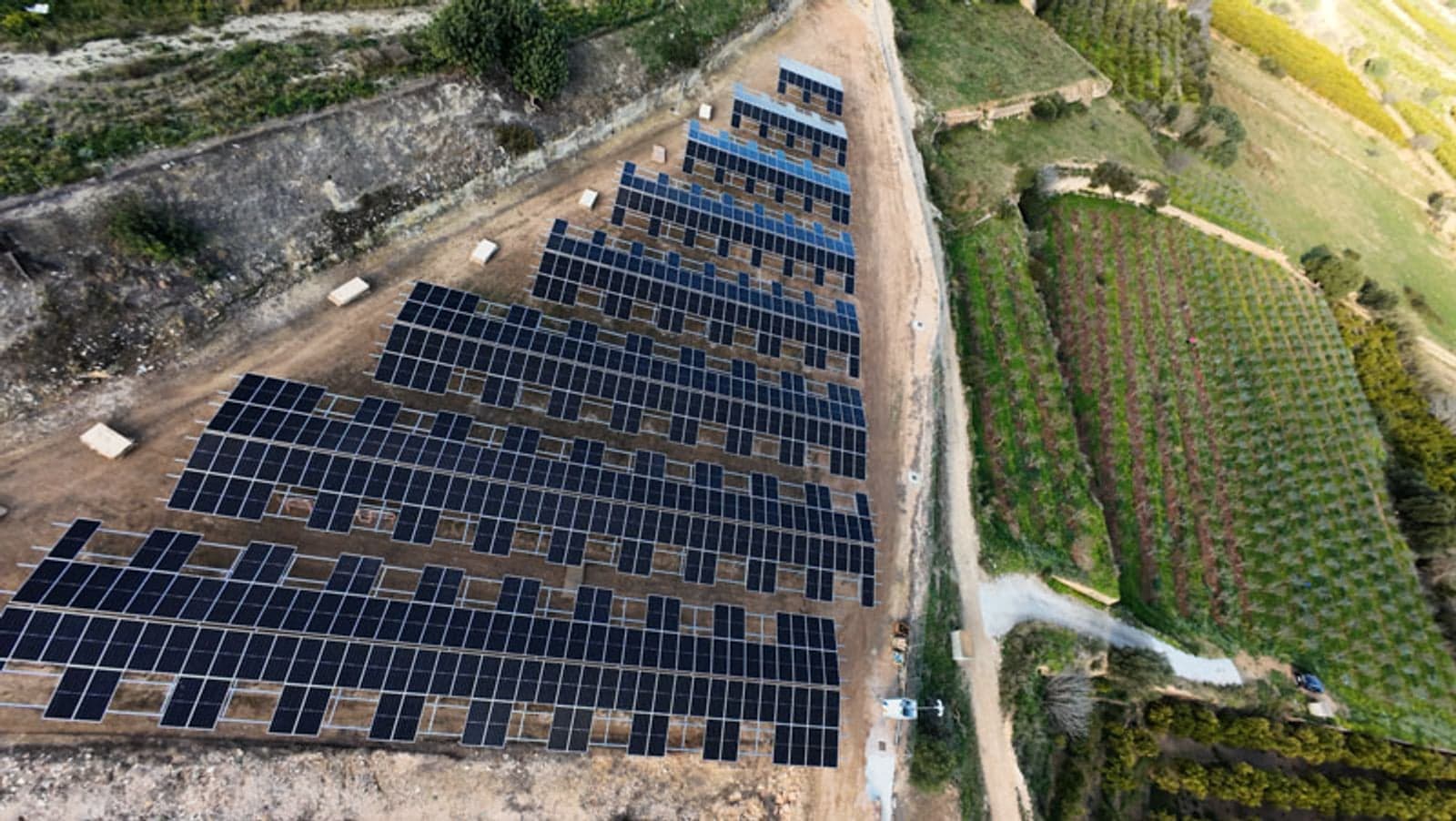
In parallel, ECOLOOP optimise the combination of renewable energy sources – integrating biogas, solar PV and geothermal energy – in rural areas through a smart, site-specific approach. This involves optimising the mix of renewable energy sources, considering not just energy potential, but also soil conditions, climate, topography, land use and socio-economic factors.
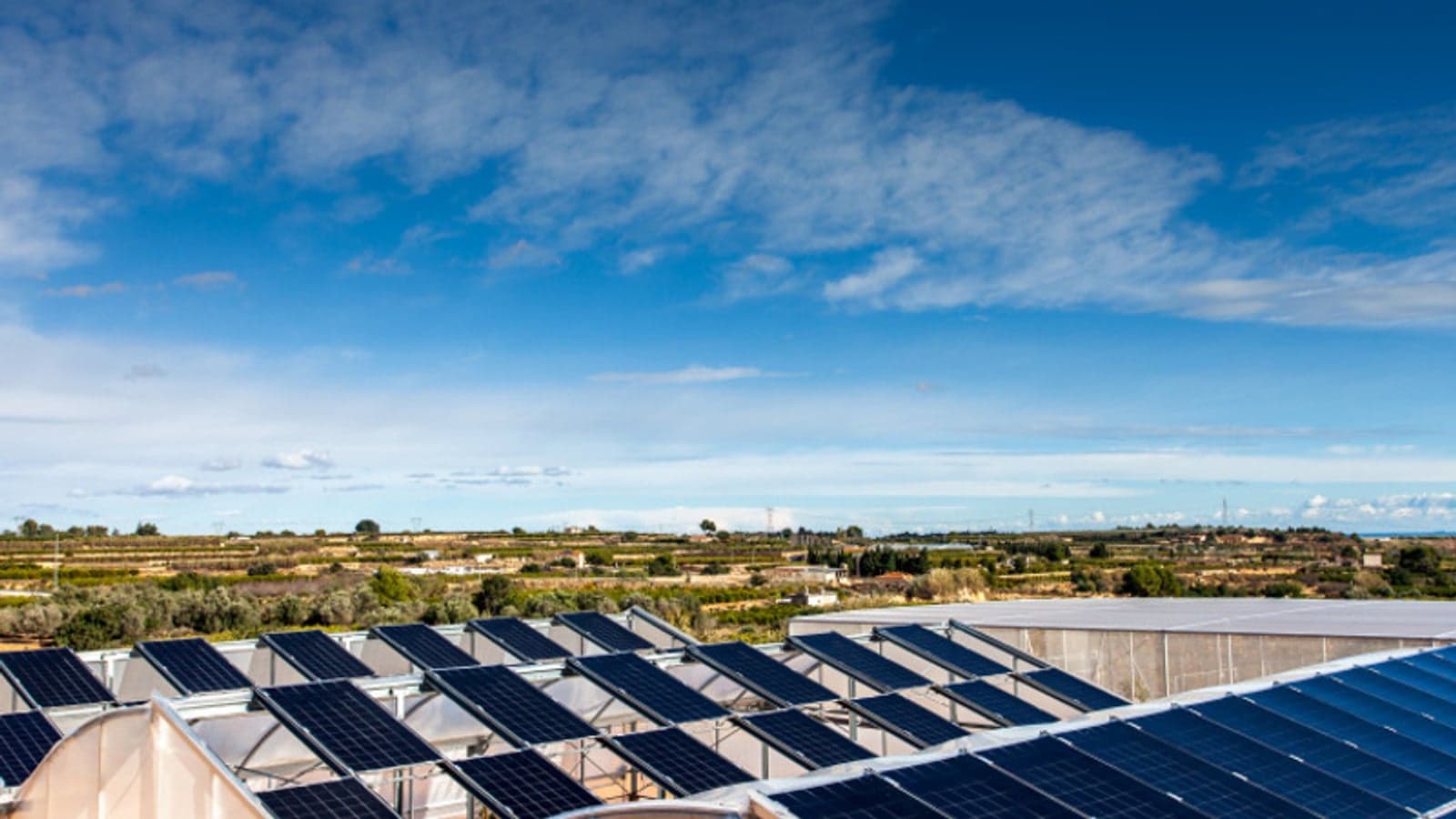
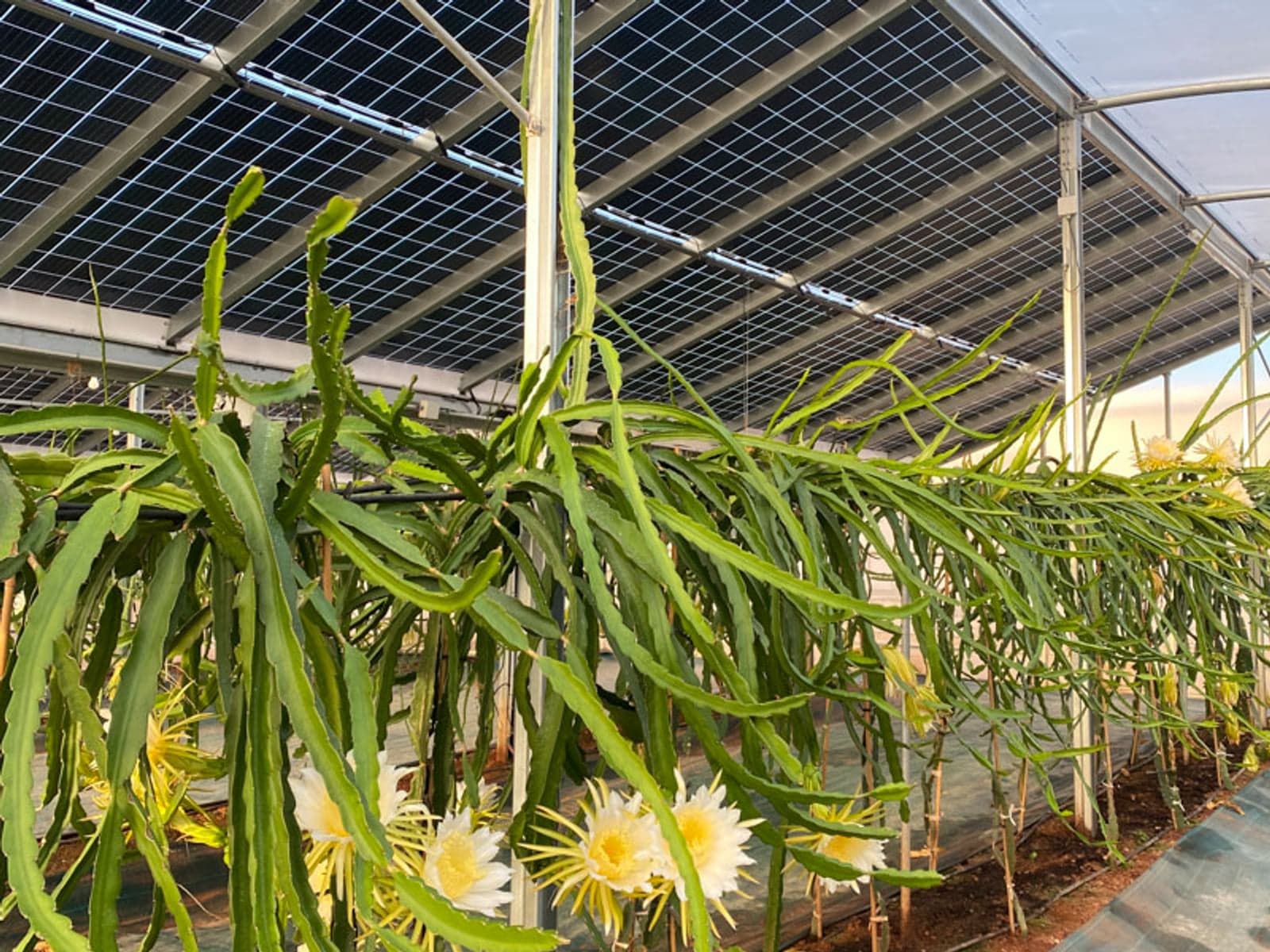
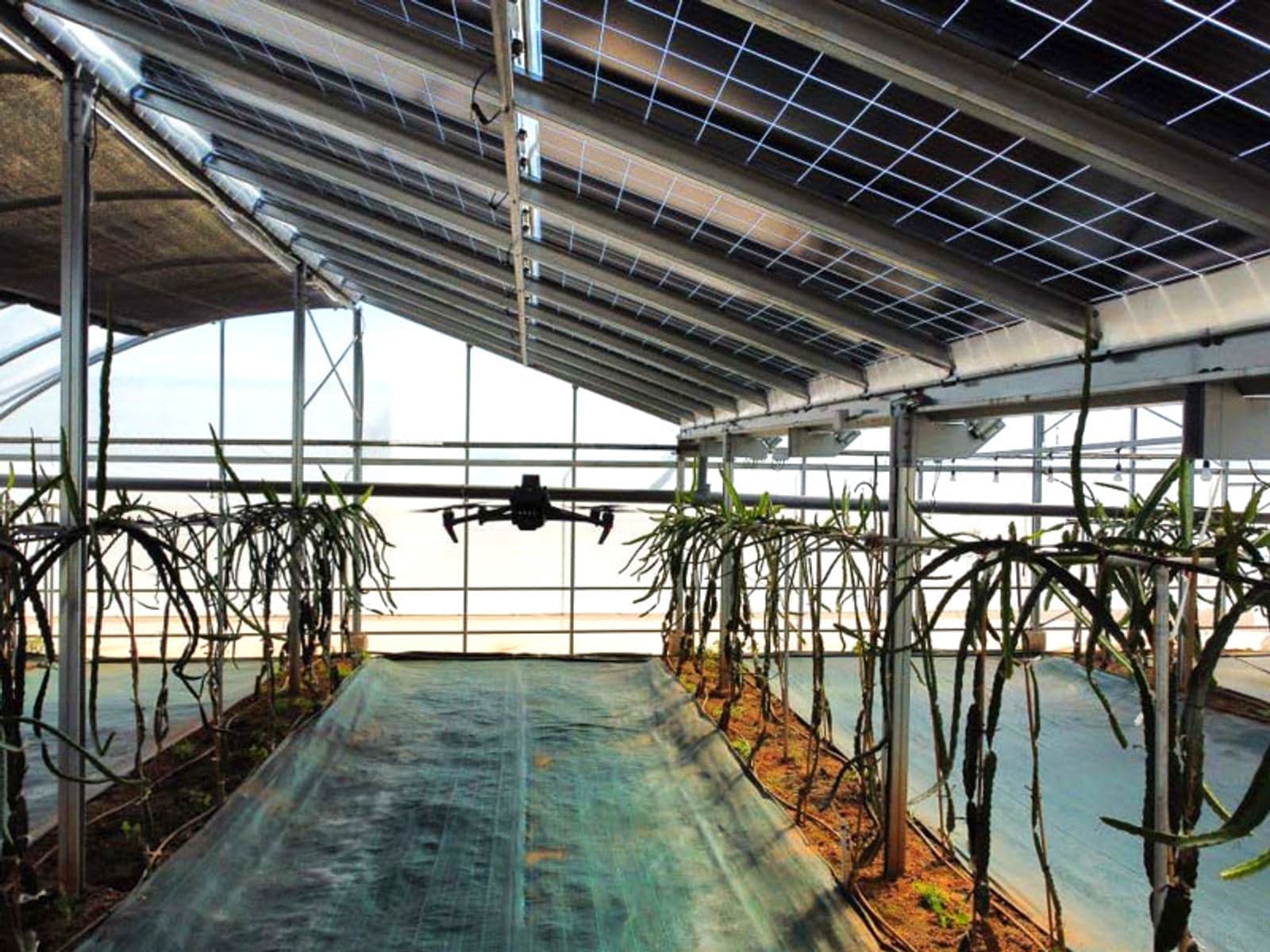
In the Spanish pilot site located in Picassent in Valencia, early activities have included comprehensive assessments to guide the installation of agri-PV and geothermal systems. This involved soil corrosion tests, subsoil resistivity analyses, structural design evaluations and studies of crop thermal requirements. Three energy balance scenarios were explored, and the geothermal system was dimensioned accordingly.
Digital tools to power smarter farming
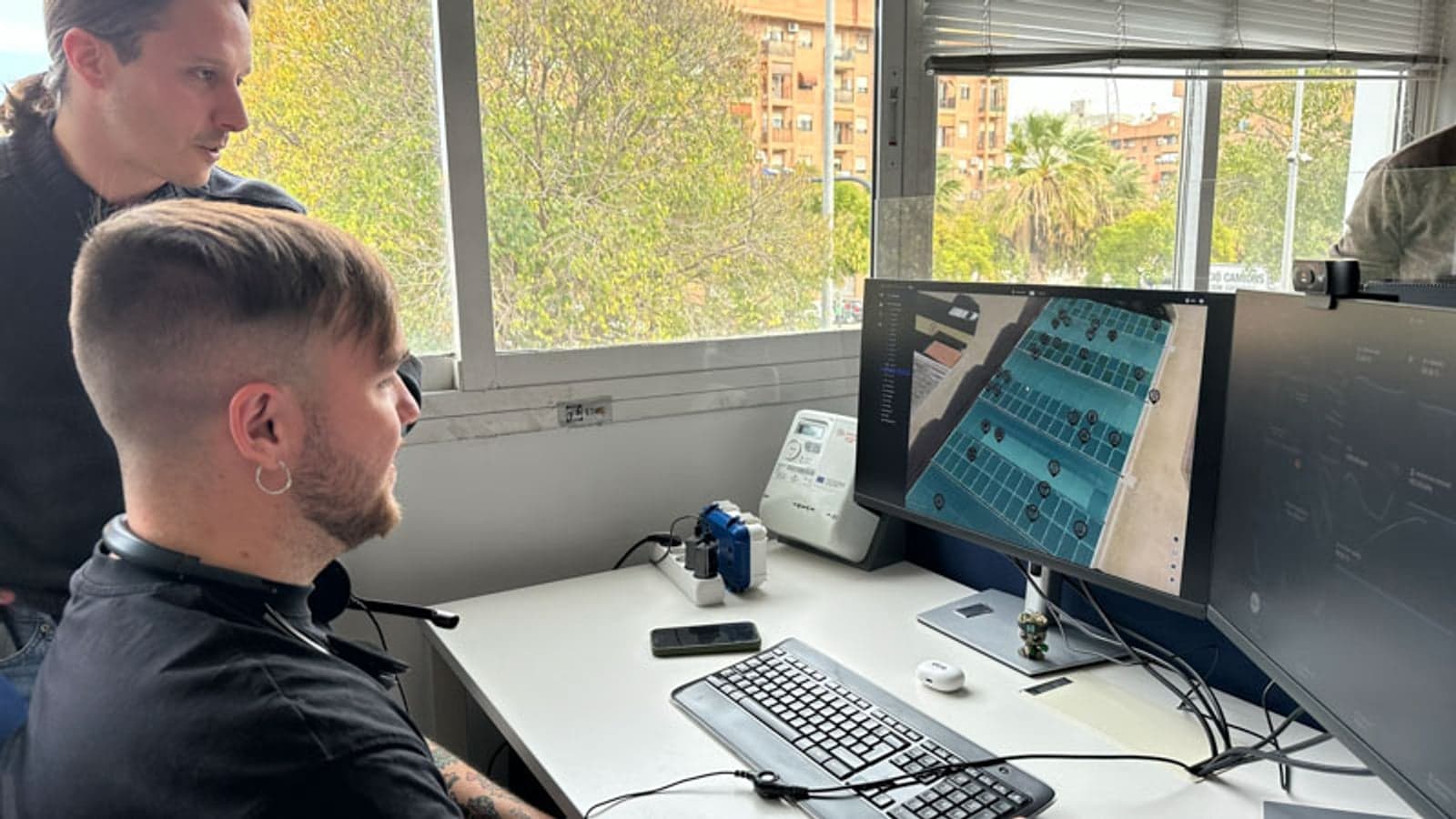
Clean energy is only part of the equation. To improve productivity and efficiency, ECOLOOP is also equipping farmers with innovative digital tools. Developed by project coordinator ETRA I+D, the Decision Support Tool for Farmers and Foresters allows users to remotely monitor and manage both agricultural operations and energy use.
The system uses real-time data, AI, and smart modelling to generate customised recommendations for irrigation, fertilisation and energy management. With its user-friendly dashboard, the platform enables remote control of irrigation systems and renewable energy devices. It also includes notifications, event tracking and automated decision support, helping farmers act quickly and efficiently. This will reduce the amount of time that farmers and foresters have to spend physically working on their crops and carrying out manual tasks.
Currently, the tool is being refined and updated with new measurements to enhance its accuracy and functionality. In doing so, it empowers rural communities to embrace digitalisation and data-informed farming, while cutting emissions and increasing resilience.
A broader vision for green rural futures
Beyond its energy systems, ECOLOOP contributes to key EU Green Deal goals through a range of complementary innovations. These include the development of bio-based products from agroforestry waste, the selection of tree species that maximise carbon sequestration, and tools to support farmers as renewable energy prosumers.
ECOLOOP also promotes co-creation and knowledge exchange through its participatory Soil Living Lab, where stakeholders, researchers, and communities collaborate to test, adapt, and scale sustainable practices.
Discover ECOLOOP in action at ENLIT Bilbao!
To explore ECOLOOP’s innovations, pilot sites and latest results, visit the website and follow the project on social media for real-time updates. Don’t miss the introductory video and the Valencia pilot site visit, featured by Enlit.
ECOLOOP will also be present at the upcoming EU Project Zone at Enlit Europe 2025 in Bilbao, we look forward to seeing you there!
About the authors

Raquel Castán Vidal is Communication Manager for EU Projects at ETRA. She holds a bachelor’s degree in environmental sciences and master’s in environmental risk management and in journalism and is currently leading the communication strategy and actions for several EU-funded projects coordinated by ETRA, including ODEON, ECOLOOP, EBENTO, and R2D2.
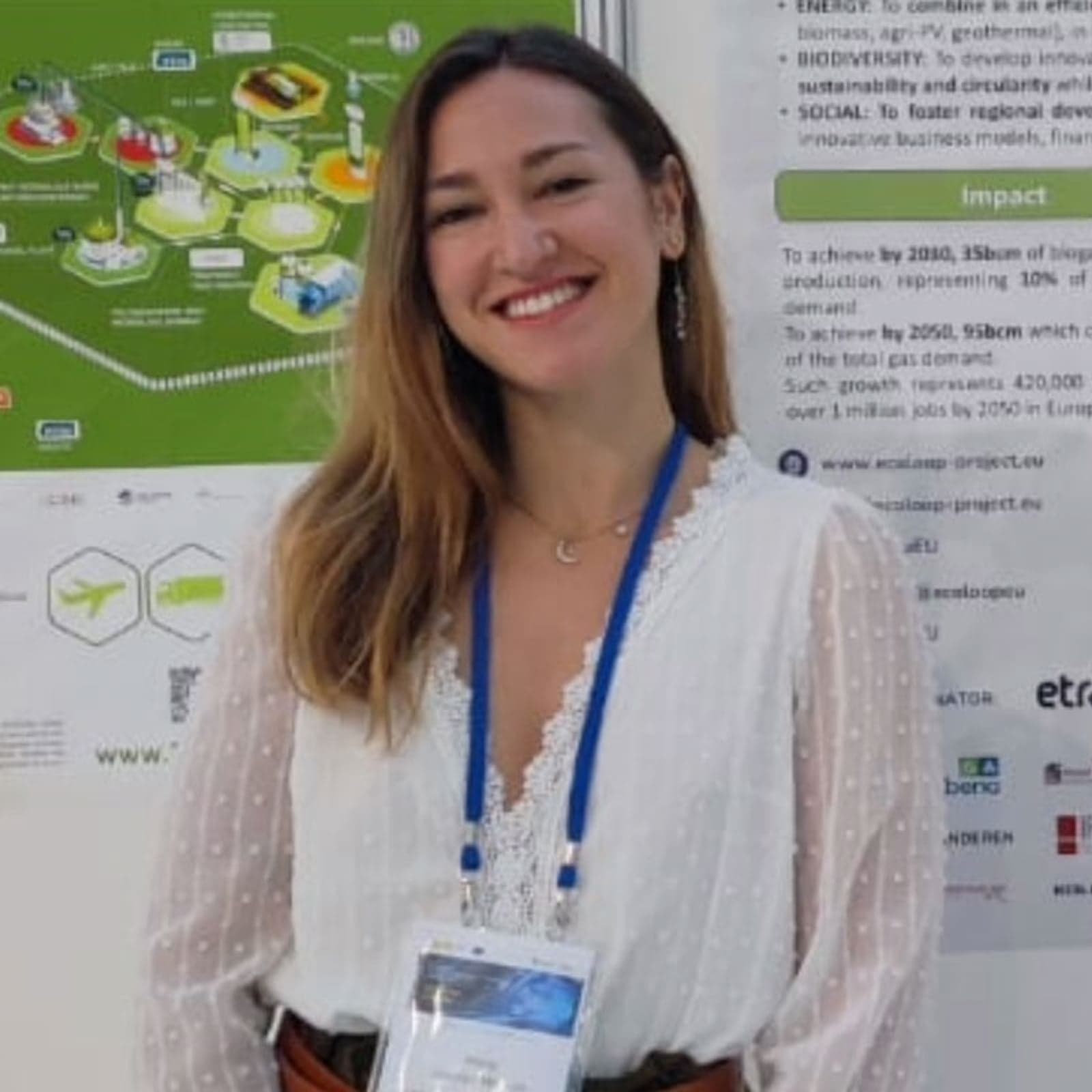
Sheila Sánchez Mínguez is Project Manager at ETRA. She holds a bachelor’s degree in biotechnology from the Universitat de València and a master’s degree in project management from the Universitat Politècnica de València and is currently leading the coordination of Horizon EU ECOLOOP project.
Most popular
Join the community for freeAnd get access to all content
Related projects
ECOLOOP
+2
1 October 2023 - 30 September 2027
View projectLatest content
+5
ECOLOOP: Empowering rural communities for the energy transition
The ECOLOOP project is transforming how rural communities manage land, waste and energy by equipping farmers and foresters with tools, knowledge and innovative business models to harness renewable energy, improve soil health and cut carbon emissions, while generating new economic opportunities.
- Guest/partner contributor
- 10/06/2025
+6
From data to decisions: ECOLOOP powers smart farming with renewable energy
Across Europe, rural communities are facing the dual challenge of increasing agricultural productivity while reducing energy consumption and carbon emissions. The ECOLOOP project, funded by Horizon Europe and coordinated by ETRA I+D, is tackling this challenge head-on.
- Guest/partner contributor
- 23/09/2025
+5
ECOLOOP: Pioneering renewable energy and circularity in agriculture
Project ECOLOOP is on a mission to include the agricultural sector in the energy transition through renewable energy integration and the promotion of circular farming practices. Enlit on the Road travelled to Valencia to find out how the project is taking shape.
- Julia Kramer
- 25/03/2025