From data to decisions: ECOLOOP powers smart farming with renewable energy
Guest/partner contributor
Posted on: 23 September 2025
Across Europe, rural communities are facing the dual challenge of increasing agricultural productivity while reducing energy consumption and carbon emissions. The ECOLOOP project, funded by Horizon Europe and coordinated by ETRA I+D, is tackling this challenge head-on.

Across Europe, rural communities are facing the dual challenge of increasing agricultural productivity while reducing energy consumption and carbon emissions. The ECOLOOP project, funded by Horizon Europe and coordinated by ETRA I+D, is tackling this challenge head-on.
As highlighted in the European Commission’s Communication on the Future of Food and Farming, knowledge, innovation and digitalisation are essential to improving the Common Agricultural Policy (CAP) and the EU farm sector, supporting environmental care and efficient policy implementation.
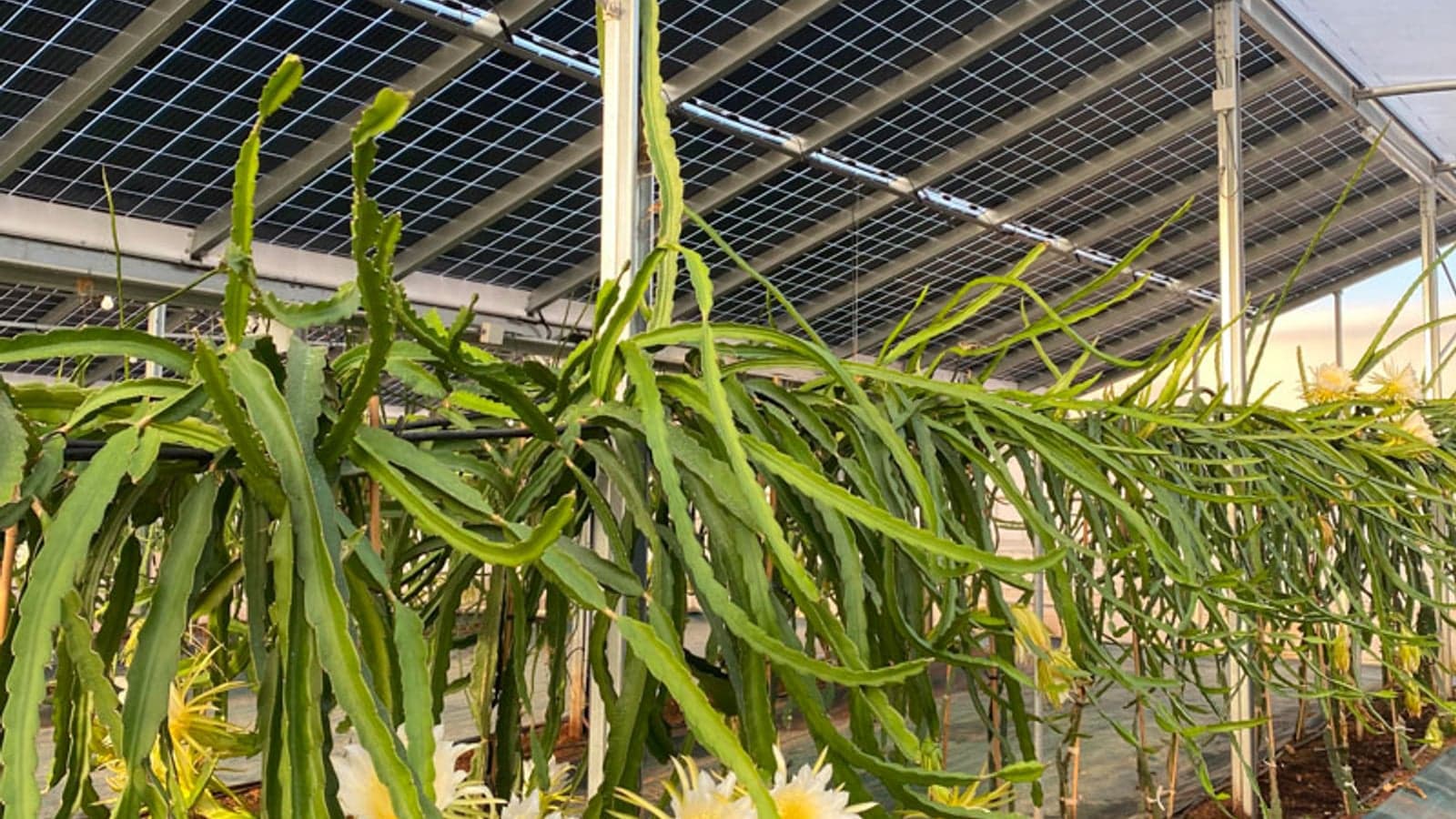
Modern technologies allow precise monitoring of crops, weather, and resource use – maximising yields while reducing inputs and environmental impact. Robotics enhance efficiency without increasing land use, while IoT has become central to smart farming, with sensors tracking soil and leaf moisture, temperature, humidity, precipitation, solar radiation and more. These tools even support emerging practices such as agrivoltaics.
Such digital solutions advance broader EU priorities, including the European Green Deal, the Farm to Fork Strategy and REPowerEU, fostering sustainability, renewable energy integration and climate resilience in agriculture and forestry.
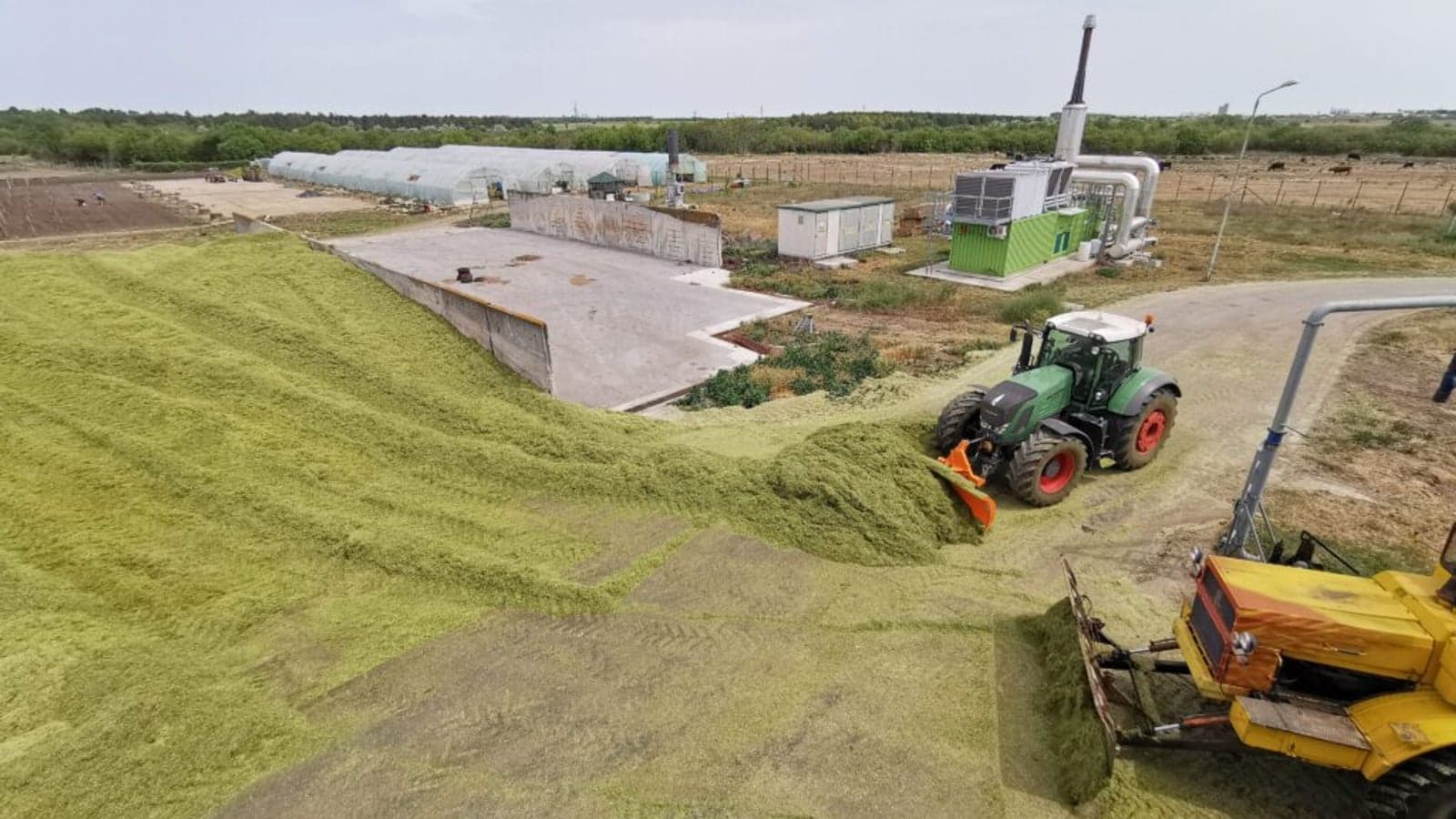
From crops to energy
Currently, IoT in agriculture is mainly applied to monitoring, tracking and tracing crops, but its potential reaches far beyond. By combining IoT with big data, the ECOLOOP project helps farmers close the supply–demand gap, ensuring higher yields, profitability and environmental protection while also boosting energy efficiency, reducing consumption and greenhouse gas emissions, and increasing the use of renewable energy from distributed sources such as biogas and photovoltaics.
ECOLOOP goes further by connecting agricultural productivity with renewable energy efficiency through its decision support tool (DST), which provides real-time insights into agricultural operations – such as irrigation, fertilisation and soil conditions – together with energy flows from biogas, photovoltaic and agrivoltaic systems. This holistic energy–biodiversity–social approach empowers farmers and foresters to become active prosumers, integrating biogas, agri-PV and geothermal solutions, improving soil health and biodiversity through bio-based practices, and enabling near-real-time management of production and energy.
In this way, ECOLOOP promotes sustainability, accelerates the adoption of clean technologies, and strengthens rural economies.
“The ECOLOOP’s DST creates a synergy between farm and forest production and renewable energy generation. Instead of treating energy and agriculture as separate domains, ECOLOOP models them together, using data-driven intelligence to find the spot where both crop/forestry yields and energy use are maximised,” explains Sheila Sánchez, project coordinator of ECOLOOP.
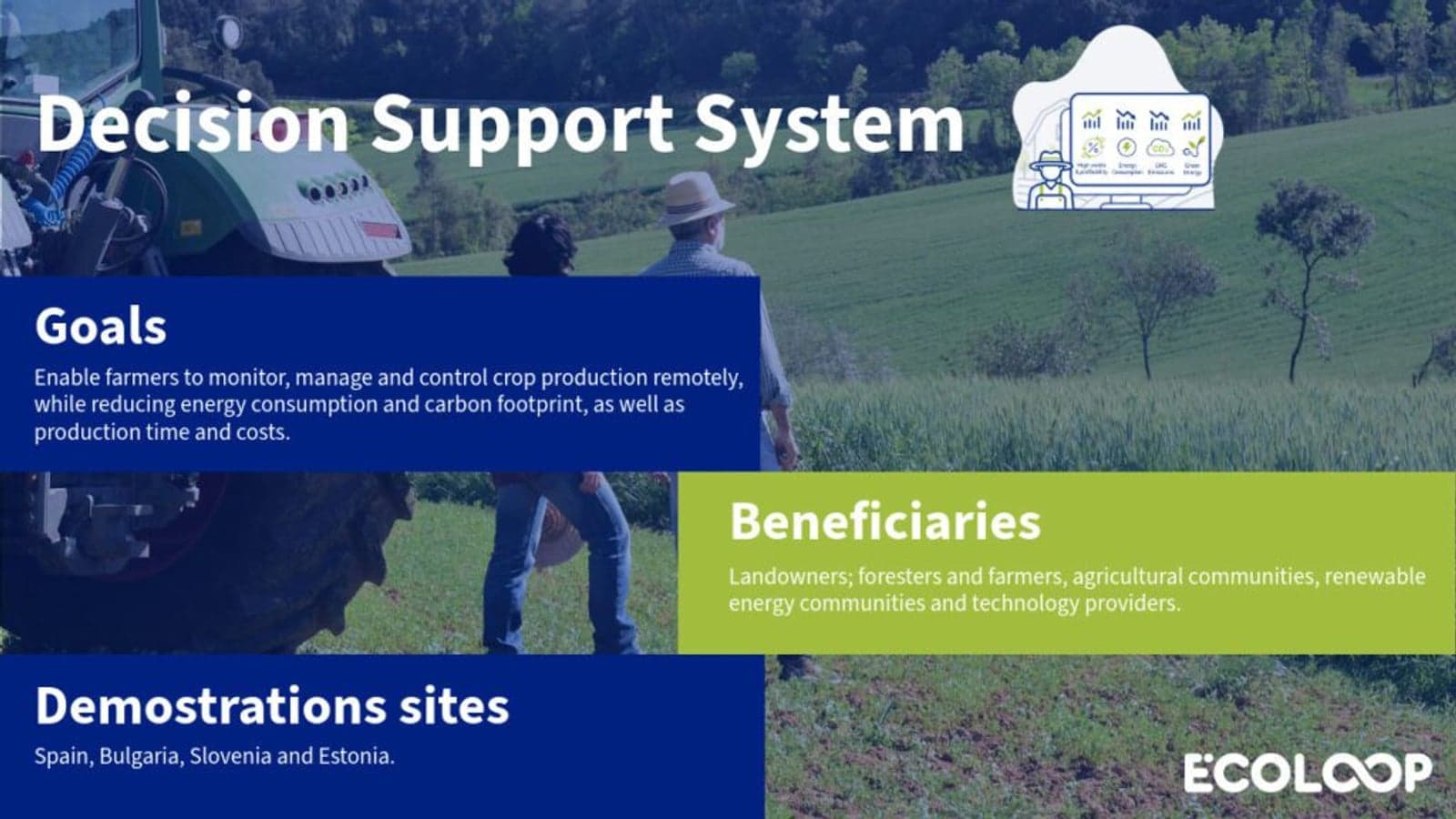
Developed for beneficiaries such as landowners, farmers, foresters, agricultural and renewable energy communities and technology providers, the decision support tool distinguishes itself from existing solutions by integrating agronomic sensor data with energy-system monitoring. Pilot sites in Spain, Bulgaria, Estonia and Slovenia feed data into the platform, which uses AI-powered models to recommend actions and prevent inefficiencies.
Unlike typical farm IT solutions, ECOLOOP combines agronomy with multiple renewable assets – biogas, PV/agrivoltaics, and geothermal – in a single platform. Its scalable IoT-based architecture, built on ETRA’s CITRIC platform which leverages microservices architecture with event-driven communication, supports rural connectivity, interoperability and replication across sites.
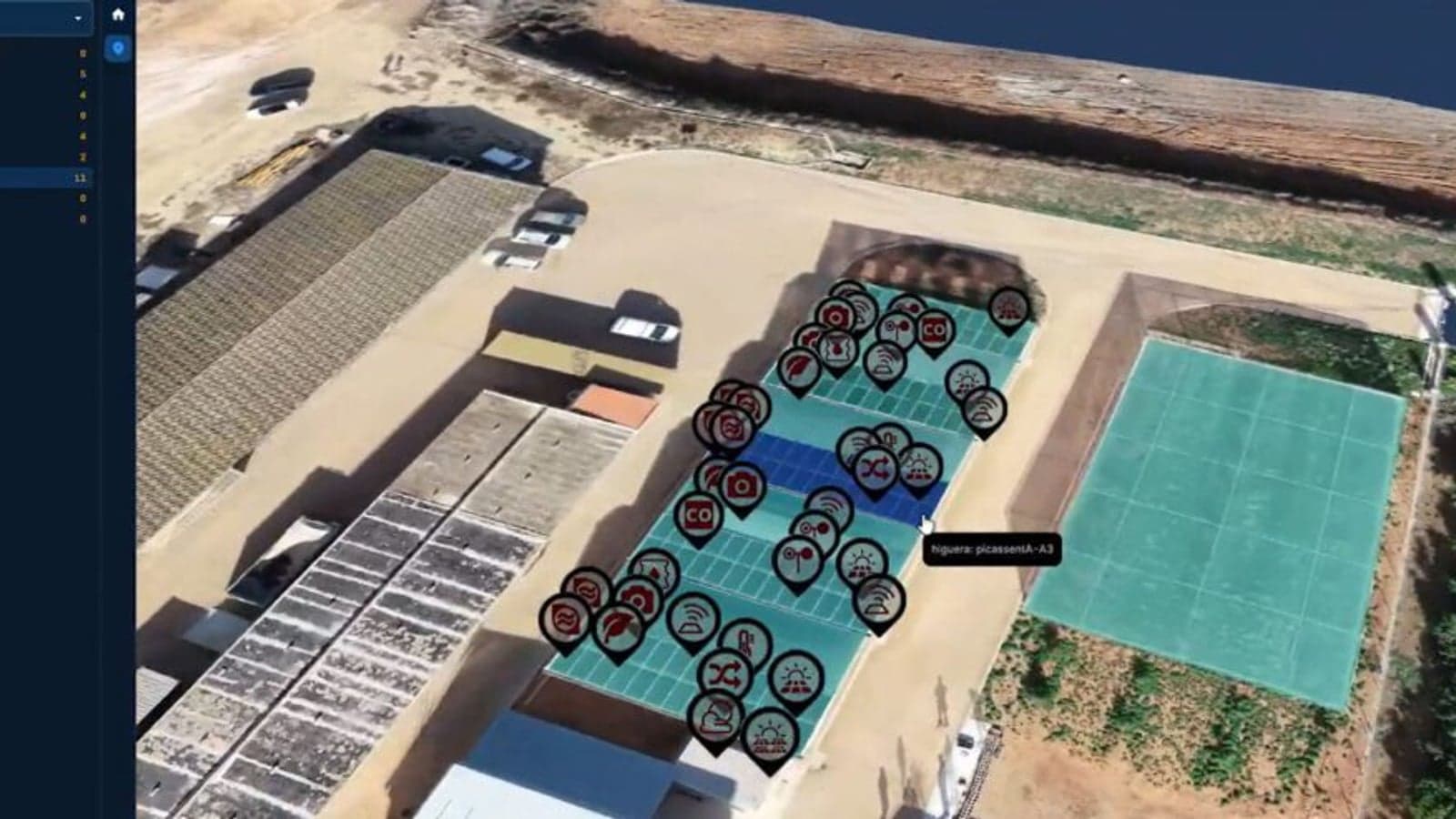
Through a user-friendly dashboard, farmers and foresters can optimise irrigation and fertilisation schedules; monitor energy use, storage, and renewable energy generation; receive automated alerts and recommendations to prevent losses; and align crop production with on-site renewable energy consumption.
By digitalising farming operations and energy management, ECOLOOP helps rural stakeholders cut emissions, reduce energy costs and increase self-consumption, while taking an active role in Europe’s clean energy transition.
Smart renewables for smarter farming
ECOLOOP’s decision support tool brings renewable energy into the heart of agricultural operations. By combining IoT sensors, AI models and historical data with external sources such as weather forecasts, the system matches energy supply with demand while optimising crops and forestry management.
From the user’s perspective, the decision support tool helps farmers and foresters cut energy costs, increase self-consumption and turn agricultural by-products into renewable energy and biofertilisers. Real-time monitoring reduces manual work, while AI-driven recommendations optimise irrigation and fertilisation. With intuitive interfaces, even less digitally experienced users can benefit.
For example, the tool can trigger targeted irrigation during dry periods using on-site renewables, align pumping and cooling loads with peak PV output, channel biogas heat into greenhouses where it adds most value, or use solar radiation data to boost both crop yields and PV generation in agrivoltaic systems. This not only maximises renewable use and efficiency but also prevents waste, reduces resource stress, and ensures inputs are applied at the right time and in the right amount.
Beyond individual farms, the decision support tool empowers rural communities by providing transparent insights into energy generation, consumption and sharing. This fosters collective decision-making, strengthens energy cooperatives and keeps revenues and control within local areas.
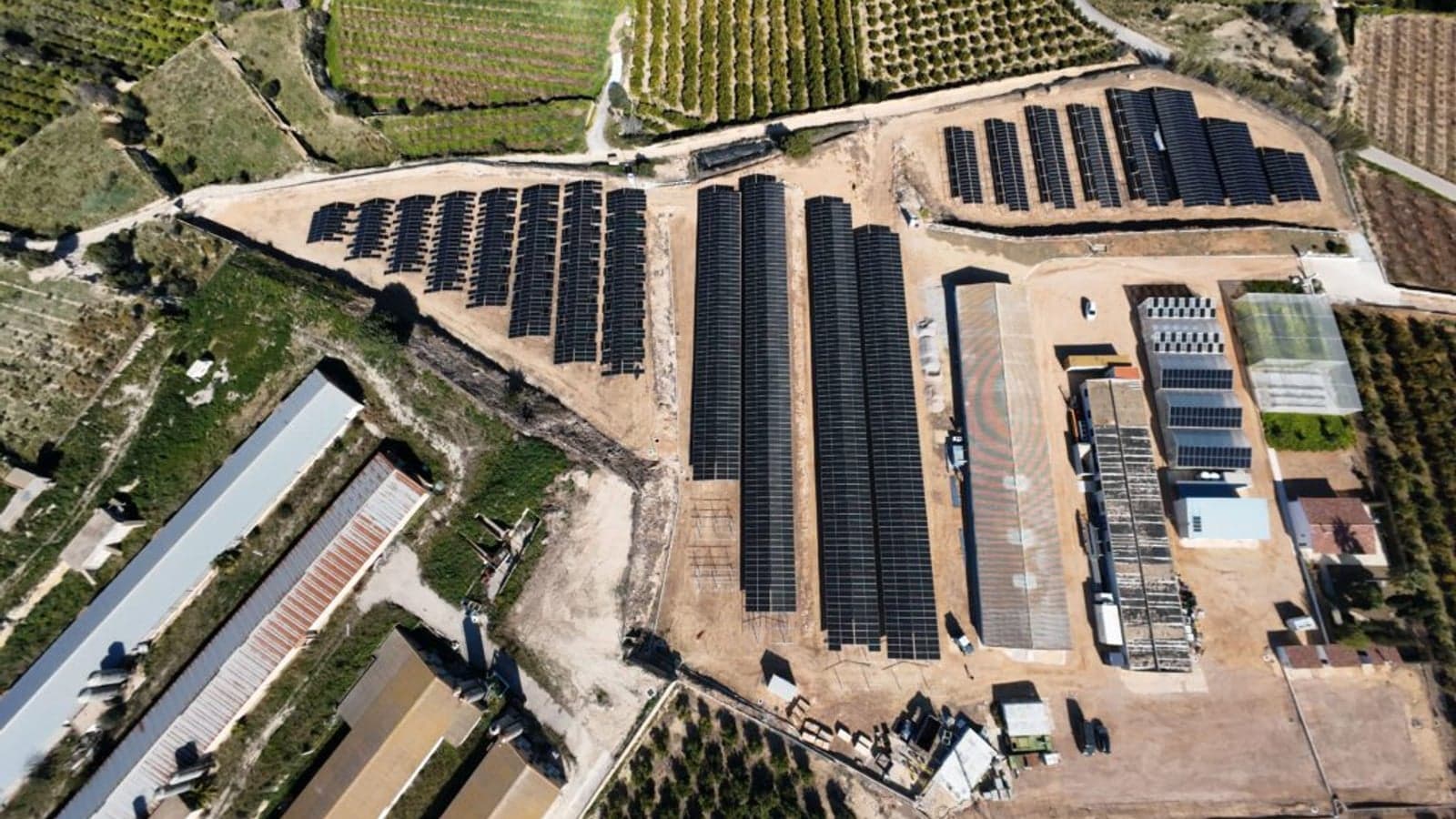
The result: higher yields and crop quality, improved energy self-sufficiency, reduced environmental impact and stronger resilience for rural communities, transforming them from passive energy consumers into active producers of green energy.
For more information, view the video 'Managing energy and crops with ECOLOOP DST'.
From pilots to Europe-wide scale
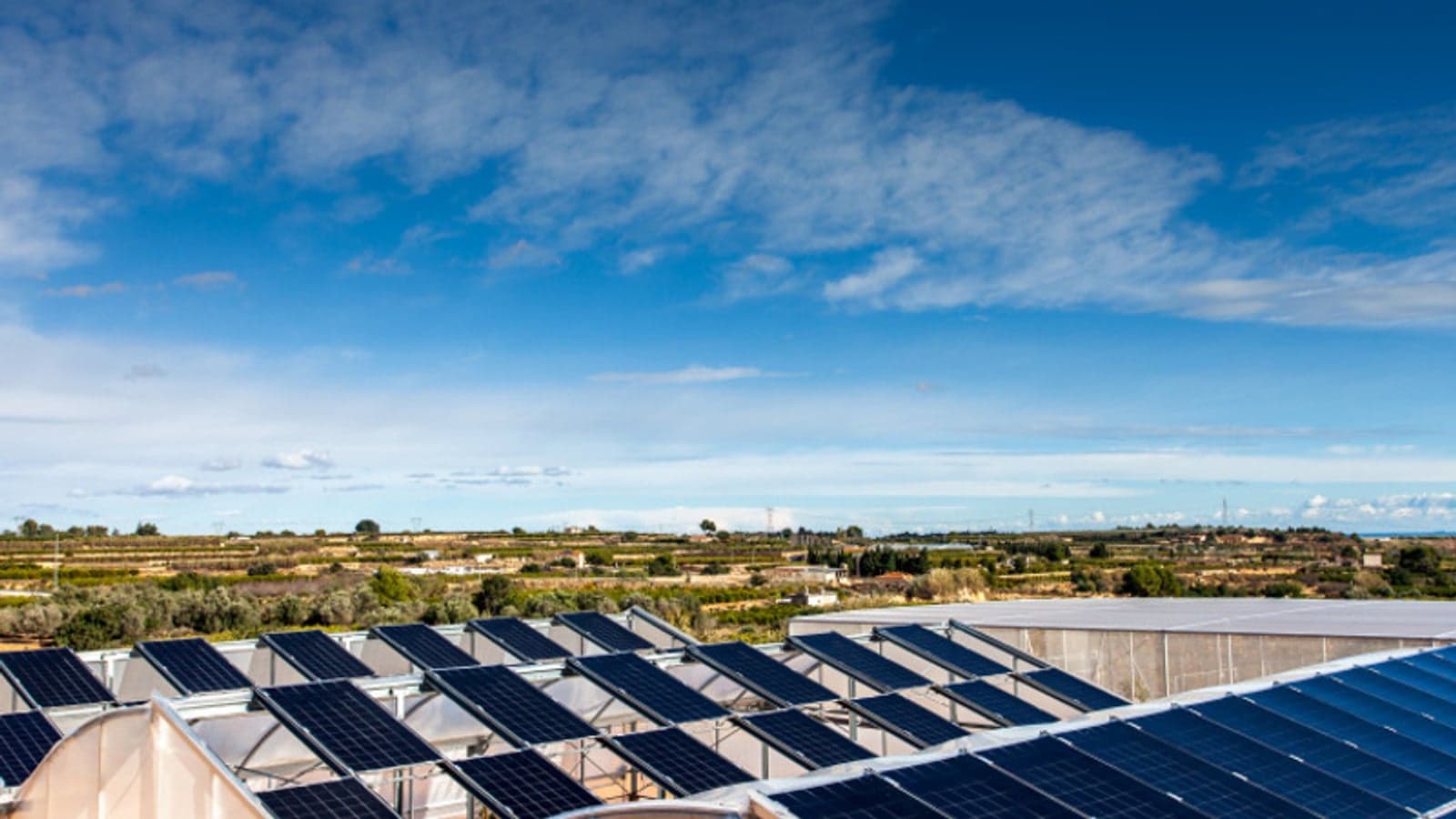
The decision support tool is currently being tested and validated in Spain, Bulgaria, Slovenia and Estonia, covering diverse climates, production systems, and energy setups – from agrivoltaics, biogas and geothermal in Spain, to PV greenhouses with biogas in Bulgaria, biogas in Slovenia and short-rotation forestry in Estonia.
This variety demonstrates the tool’s adaptability to multiple agricultural and renewable energy models, providing a solid foundation for replication across Europe.
The decision support tool can process real-time IoT data or manual inputs, making it accessible even in areas with limited connectivity. Intuitive dashboards and recommendation-based alerts allow farmers and foresters – regardless of digital experience – to optimise irrigation, energy use and crop management.
By combining technical optimisation with user-friendly design, the decision support tool can be scaled across Europe, helping rural stakeholders actively participate in the energy transition while aligning with EU priorities like the Green Deal, CAP eco-schemes, and the REPowerEU plan.
Commercial deployment will build on this foundation by integrating the decision support tool into existing solutions and offering white label options. Key distribution channels include consultancy firms and agronomic cooperatives, while revenue streams will come from end-user subscriptions and partner licensing – supporting scalable adoption and long-term growth.
Discover ECOLOOP in action at ENLIT Bilbao!
To explore ECOLOOP’s innovations, pilot sites and latest results, visit the website and follow the project on social media for real-time updates. Don’t miss the introductory video and the Valencia pilot site visit, featured by Enlit.
ECOLOOP will also be present at the upcoming EU Project Zone at Enlit Europe 2025 in Bilbao, we look forward to seeing you there!
About the authors

Raquel Castán Vidal is Communication Manager for EU Projects at ETRA. She holds a bachelor’s degree in environmental sciences and master’s in environmental risk management and in journalism and is currently leading the communication strategy and actions for several EU-funded projects coordinated by ETRA, including ODEON, ECOLOOP, EBENTO, and R2D2.
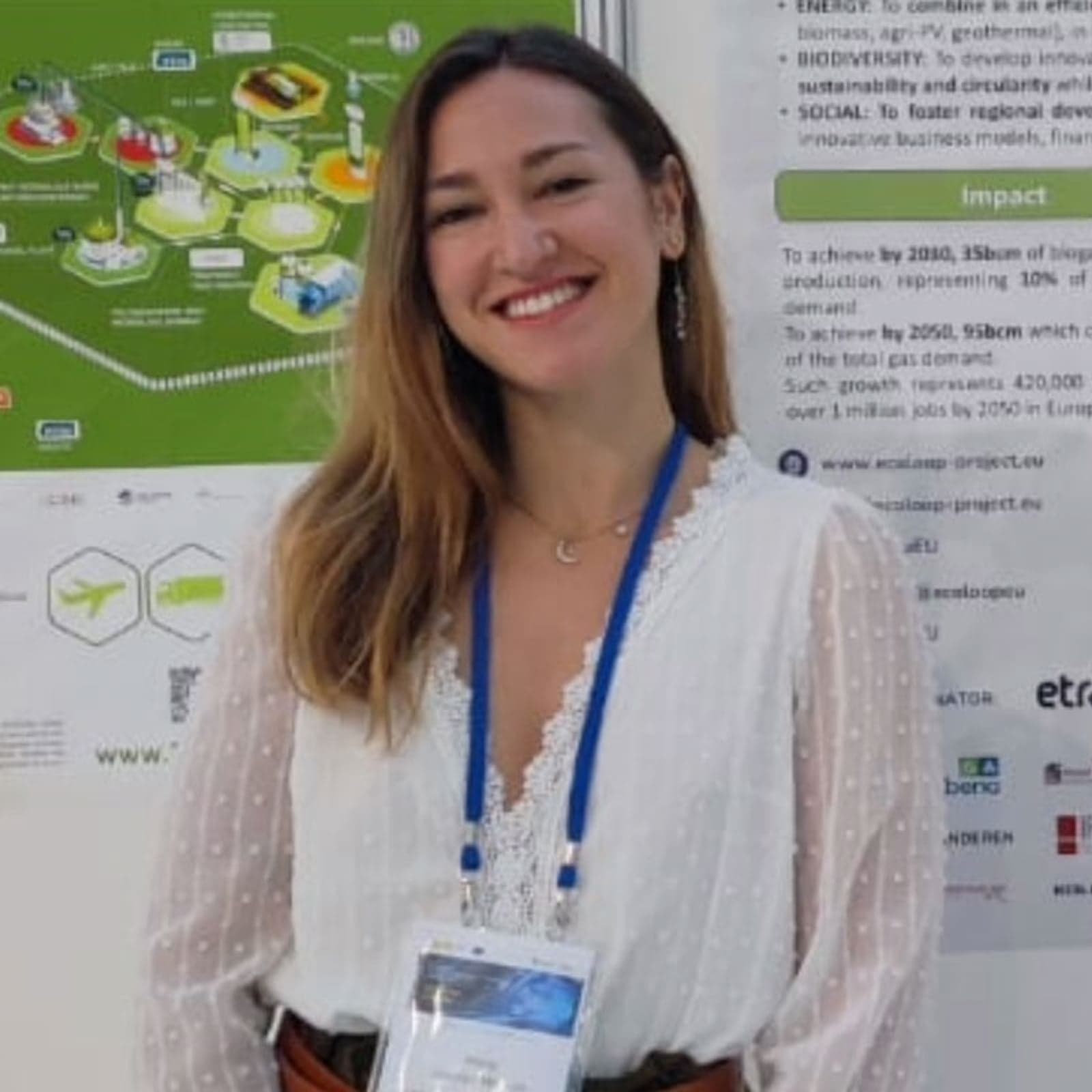
Sheila Sánchez Mínguez is Project Manager at ETRA. She holds a bachelor’s degree in biotechnology from the Universitat de València and a master’s degree in project management from the Universitat Politècnica de València and is currently leading the coordination of Horizon EU ECOLOOP project.

Borja Albert Gramaje is a Software Engineer at ETRA. He holds a bachelor’s degree in computer science from the Universitat de València and a master’s degree in Software Systems Engineering and Technology from the Universitat Politècnica de València and is currently leading the technical coordination of Horizon EU ECOLOOP project.
Related tags
Most popular
Join the community for freeAnd get access to all content
Related projects
ECOLOOP
+2
1 October 2023 - 30 September 2027
View projectLatest content
+5
ECOLOOP: Empowering rural communities for the energy transition
The ECOLOOP project is transforming how rural communities manage land, waste and energy by equipping farmers and foresters with tools, knowledge and innovative business models to harness renewable energy, improve soil health and cut carbon emissions, while generating new economic opportunities.
- Guest/partner contributor
- 10/06/2025
+6
Innovative solutions for a greener rural future: Inside the ECOLOOP project
As Europe pushes forward with its green transition, the ECOLOOP project is showing how rural areas can lead the way, not just by adopting clean energy, but by transforming how we manage land, waste and biodiversity.
- Guest/partner contributor
- 21/08/2025
+5
ECOLOOP: Pioneering renewable energy and circularity in agriculture
Project ECOLOOP is on a mission to include the agricultural sector in the energy transition through renewable energy integration and the promotion of circular farming practices. Enlit on the Road travelled to Valencia to find out how the project is taking shape.
- Julia Kramer
- 25/03/2025