Electricity's circular economy
Enlit Editorial Team
Posted on: 19 April 2021
A sustainability project is exploring circular solutions to ensure that the drive for electric machines doesn’t result in an increase in parts ending up in landfill.
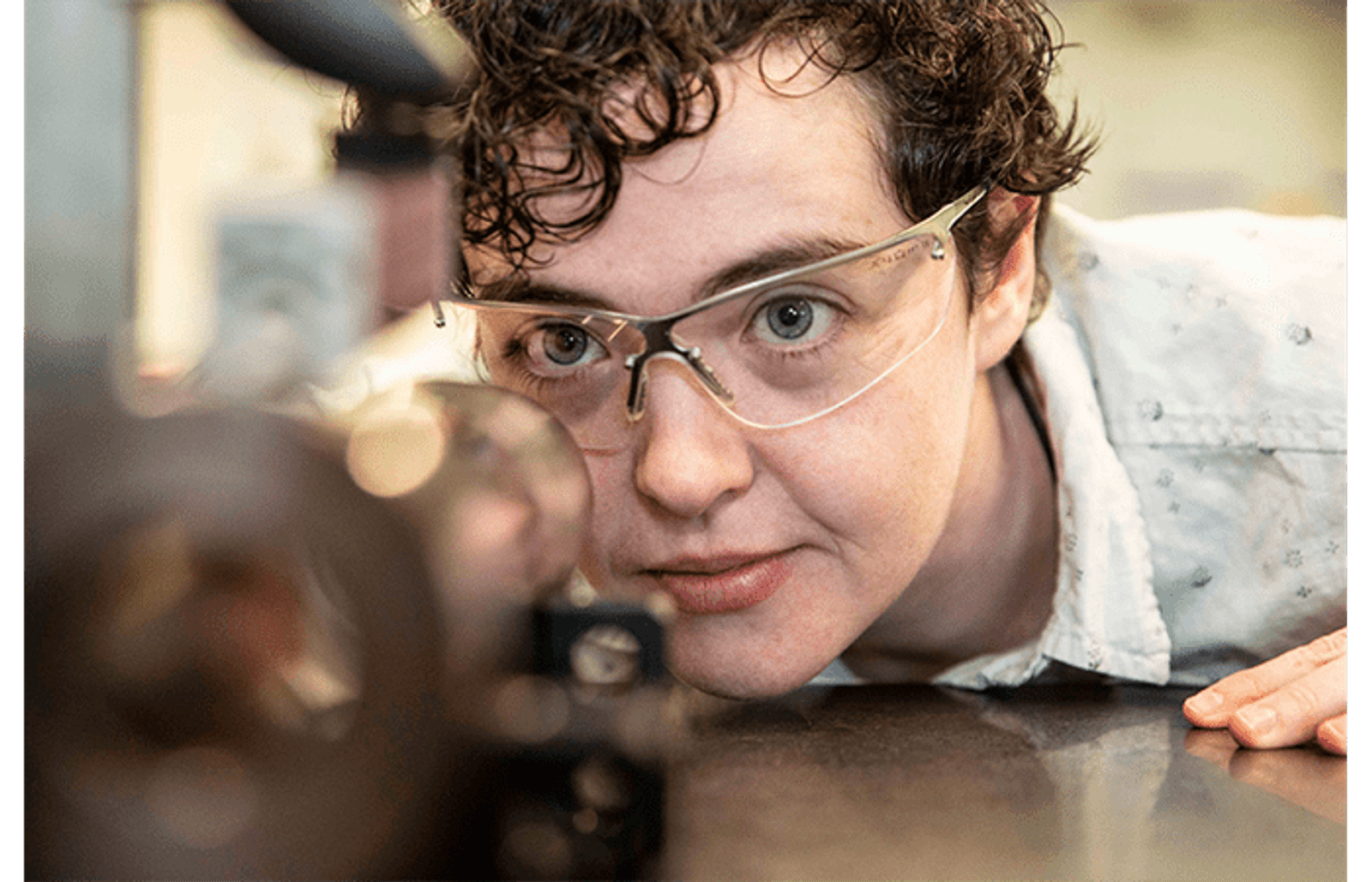
A sustainability project is exploring circular solutions to ensure that the drive for electric machines doesn’t result in an increase in parts ending up in landfill.
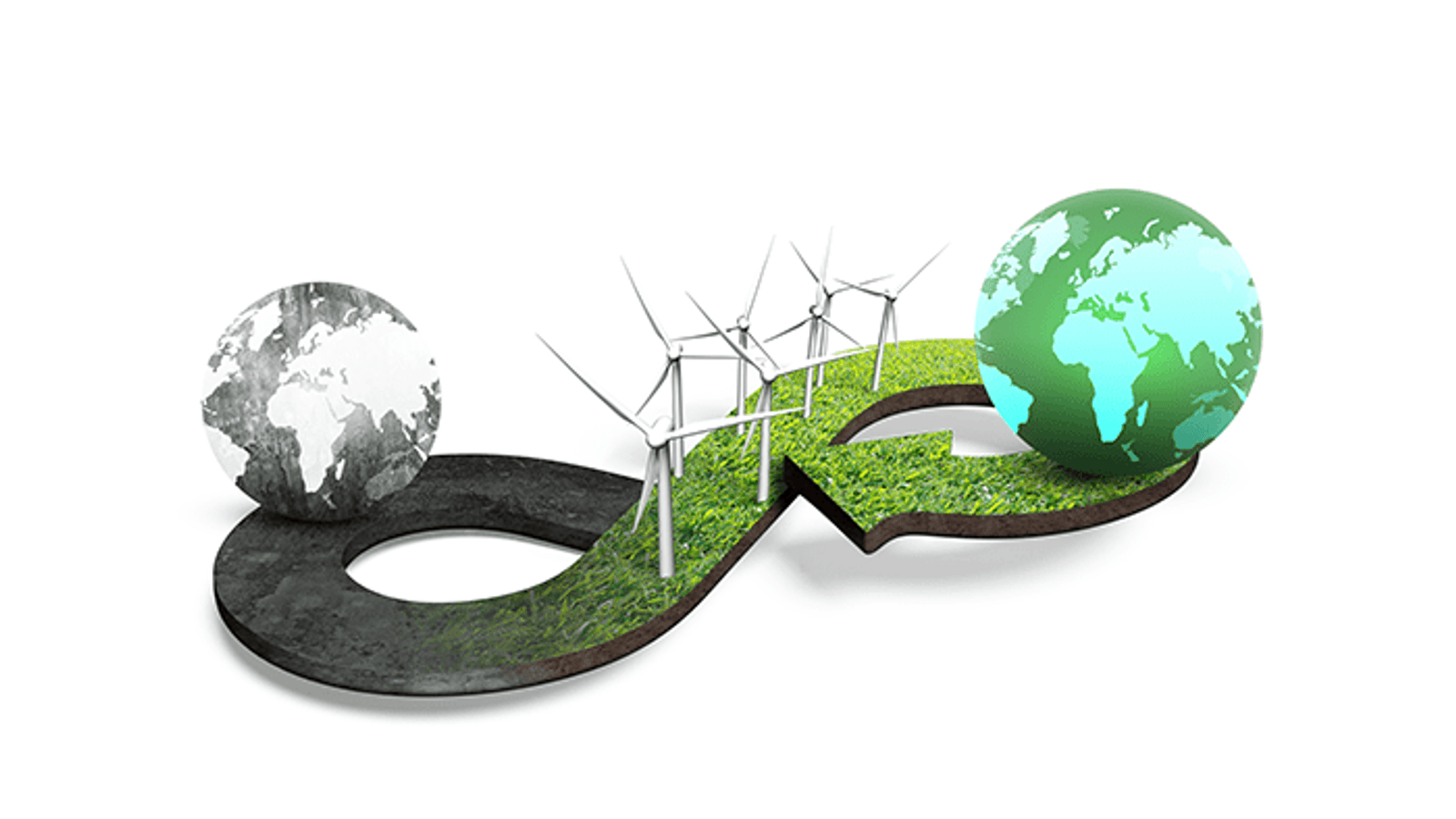
The target is to develop a more sustainable lifecycle for electrical machines, with an aim to adopt a circular economy approach that loops the materials back into manufacture at the end of life.
The project is being led by the University of Strathclyde’s Advanced Forming Research Centre and is part of the £28 million Future Electrical Machines Manufacturing (FEMM) Hub project.
“It’s important that efforts towards electrification do not create issues further down the line that have negative impacts of their own,” said Dr Jill Miscandlon, Senior Manufacturing Engineer at Strathclyde’s Advanced Forming Research Centre.
“We don’t want to be in a position where we transition to electric vehicles and wind turbines that end up in landfill at the end of their life.”
Currently, electric machines, such as those used in electric vehicles, are made using mostly metals and their alloys, some of which are complex in their composition or manufacturing routes, and most of which are manufactured from virgin, finite materials.
Unfortunately, due to the current design, manufacture and maintenance of these machines, end of life processing methods are not fully considered and most will end up in landfill.
This article was originally published in The Guide