Electricity sector is the 'engine of the energy transition' says Iberdrola CEO
Enlit Editorial Team
Posted on: 13 November 2023
In an exclusive interview, Armando Martínez reflects on the pathway of the energy transition so far and the challenges that lie ahead.
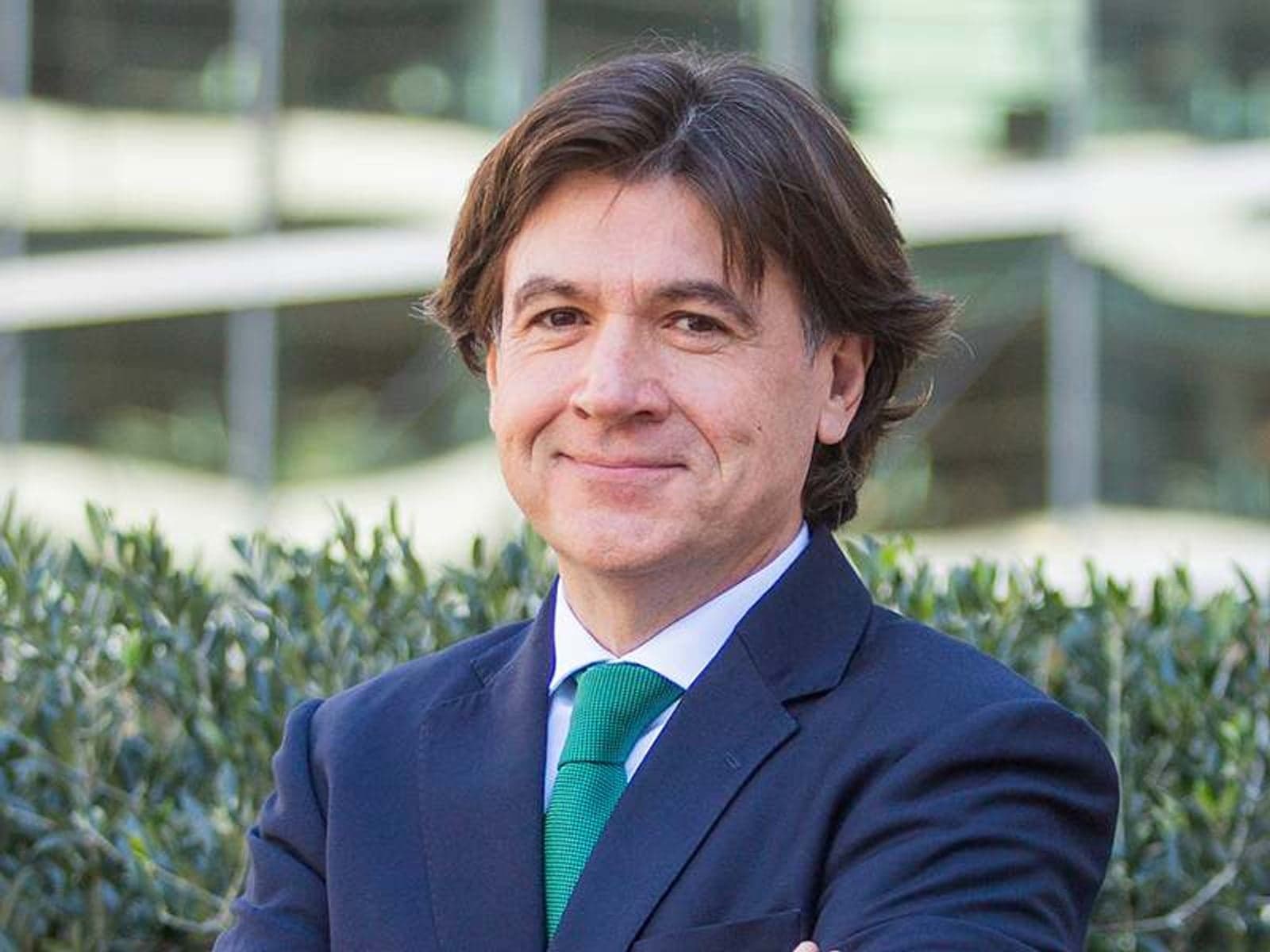
Armando Martínez has been chief executive of Spanish energy giant Iberdrola for a year — in what has been a turbulent time for economies, energy, and climate change. In an exclusive interview, Martínez reflects on the pathway of the energy transition so far and the challenges that lie ahead.
You became the CEO of Iberdrola in 2022. How did the energy crisis influence your vision?
Excessive dependence on fossil fuels has been at the root of the crisis. Therefore, we are more determined than ever to continue investing in renewables, grids and storage, and helping to ramp up electrification in transport and heat.
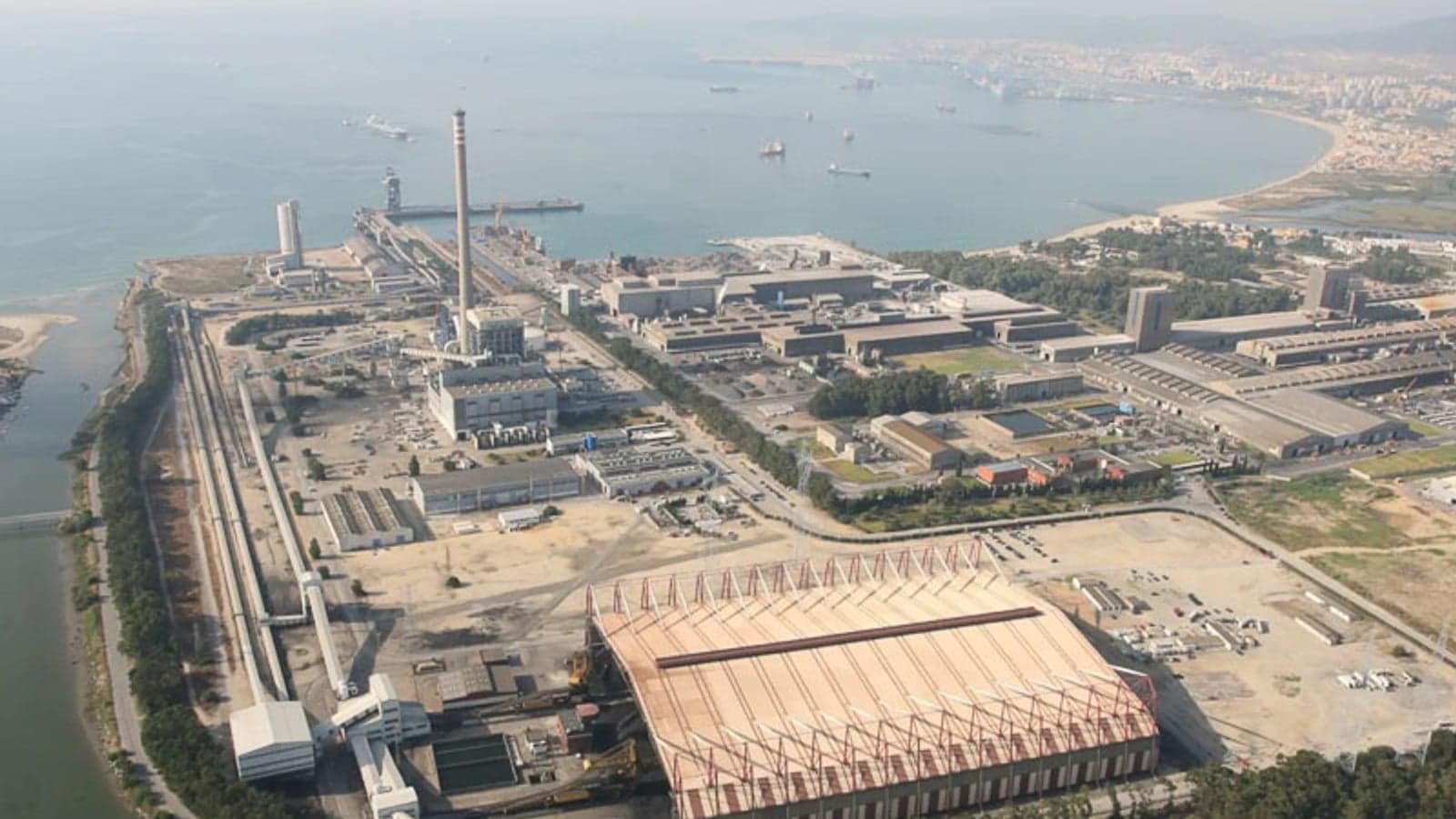
You started your career at Iberdrola as the director of the Santurce power plant in Biscay in 1997: what did renewable energy mean to you back then?
In the early 2000s, the technological revolution in the field of electricity generation was with combined cycle power plants, which delivered higher efficiency and much lower emissions than the fossil fleet based on coal and fuel oil. At that time, the presence of renewables was testimonial, based on prototypes and limited to the field of research.
However, even then, Iberdrola began to commit to renewable energies, when it realised that clean and sustainable sources would be essential to meet the strong growth expected in global energy demand. Iberdrola’s commitment to wind energy at that time was unique. In 2007, Iberdrola Renovables was listed on the stock exchange and in 2009 the Whitelee wind farm was commissioned in Scotland, the largest in Europe with more than 500MW.
Since then, how has the role of renewable energy changed in the Basque Country where Iberdrola is headquartered?
The Basque Country is a hotbed of energy innovation, as evidenced by the presence of companies throughout the value chain that compete internationally. As a matter of fact, many of Iberdrola’s key suppliers are Basque companies which have also experienced globalisation alongside Iberdrola.
Although its installed renewable capacity is not one of the largest in Spain (around 1% of the total), its current targets are ambitious, and it aims to reach a 21% share of renewables in its total energy consumption by 2030, up from the current 16% — which means installing 1,000 MW of new renewables.
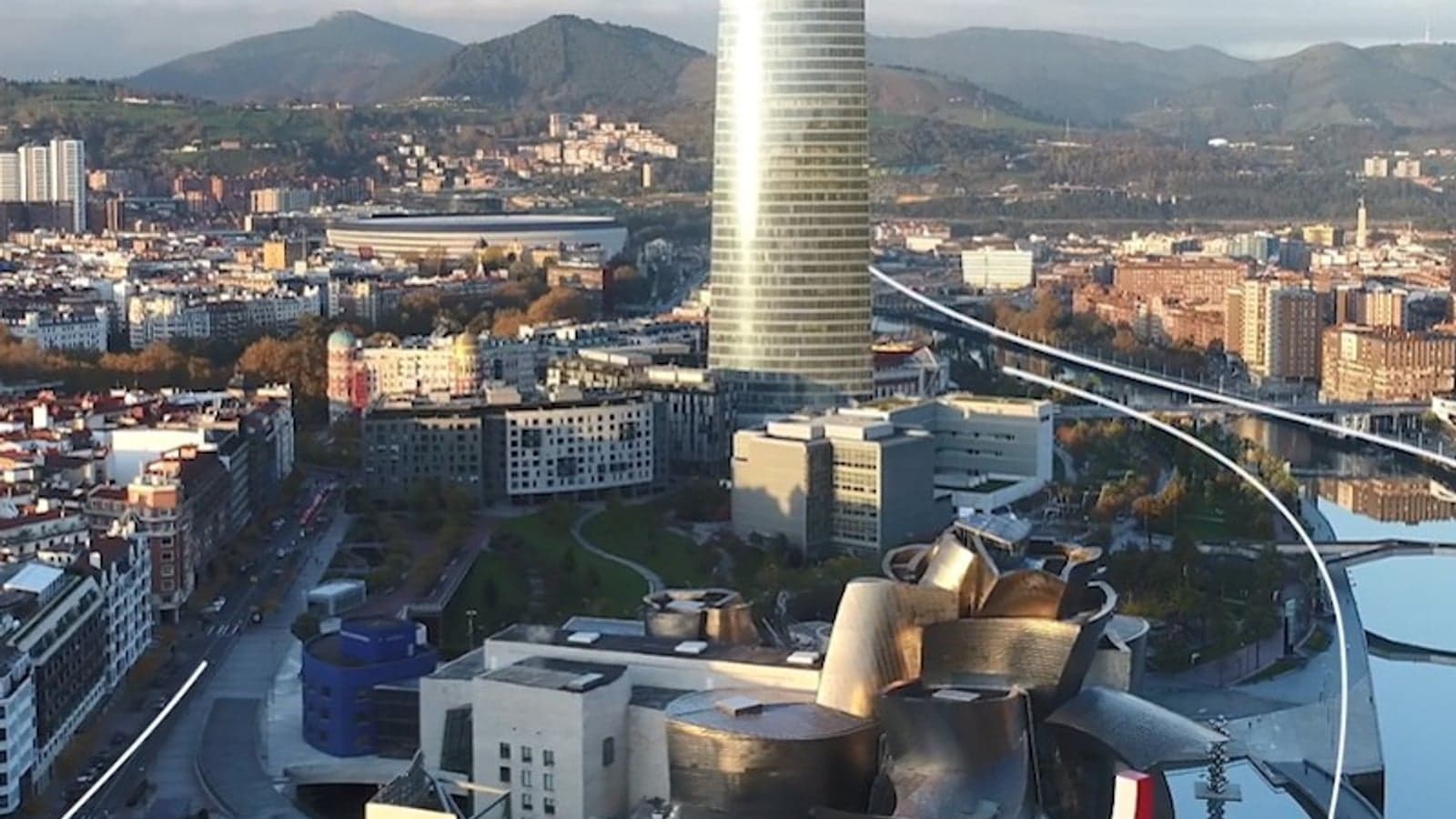
The deployment of smart grids, necessary for the renewable transition, has also been notable in this region, in close collaboration with the Basque Government and the Basque business fabric, working on innovative developments that have made Iberdrola’s smart grids a world leader. It is therefore no coincidence that our global smart grids innovation hub is located in Bilbao.
This region’s commitment to the energy transition is also evident in the response of Basque society with events such as the recent Wind Europe annual meeting in Bilbao and the one just announced by Enlit in 2025.
Have you read?
Iberdrola chief reveals multi-billion plan to seize market share of oil & gas firms
How Greg Jackson’s vision for Octopus Energy is coming true
What investment are you most excited about? Where do you see the biggest challenge, and where do you see untapped potential?
Grids are the most invisible actor in the energy transition, but they are essential to enable the integration of renewables and to exploit their full potential. The electrification of buildings and transport are clear examples.
Technological advances have made it possible to improve the distribution network, the quality of supply and offer a wide range of services to consumers. Thus, it is possible to monitor and act remotely, instantaneously and automatically on the electricity grid and, as a result, anticipate possible incidents, manage those that do occur more quickly and improve the quality of service to consumers.
Likewise, the valuable information provided by smart meters helps to meet customers’ needs, so that they can make decisions based on their detailed information. Another essential player in the expansion of renewables is storage. Iberdrola is a leader in hydroelectric pumped storage, the most efficient way to match seasonal fluctuations in renewable generation and electricity consumption.
Finally, investment in electrification of demand is a challenge, as it depends on millions of individual decisions, but without which decarbonisation cannot become a reality. Iberdrola invests in recharging infrastructures, self-consumption facilities or decarbonisation of heat with the ambition of facilitating this paradigm shift to emissions-free energy.
For those uses that cannot be directly electrified with renewables, green hydrogen can be an alternative. We have to highlight, though, that new technologies, such as hydrogen or offshore wind, require remuneration frameworks that promote their development and give visibility to companies.
Only in this way, through a combination of private initiative and public commitment, will it be possible to mobilise the huge investments needed in smart grids, electrification, hydrogen and renewables.
Investment is one thing, but what about an available, suitable workforce to deliver on the investment priorities?
Being able to develop internal talent and attract the best talent is a priority for Iberdrola. Cybersecurity, artificial intelligence and automation are some of the new disciplines that are adding to the development of electricity grids, renewable and clean technologies and other energy projects.
At Iberdrola, we have been involved for many years in programmes to attract and develop talent, such as the international graduate programme, the Master’s Scholarships or the recently launched HerEnergy, which seeks to accelerate the promotion of female talent within the Group.
Iberdrola has been vocal about government interference (for example, windfall taxes or energy tariffs), why?
The emergency measures pointed in the wrong direction: the origin of the crisis was the rise in gas prices, and the big beneficiaries of this situation were the companies in the oil & gas industry – just look at their enormous profits. However, the government decided to intervene in the electricity sector. But the electricity sector, in addition to having been another victim of the rise in fuel costs, is called to be the engine of the energy transition.
Investments in renewables, grids and electrification are precisely the recipe for preventing future crises, and regulatory stability is essential to succeed in the energy transition and achieve the objectives, while the uncertainty introduced by these types of measures scares off investors and only makes decarbonisation more expensive while penalising and delaying it.
As an engineer, what would your advice be for future engineers?
I believe everybody has to try to improve the world that we have inherited. Changes may look small, but all of them count, and the sum of all of them is what really can make the difference. We, as engineers, are provided with technical capabilities and skills, I would advise new generations to acknowledge their responsibility and take advantage of these tools to build a better world.
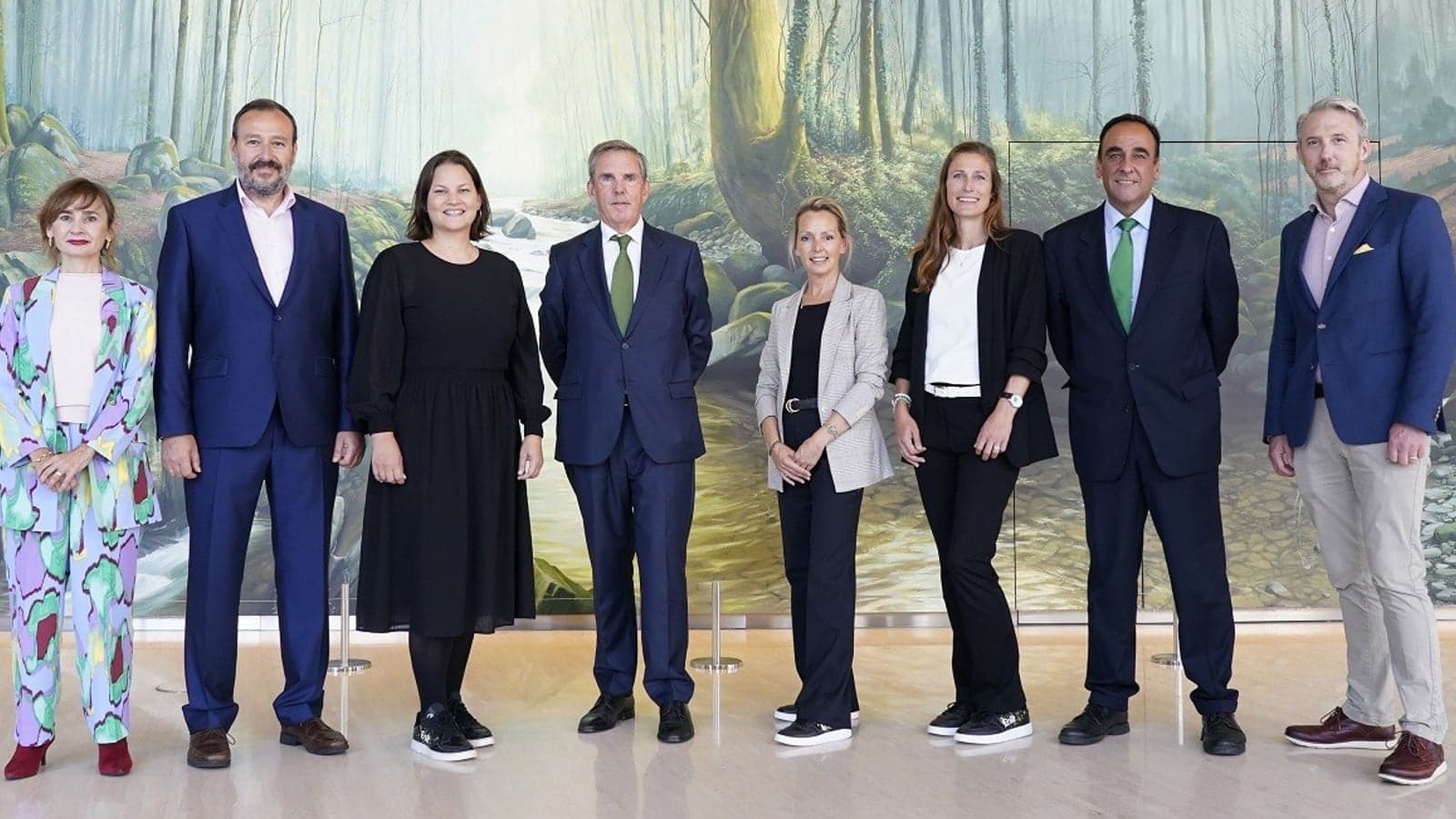
Iberdrola will be present at Enlit Europe. Elena León Muñoz (CEO, Iberdrola Networks Spain), Juan Carlos Rucian (Head of Renewable European Affairs, Iberdrola Spain) and Nicolas Arcauz (Smart Grids director, Iberdrola Spain) will be sharing their vision in different sessions at the Summit and the Hubs.