Home
/
Energy data space framework: Interoperability and seamless data exchange in the energy sector
Partner content
Energy data space framework: Interoperability and seamless data exchange in the energy sector
Guest/partner contributor
Posted on: 14 January 2025
The InterSTORE project aims to address the complexity of integrating distributed energy resources with an energy data space framework for data exchange to enable the hybridisation, utilisation and monetisation of flexibility in a real-life environment.
The InterSTORE project aims to address the complexity of integrating distributed energy resources with an energy data space framework for data exchange to enable the hybridisation, utilisation and monetisation of flexibility in a real-life environment.
In the energy sector, the need for secure, efficient and effective data sharing has never been more critical.
With the rapid expansion of renewable energy sources (RES), the rise of smart grids and the increasing demand for energy flexibility, energy providers and grid operators face complex challenges that require real-time, data-driven collaboration.
Sharing data across organisations allows for a more coordinated approach to energy production, distribution and consumption. This collaboration is essential to balance supply and demand, integrate renewable sources smoothly, predict and mitigate outages and optimise energy use across the grid.
In this context, the utilisation of distributed energy storage systems plays a fundamental role in the energy transition, supporting the integration of RES while enhancing grid stability and reliability.
Challenge: Digitalisation of the energy sector
Digitalisation is transforming the energy sector, but this shift brings significant challenges that require careful coordination and adaptation.
As energy systems become more interconnected and reliant on digital technologies, the need for robust data sharing mechanisms becomes critical. Efficient data sharing enables real-time monitoring and optimisation of energy flows, but it also raises concerns about data privacy and cybersecurity.
Additionally, integrating energy storage into the grid requires sophisticated digital platforms to manage the storage and distribution of energy effectively. These platforms must handle vast amounts of data from various sources, ensuring that energy is stored and released in a manner that maximises efficiency and stability.
The challenge lies in developing secure, interoperable systems that can support the seamless integration of distributed storage while safeguarding sensitive information and maintaining grid reliability.
Addressing these challenges is essential for realising the full potential of a digitalised, resilient and sustainable energy sector.
Solution: Energy data space framework
The InterSTORE project provides a toolset of open-source solution for supporting the integration of different distributed storage applications ensuring interoperability, scalability and security.
Among them, the energy dataspace framework aims to facilitate a seamless, secure and interoperable ecosystem for data exchange within the whole energy sector.
One of the primary goals of the energy dataspace framework is to establish an environment of trust and security. Through advanced data governance and authorisation protocols, each participant retains control over its own data, choosing what information to share and with whom, while ensuring compliance with privacy and security standards.
This enables secure, mutually beneficial data collaborations that support a dynamic, resilient, and increasingly digitalized energy ecosystem.
The energy data space framework leverages on IDS (International Data Space) and FIWARE standard architectures and building blocks. The two core element of the framework are the data space middleware and the energy dataspace connector.
The data space middleware is a customisation of the OneNet decentralized middleware, and it implements:
● Identity management (identification, authentication and authorisation of data space participants)
● Data catalogue and service creation (incorporate publishing and discovery mechanisms for data resources and services, making use of common descriptions of resources, services and participants)
● Vocabularies (domain-specific vocabularies for semantic annotation and description)
● Data access management (data access control policy definition).
The energy data space connector is an evolution of the OneNet connector, one of the most recognised and adopted data space connectors in the energy context. As shown it includes:
● IDS based services (trust framework, transaction log and access/usage control)
● FIWARE context broker (end-to-end data exchange, NGSI-LD standard)
● Open API and FIWARE-based data application (standardised interfaces for integrating legacy platforms and middleware)
● Advanced GUI
● Blockchain notarisation and verification for data transactions
● External service integration
● Data harmonisation, supporting most advanced standards such as CIM and IEEE2030.5.
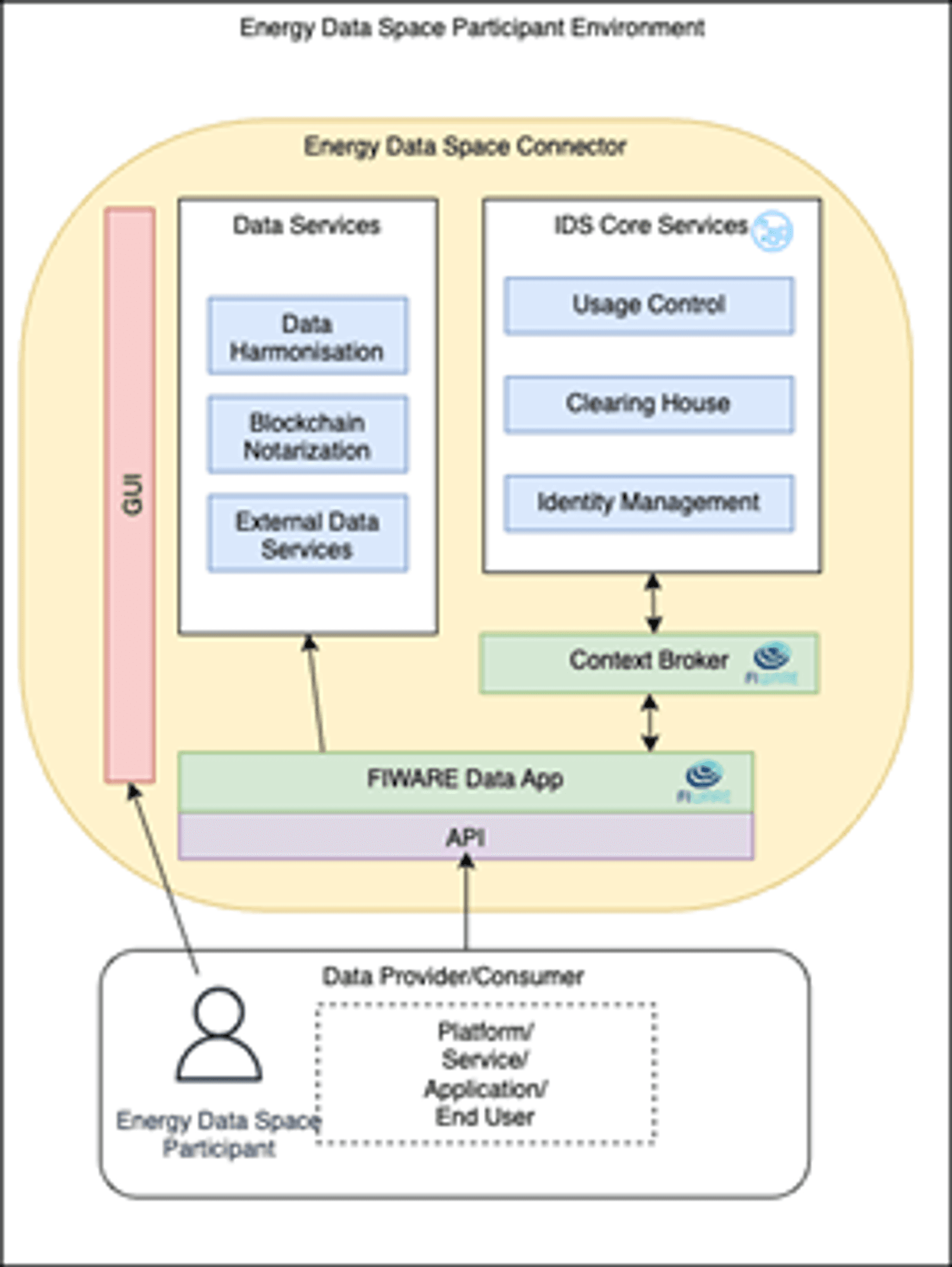
Figure 1: Energy data space connector architecture
The energy data space framework enables a complete end-to-end data exchange (as shown in Figure 2) among energy stakeholders to collaborate through standardised, secure and trusted data-sharing mechanisms.
By connecting data space participants, it facilitates the efficient information exchange and enhances decision-making capabilities.
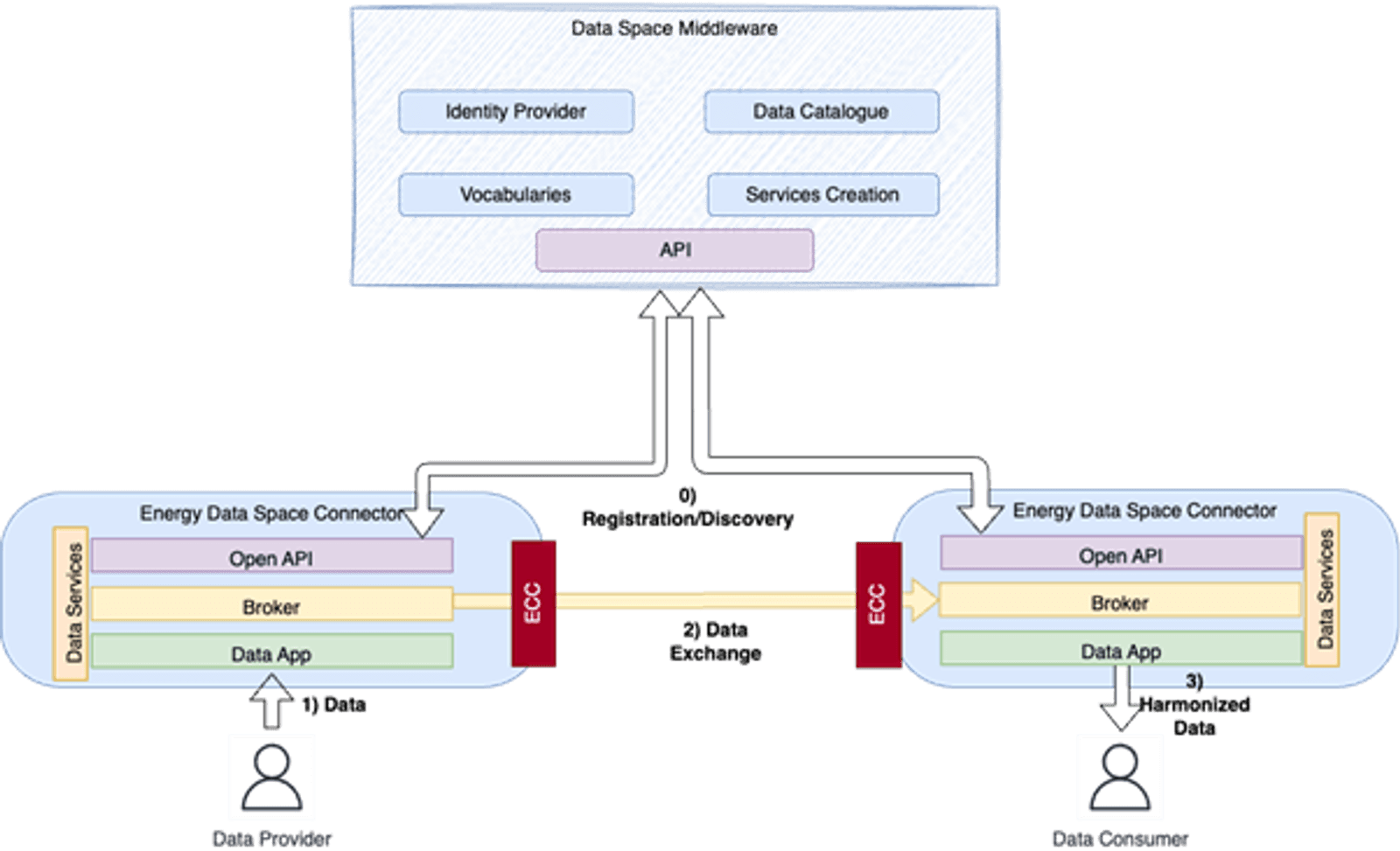
Figure 2: Energy data space framework decentralised approach
Impact and applications
The data space adoption is expected to have a transformative impact on the energy sector in the coming years. By creating a unified market for energy data, the data space will facilitate better data sharing and interoperability across the EU, enhancing the efficiency and reliability of energy systems.
This will support the integration of renewable energy sources, improve grid management, and enable more effective demand response strategies.
Overall, the data space will play a crucial role in advancing the EU’s energy transition, supporting the goals of the ‘Fit for 55’ package and the RePowerEU plan by promoting the use of renewable energy and improving energy efficiency.
In this context, the energy data space framework developed within the InterSTORE project, will be part of this transformation, accelerating the integration of data space in the energy context.
Currently, the energy data space framework is under validation in four different real-life environments (Italy, Portugal, Austria and Germany) for testing various applications and use cases:
● Smart grid management: Enhancing the efficiency and reliability of power distribution networks through real-time monitoring and optimisation.
● Energy consumption monitoring: Providing detailed insights into energy usage patterns to enable energy savings and efficiency improvements.
● Renewable energy integration: Facilitating the integration of renewable energy sources into the grid, ensuring optimal utilisation and stability.
● Energy marketplaces: Enabling the creation of digital marketplaces where energy producers and consumers can trade energy resources efficiently.
The energy data space framework aims to be one of the reference technologies in the context of the European energy data space, currently being adopted in several European projects and initiatives.
In addition being completely open source it can be maintained and adopted by an increasingly wider range of stakeholders, thus creating a real ecosystem based on the energy data space.
About the authors:

Ferdinando Bosco graduated in computer engineering at University of Palermo, Italy, in 2012. Since 2012 he has been working as Senior IT Architect and Researcher in Engineering Group - Research & Innovation department. In the recent years he has mainly specialised on blockchain, XR and data space architectures. He is the responsible of the design and implementation of the Data Space Framework within InterSTORE.

Marcantonio La Franca graduated with a degree in Computer Science from the University of Palermo, Italy. Since then, he has held various technical roles within IT companies and is currently a Technical Manager and Researcher in the Engineering Group - Research & Innovation department. In recent years, he has specialised in blockchain, data spaces and conversational AI. He is responsible for coordinating the technical team developing the data space framework within InterSTORE.