Eni installs wave energy converter off Italian coast
Elizabeth Ingram
Posted on: 12 March 2023
Eni has completed the installation of an inertial sea wave energy converter device off the Italian island of Pantelleria| Italy.
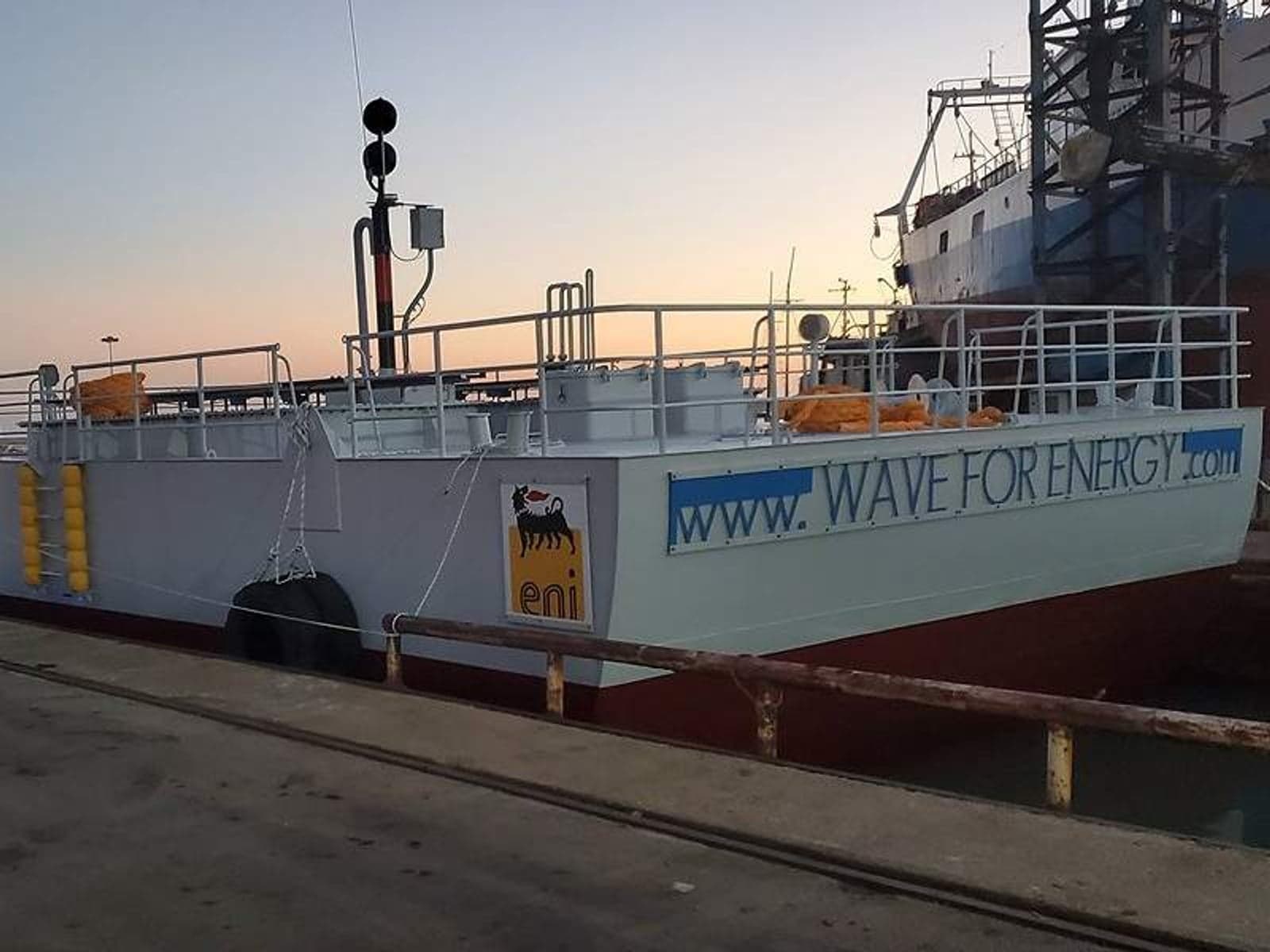
Eni has completed the installation of an inertial sea wave energy converter (ISWEC) device connected to the electricity grid off the Italian island of Pantelleria.
The 260kW device is located about 800m off the coast of Pantelleria.
This experimental campaign, conducted under real operating conditions, will lead to useful results for developing the second-generation device currently under study, Eni said.
In addition, installation of the ISWEC in Pantelleria is the first step toward the decarbonisation of the island, in line with the energy transition agenda.
Have you read?
Orkney hosts £2m renewable energy subsea power project
Wave energy converter project planned for North Sea
Eni developed the ISWEC technology in collaboration with the Politecnico di Torino and Wave for Energy s.r.l. (a spinoff of the university). It converts wave motion into electricity, which then can supply energy to offshore infrastructure, small off-grid islands and coastal communities.
The ISWEC design can be optimised with reference to the metocean conditions of the site where it is installed by means of a genetic algorithm that leverages on the computing power of Eni’s Green Data Centre, according to a release.
The machine consists of a steel hull measuring 8 m by 15 m, which houses the energy conversion system consisting of two gyroscopic units, each more than 2m in diameter. The device is held in place in a 35m deep seabed by a mooring system that responds to weather and sea conditions, consisting of three mooring lines and a rotating joint. The electricity produced is transmitted ashore via an underwater electric cable.
Eni said energy from sea waves is more predictable, constant and of higher energy density than that of the sun and wind, as it is available during the day and at night. A further advantage of this technology is the considerable reduction of its impact on the landscape, as the device stands only 1m above sea water. Moreover, ISWEC can be integrated with other offshore renewable energy production systems, such as wind power generators, Eni said, because it enhances the value of connection systems and can be integrated with other facilities in the same sea area, thereby maximising the conversion of available energy.
The ISWEC technology was mentioned by the EU Commission in its strategy on offshore renewables as a key example of sea wave energy conversion.
Originally published on hydroreview.com