ESA advances on space-based solar power
Jonathan Spencer Jones
Posted on: 18 April 2023
The European Space Agency (ESA) has awarded contracts for concept studies for commercial-scale space-based solar power.
The European Space Agency (ESA) has awarded contracts for concept studies for commercial-scale space-based solar power.
The two parallel contracts are being led respectively by Arthur D Little and Thales Alenia Space Italy, and are intended to serve as a reference for the Agency’s Solaris space-based solar power initiative and guide the scope of the specific R&D activities that will follow.
Solaris, approved at the ESA’s Council meeting in November 2022, is intended as a preparatory step to establish the technical, political and programmatic viability of space-based solar power to inform a decision in 2025 on going ahead with a full development programme of a commercial scale system.
Thus, in partnership with European industry, the goal over the next two and a half years is to undertake studies and technology developments to assess the benefits, implementation options, commercial opportunities and risks of space-based solar power as a contributor to terrestrial clean energy needs and Europe’s net zero decarbonisation targets.
Have you read?
Will space-based energy be the power stations of the future?
Space bubbles – the solution for a warming Earth?
“We are really starting from a blank sheet of paper to get an up-to-date design for what working solar power satellites could look like, sourcing promising ideas from everywhere we can and leveraging the latest advancements in space and terrestrial technologies,” says Sanjay Vijendran, ESA’s lead for Solaris.
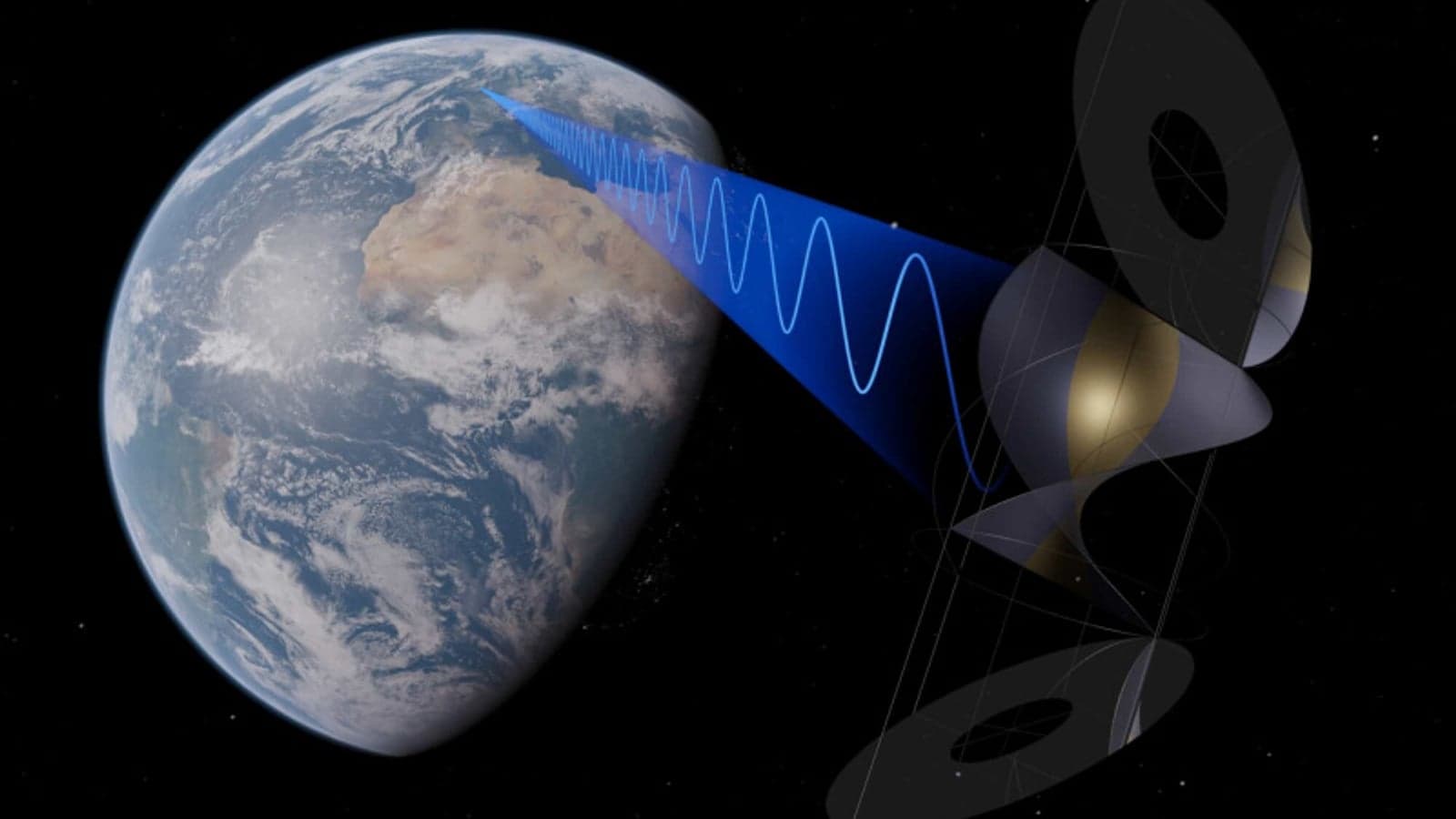
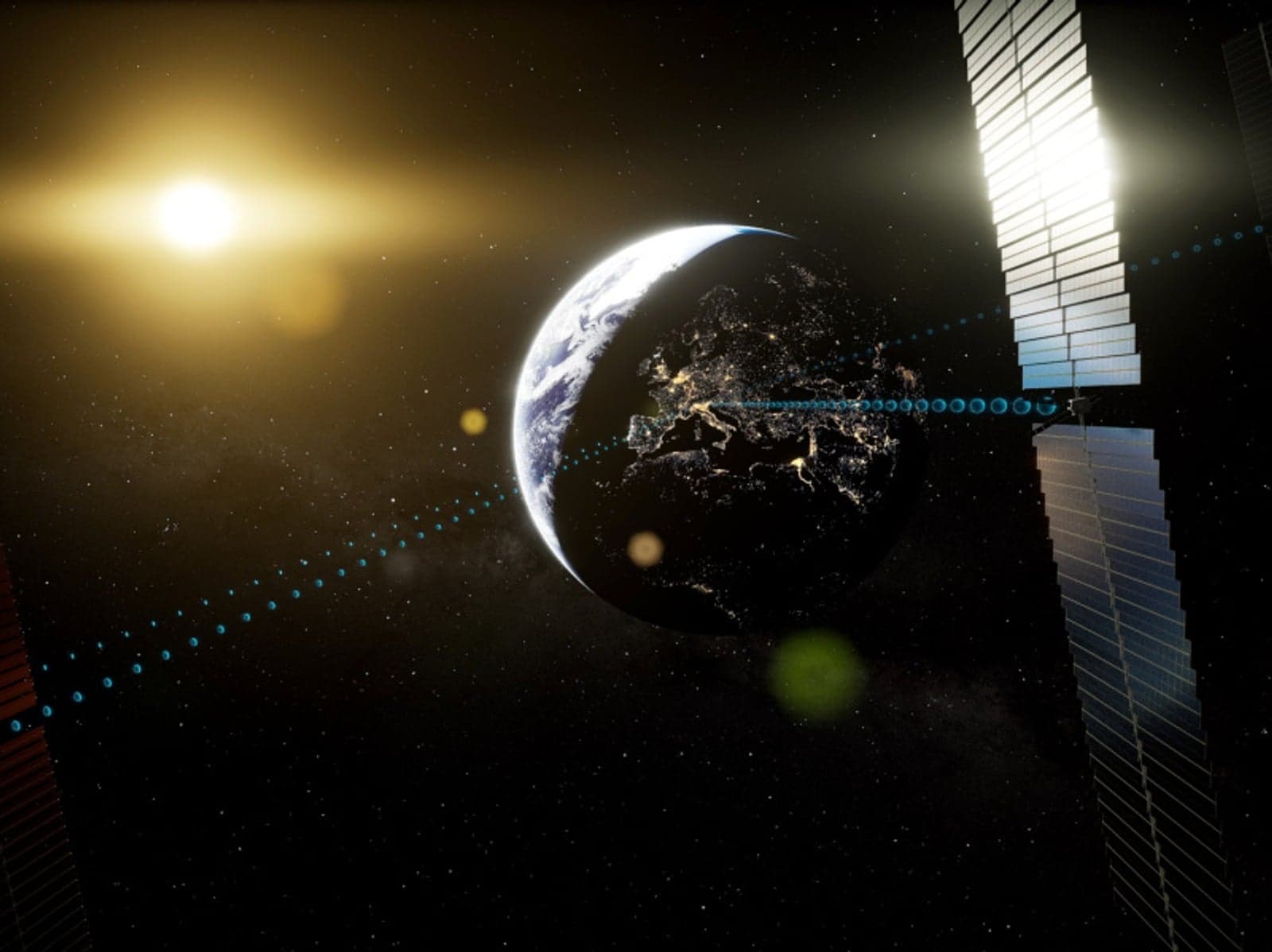
“The studies will look at as wide a range of options as possible, including investigating all the different ways to move the energy, safely and efficiently, down to Earth: radio frequency transmission, lasers and simply reflecting sunlight down to solar farms on the ground.
He adds that major energy players including France’s Engie and Italian utility Enel are members of the study consortiums, which reflects the potential value the energy sector is already seeing in this capability for the future.
“It’s important that we engage the energy sector right from the start of this development and listen to their needs, so we know from the beginning that we are building something that end users will want and use.”
The two studies are due to be completed before the end of 2023.
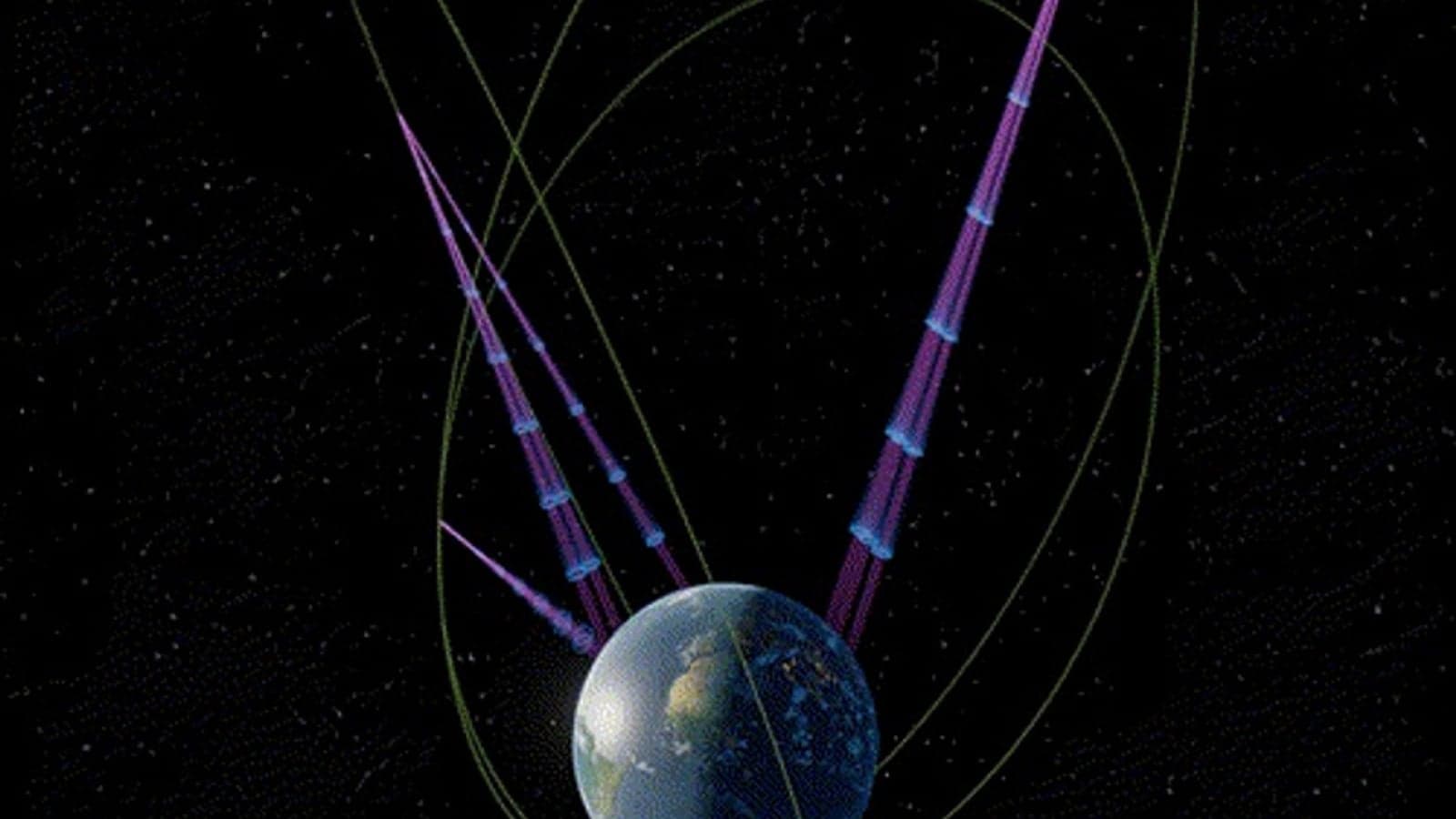
The idea behind space-based solar power is to be able to gather solar power in space on a continuous basis, unaffected by local weather or darkness, and beam it wirelessly to any location on Earth where it is needed.
While the concept is not new, several factors are making it increasingly more attractive. Among these are the falling costs of satellite launches with reusable launchers and mass production and advances in space robotics and in-space assembly and servicing technologies.
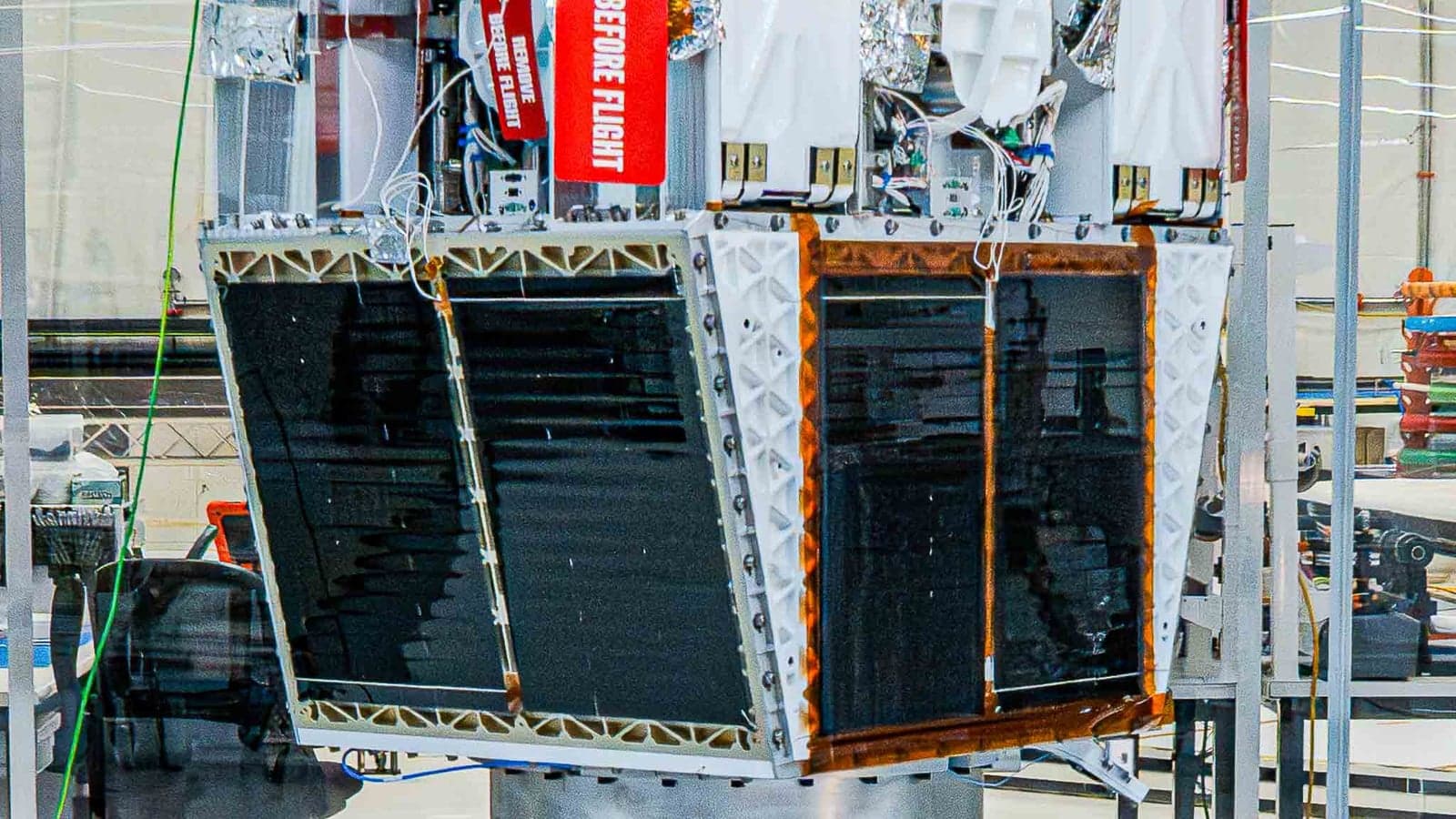
The potential of space-based solar power is under development in numerous countries including China and Japan, and the first demonstrator was launched into orbit by the US’s Caltech in January of this year.