Energy security a key focus of EU islands strategy
Jonathan Spencer Jones
Posted on: 16 June 2026
Energy security, environmental protection, green transition and climate resilience have been positioned as a key pillar of the EU islands strategy.
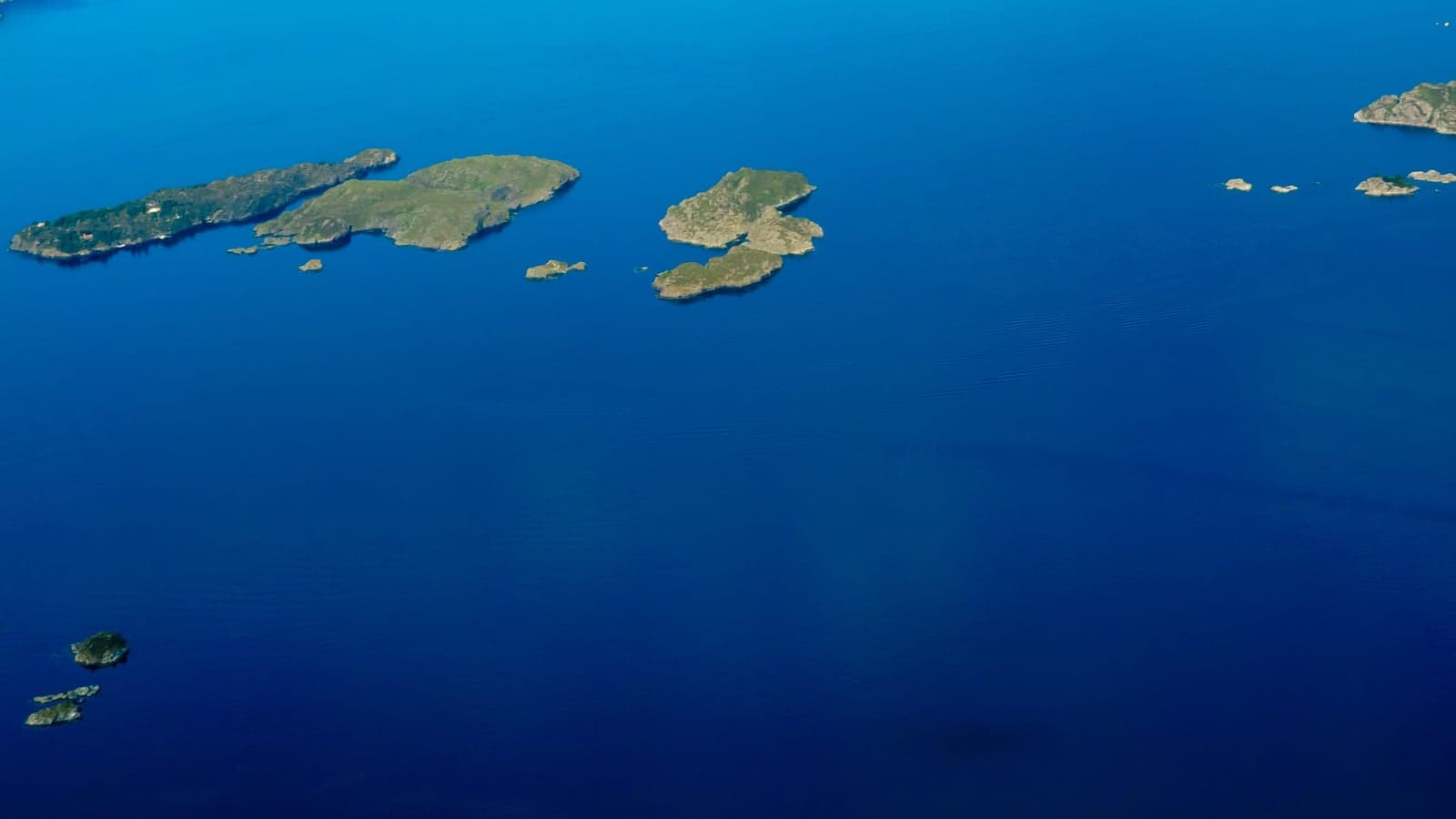
With more than 4,000 islands home to some 17 million people across the EU, they are a key part of the region’s identity.
But with their diversity, ranging in size from large to small, from densely to sparsely populated and within close proximity to the mainland to more distant, they face a mix of challenges, including geographical isolation, limited connectivity, high transport costs, small markets, heavy dependence on tourism, climate vulnerability, demographic decline, water scarcity and reduced access to essential services.
Not least on the energy front there is a reliance on fossil fuels and issues pertaining to energy security, self sufficiency and decarbonisation.
As such these have been selected by the European Commission as one of the four pillars for the EU islands strategy, alongside economic development, connectivity, competitiveness and innovation, security and crisis preparedness and communities, demography and quality of life.
Also of interest
EU Ports Strategy sets out to equip ports and shipping for energy transition
Overall, the Commission proposes a coherent, holistic approach addressing economy, connectivity, energy, environment, demography and security in an integrated way, aiming to transform the challenges faced by these territories into opportunities and lasting strengths.
This includes ensuring that their specific needs are fully reflected in future proposals and aligned with broader EU priorities.
Island energy
Focussing in on energy, the strategy states that cohesion policy supports investments in energy efficiency, renewable energy sources and smart energy systems.
Islands with limited interconnections to the mainland also receive targeted support, while the cohesion policy mid-term review allowed member states to further increase investments in interconnectors and related transmission, distribution, storage and supporting infrastructure, as well as the protection of critical energy infrastructure and the deployment of recharging infrastructure.
Energy communities can contribute to energy independence and security, while clean and sustainable transport also can contribute to reducing greenhouse gas emissions and meeting decarbonisation targets.
The energy transition and energy independence of many islands is further supported by the clean energy for EU islands initiative, which provides demand driven technical assistance and facilitates cooperation between the Commission, member states and islands in advancing decarbonisation of the island energy systems.
Going forward, to further support islands’ access to clean energy, the Commission commits to extending the clean energy for EU islands for the period 2027-2030 through funding under the current multiannual financial framework and facilitating a regular dialogue between member state authorities responsible for the energy transition on the islands.
In addition an island network operators’ voluntary platform is proposed for exchange and capacity building in developing future-proof grids for 100% renewable energy systems.
The Commission also invites member states to address the specificities of islands and integrate island energy transition plans in the national strategies as well as to accelerate the deployment of renewables and energy communities.
The social climate fund also can be leveraged to take into account the geographic specificities and challenges of islands in social climate plans when addressing islands’ energy and other vulnerabilities.
Coastal communities
Alongside the islands strategy is an accompanying strategy for coastal communities, which comprise 95 million people – approximately one fifth of the EU’s population – living on or close to the 70,000 km of EU coastline.
The strategy notes that the EU offshore renewable energy strategy supports decarbonisation and energy security and offers opportunities for coastal communities in advanced manufacturing, port upgrades, supply chain investments and maintenance services, particularly for offshore wind and increasingly for wave and tidal energy.
For the EU, it strengthens energy security and accelerates the phase out from fossil fuels. But at the same time, competition for coastal and marine space and complex planning rules can slow permitting of new energy projects and create tensions with other uses of land and sea, such as fisheries and nature conservation.
To address these challenges, the European Commission is encouraging member states to strengthen integrated maritime spatial planning and streamline permitting, while securing local value and public support by costal community led local development initiatives.
Beyond these a place-based approach can address the specific challenges of insular and coastal areas. Going forward, these participatory tools should be continued and better integrated in a more multi-sectoral approach to community led local development initiatives.
“Europe’s coasts are where our economy and the ocean meet. Yet climate change, from rising seas to biodiversity loss, puts them at risk,” commented Costas Kadis, Commissioner for Fisheries and Oceans.
“Our coastal strategy secures their future: strengthening the blue economy, climate-proofing infrastructure, and protecting heritage. From Baltic wind farms to Portuguese pescatourism, we’re turning threats into opportunities.”
The two strategies are based on significant stakeholder input and aimed to align with the European Ocean Pact, which was launched in 2025 to bring together EU ocean policies under a single reference framework.
Related tags
Latest content
+4
The moonshot moment for energy communities: Expectations from the citizens energy package
Without being legally binding, will the European Commission's citizens energy package live up to expectations, ask Chris Vrettos and Sara Tachelet from EUSEW partner organisation REScoop?
- Guest/partner contributor
- 03/04/2026
Latest in Projects
All articles+2
Kadri Simson: “We surprised the world with how strong Europe is”
The energy crisis triggered by Russia's invasion of Ukraine forced Europe to take decisions in months that would normally have taken years. At the centre of that response was Kadri Simson, European Commissioner for Energy from 2019 to 2024.
- Areti Ntaradimou
- 16/06/2026