Europe Energy Briefs | Clean energy technologies' cost competitiveness in the EU
Jonathan Spencer Jones
Posted on: 4 March 2025
The EU’s clean energy technologies competitiveness progress report finds that these continue to be highly cost competitive in the EU.
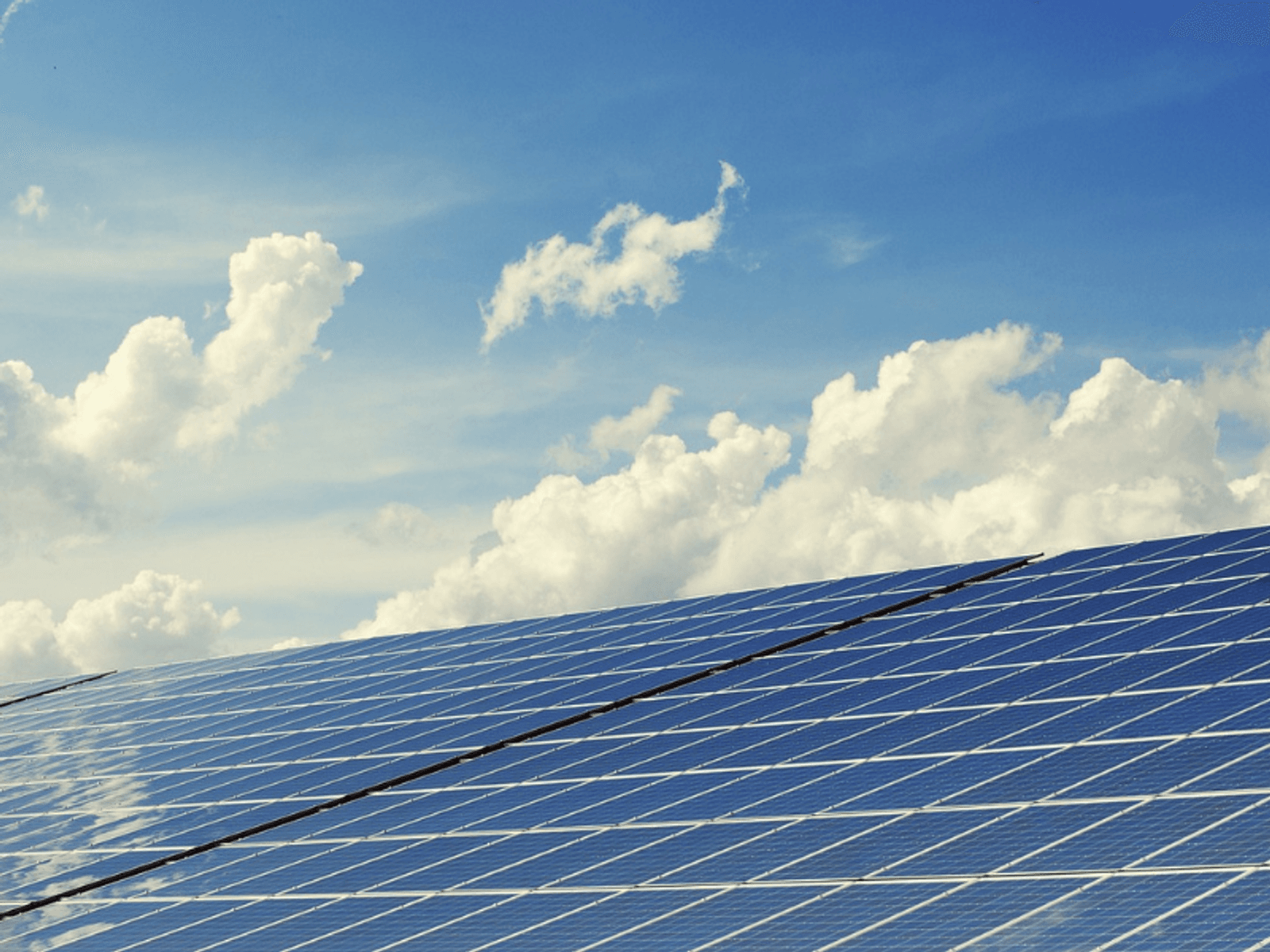
The EU’s clean energy technologies competitiveness progress report finds that they continue to be highly cost-competitive in the EU.
This is thanks to low operational costs, with renewables having reached record deployment across the continent and generating an all-time high of 48% of electricity in the EU in 2024, up from 45% in 2023 and 41% in 2022.
However, the report continues, while the rollout rate of clean energy technologies is increasing dynamically, the EU’s net-zero industry faces a challenging business environment and fierce competition with industrial policies and emerging import restrictions, such as in the US and China, having an increasing impact on the business environment, trade relations and investment decisions.
While home to a diversified net-zero technology manufacturing industry, the EU is struggling to maintain market shares globally, with China having come to dominate production in key sectors such as PV with more than 90% of the global manufacturing facilities.
Have you read?
Clean power tech costs to fall to record lows in 2025 says BloombergNEF
Clean Industrial Deal: a plan to accelerate Europe’s industrial decarbonisation
Across net-zero technologies, the EU also remains dependent on specific technology components or key raw materials within the supply chain. This poses challenges to its overall economic resilience and strategic autonomy.
The report, which is compiled annually, is this year particularly significant, with its appearance alongside the announcement of the Clean Industrial Deal and Action Plan for Affordable Energy.
With industrial competitiveness a key driver for the Deal with its focus on industrial decarbonisation, it is clean technology that is the key enabler.
Net zero technologies status
The EU has one of the largest global markets for net-zero technologies, which offers a major economic opportunity, the report states.
For example in 2024 the EU ranked second after China in newly installed solar PV capacity, it retains a strong manufacturing capacity for solar thermal technologies and the region remains highly competitive in wind power technology.
There also was unprecedented funding and interest in ocean energy technologies in 2024, with around 1,230kW of new ocean energy capacities installed in Europe in 2024.
But EU battery manufacturers are facing strong headwinds as they aim to increase manufacturing capacity and market shares and for cathodes and anodes are highly dependent on China, which represented more than 85% of the global commissioned manufacturing capacity in 2024.
Among the other technologies reviewed EU heat pump manufacturers are stated as global leaders in high-end innovative solutions for domestic use as well as industrial heat pumps, EU companies play a strong role in the installation and final assembly of geothermal energy technologies deployed in the EU and they continue to play a relevant role in electrolyser manufacturing being estimated to have provided for around a third to a quarter of the global manufacturing capacity in 2024.
There are world leading companies in biogas and biomethane production and component manufacturing and the EU is well positioned on CO2 capture technologies, but lags behind the US and Canada in CO2 transport and storage.
The EU also has some long-standing market and technology leaders for power lines and transformers. But European companies are expected to face increasing pressure from international competitors in the short to mid-term, with manufacturing dependent greatly on access to raw materials such as copper, aluminium and grain-oriented electrical steel and exposure to import dependencies.
Clean tech R&I
The report finds that the EU remains well placed in research in clean energy technologies but, faced with strong global competition, its competitive advantage in innovation has been eroding in recent years.
While the EU leads globally in public R&I spending in clean energy technologies, private R&I investment, which provides over three quarters of R&I funding for clean energy technologies across major economies, remains significantly higher in major Asian economies.
The report also notes that while renewable energy jobs in the EU reached 1.8 million in 2023, there are persistent challenges with the availability of skilled workers and an ageing workforce.
Continued support for net zero technologies
In conclusion the report suggests that there may be no other technology field than net zero technologies growing at such a high speed in which the EU is as well placed to play a key role.
For example estimates indicate a potential manufacturing undercapacity for technologies such as wind turbines and heat pumps, in both of which the EU still holds a strong position in the manufacturing.
There are further established technologies in which competitive EU industries show growth potential, including the supply of electricity grid components and biogas and biomethane.
There are also several technologies that are still emerging and need further support to demonstrate their commercial potential, including ocean energy technologies, small modular reactors, sustainable alternative fuels and carbon capture and storage.
Innovation has a central role to play in boosting EU competitiveness, both to bring new technologies to the market and to improve existing solutions, the report continues, adding that to fully reap the economic benefits of the global energy transition, it is essential for the manufacturing capacity to be increased.
The Net-Zero Industry Act, which came into force in June 2024, is expected to play a key role in providing coordinated support for EU net-zero technology manufacturing, with the Competitiveness Compass, Clean Industrial Deal and Action Plan for Affordable Energy adding further actions.
In addition, the Commission commits to continued support for net zero technologies, with coordinated efforts at the EU and national levels.