European market readiness for thermal energy storage advances
Jonathan Spencer Jones
Posted on: 18 February 2026
Brenmiller Energy has announced collaborating with strategic advisory firm Aelstone to advance thermal energy storage in Europe.
The engagement is aimed to support Tel Aviv headquartered Brenmiller Energy’s European market readiness and deployment planning.
In particular the collaboration focuses on strengthening Brenmiller Energy’s positioning in Europe while aligning its organisational and industrial readiness with evolving European policy frameworks, including ‘Made in Europe’ principles and the region’s clean energy objectives.
“Europe represents a key growth market for industrial decarbonisation solutions, where market readiness, policy alignment and financing structures increasingly converge,” said Doron Brenmiller, CBO at Brenmiller Energy.
“This engagement supports our strategic preparation for that environment.”
Also of interest
Thermal energy storage from lab to life with ThumbsUp
Europe gets wake-up call on energy security strategy
Brenmiller Energy is a provider of thermal energy storage solutions for decarbonising industrial heat.
Over the coming months, Aelstone is due to support Brenmiller Energy across European market entry and penetration strategies, including industrial and regulatory readiness.
Lidia Esther Aviles, founder and CEO of Aelstone, says the company’s role is to help innovative genesis companies translate technological maturity into market and policy-ready deployment pathways.
“This work is focused on readiness, structure and strategic alignment within the European context.”
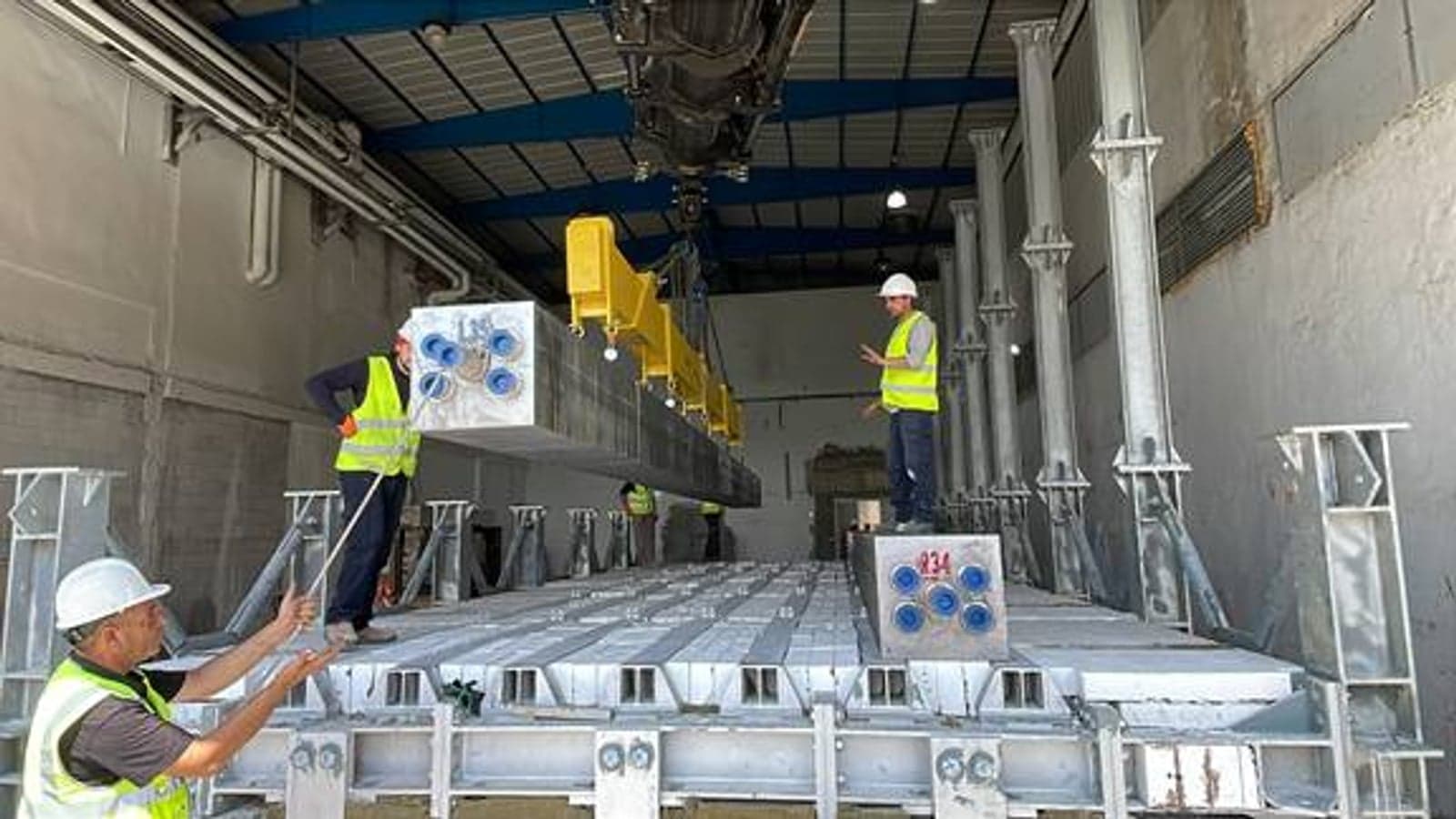
Brenmiller Energy’s bGen thermal storage utilises crushed rocks as the storage medium.
When charging, the energy is converted to heat via electric heaters and stored within an insulated steel vessel. When needed, the energy is discharged as high temperature steam, hot air or thermal oil, offering a flexible heat delivery for industrial processes.
The latest product just launched is the bGen ONE, which introduces a standardised, factory built architecture based on modular containerised units that are pre-fabricated and integrated at Brenmiller's manufacturing facility.
Key assembly work including module integration, piping, insulation, electrical systems and controls is shifted from the field into a controlled manufacturing environment to reduce the on-site cost and execution risk.
The company also has recently launched the BNRG360 offering, through which industrial operators can access heat-as-a-service and PPA structures, without upfront capital expenditure.
Under the BNRG360 platform, projects may include solar generation connected to industrial facilities, battery energy storage systems and bGen thermal batteries structured to convert renewable electricity into dispatchable industrial heat.
Thermal energy storage in Europe
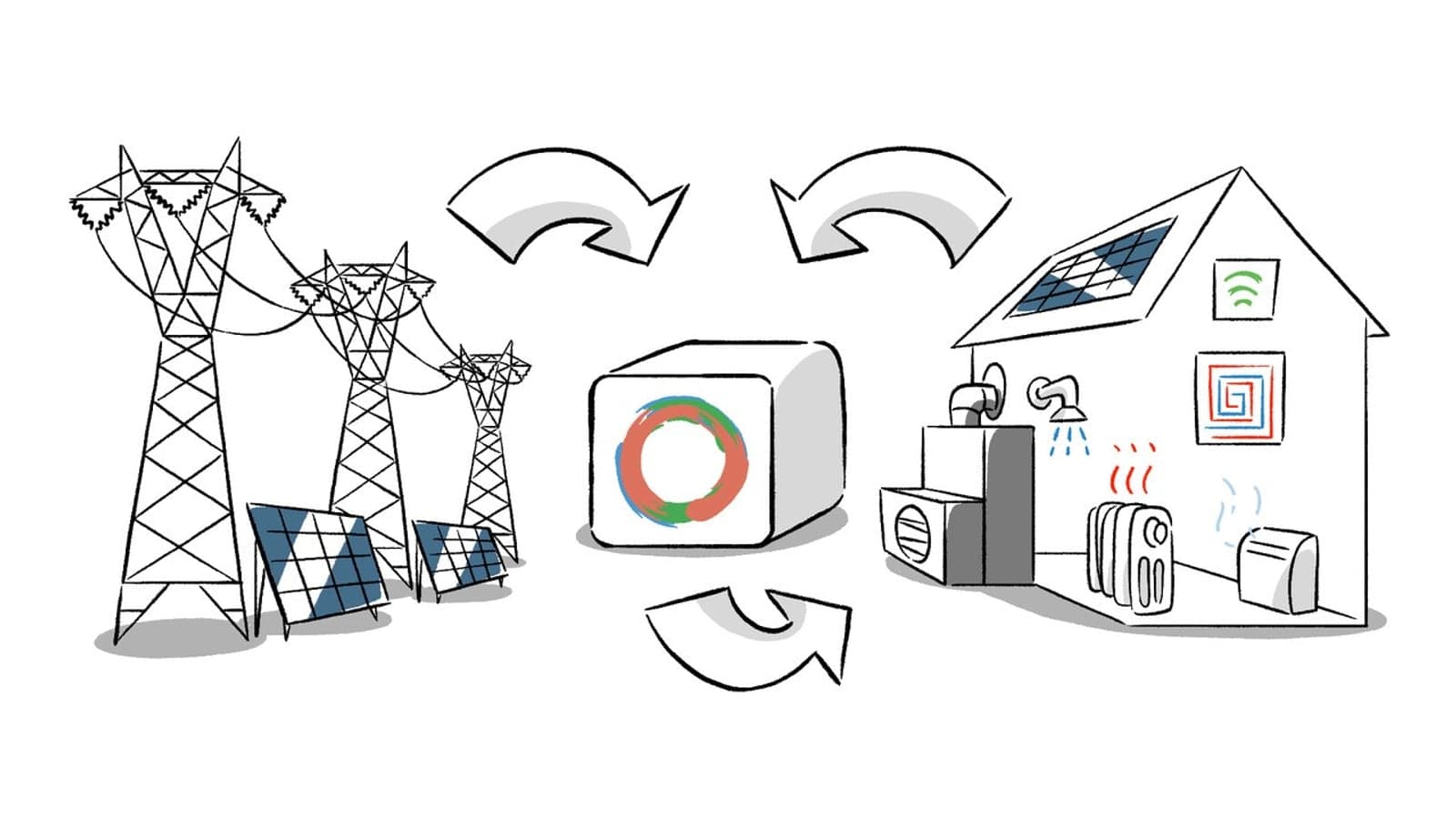
Thermal energy storage, with its potential to provide storage on timescales from hours up to seasons, is considered a key technology for long duration energy storage for the energy system.
It is comprised of multiple technology options and in addition to rocks and other solid storage media, liquid and chemical storage media also are commercially available, dependent on the use case.
Among these, in addition to industrial heat in the decarbonisation of industrial processes, is space heating for residential, commercial and district heating and balancing demand and supply.
Despite its potential, thermal energy storage, and long duration energy storage in general, is currently considered under utilised in Europe.
In a January 2026 policy paper on long duration energy storage deployment, Energy Storage Europe points to long duration energy storage as remaining marginal in many EU planning and market frameworks.
While some member states are beginning to recognise its role – particularly within capacity mechanisms – current approaches often fail to distinguish between nominal duration and effective system contribution, the organisation states.
As a result, long duration energy storage is frequently absent or underrepresented in key instruments such as national energy and climate plans, resource adequacy assessments and grid development plans.
Further, this lack of recognition reinforces investment barriers, with the absence of predictable, long-term revenue frameworks for capital intensive assets increasing investor risk.
Alongside the paper Energy Storage Europe and a group of other industry stakeholders published a joint statement calling for a sequenced EU framework to enable the deployment of long duration energy storage.
Specific proposals included embedding long duration energy storage in system planning and adequacy assessments, reforming ancillary and stability markets to reflect the changing renewables based system needs and aligning capacity mechanisms with the resource adequacy assessments.
There also should be targeted investment instruments and long term contracting that recognise the lifetime system value of long duration storage.
Join Europe’s leading industrial energy users at the annual European Industrial Energy Days (EIED).