European offshore roadmap launched
Jonathan Spencer Jones
Posted on: 13 June 2025
ENTSO-E has released its Offshore Roadmap examining priority areas of the regulatory framework to integrate the massive growth in offshore renewable energy expected in the coming decades.
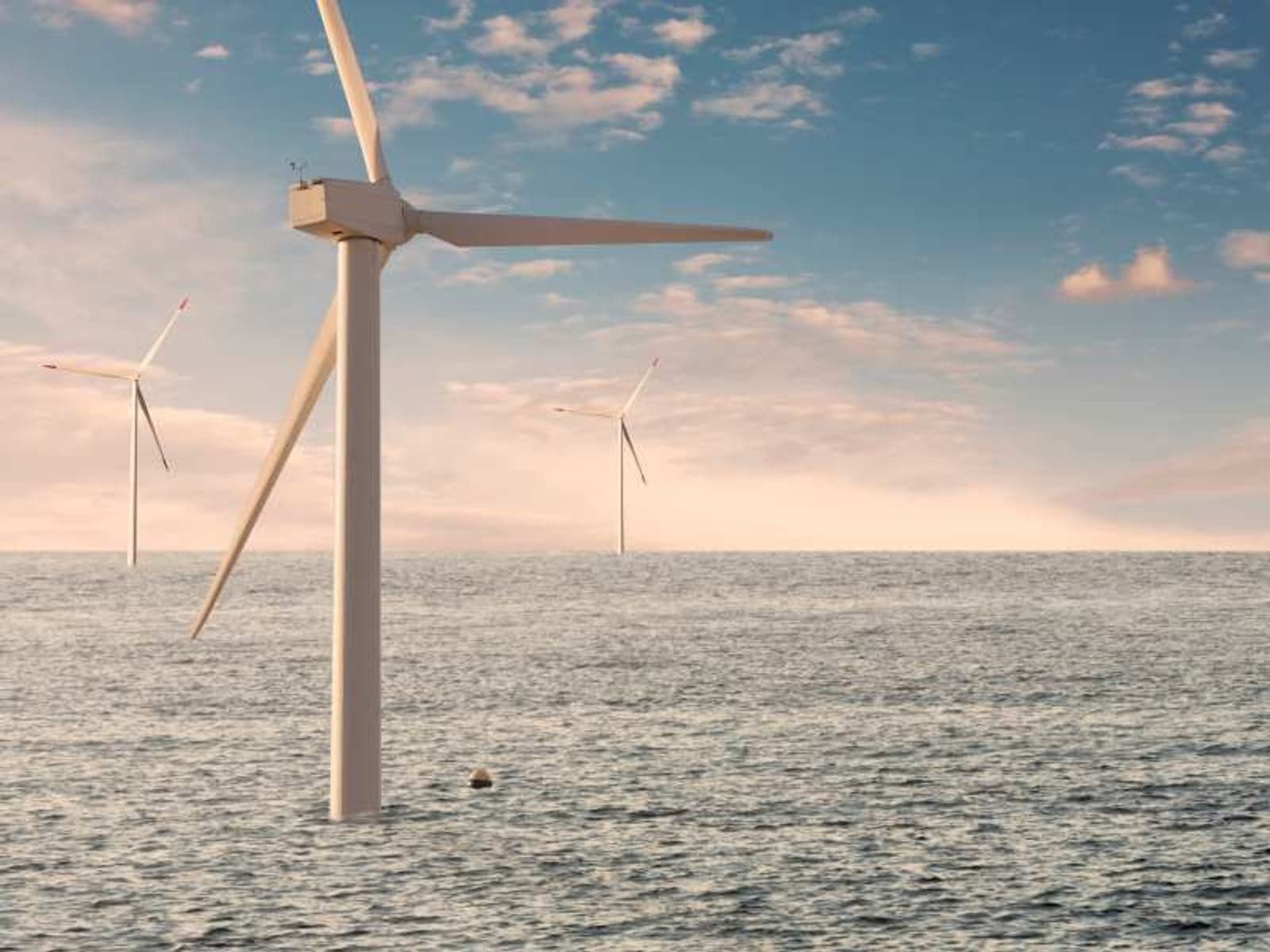
ENTSO-E has released its Offshore Roadmap examining priority areas of the regulatory framework to integrate the massive growth in offshore renewable energy expected in the coming decades.
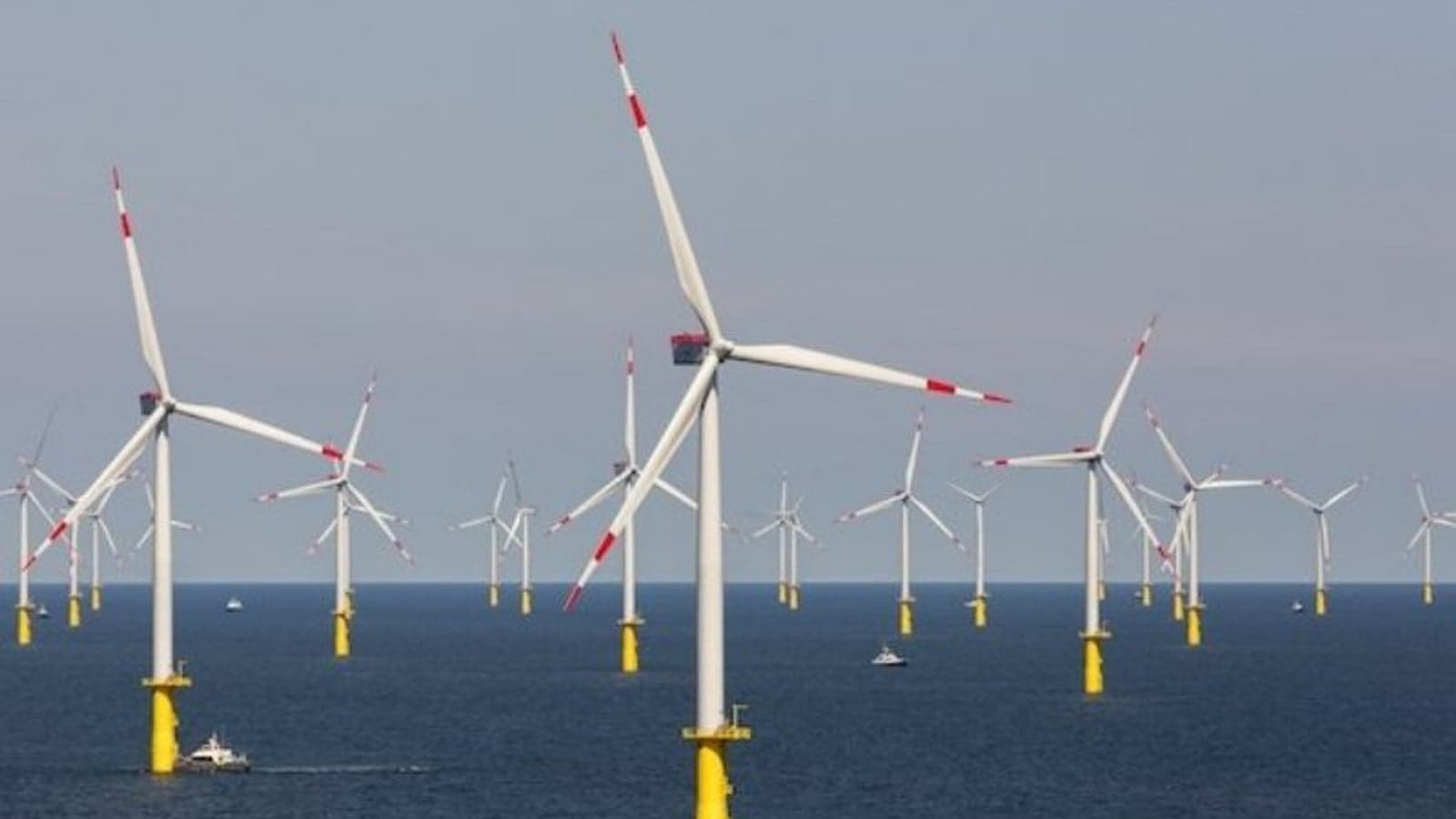
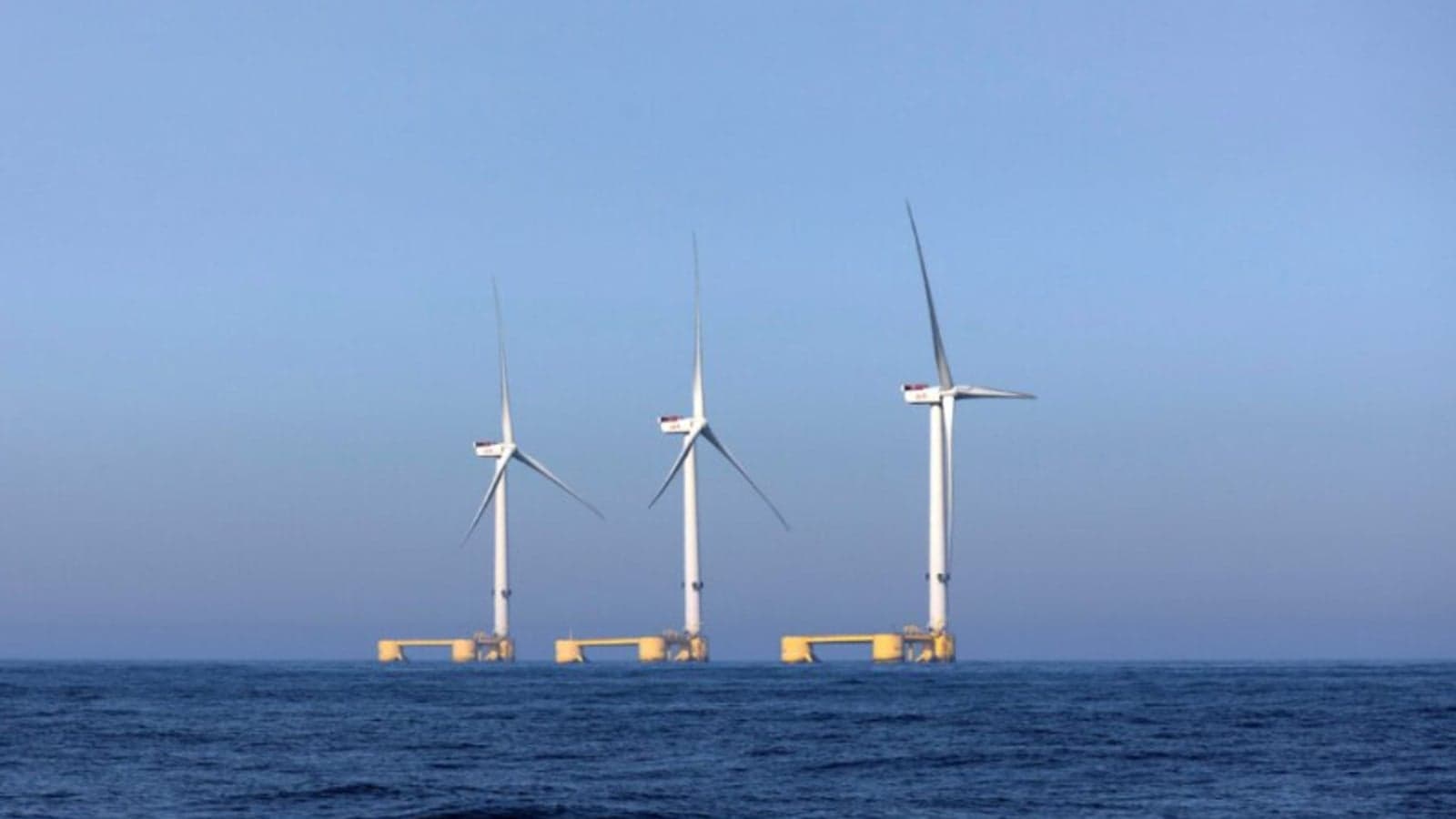
With EU targets reaching up to 365GW of offshore renewable capacity by 2050, its integration will necessitate more complex topologies for the additional electricity infrastructure required, for which the necessary regulatory framework, including network codes and guidelines, should be ready in time.
Having previously identified six priority areas, the roadmap is focussed on assessing potential changes or additions that may be needed to these.
For example, as the numbers of wind facilities increase, to use both the maritime space and the resources more efficiently, it can be more beneficial to move from radial connections to hybrid and possibly a meshed infrastructure allowing both the integration of the offshore renewables as well as cross border trading.
Also of interest
European Network of Network Operators for Hydrogen reaches next formative step
Priority 1 – Geographic areas and integration of offshore bidding zones
ENTSO-E’s objective is to establish and develop a viable operational framework that meets the technical and operational requirements of offshore bidding zones while ensuring system security is maintained, with the offshore bidding zone model the target framework for integrating hybrid projects into European electricity markets.
The key priority is to define the geographic areas and these offshore bidding zones to enable market-based coordination.
Priority 2 – Offshore balancing
ENTSO-E is working as a key priority on an offshore balancing concept that is aligned with the European regulation and allows for the integration of offshore bidding zones and offshore wind farms in the European balancing markets.
Thereby possible aspects and issues will be identified which cannot be solved with existing regulation and, thus need to be addressed at European level.
Priority 3 – Frequency control
The key priority is to address frequency control in a coordinated manner between the relevant synchronous areas, prepare commonly for the additional challenges posed by offshore wind and increased interconnectivity between the separate areas to ensure a stable system frequency in the future system.
A key question is what will, in the future, be the technical maximum of an instantaneous power imbalance on the ENTSO-E grids both overall and specifically for each synchronous area?
Priority 4 – Ramping rates for DC links and wind farms
The development of significant volumes of offshore generation and the expansion of offshore networks poses some challenges to system balancing, voltage stability and dynamic stability in terms of the ramping rates of this infrastructure/generation and the impact on the onshore grids.
ENTSO-E’s priority is to investigate and harmonise ramping requirements to ensure efficient and secure system operation.
Priority 5 – Inertia provision and grid forming capability
ENTSO-E’s goal is to assess the need to address declining system resilience and propose necessary solutions and mitigation measures in a step-by-step, no-regret approach to ensure secure and efficient operation for a future-ready decarbonised system.
In project Inertia phase II, the resilience of the system in case of a split with the continental Europe synchronous area is being assessed.
Priority 6 – Dynamic stability
Sea basin grid solutions will necessitate a concentration of power converters with generation, demand, storage, flexible AC transmission system (FACTS) connected to AC or DC networks that will interconnect with each other.
The objective is to prepare a strategy to ensure dynamic stability for more advanced grids dominated by power electronics onshore and offshore, and establish more knowledge (ongoing projects, studies, etc.) about resonance and converter driven stability, assessing the need for regulatory and technical developments and disseminating best practices.
ENTSO-E states that the roadmap, developed through extensive engagement with stakeholders, marks a key step in aligning technical and regulatory readiness with Europe’s climate and energy ambitions.
ENTSO-E intends to continue to update the roadmap as technologies and policies evolve, ensuring that offshore renewables can be connected and operated securely, efficiently, and at a scale.