New project spotlight: Offshore energy and storage with SeaDream and FLASC HPES
Jonathan Spencer Jones
Posted on: 29 July 2025
The SeaDream and FLASC HPES projects are respectively advancing sustainable marine energy and energy storage solutions.
The SeaDream and FLASC HPES projects are respectively advancing sustainable marine energy and energy storage solutions.
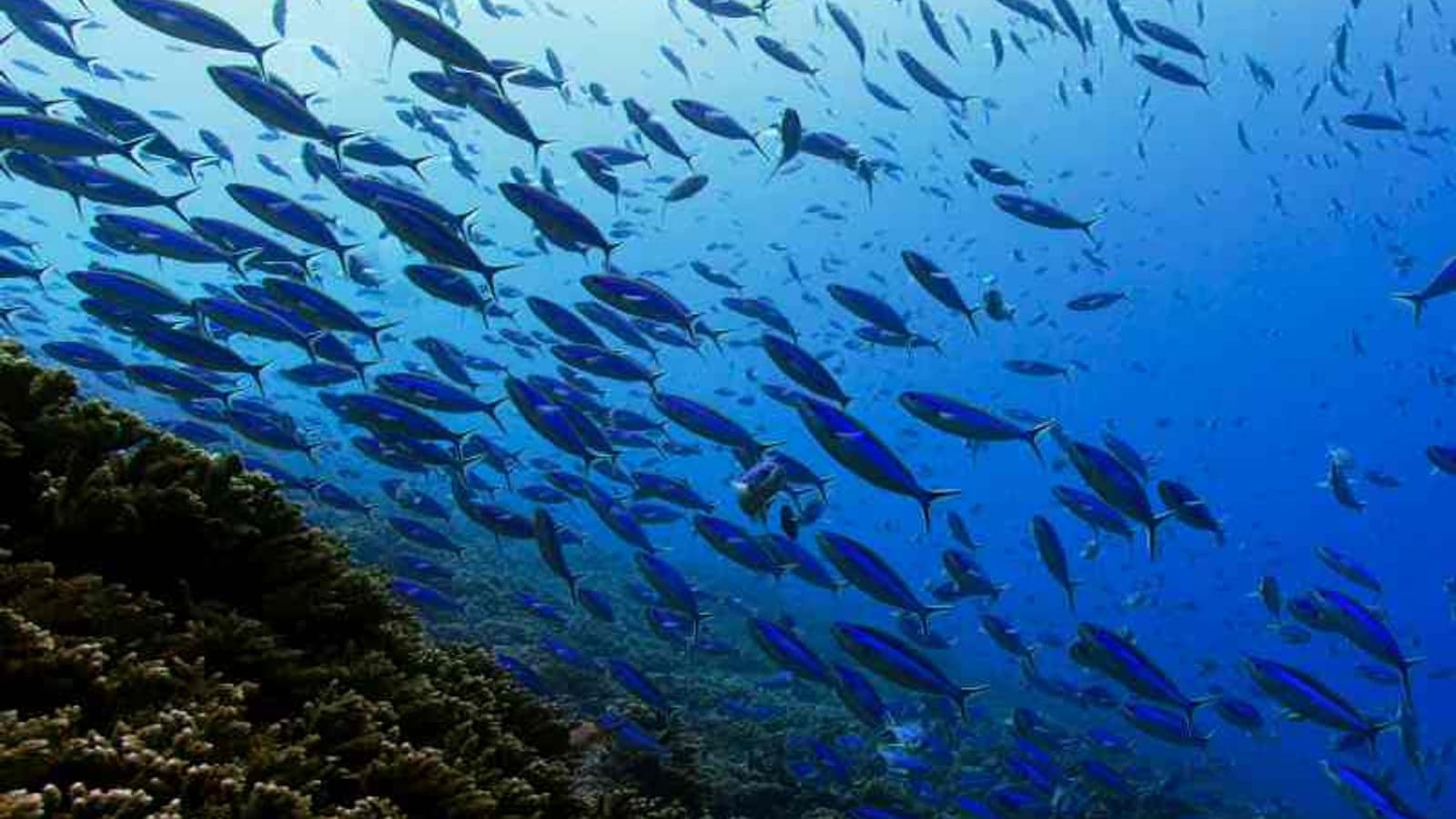
Building on the premise of achieving climate neutrality and safeguarding coastal environments as central to the EU’s climate goals, the SeaDream (Sustainable marine Energy and ecosystem resilience Advancement through Digital technologies and REAl-time crisis Management) project is aimed to advance the sustainable use of marine energy.
Specifically, SeaDream is developing a high resolution water quality data service for monitoring and modelling at sea – a service considered essential for understanding the impact of renewable energy generation and storage on marine environments.
To achieve this the project integrates local monitoring data and advanced modelling towards the development, testing and demonstration of novel downstream information services in an operational mode.
Also of interest
EU Energy Projects Podcast: Advancing energy storage integration with InterSTORE
The project also seeks to promote career growth in green energy research
Coordinated by the University of Luxemburg, the 48 month project, which began on 1 January 2025 and is supported through the Marie Skłodowska-Curie Actions programme, includes five other partners from Europe as well as nine other participants from Canada, China, India, the US and UK.
Novel offshore energy storage
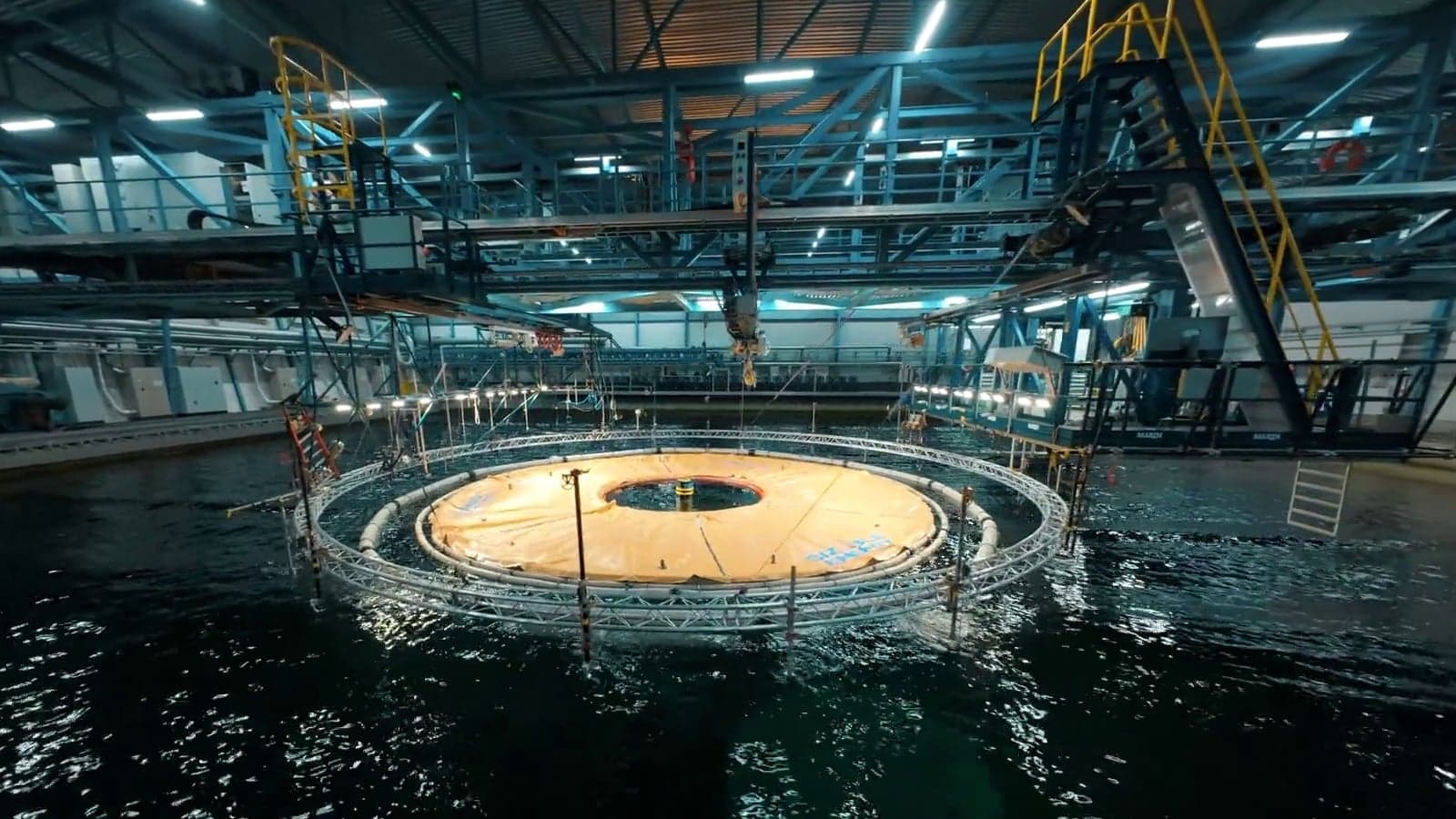
The FLASC HPES project is aimed to address the challenge of the unpredictability of offshore wind with a tailored offshore energy storage system.
With offshore wind power projected to contribute around a fifth of the global wind energy supply by 2050, a robust solution is needed for matching supply with demand, both temporally and spatially
The project, which launched on 1 January 2025 and runs over two years, is intended to advance the Dutch storage startup FLASC BV’s solution combining pneumatic liquid piston technology with ocean-based heat sinking with the aim to offer a compact and cost-efficient storage option to co-locate with both bottom fixed and floating offshore wind farms.
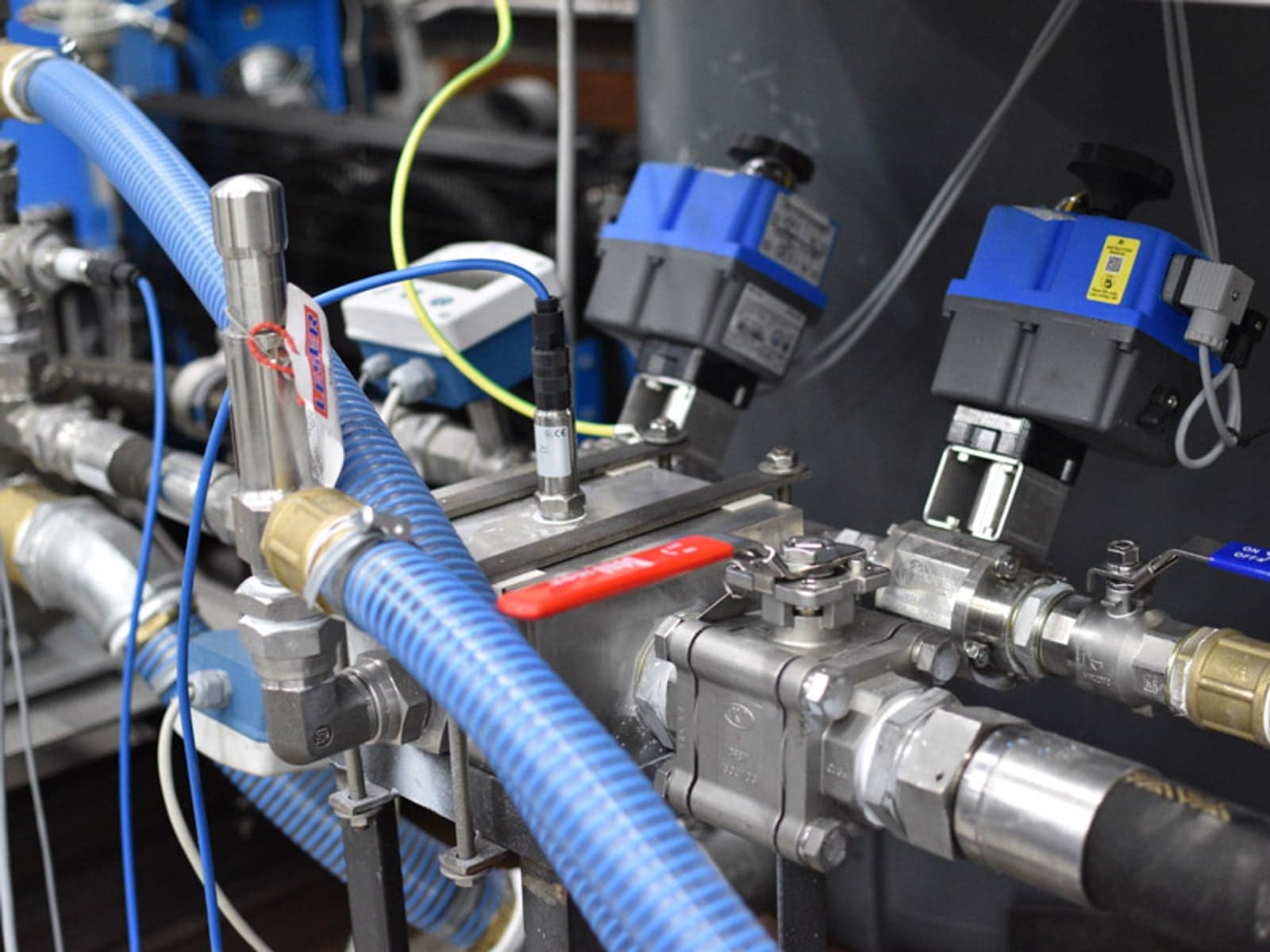
To charge, a motor and hydraulic pump drive a reciprocating liquid piston array to compress air into a pre-charged container, while to discharge the stored air expands through the liquid pistons that drive the hydraulic system in reverse to produce electricity.
FLASC claims its technology provides storage with a duration from 4 to 100 hours with a round-trip efficiency approaching 75% and a 30-year design lifetime.
FLASC also is advancing its storage technology through the Interreg Vlaanderen-Nederland supported ‘Offshore for Sure’ (O4S) project, with the development of a digital twin of its solution.
The model, complementary to the technology development itself, is planned to serve as a hub for different combinations of marine energy sources, i.e. wind, floating solar, wave, tidal, to enable a deeper understanding of energy storage sizing requirements and performance attributes.