Europe’s distribution challenges under spotlight from DSO organisations
Jonathan Spencer Jones
Posted on: 3 April 2026
Europe’s five DSO organisations have issued a joint paper setting out recommendations for better integration of distribution challenges.
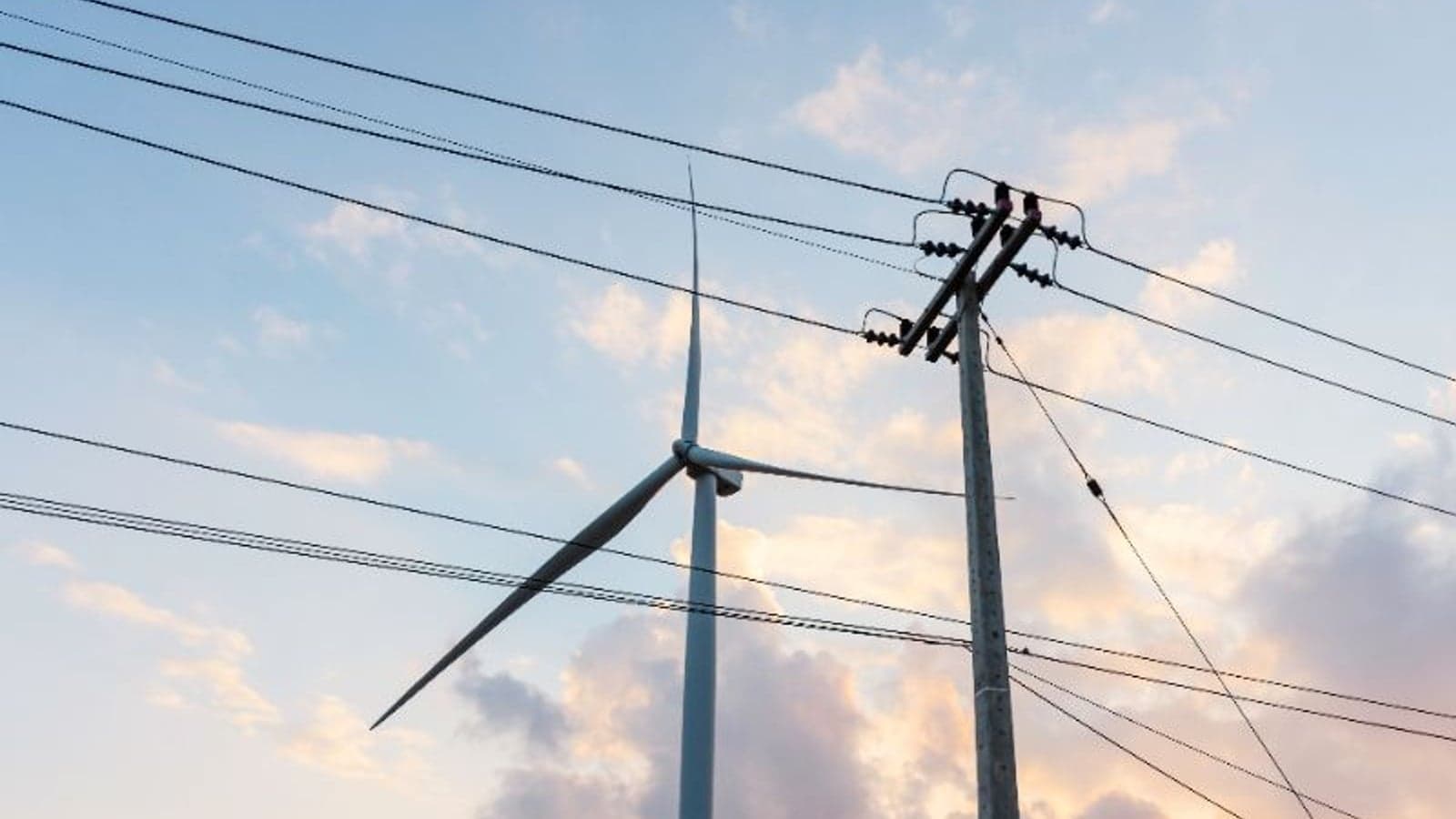
The paper from the five organisations – CEDEC, DSO Entity, E.DSO, Eurelectric and GEODE – is a response to the European grids package announced in December 2025.
The paper focuses on two aspects therein – the new permitting regime for grid asset projects and the revision of the TEN-E (Trans-European Networks for Energy) regulation.
While welcoming the grids package and positively acknowledging the efforts to address areas such as planning, permitting, and grid connections, the organisations record their regret at the neglect of the decentralised level and the failure to provide a sufficiently enabling framework for the development of the electricity distribution networks.
In particular, concerns persist regarding the continued absence of a dedicated DSO funding mechanism, the insufficient attention to bottom-up planning and the lack of clarity and feasibility of some proposed permitting measures such as the introduction of short timelines or tacit approval mechanisms.
Also of interest:
Industry welcomes European Grids Package and Highways Initiative
Acceleration of permitting
As regards the proposal on the acceleration of permit granting procedures, the organisations state that some measures raise concerns about the risk DSOs entail in terms of technical feasibility and grid safety, system security conditions and supply to the existing customers.
Key recommendations are:
- Amend the definition of grid connection procedures, which should not be designated as permits. These differ from permit granting procedures facilitated by public authorities and respond to technical, economic and safety conditions, resulting in a grid connection offer and if agreed, in a bilateral grid connection contract.
- Align all grid connection deadlines to 3 months to give sufficient time to DSOs to meet technical and safety requirements. The 1-month deadline for granting grid connections proposed for smaller projects is assessed as too challenging for grid operators and also it should be taken into consideration that, in some projects, there is the involvement of other operators/entities (e.g. road, rail, navigation), or the need of additional studies, which are not under the control of DSOs. The connection of smaller distributed generation can also have an impact on the grid because of the cumulative amount of capacity requiring connection to the DSO grid.
- Introduce additional safeguards to the tacit approval mechanism to guarantee grid safety and system security. Grids operators are responsible for ensuring the safety and reliability of the grid and stability of the overall power system.
TEN-E revision
While the revision of TEN-E, the proposed five-fold increase of the CEF-E budget (2028–2034) and the introduction of a new resilience category are welcome, the proposal still largely overlooks DSOs, despite around two-thirds of projected grid investments being at the distribution level, the DSOs state.
The proposal continues to prioritise transmission infrastructure, perpetuating the funding gap for DSOs. Also, the introduction of an overly centralised top-down approach to scenario development does not reflect the realities and needs of a more decentralised energy system.
Key recommendations are:
- Avoid introducing an overly centralised, top down approach to scenario development, which may overlook local realities and needs. Effective EU-wide grid development depends on strong bottom-up national planning, with systematic inclusion of DSO data forecasts and distribution network development plans in TSO-led processes.
- Make lower voltage levels eligible for the smart electricity grids category of infrastructure priorities. This category currently limits eligible projects to those at transmission and medium and high voltage distribution levels, risking the exclusion of projects such as the connection of renewable energy sources, storage and digital upgrades.
- Enable smart electricity grid projects to qualify as 'projects of mutual interest' (PMI). While they qualify as 'projects of common interest', their current exclusion as PMIs limits the participation of DSOs.