Europe’s Mediterranean energy bet is also a security bet
Areti Ntaradimou
Posted on: 7 July 2026
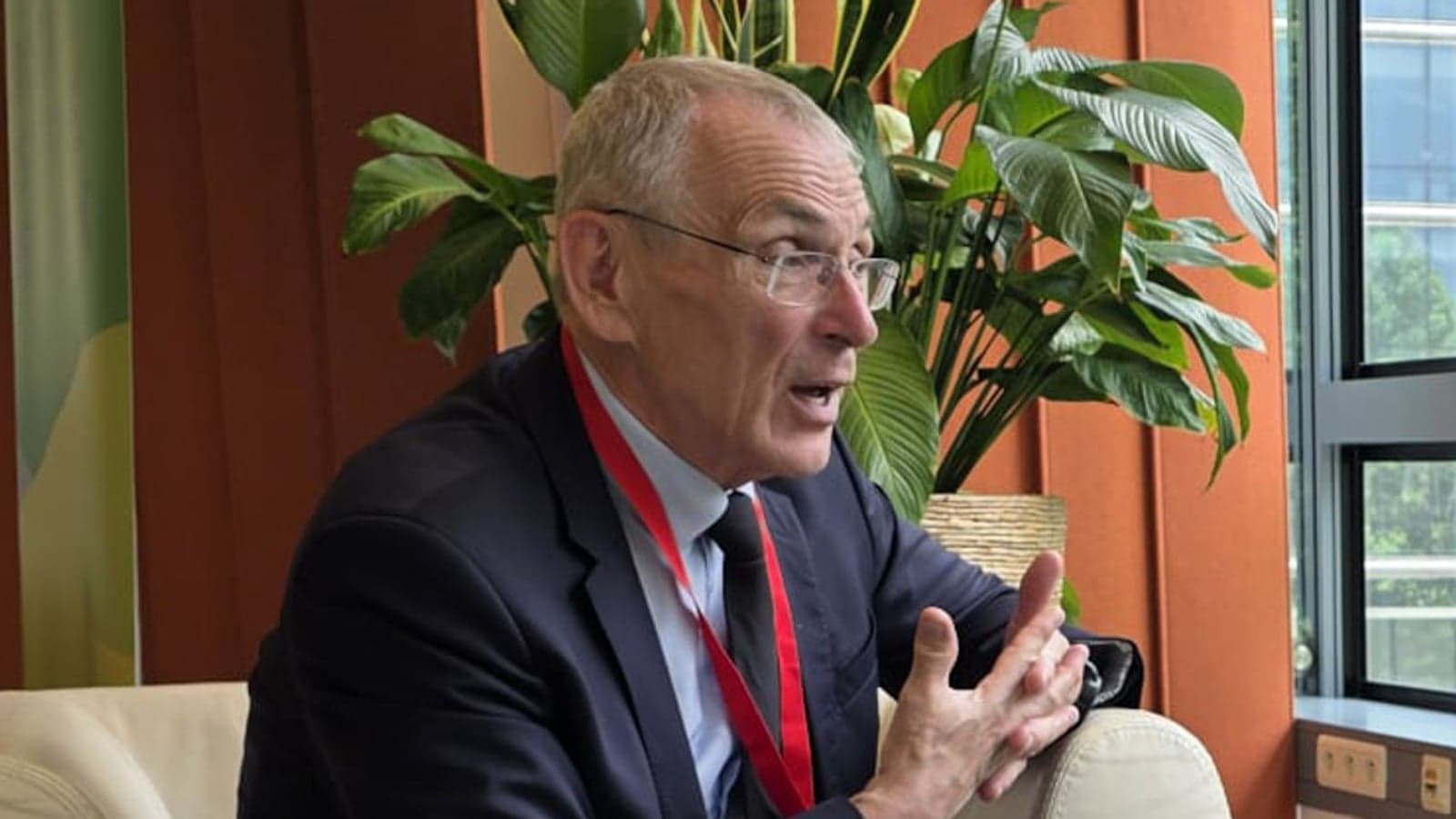
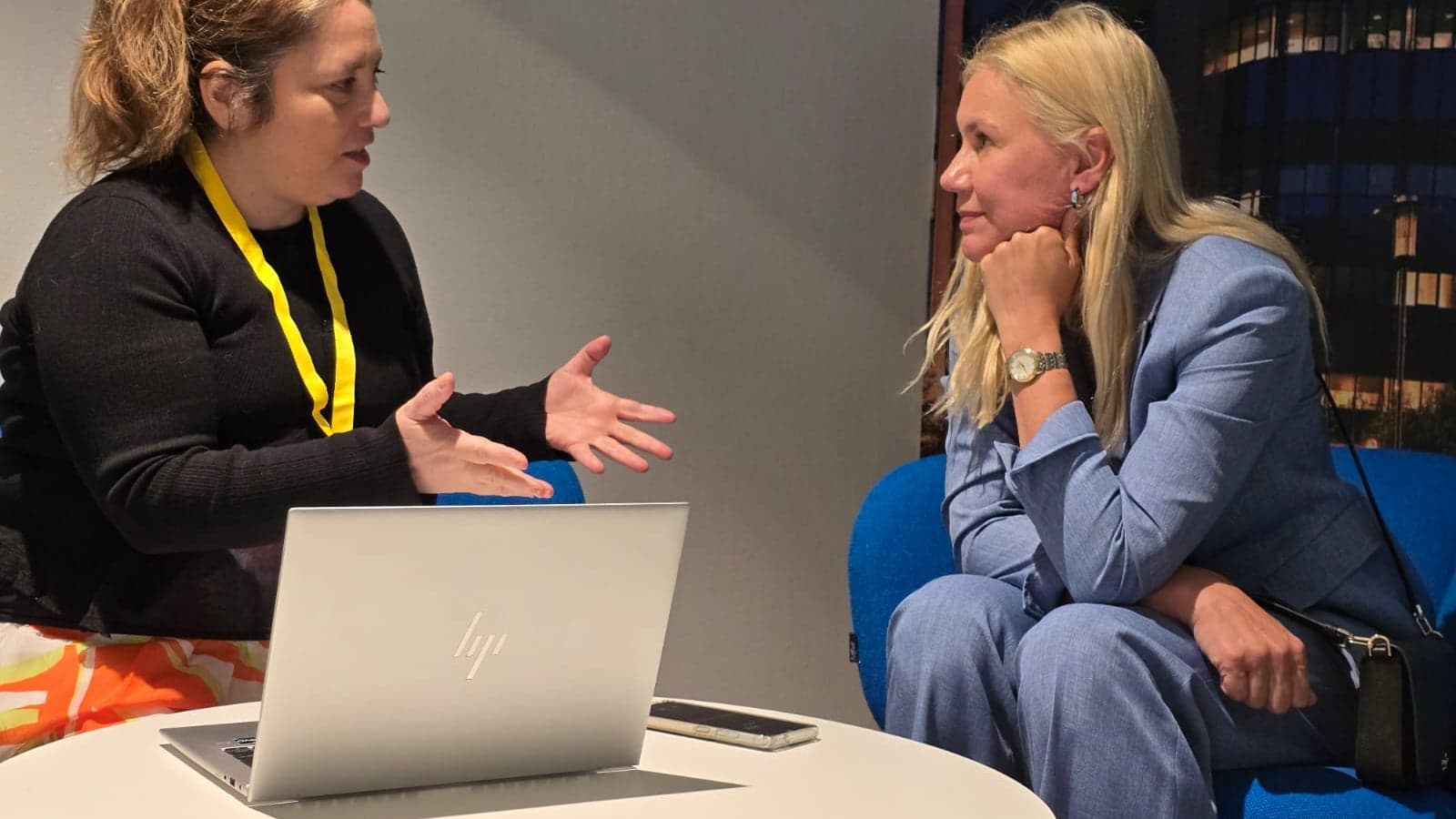
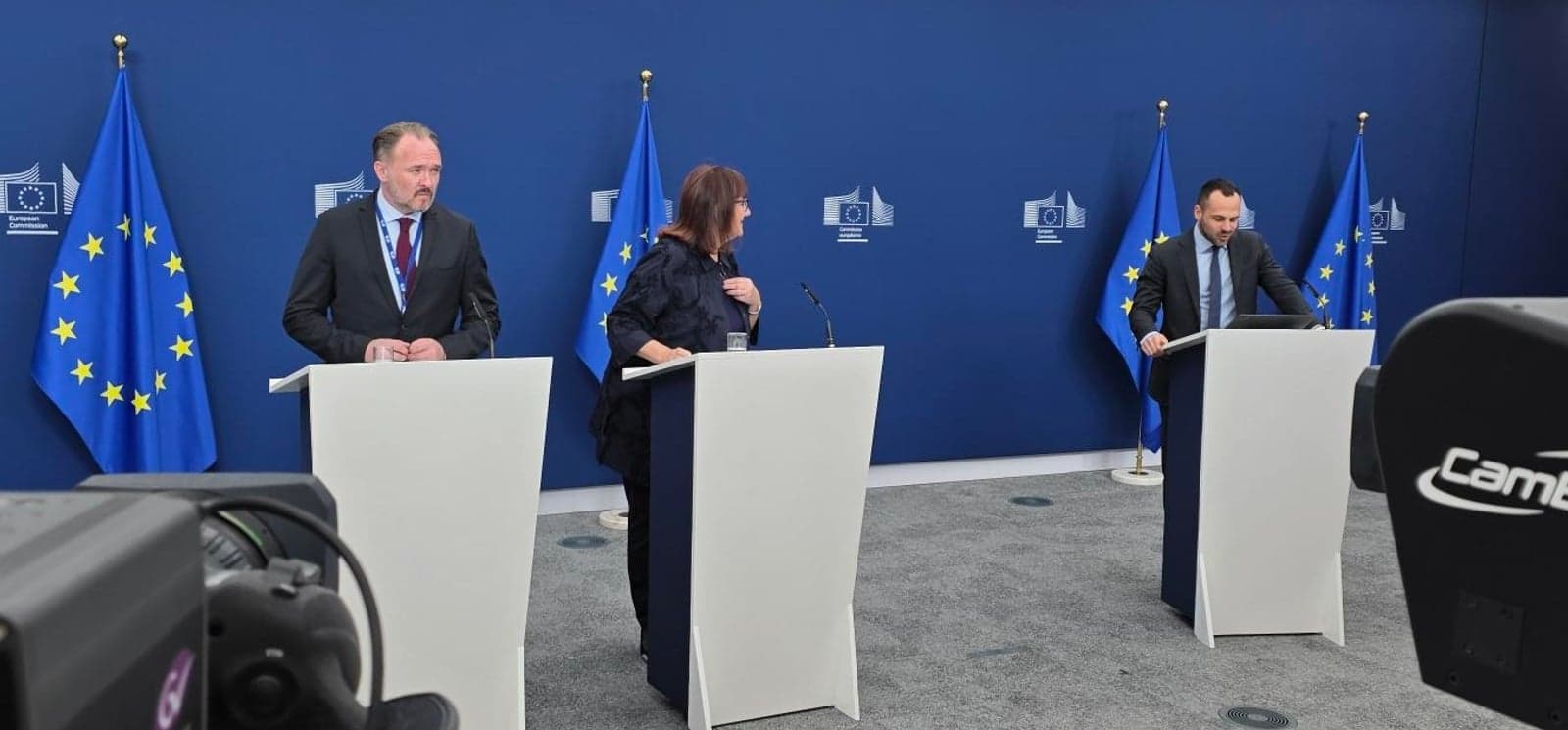
At EUSEW 2026 in Brussels, I joined a European Commission press conference on the launch of TMED, the Mediterranean clean energy and investment initiative.
Although not part of the official EUSEW programme, the discussion spoke directly to the same political reality: Europe’s energy transition is no longer only about climate. It is about security, competitiveness and geopolitical resilience.
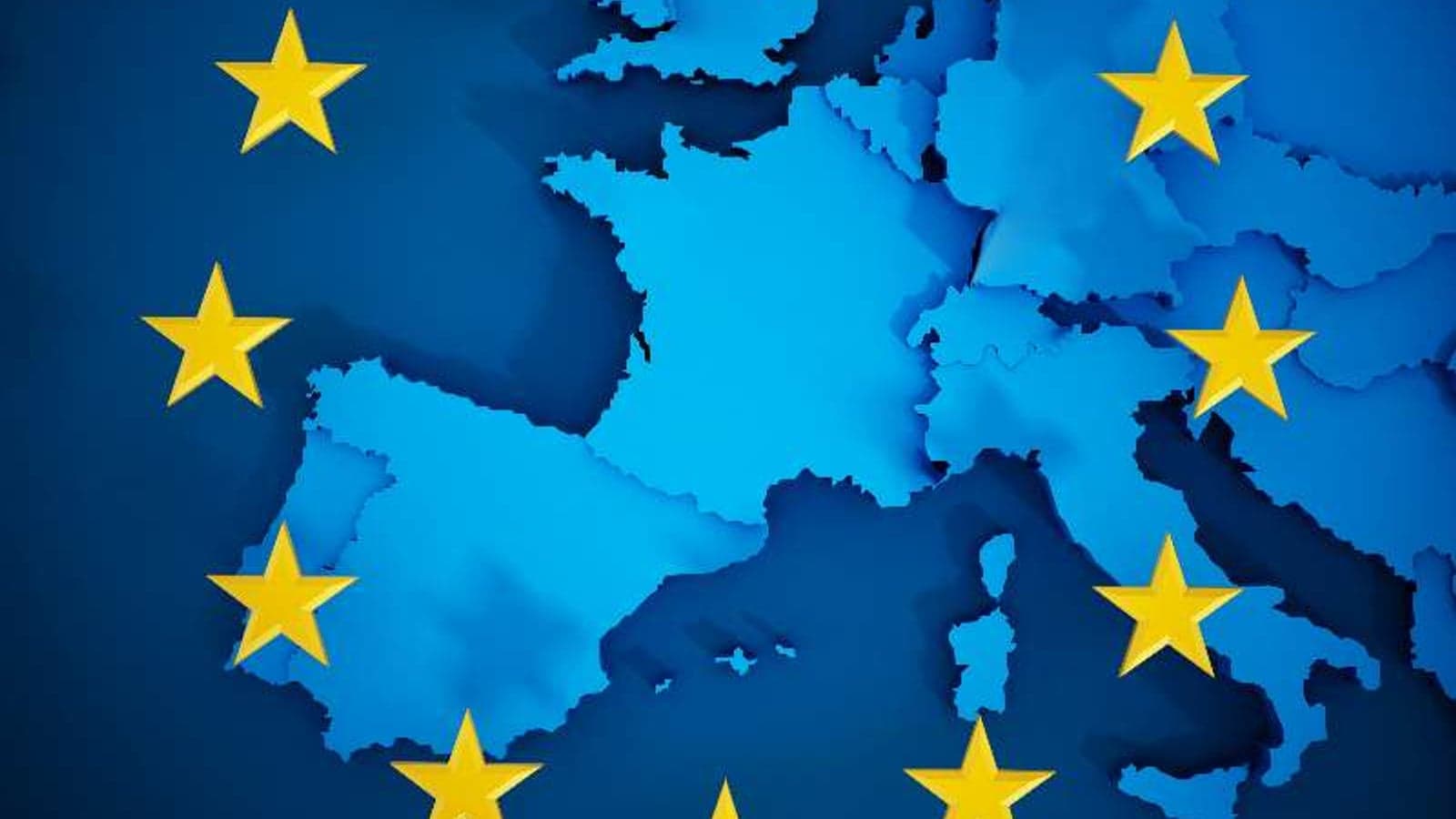
The ambition behind TMED is significant. The Mediterranean region is estimated to hold around 2,300 GW of renewable energy potential, while solar and wind power can be produced at costs 30–40% lower than in Europe. Yet investment remains far below what is needed.
Through T-MED, the Commission is making available more than €5 billion in guarantee capacity, with the aim of mobilising up to €25 billion in investments by 2035, supporting at least 15 GW of renewable energy capacity and helping create more than 100.000 jobs.
What stood out during the press conference was the repeated emphasis on risk. Public funding alone will not deliver the scale required. The initiative therefore aims to bring together development banks, international financial institutions, project promoters and private investors, while turning promising ideas into bankable projects.
But the questions from journalists also highlighted the obvious challenge: political stability. Commissioner Dubravka Šuica acknowledged that the €25 billion is only a starting point and that investment will not flow unless capital is safe and secure.
Commissioner Dan Jørgensen placed the initiative in an even broader context. With conflict in the Middle East and disruptions to global energy markets, he argued that diversifying fossil fuel supply is no longer enough. Energy security must be built on electrification, clean energy, modern grids and stronger connectivity.
That may be T-MED’s real significance. It is not simply a renewables programme. It is an attempt to turn the Mediterranean into a shared space of energy security, investment and growth. Whether it succeeds will depend on whether Europe can turn guarantees into projects; and projects, into trust.
Cheers, Areti
Related tags
Latest content
+2
Kadri Simson: “We surprised the world with how strong Europe is”
The energy crisis triggered by Russia's invasion of Ukraine forced Europe to take decisions in months that would normally have taken years. At the centre of that response was Kadri Simson, European Commissioner for Energy from 2019 to 2024.
- Areti Ntaradimou
- 16/06/2026