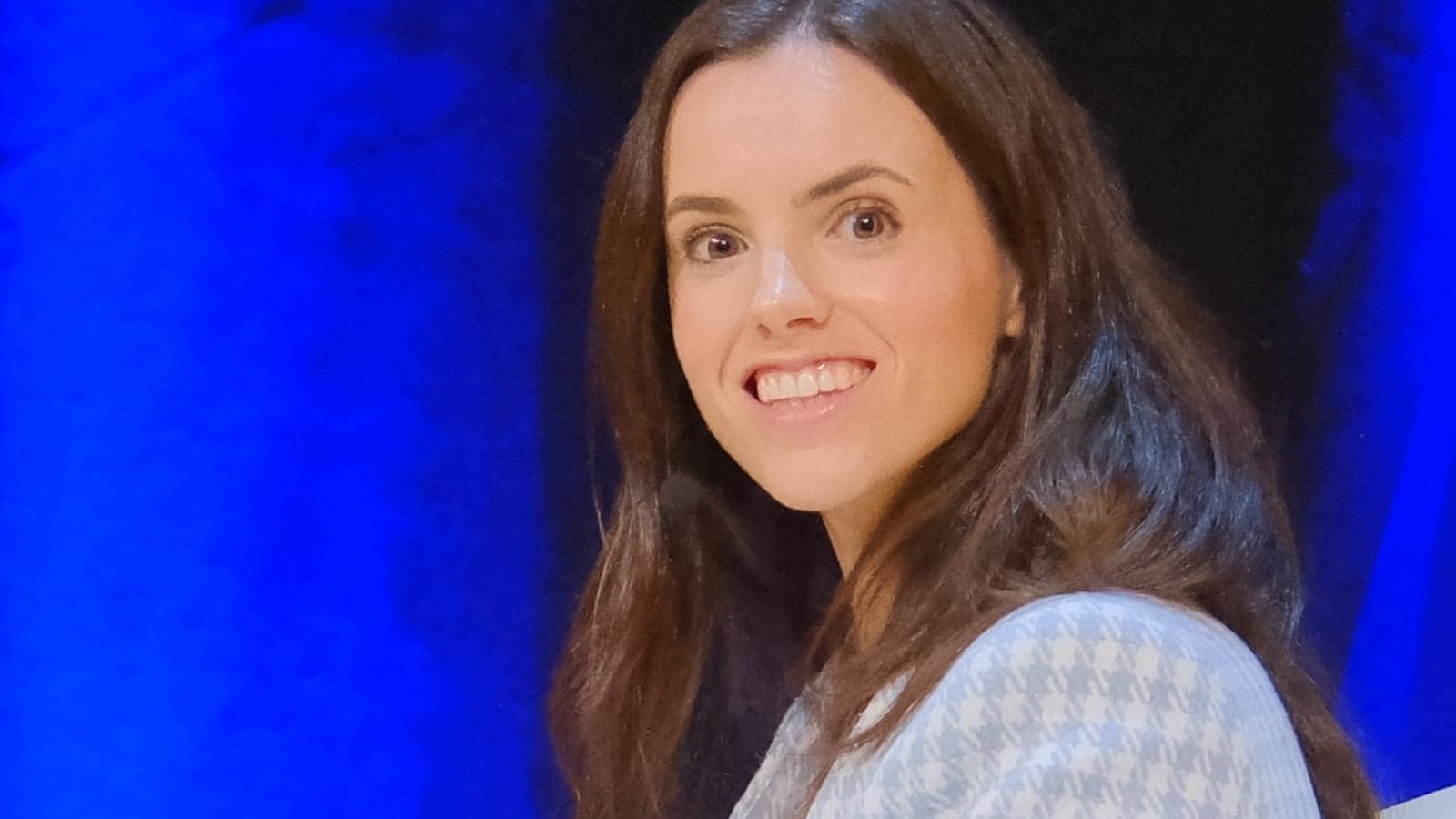
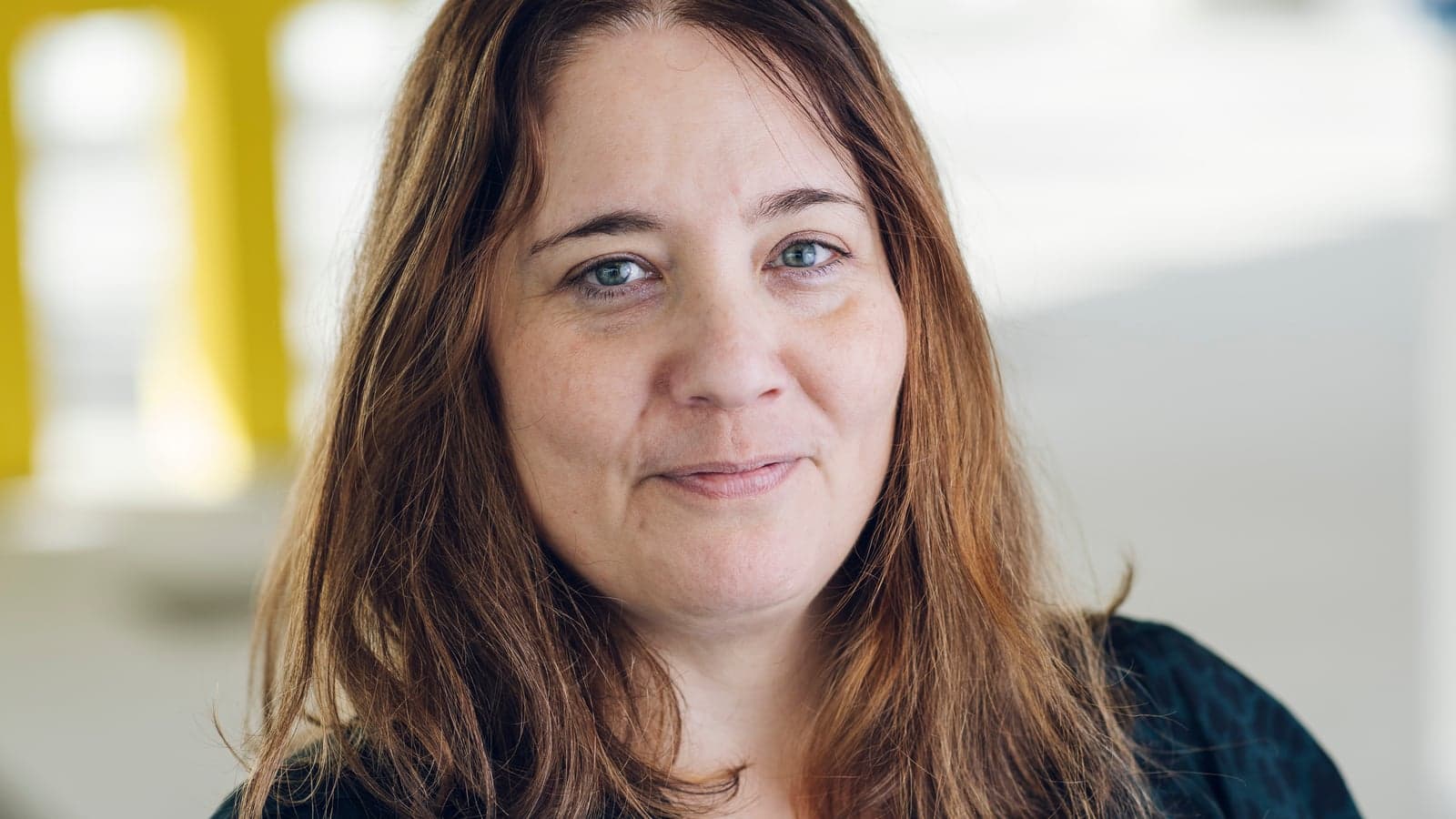
Kadri Simson: “We surprised the world with how strong Europe is”
Areti Ntaradimou
Posted on: 16 June 2026
The energy crisis triggered by Russia's invasion of Ukraine forced Europe to take decisions in months that would normally have taken years. At the centre of that response was Kadri Simson, European Commissioner for Energy from 2019 to 2024.
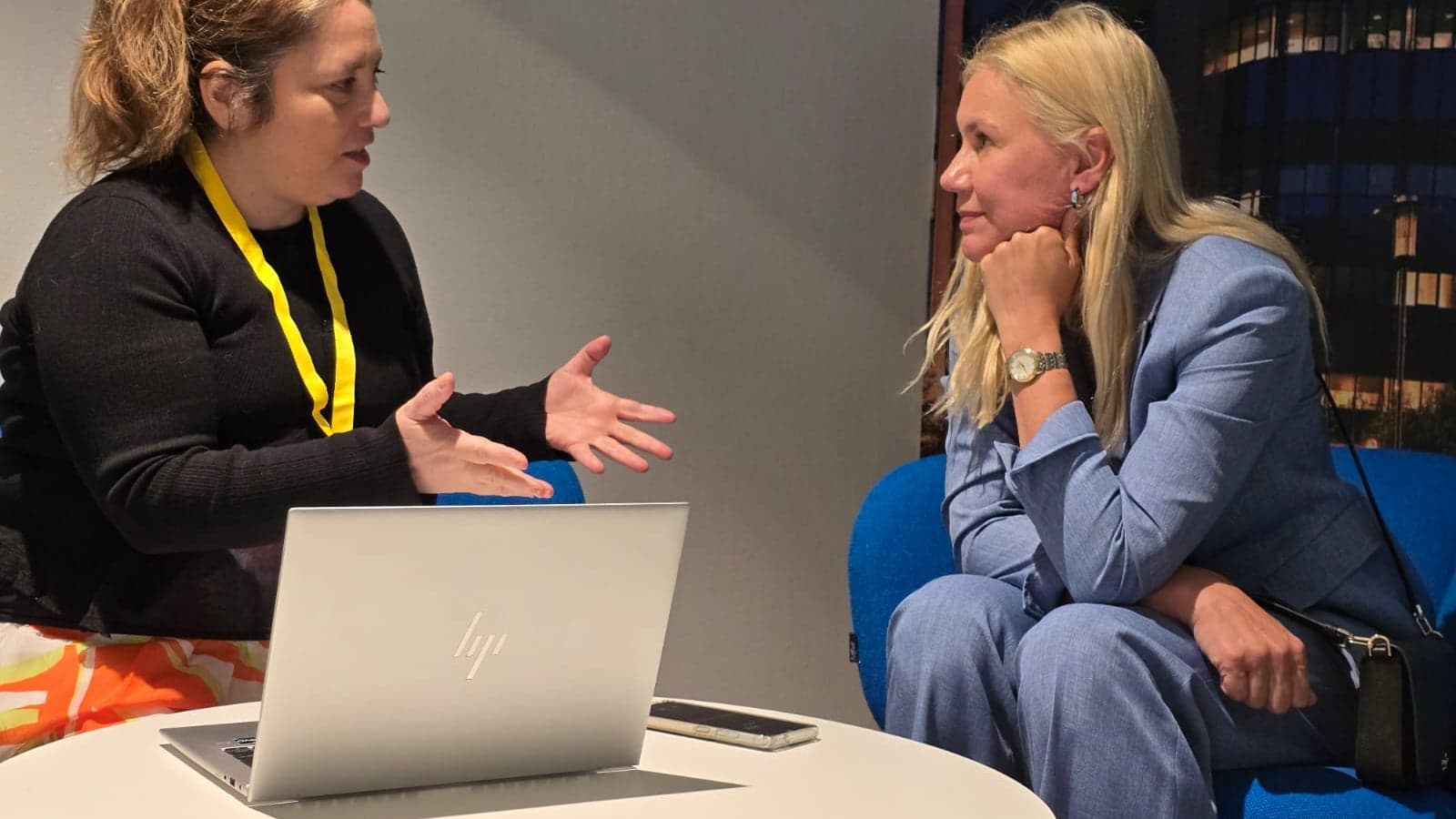
Speaking to Enlit Media on the sidelines of the European Sustainable Energy Week (EUSEW) 2026, Simson reflected on the decisions that shaped Europe's response to the crisis, the lessons learned from REPowerEU, the future of renewables and nuclear power, and whether Europe is genuinely more resilient today than it was just a few years ago.
Looking back, how do you view Europe's energy policy discussions today compared to when you left office?
Over the past 18 months I have returned to Brussels several times and met with former colleagues. What I appreciate is that decision-makers have kept a very clear message on what Europe's energy policy aims are. During the crisis, we opened almost all energy files. Now it is time to implement what was agreed, and I already see positive signs that these decisions are delivering results.
The recent tensions around the Strait of Hormuz, for example, have not had the same impact on prices that we experienced in 2022.
What was the most difficult decision you had to make during the energy crisis?
There was no one single decision because there was no silver bullet. These were cascading decisions, one following another, and together they produced positive results.
When the full-scale invasion started in February 2022, the market situation was difficult, but by August it became much worse. We were fortunate that Member States agreed to use emergency mechanisms that allowed legislation to be adopted very quickly. Energy ministers came together every two weeks to negotiate new measures.
In the end, prices started to fall and we avoided a security-of-supply crisis.
Were you surprised by how quickly Europe reduced its dependence on Russian fossil fuels?
We already saw warning signs in autumn 2021 when Russia stopped supplying LNG cargoes to the spot market. We travelled extensively and found partners willing to increase production and provide gas to Europe.
But that alone would not have been enough. We also needed to accelerate renewable deployment. National governments realised that home-grown renewables are not only about climate commitments. They help reduce the import bill for fossil fuels.
During the crisis, did concerns about climate change ever conflict with the emergency measures being adopted?
My biggest concern in spring 2022 was that without more renewables, Europe would have had to return to coal on a much larger scale.
Compared to the environmental impact of burning more coal, accelerating renewable deployment was clearly the better option.
REPowerEU started as an emergency response. Has it now become a long-term blueprint?
Yes. REPowerEU was designed to prepare Europe for a situation where Russia would completely cut off gas supplies.
The objective was to introduce policies in a way that would hurt Russia more than Europe. We wanted to ensure that instability created by Russia would not weaken our support for Ukraine.
Which REPowerEU measure had the greatest impact?
All of them were complementary. If we had skipped one, the others would not have delivered the same results.
Diversification, energy efficiency and renewable deployment all worked together. The lesson remains relevant today. To meet our future climate targets, we will need all low-carbon solutions.
Europe experienced unprecedented price volatility during the crisis. Have we found the right balance between market signals and consumer protection?
In some regions affordability remains a challenge. In Estonia, where I come from, households have smart meters and many consumers follow hourly prices closely. They can choose when to consume electricity and benefit from lower prices.
I do not expect every European consumer to behave this way immediately, but digitalisation will increasingly give households access to cheaper electricity and help reduce peak demand across the system.
What is the biggest risk to maintaining public support for the Green Deal?
Events such as disruptions in global fossil fuel markets send a clear message. Renewables are not only about climate action. They help replace imported fossil fuels.
European citizens understand that these disruptions can happen again. As long as we remain dependent on imports, we remain vulnerable.
Nuclear power has returned to the centre of the debate. How do you see its role in Europe's future?
The European Commission must remain technology-neutral. Decisions on nuclear energy belong to Member States.
However, there is significant interest in small modular reactors. They may bring innovation that allows new applications, particularly in heating and industrial systems.
Whatever technologies are deployed, safety must remain the highest priority. Europe already has some of the world's highest safety standards.
Europe is increasingly concerned about industrial competitiveness. Are you worried about losing industrial capacity during the transition?
European industries have long argued that they face higher gas prices than competitors in the United States.
The reality is that America produces more gas than it consumes. Europe imports much of its fossil fuel supply, which will always make us vulnerable to higher costs.
The solution is to reduce that dependence by supporting electrification, clean technologies and hydrogen.
Is Europe genuinely more resilient today than it was before the crisis?
It appears so. The current global disruption is arguably larger than what we faced in 2022, yet Europe has not experienced the same scale of price increases.
Something we did worked. I believe energy efficiency measures and the massive deployment of renewables played a significant role.
Where is Europe moving too slowly?
Grid development. We need stronger cross-border infrastructure. Better interconnections allow electricity to flow where it is needed most and help lower prices for everyone.
This must remain a priority.
Europe faces growing cybersecurity threats. Is the energy sector secure enough?
Utilities across Europe report around 1,500 cyberattacks every week.
That shows the scale of the challenge. However, system operators and energy companies are doing an excellent job. So far, these attacks have not succeeded in disrupting Europe's electricity system.
Looking ahead to 2035, what would success for Europe's Energy Union look like?
Europe already has one of the best functioning electricity systems in the world.
If we continue strengthening the network and improving interconnections, we could become the world's first truly electrified region, reducing the dependencies that currently expose us to external shocks.
When history judges Europe's response to the energy crisis, what do you hope it will say?
I think we surprised the world with how strong we are.
The crisis strengthened perceptions of Europe, the single market, cooperation and solidarity. It demonstrated that Europe keeps its promises and remains a trusted partner.
Coming out of this crisis, I believe Europe's position in the world has become stronger.