EU’s Ocean Act must ensure existence of offshore renewables, stakeholders say
Jonathan Spencer Jones
Posted on: 3 March 2026
The forthcoming European Ocean Act is planned to introduce a standardised approach to planning and reporting in the region’s marine environment.
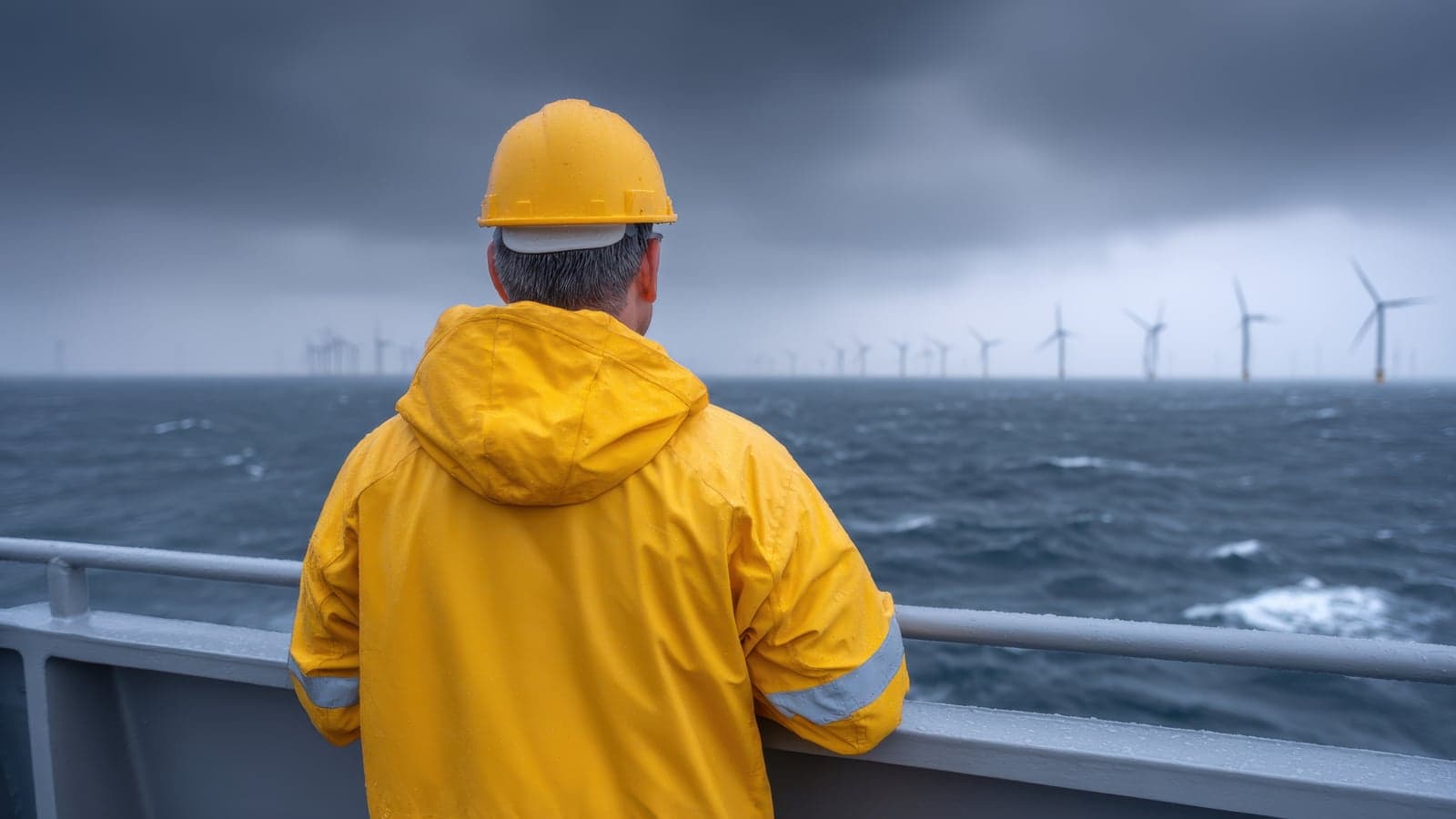
With maritime renewable energies on the increase, particularly offshore wind in the north and Baltic seas, with their targets to reach, the sector is a key part of the so-called ‘blue economy’ with significant planning requirements alongside others, including fisheries, transport, tourism and nature protection.
In a now-closed call for evidence, legislative shortcomings identified for the Act to address include the need for strategic long-term spatial planning aligned with EU policies across the sectors, the increasing spatial conflicts due to rising demand for marine space and fragmented sea basin governance as well as climate and environmental pressures.
Of the over 750 responses to the call (that have been published), less than 5% pertain to energy, and even fewer are from the sector itself, but together these ensure the sector’s ‘voice’ is heard, with many highlighting offshore renewables as a key component of the energy transition and the need to accelerate their deployment.
One of the more comprehensive is from EDF, which states the group relies on a strong presence in coastal, estuarine and maritime zones as part of its strategy to increase low-carbon electricity generation. This includes the launch of an industrial programme for three pairs of EPR2 reactors in France, two of which could be built on the coast at Penly and Gravelines, and the development of offshore wind.
EDF suggests that to meet the North Sea 300GW by 2050 offshore wind target, the Ocean Act could call on member states to establish clear mapping of the areas, both for fixed and floating offshore wind, that will enable its achievement. In this context, EDF adds the importance of establishing coordination and cooperation with all maritime users to ensure the acceptability of maritime renewable energies and avoid potential conflicts of use.
The strategy also should incorporate the issue of ports as essential links in the deployment of these projects, and member states should support the investments needed to make them ready.
EDF also calls for the value of offshore energy to be recognised in its ability to implement strong environmental measures and for its positive impact on the marine ecosystem. Wind farms play a major role in the acquisition of data at sea, which improves scientific knowledge.
Also of interest
Policy-first approach needed to scale floating offshore wind
Offshore wind is EU’s ‘path to true independence’ says Dan Jørgensen
WindEurope states that the maritime spatial planning directive is working well for offshore wind and has proven effective in tackling spatial competition with other maritime uses.
However, multi-use and sea-basin cooperation must be strengthened and multi-use of sea space must move from pilots to broader implementation, supported by early planning, designated zones and streamlined permitting. Cross-border and sea-basin cooperation should also be intensified as it can reduce spatial conflict and increase synergies between areas and sectors.
Ørsted highlights that maritime spatial plans should ensure a sufficient level of environmental protection while allowing for the necessary and efficient deployment of offshore renewable energies.
The Offshore Coalition for Energy and Nature (OCEaN), convened by the Renewables Grid Initiative, emphasises that the Ocean Act should strengthen maritime spatial planning as a central and strategic governance tool. It also should strengthen the cross-border and sea-basin perspective, enable co-existence and multi-use and improve data sharing.
The CPMR North Sea Commission suggests the North Sea could be a test case of the ocean act’s ambition to deliver coherent ocean governance, with its concentration of offshore renewable energy, shipping, fisheries ports, defence activities and marine protected areas, combined with growing pressures from climate change, pollution and biodiversity loss, creating cumulative and cross border challenges that cannot be addressed through fragmented national approaches alone.
The act should support a more formalised sea basin approach, ensuring that national maritime spatial plans explicitly contribute to a shared North Sea vision and that cross-border impacts are assessed and addressed collectively.
The Ocean Act is due for publication in Q4 of 2026 as part of the European Ocean Pact that was adopted in June 2025 with the aim of better protecting the ocean, promoting a thriving blue economy and supporting the well-being of people living in coastal areas.
Alongside the call for evidence for the Act, and another strand of the Ocean Pact, a call for evidence is being run on an ocean observation initiative to provide data for research, forecasting and other activities.
Although not of immediate relevance to the energy sector, as EDF noted in its response, the sector can and does play a major role in wider data acquisition.