EVs are becoming the grid’s vital asset amid energy volatility
Guest/partner contributor
Posted on: 15 May 2026
The energy transition is not only about how electricity is generated, but how it is managed... and EVs sit at the centre of this shift, writes Michael Grasso.
The recent rise in global oil prices has once again triggered familiar debates around energy security, affordability and resilience. Much of the public conversation centres on transport costs and fuel switching. But for utilities and grid operators, the real risk is not mobility, it is grid instability caused by poorly coordinated energy distribution.
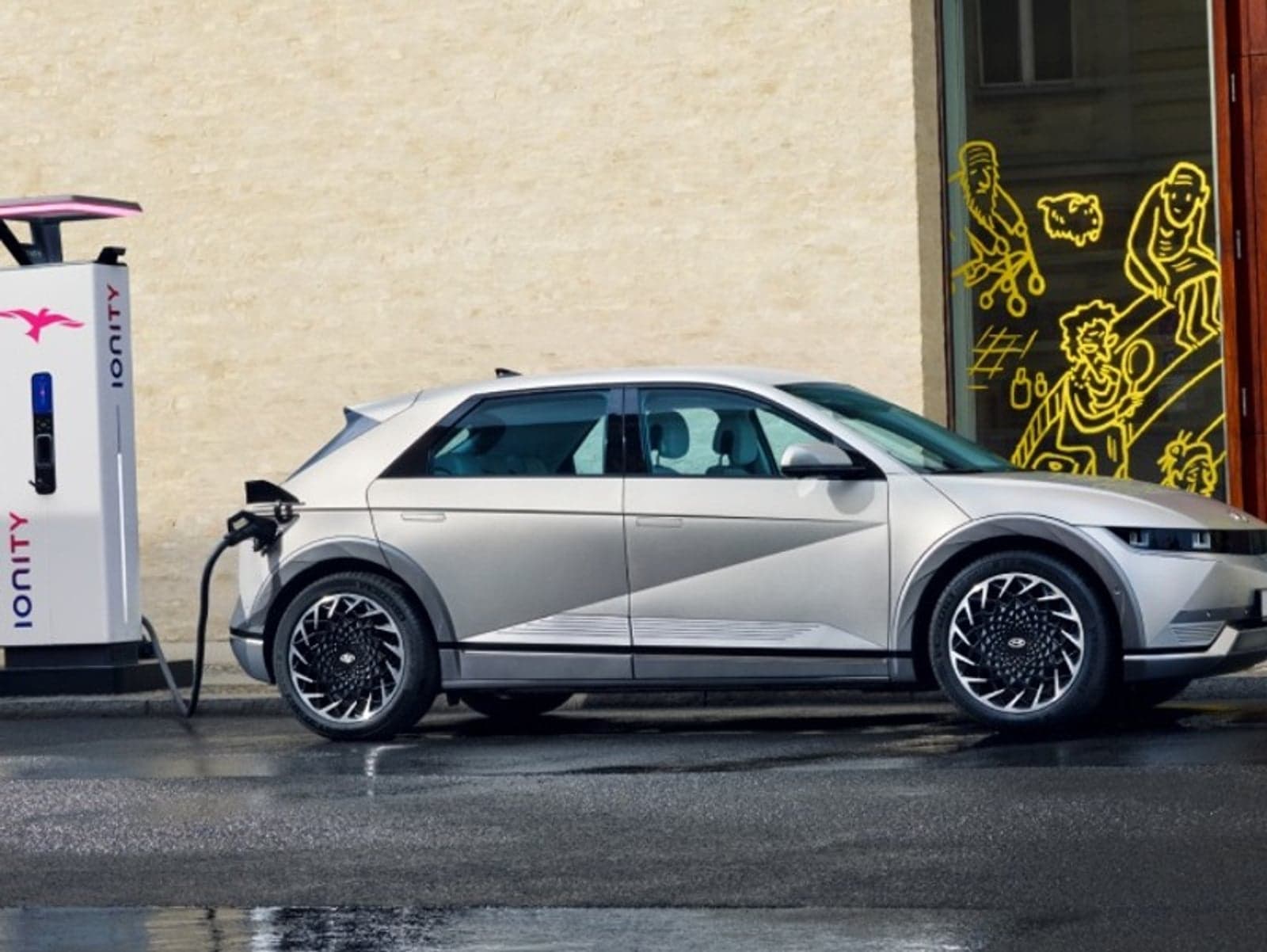
Electric vehicles are no longer just a mobility story. They are becoming one of the most significant sources of flexible capacity within modern energy systems. In a world defined by volatility, EVs represent a new kind of hedge, not against oil prices directly, but against instability in the broader electricity system.
This distinction is critical. While oil markets will continue to fluctuate, the structural transformation of power systems is already underway. According to the IEA Global EV Outlook 2024, EVs are expected to account for more than 30% of global car sales by 2030, fundamentally reshaping electricity demand patterns.
From passive load to active asset
Historically, grids were designed for predictability. Centralised generation supplied relatively stable demand, and financial systems evolved accordingly. That model no longer holds.
Today’s grid is increasingly shaped by variability, from renewables generation, electrification demand and distributed energy resources management. In this context, EVs present both a challenge and an opportunity.
Left unmanaged, they can intensify peak demand. Properly integrated, they become highly responsive, distributed assets that support system balance.
Each EV is, in effect, a mobile battery - think storage bank. Aggregated across large networks, they represent a vast and largely untapped pool of flexibility in their ability to consume or release (stored) energy.
The European Commission Smart Charging and Flexibility Study highlights that smart charging alone could significantly reduce system costs while improving grid stability across member states.
The untapped potential of flexibility
Despite strong EV adoption across Europe, participation in structured flexibility programmes remains limited.
Only a fraction of eligible devices, including EVs, home batteries and smart appliances, are enrolled in virtual power plants (VPPs) or demand response schemes.
This is not a hardware problem, this is a coordination problem.
Utilities often lack real-time visibility into distributed assets at the edge. Control is fragmented across platforms and standards. Incentives, where they exist, are frequently delayed or insufficient to drive sustained behavioural change.
As a result, much of the system’s potential flexibility remains unused. The IRENA World Energy Transitions Outlook 2023 underscores that flexibility solutions, including demand response and storage, are essential to integrating high shares of renewables while maintaining grid reliability.
Why real-time coordination matters
At the centre of this challenge is timing. Electricity systems operate in real time, yet many of the mechanisms used to manage and settle energy transactions do not. Financial settlement often occurs hours, days or months after energy is consumed or delivered.
This disconnect limits responsiveness. It reduces the ability of utilities to act on real-time conditions and weakens the effectiveness of incentive structures. For EVs to function as true grid assets, coordination must occur in real time.
This includes both operational control, such as adjusting charging behaviour, and financial alignment with system needs.
The value of flexibility is highly time-sensitive. An EV charging during peak demand places strain on the system. The same vehicle charging during periods of excess renewable generation provides value.
Capturing that difference requires systems that can respond instantly. The ENTSO-E Winter Outlook 2024/2025 emphasises the growing importance of real-time balancing and flexibility markets as renewable penetration increases across Europe.
Incentives as infrastructure
Incentives are often treated as an add-on to grid programmes. Increasingly, they should be viewed as infrastructure. Traditional demand response models rely on static tariffs or periodic rebates.
These approaches lack the granularity needed to manage highly distributed, fast-moving systems.
A more dynamic model is required, one that enables continuous, small-scale incentives tied directly to system conditions. For EVs, this means rewarding behaviour not just by the hour, but potentially by the minute.
At scale, these micro-incentives can meaningfully influence consumer behaviour and thus demand patterns to improve system balance. However, delivering them requires integration between devices, operators and financial systems that has historically been difficult to achieve.
Bridging digital and physical infrastructure
The convergence of digital and energy infrastructure is beginning to address this challenge. Improved device connectivity and data collection are enabling greater visibility into energy usage at the edge. At the same time, new digital frameworks are emerging that allow for more programmable and responsive coordination.
One promising development is the use of tokenised metering data, a way of representing energy activity in a secure, standardised and interoperable format. While still evolving, this approach offers a pathway to more transparent and efficient coordination across distributed systems.
For utilities, the benefit lies in unifying awareness, control and settlement within a single operational layer. This is particularly relevant in Europe, where interoperability across markets and jurisdictions is essential.
Have you read?
How Swedish, US and UK utilities are furthering V2G tech
AI and energy: The dynamic duo shaping the power grid
EVs as a system-level hedge
It is easy to view EVs through the lens of fuel substitution. But their broader value lies in their role within the electricity system.
EVs do not simply reduce exposure to oil price volatility. They introduce flexible demand that can help stabilise the grid itself.
During periods of high demand, EV charging can be reduced or shifted. During periods of excess generation, particularly from renewables, EVs can absorb surplus energy that would otherwise be curtailed.
The path forward for utilities
For utilities, the implications are clear. EVs must be treated not just as load, but as active participants in the grid. Unlocking their value requires investment in real-time visibility, control and settlement capabilities.
Incentive structures must also evolve. Static pricing models are unlikely to deliver the level of responsiveness needed in modern systems. More dynamic, granular approaches will be required.
Finally, collaboration will be essential. Utilities, regulators, technology providers and consumers all have a role to play in enabling a more flexible energy system.
Towards an adaptive grid
The energy transition is not only about how electricity is generated, but how it is managed.
EVs sit at the centre of this shift. They are both a driver of electrification and a potential solution to the challenges it creates.
The next decade will not be defined by how many EVs are sold, but by how intelligently they are integrated. The grid that succeeds will not be the largest, it will be the most adaptive.
The opportunity now is to move from potential to participation, to integrate distributed assets in a way that benefits both operators and consumers, and to build an energy system capable of responding to an increasingly dynamic world.
About the author: Michael Grasso is CEO of Grid Rails and board advisor to OpenVPP, leading platforms focused on real-time energy management and blockchain-based settlement for the utility sector.
Related tags
Latest in Digitalisation
All articlesPartner content
+1
Digital water management: Empowering utilities with scientific decision-making
As urban water distribution networks continue to expand and water resource management becomes increasingly complex, water utilities are facing growing operational challenges.
- Guest/partner contributor
- 03/07/2026