Four elements under negotiation in the Net Zero Industry Act
Yusuf Latief
Posted on: 25 July 2023
The EU's Net Zero Industry Act has been criticised on many fronts. For Jacek Truszczynski, however, there is yet hope for its success.
With the energy transition proceeding at pace, the European continent's competitive stake has been in question - can it keep up as global powers speed ahead?
The EU in March proposed sets of measures to hasten efforts, namely the Green Deal Industrial Plan and its offshoots, the Net Zero Industry Act and Critical Raw Materials Act, although each has been criticised as insufficient to keep abreast of fierce competition.
China has been in many ways leading the race and the implementation of the US’s Inflation Reduction Act (IRA) has seen immense deployment in clean technologies over the last two years.
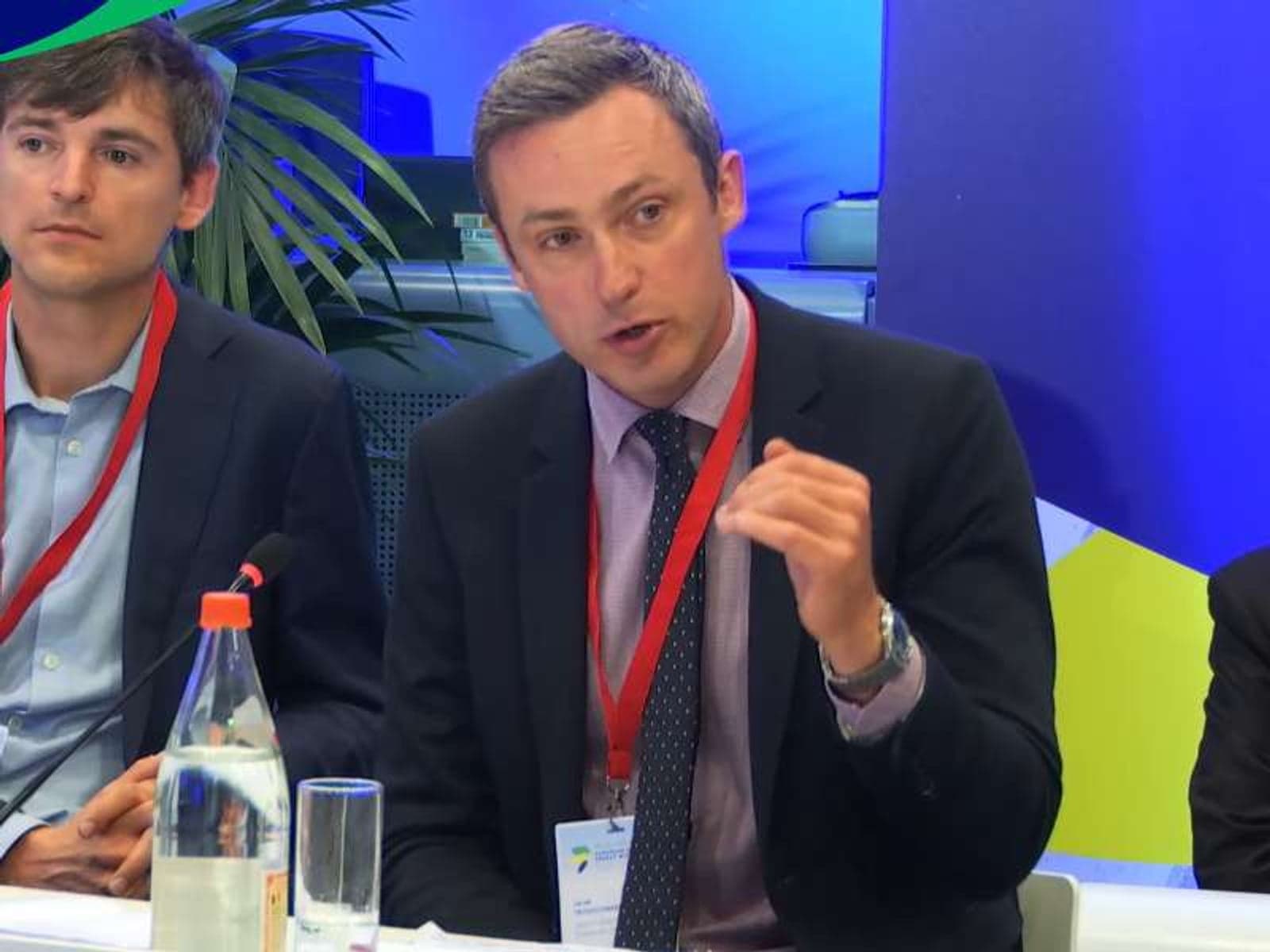
For Jacek Truszczynski, Deputy Head for Green and Circular Economy and the Directorate General for internal market and industry of the European Commission, the Net Zero Industry Acts will be sufficient, although there are some discussions in need of mediation.
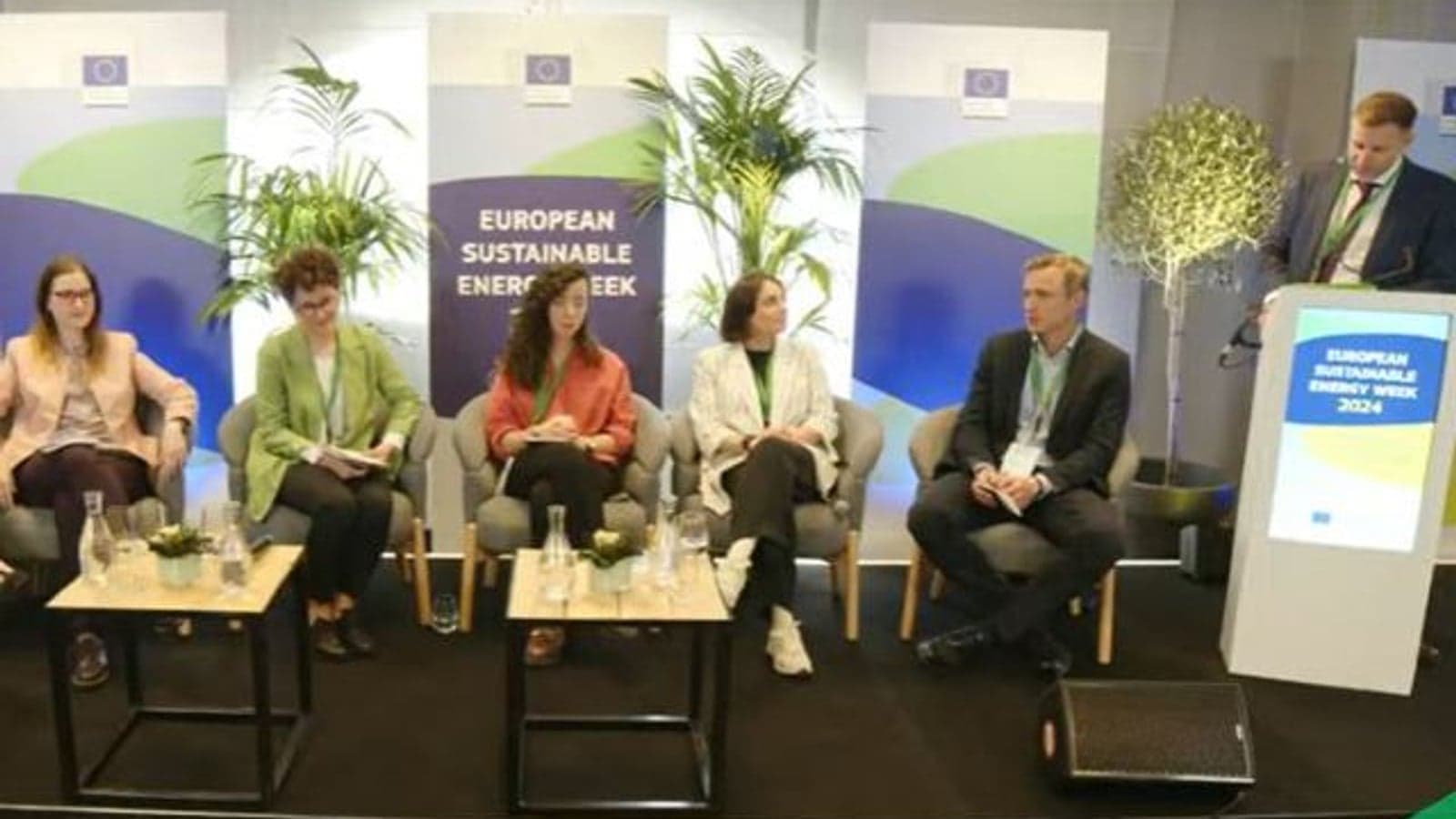
Shedding some light on these elements, specifically regarding the Net Zero Industry Act, Truszczynski highlighted during European Sustainable Energy Week (EUSEW) four points that weigh heavy as to how to deliver the Act.
SET Plan: Digitalisation and the Green Deal is one of the Summit sessions at Enlit Europe in Paris, France, from 28 to 30 November.
Register here to attend
1. Scope
“There are very diverging views between stakeholders and co-legislators about how we should go about [the Act]…Our approach is that we should be technology neutral but at the same time, we need to have a focus on a couple of key technologies.
“There’s a very clear trade-off between the intensity of support we can give [to eligible technologies] and the width of the scope.”
This, states Truszczynski, is the first element – the wider the scope of the Act’s support, the less intensive the support will be.
An example used by Truszczynski is that of supply chains and how they will be supported by the act:
“If we talk about supply chains and vertical scope, it is important to support those industries up to processed materials."
Specifically, states Truszczynski, green steel produced for wind turbines would be a major example of "something we would definitely want to have in the scope.”
2. Cost of deployment
The second element Truszczynski mentions is that of the “right balance between supporting those supply chains and ensuring we don’t lead to a significant increase in the cost of their deployment.”
It’s no secret that the cost of getting to a 1.5-degree scenario will be high. According to the IEA, some $1.2 trillion of cumulative investment to 2030 is needed in clean energy manufacturing and in critical minerals supply.
Have you read:
European Commission proposes withdrawal from Energy Charter Treaty
Post-COP28 period pivotal to curbing climate change – IRENA
Finding that right balance then is a tricky equation: “If you look at the proposal, we have tried to balance.
“For example, there are provisions on public procurement and auctions for green power, which will require member states to factor in the reward criteria, such as where the equipment comes from, in certain cases.
“But they would not have to do that if the cost difference stemming from the application of these criteria would lead to a 10% price increase. We have set the bar at 10% and there are diverging views of whether that’s enough or not enough.
“But it’s also important to send a signal to our companies that in the long term, they will need to be competitive because we cannot just support them and protect them indefinitely."
3. Administrative capacity
Administrative capacity is the third element Truszczynski mentions.
"Member states are in a difficult position,” he says.
According to Truszczynski, for member states additional resources are needed, and sometimes are “reshuffled from other policy priority areas”, for supporting initiatives within their energy industries.
Therefore, the Net Zero Industry Act aims to provide administrative support to clean technology projects:
“A lot can be achieved by simplifying procedures and this is something we have been underlying, for permitting notably. We also have to support member states where this is necessary.
“We have appropriate tools at EU level for building administrative capacity through appropriate programmes and this is something we have to make clear to member states in order to secure their support for ambitious proposals and provisions of the act.”
Also of interest:
Closing the digital skills gap is vital for Green Deal success says Van Stiphout
Energy Transitions Podcast: The cost of Europe’s copper crunch
4. Financing
The final element mentioned by Truszczynski is that of financing, arguably the aspect of the EU’s proposals that has received the most criticism.
Defending the plan, Truszczynski stated how, “when the Net Zero Industry [Act] was tabled, it received quite a lot of criticism as an inadequate response to the IRA. The IRA is all about money – there’s no ring-fenced budget for those sectors in the Net Zero Industry Act.
“The Net Zero Industry Act is part of a broader set of measures [the Green Deal Industrial Plan] that we are tabling; it creates mechanisms for accessing financing that is already out there or new financing that is being put in place.”
Truszczynski here refers to financing instruments such as REPowerEU and InvestEU and proposed modifications to the rules of cohesion policy, the last being an aspect that “people often don’t notice.
“Here we talk about massive financial resources. Member states would be able to support net-zero manufacturing projects, not only for SMEs, as is the case today, but also for larger corporates. And since we talk about gigafactories, this is very important."
Going forward, states Truszczynski , “it will be very important that member states use those opportunities – we have to jointly work with them to simplify our framework.
“We have to also be very careful not to over-compensate companies.
“We should support industries where this is absolutely necessary but not beyond and we have to make sure that in the long term, companies that receive that support can stand on their feet when they compete with Chinese companies.”