France anchors its future in floating offshore wind
Pamela Largue
Posted on: 4 May 2026
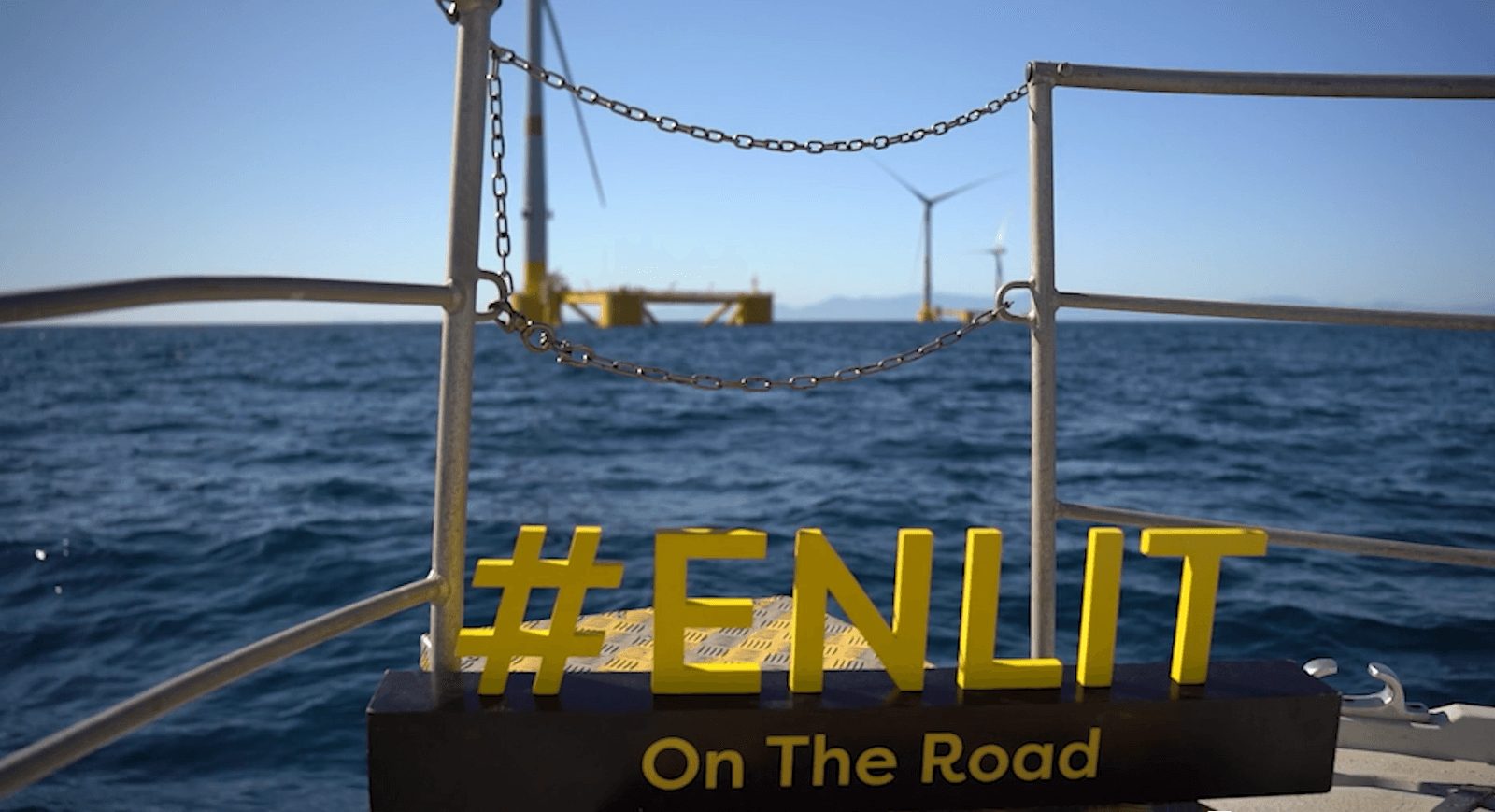
Enlit On The Road took to the Mediterranean Sea to visit the pioneering EFGL floating wind project, a signal of a burgeoning sector in France.
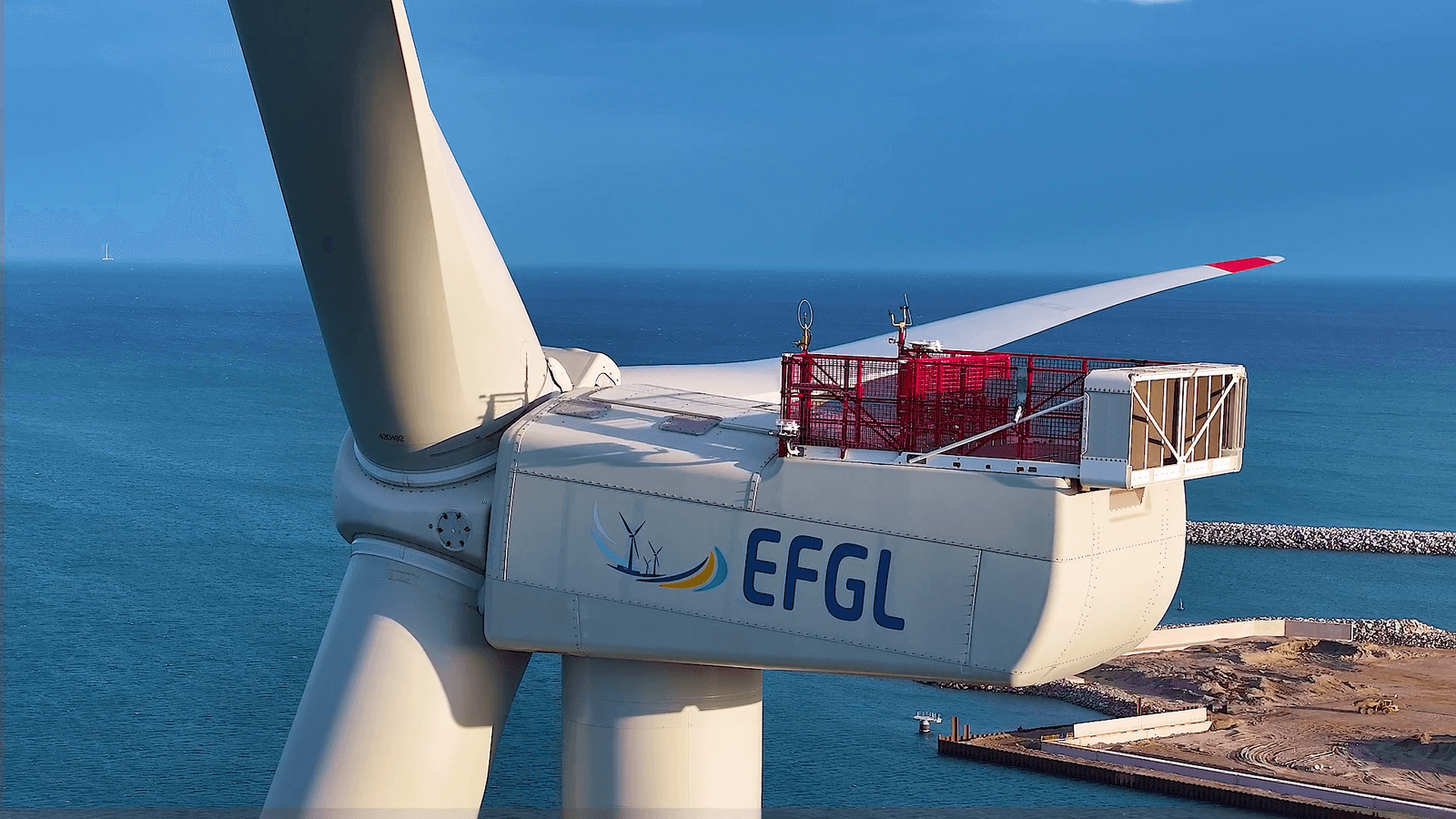
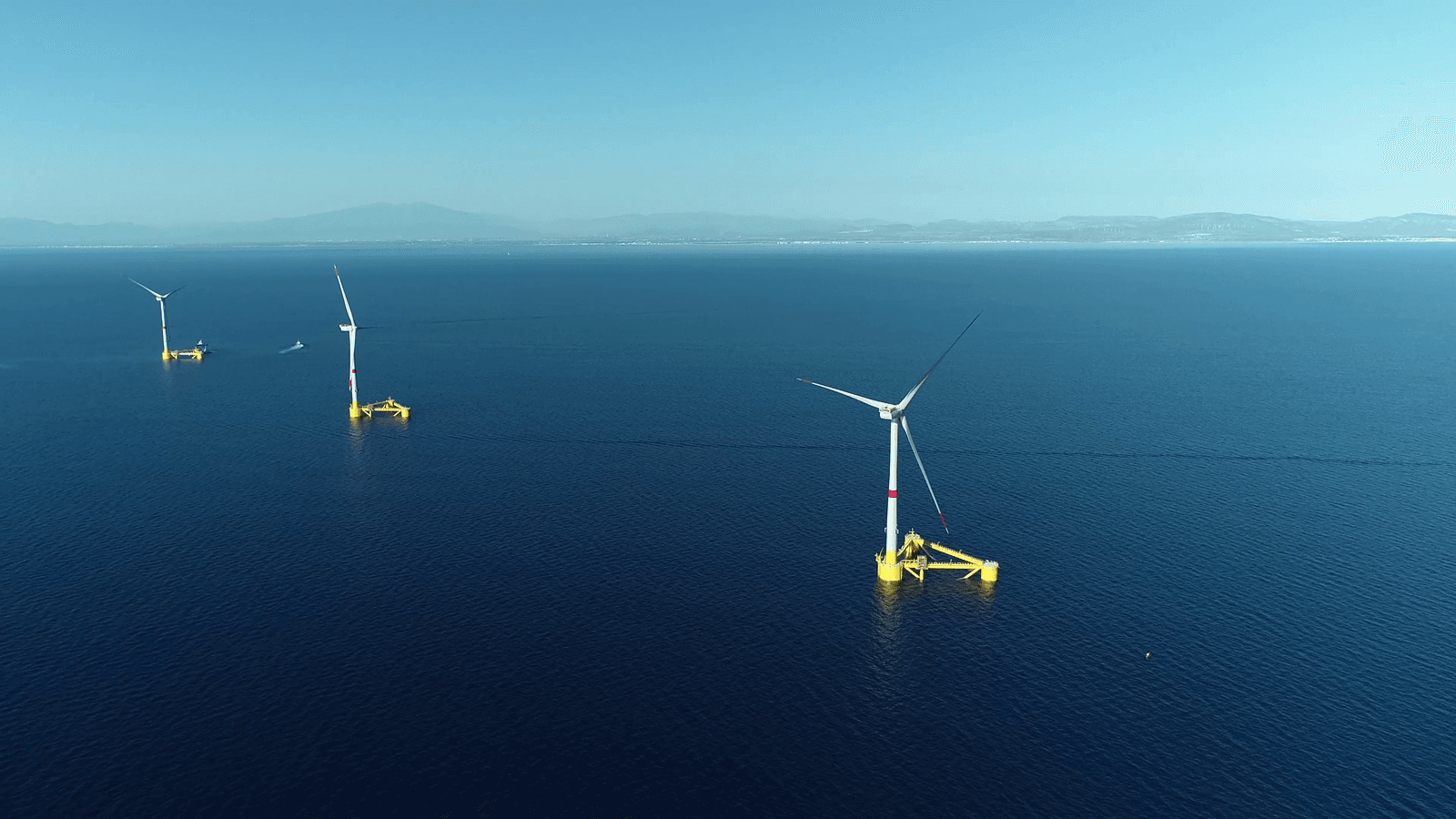
The innovative EFGL project off the coast of France is the only floating wind installation on semi-submersible foundations in the Mediterranean Sea and has officially started delivering power.
Enlit On The Road visited Port-la-Nouvelle to speak with Jérémy de Barbarin, Project Director of EFGL, about why this first-of-a-kind project signals an important starting point for a broader expansion of floating offshore wind in French waters.
EFGL, a project developed by Ocean Winds, is one of three floating offshore wind projects under various stages of development off the coast, the result of a tender awarded by the State in 2016.
The project features the largest turbines ever installed on this type of floating foundation, with its three 10MW units able to generate enough electricity to supply around 50,000 people.
Have you read?
Policy-first approach needed to scale floating offshore wind
How to accelerate offshore wind in the UK after AR7
The project reflects the French State’s ambition to accelerate the development of floating offshore wind, a sector that, while still nascent, is steadily moving towards commercialisation.
Said De Barbarin: "It was the idea of the French State that wanted to be first in floating offshore wind…to create and get a path to commercialisation.
“This pilot project was used to start to create the floating wind sector in this area.”
This path was supported by targeted financial mechanisms, including subsidies managed by ADEME, specially designed feed-in tariffs, and financing from commercial banks.
Besides regional financial support, local industry has played a central role. Of the more than 250 tier-one suppliers involved, 99% are based in France and Europe, with half located in the Occitanie region. The project team itself is also largely local, many located in Port-la-Nouvelle.
However, a skills gap remains a challenge. Project developers are collaborating with universities and training providers to prepare a local workforce capable of supporting future developments.
It was the idea of the French State that wanted to be first in floating offshore wind…to create and get a path to commercialisation.
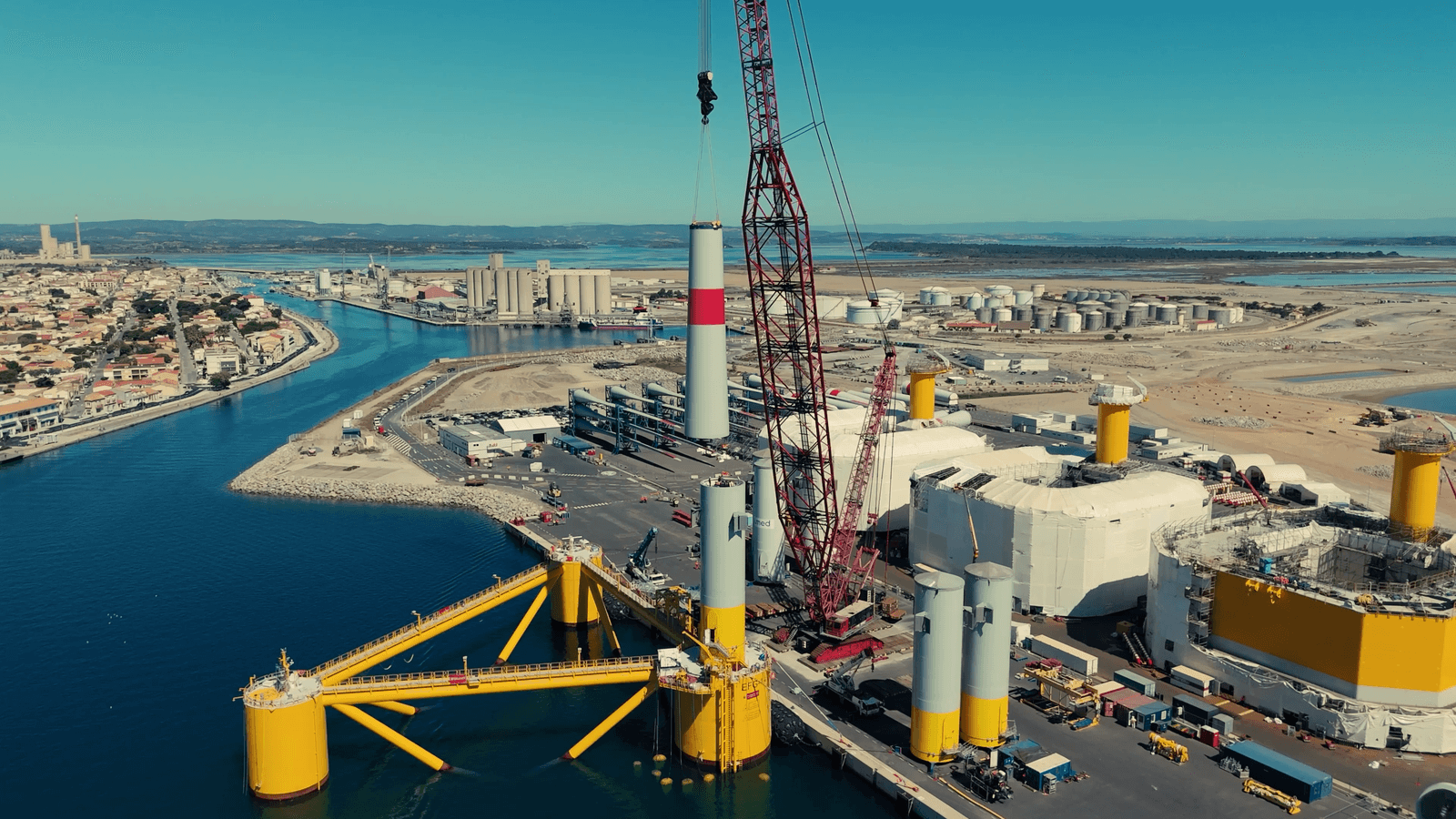
Infrastructure upgrades were equally critical. Port-la-Nouvelle underwent significant expansion to accommodate the project, including the construction of two new jetties, a 250-metre quay, and seven hectares of land for turbine storage and foundation assembly.
“France was a pioneer in floating offshore wind with this call for tender for this pilot project,” said de Barbarin. “Once WindFloat Atlantic was installed, everyone looked to France to assess the progress of these projects.”
Site visit: WindFloat Atlantic's O&M base in Viana do Castelo
He added: “Europe needs floating wind to move further offshore, where winds are stronger and more consistent.”
This shift will be advanced with planned upcoming tenders.
More from Enlit On The Road Toulouse: How Terega is greening gas molecules in southwest France