How to accelerate offshore wind in the UK after AR7
Guest/partner contributor
Posted on: 11 March 2026
James Theobalds and Graeme McCann of Arup are calling for the UK to turn momentum into delivery by derisking the offshore wind supply chain and addressing the cost and capacity pressures.
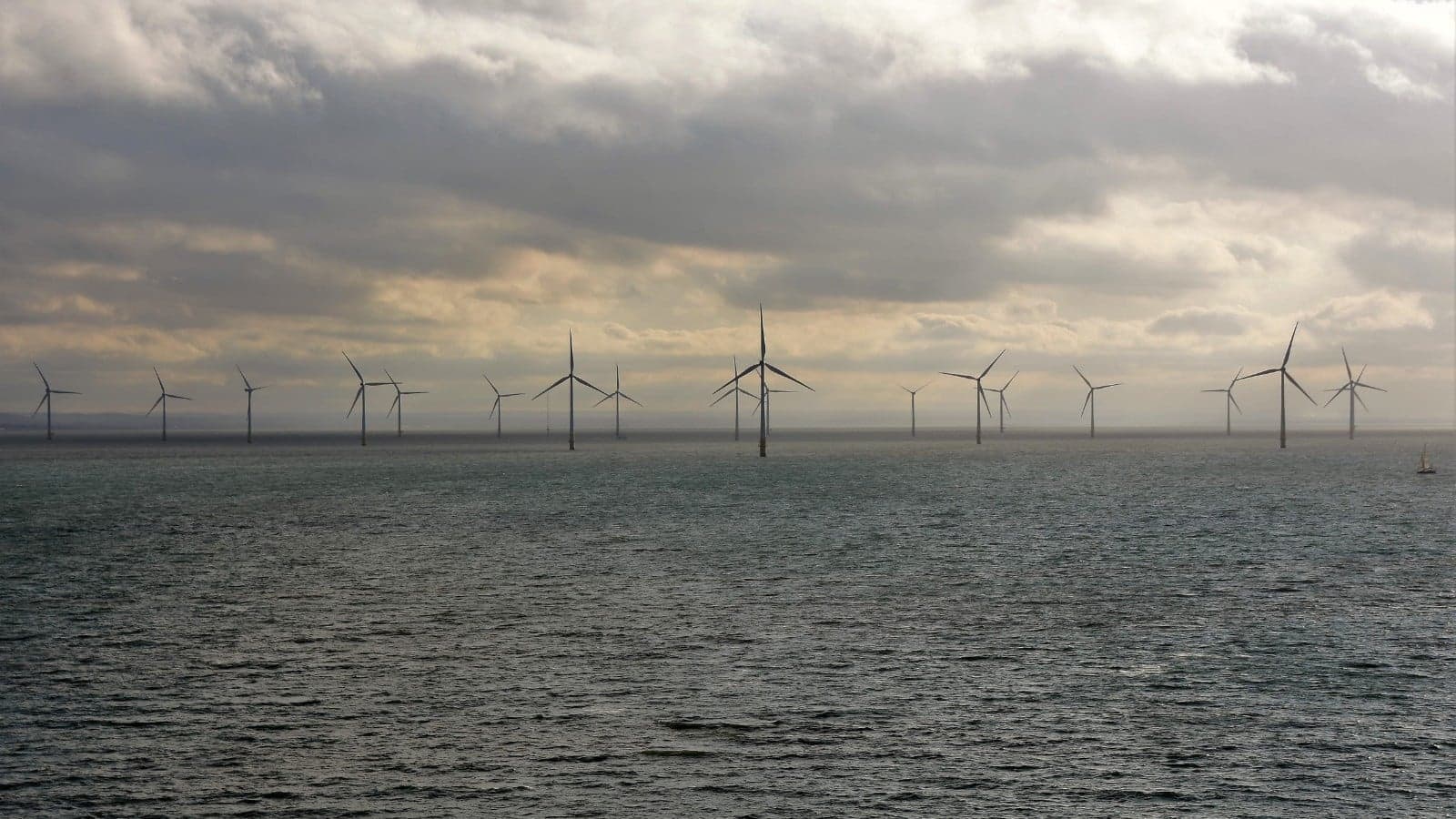
The strategic importance of offshore wind (OSW) to the UK cannot be overstated – it sits at the heart of the UK Government’s ambition for a clean power system by 2030.
Beyond decarbonisation, we know OSW can improve energy security by reducing reliance on imported fuels; it can also give a boost to domestic manufacturing, infrastructure development and job creation in coastal and industrial regions. OSW is, therefore, not just an environmental priority but a potentially significant driver of national industrial growth and regional economic resilience.
Despite this, until recently, important OSW projects were stalling or being abandoned due to a combination of rapid cost inflation, higher interest rates and supply chain pressures.
At the same time, support mechanisms struggled to keep pace. The UK’s Contracts for Difference (CfD) scheme, which guarantees renewable power producers a fixed price for their electricity, did not reflect these higher costs. These contracts are awarded via so-called allocation rounds (ARs), which are government-run funding competitions for projects. Notably, Allocation Round 5 failed to award any offshore wind projects at all – prices were set too low and didn’t reflect the recently rising costs.
Fortunately, Allocation Round 7 (AR7) marked a turning point.
The UK needs sustained investment in domestic capabilities, including manufacturing facilities, port infrastructure and skilled labour.
It delivered the most successful offshore wind auction to date and approved enough new projects to generate up to 8.2GW of electricity, roughly equivalent to the power needed for around 10 million UK homes. The resulting contracts will provide a reliable income for projects, unlocking investment and making them easier to finance and build.
Extending investment across the supply chain
To translate this momentum into delivery, investment must now extend beyond OSW projects themselves.
Unfortunately, AR7 was not designed to address the cost and capacity pressures also facing manufacturers, ports and servicing infrastructure. Recently exposed vulnerabilities in global supply chain disruption remain, particularly in turbine manufacturing and the electrical systems that connect wind farms to the national grid.
Addressing these risks requires a dual approach.
First, the UK needs sustained investment in domestic capabilities, including manufacturing facilities, port infrastructure and skilled labour.
Secondly, development needs to expand beyond the current small number of highly specialised suppliers for core equipment. Welcoming overseas partners will not only help relieve these bottlenecks but also enable a diversified supply base capable of reducing delays and lowering delivery risk.
Smarter co-ordination matters
Economies of scale means as projects become larger, costs reduce. They allow companies to spread fixed costs, standardise designs and deliver projects more efficiently, lowering costs over time.
Have you read?
EU’s Ocean Act must ensure existence of offshore renewables, stakeholders say
Policy-first approach needed to scale floating offshore wind
But further cost efficiencies are also available, though better coordination between projects, particularly where developments share locations or infrastructure. For example, aligning timelines and assets such as ports and grid connections reduces duplication.
Future growth will also depend on accessing new sites.
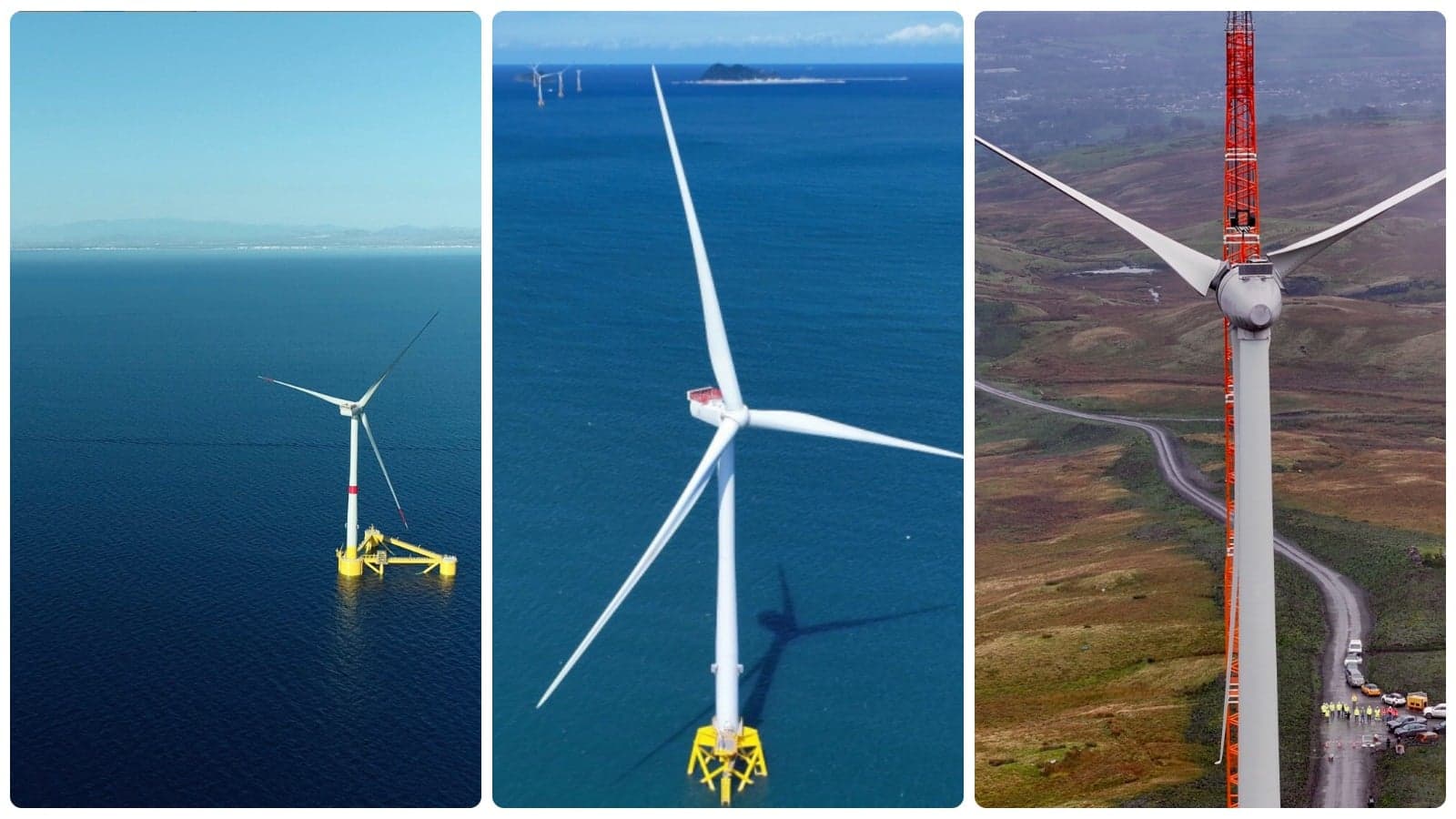
Floating offshore wind – turbines mounted on floating platforms – enables development in deeper waters that are not suitable for traditional foundations, opening up new high-yield locations. Over time, this has the capacity to lower long-term costs.
The energy transition hinges on capacity and flexibility
The generation of clean energy alone will not be enough to deliver the energy transition.
Indeed, the electricity transmission system must be able to absorb and distribute growing volumes of renewable power while also supporting new industrial demand. Grid capacity and flexibility are, therefore, among the most significant constraints facing the sector.
If done well, offshore wind can help resolve the UK’s energy trilemma by improving security, controlling costs and accelerating decarbonisation.
Recent regulatory decisions by Ofgem have cleared the way for major investment in the UK’s electricity network. The priority now is execution.
Delivering upgrades at speed will require more efficient project management and a significant expansion of engineering and construction capacity, creating both pressure and opportunity across the supply chain.
The cost of offshore wind is a call to action
Allocation Round 7 has re-established momentum in OSW but maintaining it will depend on what comes next.
Allocation Round 8 will be critical for projects aiming for delivery in the early 2030s and investor confidence will hinge on consistent policy signals, continued support for cost reduction and a clear pathway from planning to delivery.
If done well, offshore wind can help resolve the UK’s energy trilemma by improving security, controlling costs and accelerating decarbonisation. Allocation Round 7 opened the door.
The priority now is to ensure the industry has what it needs to walk through it.
ABOUT THE AUTHORS:
James Theobalds is Director of Renewable Power Investor Advisory at Arup. He is a Chartered Engineer with over 20 years experience ofin delivering and advising on infrastructure projects.
Graeme McCann is UKIMEA Renewable Energy Leader at Arup. He provides technical and strategic services to the renewable energy sector across UKIMEA.