How Terega is greening gas molecules in southwest France
Pamela Largue
Posted on: 29 April 2026
In Occitanie, Terega is transforming existing gas infrastructure to support the Occitanie region’s low-carbon ambitions.
Gas is an integral part of Occitanie’s vision to become France’s first energy-positive region. The strategy, though, is not about replacing the gas network but rethinking what flows through it.
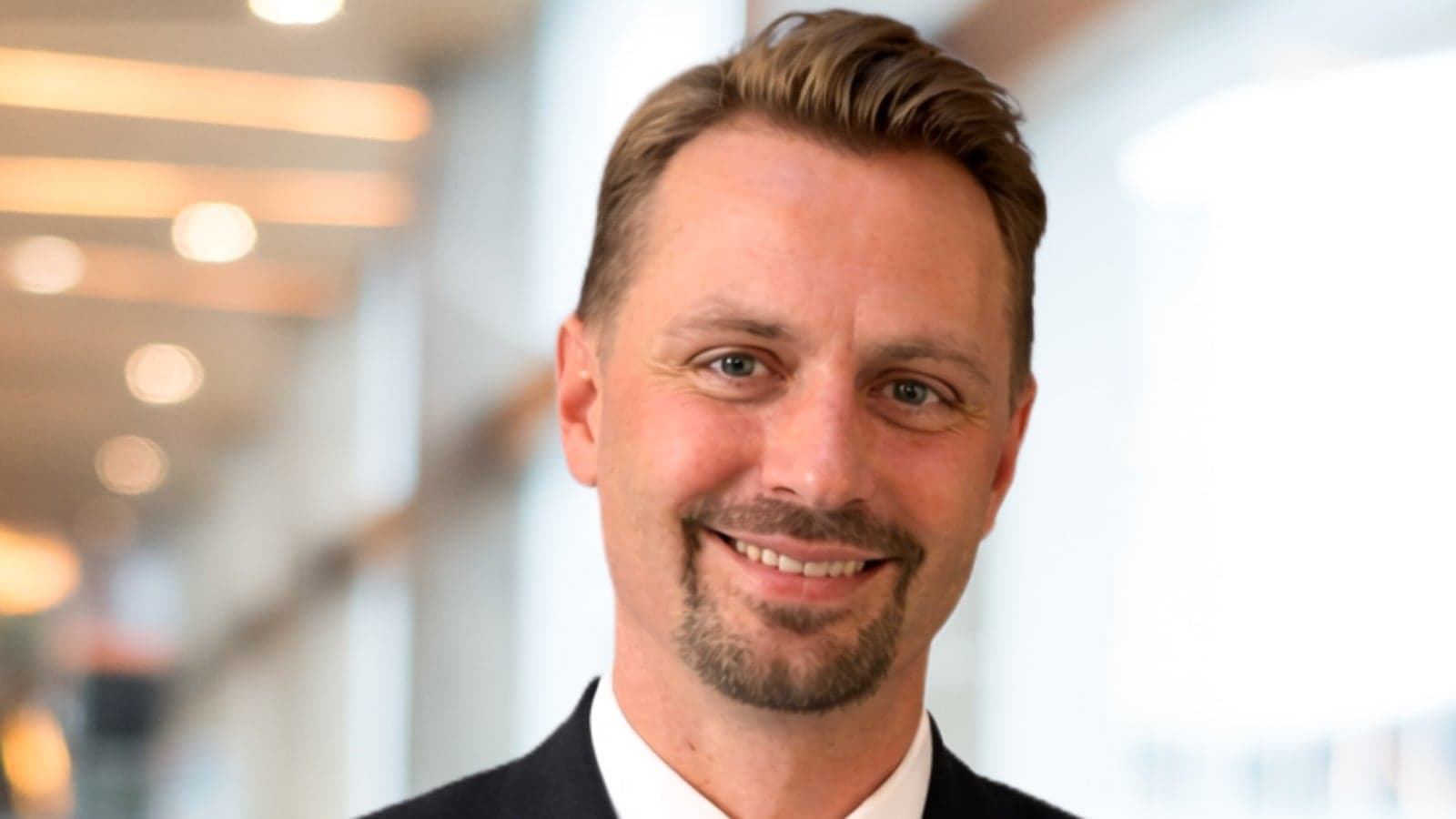
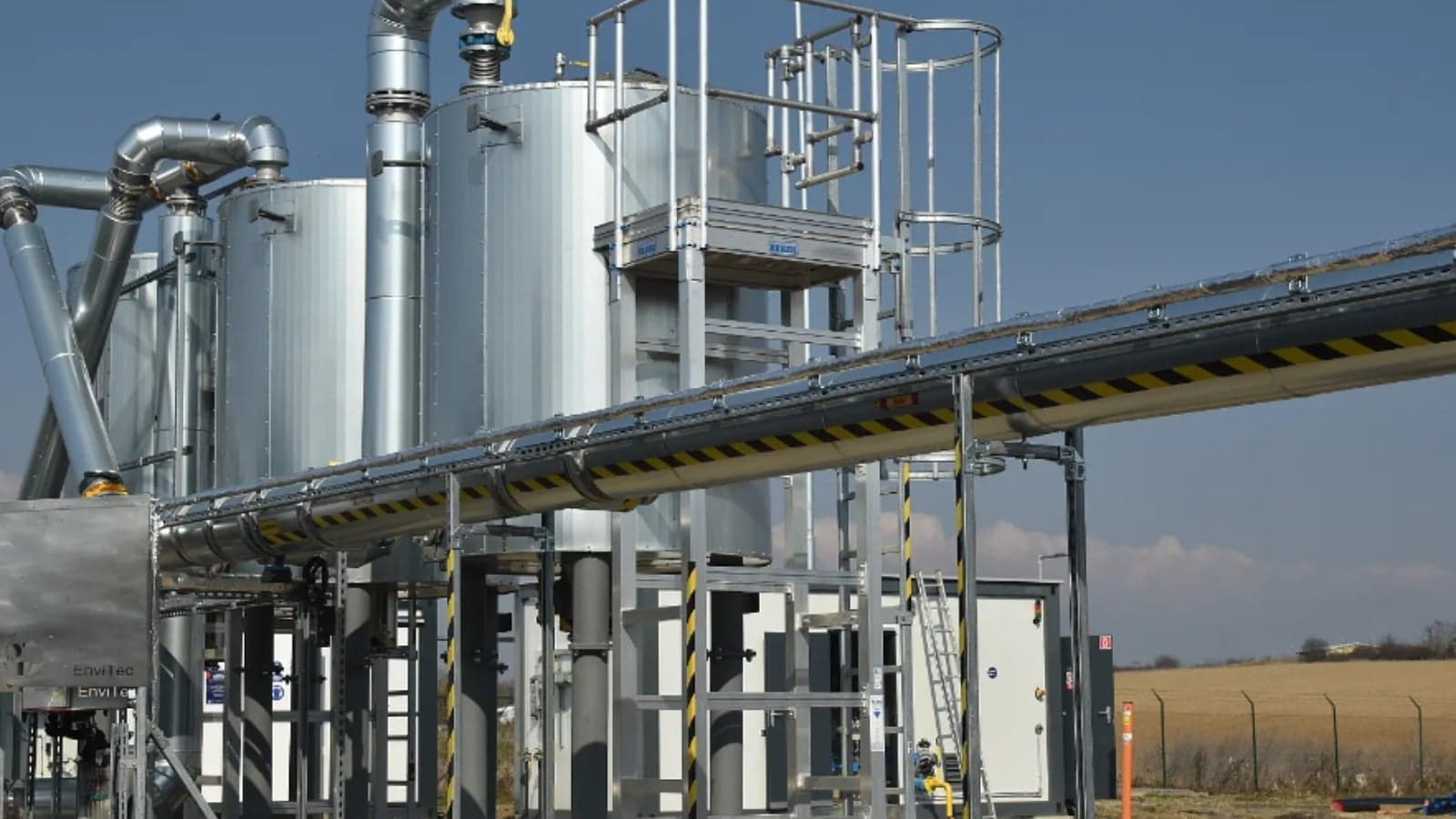
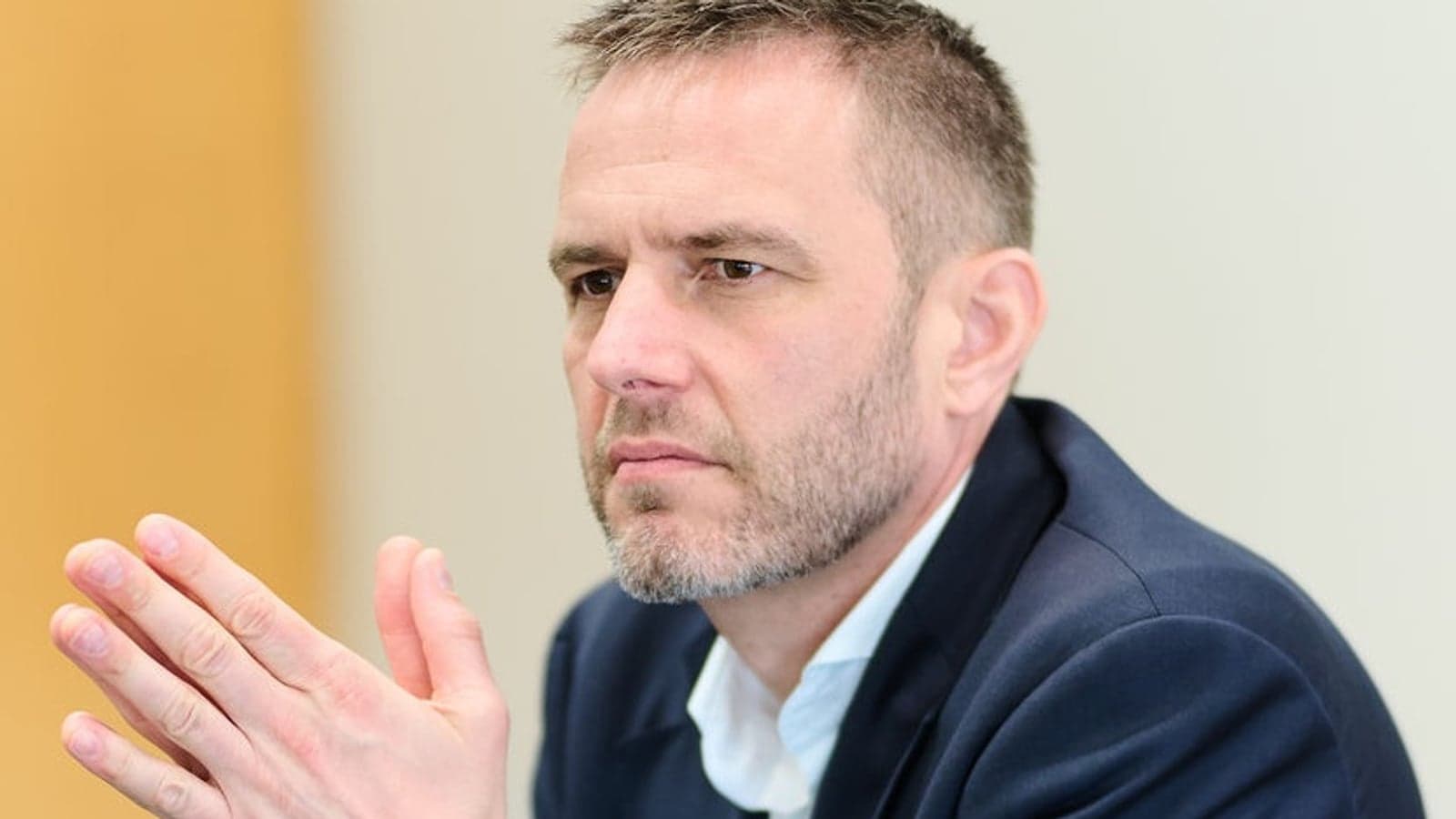
To explore the region’s decarbonisation efforts and Terega’s role in advancing them, Enlit On The Road visited one of the company’s gas compression stations to speak with Grégory Bugler, Head of Foresight and Strategy.
“We need to talk about different gases,” Bugler explains, a shift in mindset and operations that represent the region’s broader decarbonisation strategy - one that integrates biomethane, hydrogen, and carbon capture into a single, evolving system.
Biomethane central to a three-pilar strategy
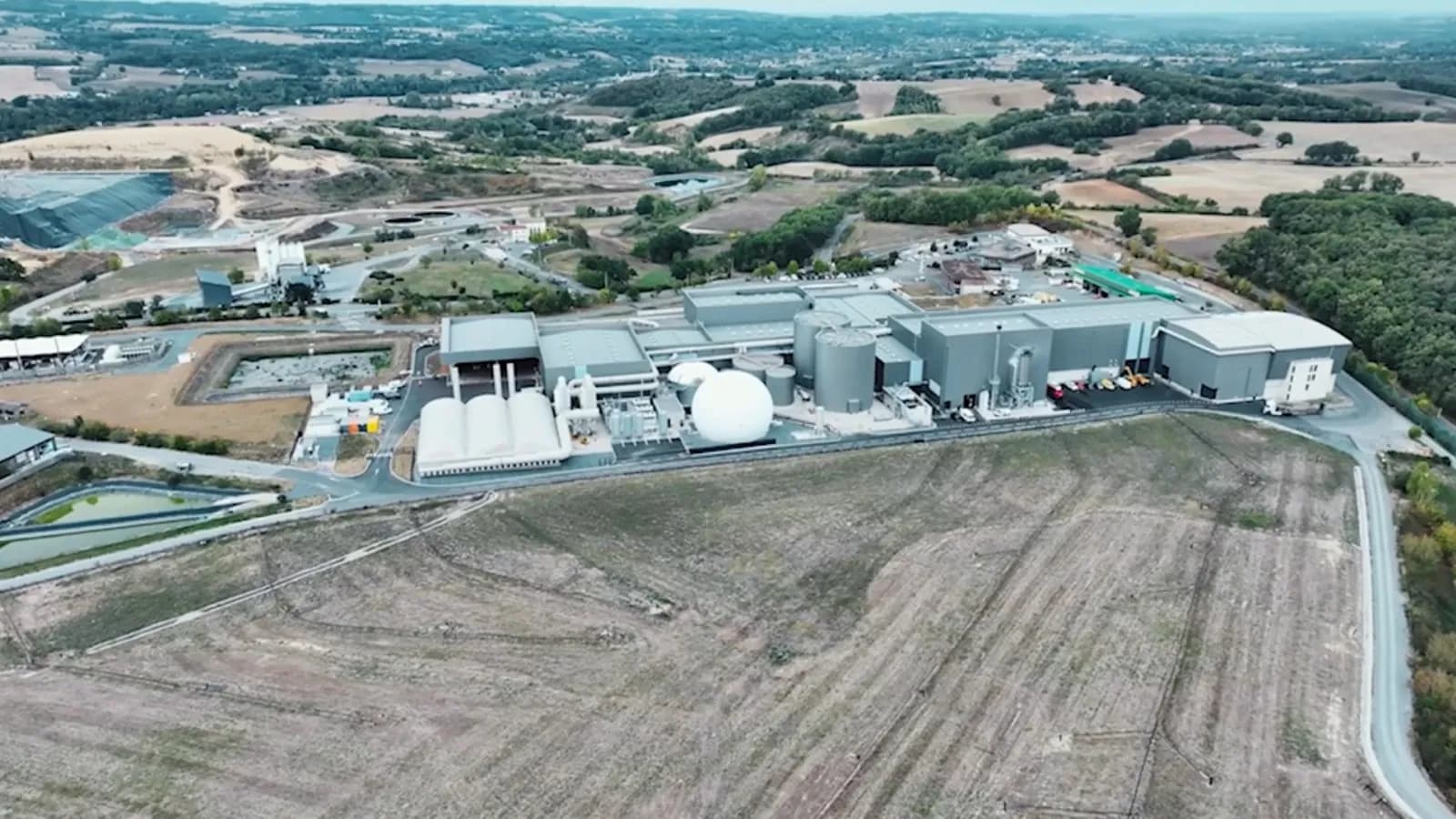
Biomethane, the first pillar of the decarbonisation strategy, leverages local agricultural and organic waste resources. Rather than building entirely new infrastructure, Terega is “capitalising on the existing infrastructures… to facilitate the injection of all the potential provided by the biomethane production.”
According to Bugler, the goal is: “to green the existing molecules that are actually transiting into the current network.”
This approach allows the region to decarbonise progressively while maintaining energy reliability.
To support this, Terega has re-engineered parts of its network to allow reverse flows, an innovation that enables excess biomethane produced in rural areas to be transported back into the transmission grid.
Bugler highlights that this avoids curtailment and removes a major bottleneck for producers, effectively decoupling production from local demand.
It also creates the conditions for scaling up biomethane projects across biomass-rich areas.
Have you read?
Strategies to power up floating offshore wind in France
How steam injection in gas turbines could help green aviation
To help derisk projects, Terega has created a subsidiary named Terega Solutions.
Said Bugler: “The idea… is to act as an active player to stimulate the emergence of all those green gas production projects.”
Through this entity, the company finances, designs, and develops biomethane facilities, recovering its investment through a rental model once projects are operational
Huge investment in hydrogen
Hydrogen forms the second major pillar of Occitanie’s strategy, particularly important for industrial decarbonisation.
Terega’s 1.5 billion euro HYSOW (Hydrogen Southwest) project aims to build a dedicated bi-directional hydrogen network spanning hundreds of kilometres, complete with large-scale storage.
The network is designed to connect producers with industrial users, creating a flexible and resilient hydrogen economy.
Through a regional association, Bugler explains that Terega is coordinating stakeholders to “identify the specificities of what will be the hydrogen market in the region” and ensure alignment with national and European frameworks.
Carbon capture and storage
The third component of the strategy addresses emissions that cannot be eliminated through energy substitution alone. For heavy industries such as cement, carbon capture and storage (CCS) provides a critical pathway.
Terega is developing infrastructure to transport and permanently store CO₂, targeting what Bugler describes as “the last portion of CO2 molecules that cannot get rid of by any other means.”
Also of interest:
Landmark carbon capture facility at UK cement plant advances
Across all three vectors - biomethane, hydrogen, and CO₂ - Terega’s role is evolving. This transformation has required significant internal change.
“We had to move from 100% regulated company towards diversified activities,” Bugler notes, adding that it demands new skills, structures, and a greater tolerance for risk.
Equally important is stakeholder alignment.
“You need to demonstrate the relevancy of your project and to ensure that there’s alignment with their own strategy and their own goals,” he says. Without this, projects risk delays or cancellation due to lack of social acceptance.
Sharing value with local communities and partners is therefore essential.