From boom to renewal: Europe’s solar sector prepares for its next chapter
Guest/partner contributor
Posted on: 27 February 2026
The QUASAR project is leading the transformation of Europe's solar PV industry by developing integrated solutions for end-of-life management.
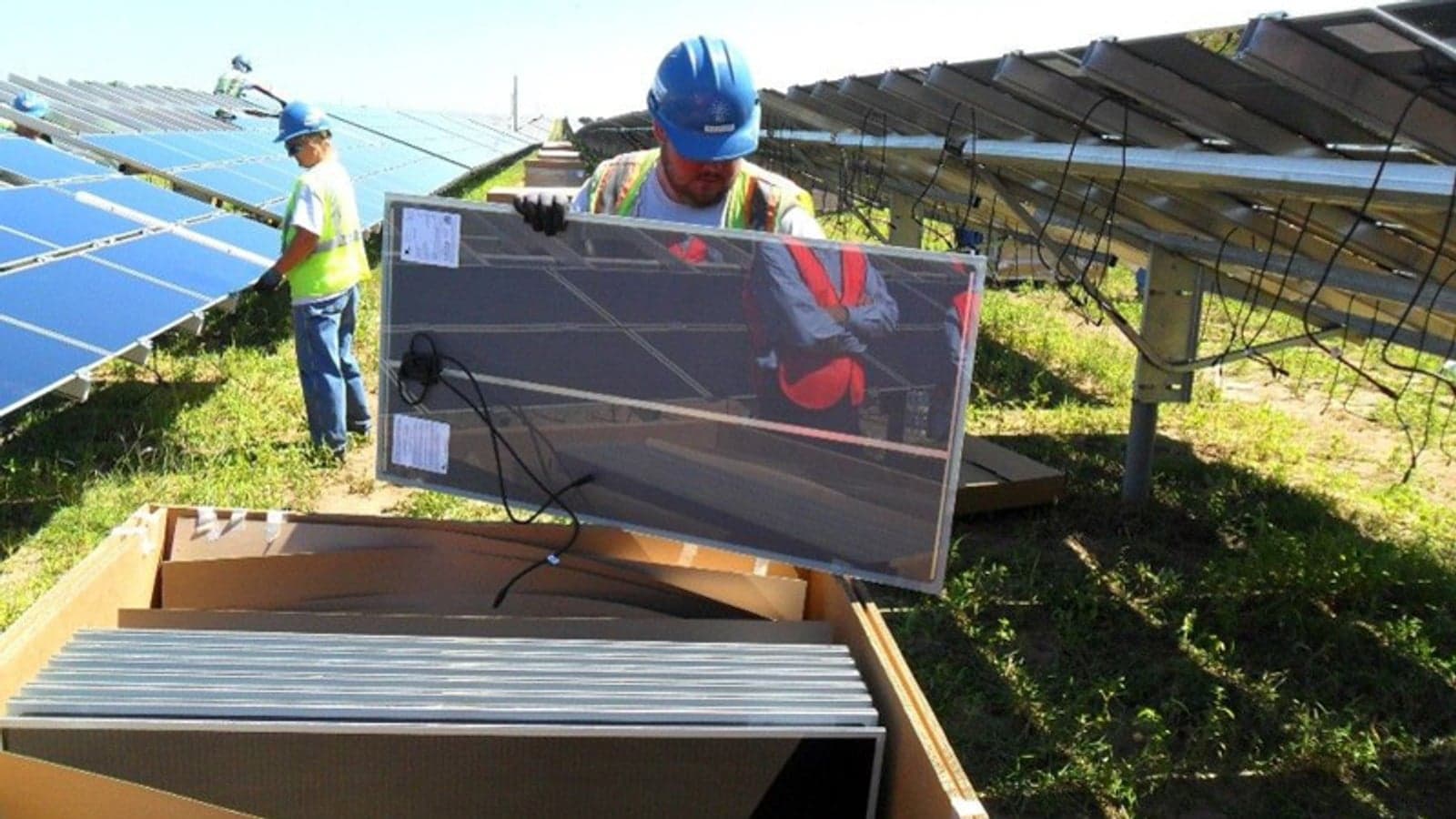
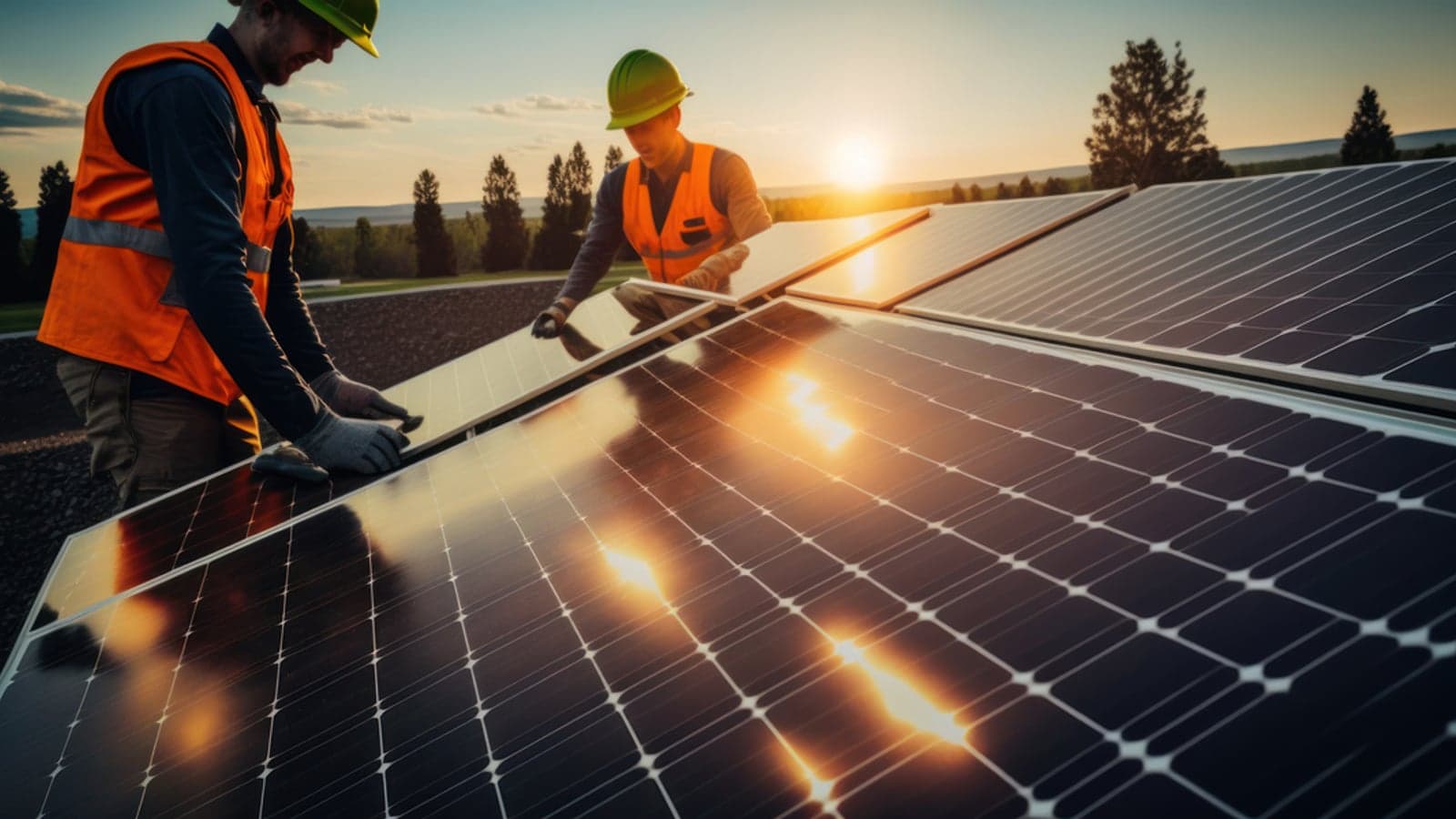
Europe’s solar revolution is entering a new phase. After rapid deployment from 2007 to 2014 in countries like Germany, Spain and Italy, their earliest photovoltaic (PV) systems are approaching the end of their operational lives.
What began as a race to install capacity is now becoming a challenge of how to responsibly manage, upgrade or retire ageing infrastructure. This shift is not just about dismantling old panels – it’s about rethinking the entire lifecycle of solar energy in a sustainable way and unlocking new value from existing assets and infrastructure.
As Europe’s solar fleet ages, the challenge is to manage end-of-life (EOL) processes efficiently while supporting circularity and reducing waste.
The QUASAR project is creating systematic methods for collecting and managing end-of-life PV modules, supported by decision-making tools that span the entire supply chain.
Rise of repowering
Across Europe, asset owners are increasingly turning to repowering as the preferred strategy. Rather than decommissioning entire plants, they’re replacing outdated modules and inverters with modern, high efficiency equipment.
This approach can extend a plant’s life by 20–30 years, boost energy output by up to 30%, and preserve valuable grid connections and land rights.
EPRI Europe is leading work packages 2 and 3 of the Quasar project, focusing on key challenges related to product circularity, waste stream information, end-of-life management and digitalisation. This includes estimating decommissioning and repowering costs, compiling best practices, reviewing repair and refurbishment approaches from end-of-life service providers, and developing data management solutions to support efficient end-of-life processing.
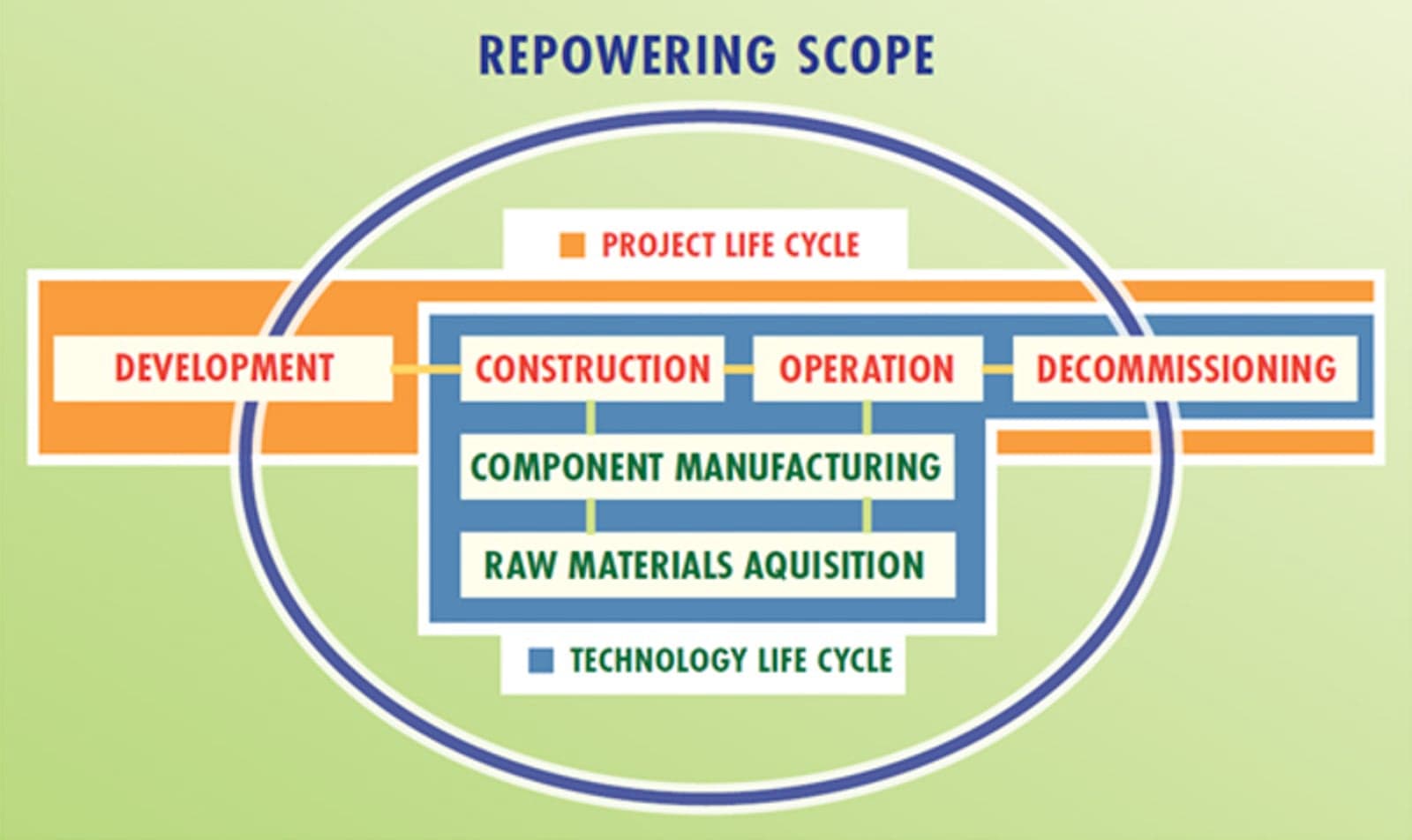
Repowering is also proving to be more cost effective than building new projects from scratch. By reusing infrastructure like substations and transmission lines, developers can avoid major permitting hurdles and reduce capital expenditure.
In many cases, repowering also allows operators to maintain access to legacy feed-in tariffs or power purchase agreements, making it a financially attractive option in a tightening market.
A patchwork of regulation
Despite its clear advantages, repowering is rarely simple. Europe’s regulatory landscape remains fragmented: while EU directives such as WEEE and RoHS set the overarching framework for recycling and hazardous materials, their implementation varies significantly from one country to another.
In France, for example, PV module recycling is fully financed through collective compliance schemes, significantly lowering costs for plant owners. In Germany, additional fees are often required for utility scale projects. In Italy, France and Spain, streamlined permitting processes allow for revamping projects that don’t increase capacity – making it easier to upgrade without losing access to legacy incentives.
This regulatory diversity presents both opportunities and challenges for the solar sector. On one hand, it allows member states to tailor approaches to local contexts; on the other, it creates complexity and uncertainty for developers operating across borders. Greater harmonisation of rules could streamline processes, accelerate investmen, and provide the clarity needed to scale repowering efforts across Europe.
Economics of end-of-life
Decommissioning and repowering are more than technical tasks, they’re strategic financial decisions. Detailed modelling shows that dismantling a 20MW fixed-tilt PV plant can cost anywhere from €60 to €180 per kW, depending on the country. Repowering, by contrast, can cut those costs by 15–25%, particularly when existing infrastructure is reused.
Labour and logistics dominate the cost structure. Markets with mature recycling systems and supportive regulation, such as France, benefit from significantly lower costs. In contrast, in the US, where recycling infrastructure is less developed and labour rates are higher, decommissioning can be nearly twice as expensive.
The QUASAR project’s WP2.2 analysis highlights how these costs can be further reduced, by up to 20%, through better planning, improved logistics and the reuse of functional components.
Circularity and second life
One of the most exciting shifts in the industry is the rise of reuse. Studies suggest that up to half of decommissioned PV modules still have life left in them. With the right testing and sorting, these panels can find a second home, powering schools, farms or community projects, or serve as spare parts to keep other systems running.
That’s not just good for the planet; it’s a new revenue stream waiting to be tapped.
This is what a true circular economy looks like in action. It’s about designing PV systems that can be taken apart as easily as they’re put together, investing in advanced recycling technologies, and creating robust pathways for second life applications. Every component (glass, aluminum, copper, silver, silicon, etc.) holds value. Recovering those materials reduces pressure on raw supply chains, while reusing modules and inverters extends their productive life and slashes lifecycle emissions.
As Europe’s solar fleet matures, the ability to separate, sort and repurpose components will become a defining capability. Done right, solar energy evolves from a linear 'install and discard' model into a regenerative system – one that supports both the energy transition and resource resilience. And this isn’t a distant vision: reuse of modules, inverters and even mounting structures is already gaining traction, especially in markets with clear rules for traceability and quality assurance.
The payoff? Less waste, lower carbon footprints, and a solar sector that truly lives up to its sustainability promise.
Planning for the future
End-of-life planning shouldn’t start when systems begin to fail, it needs to be built in from day one. Forward thinking developers are already designing PV plants with tomorrow in mind: choosing modular, serviceable components, oversizing cables for future upgrades, and maintaining meticulous documentation to simplify interventions down the line.
This proactive approach goes beyond engineering, it’s about assembling cross-functional teams that unite technical, financial, regulatory and operational expertise to ensure that repowering is not only feasible but also economically sound and compliant with evolving policies.
As Europe’s solar fleet matures, the conversation is shifting from rapid expansion to responsible stewardship and sustainability. The next frontier isn’t just adding new megawatts; it’s about extracting maximum value from what’s already in the ground. That means extending asset life, reducing waste and optimising performance, critical steps if Europe is to meet its climate and energy goals.
About the author
Alberto Pico is a Senior Technical Leader at EPRI Europe, leading the Horizon QUASAR project and contributing to wind and solar programs. With over a decade at Enel Green Power, he brings expertise in engineering, operations and grid integration. He holds advanced degrees in electrical engineering and renewable project management.
Most popular
Join the community for freeAnd get access to all content
Related projects
Quasar
+1
1 September 2023 - 30 November 2027
View project