Three projects shaping the next phase of carbon capture in the UK
Pamela Largue
Posted on: 20 February 2026
Projects from Veri Energy, Evero and Encyclis illustrate the diversity and promise of the UK’s carbon capture landscape.
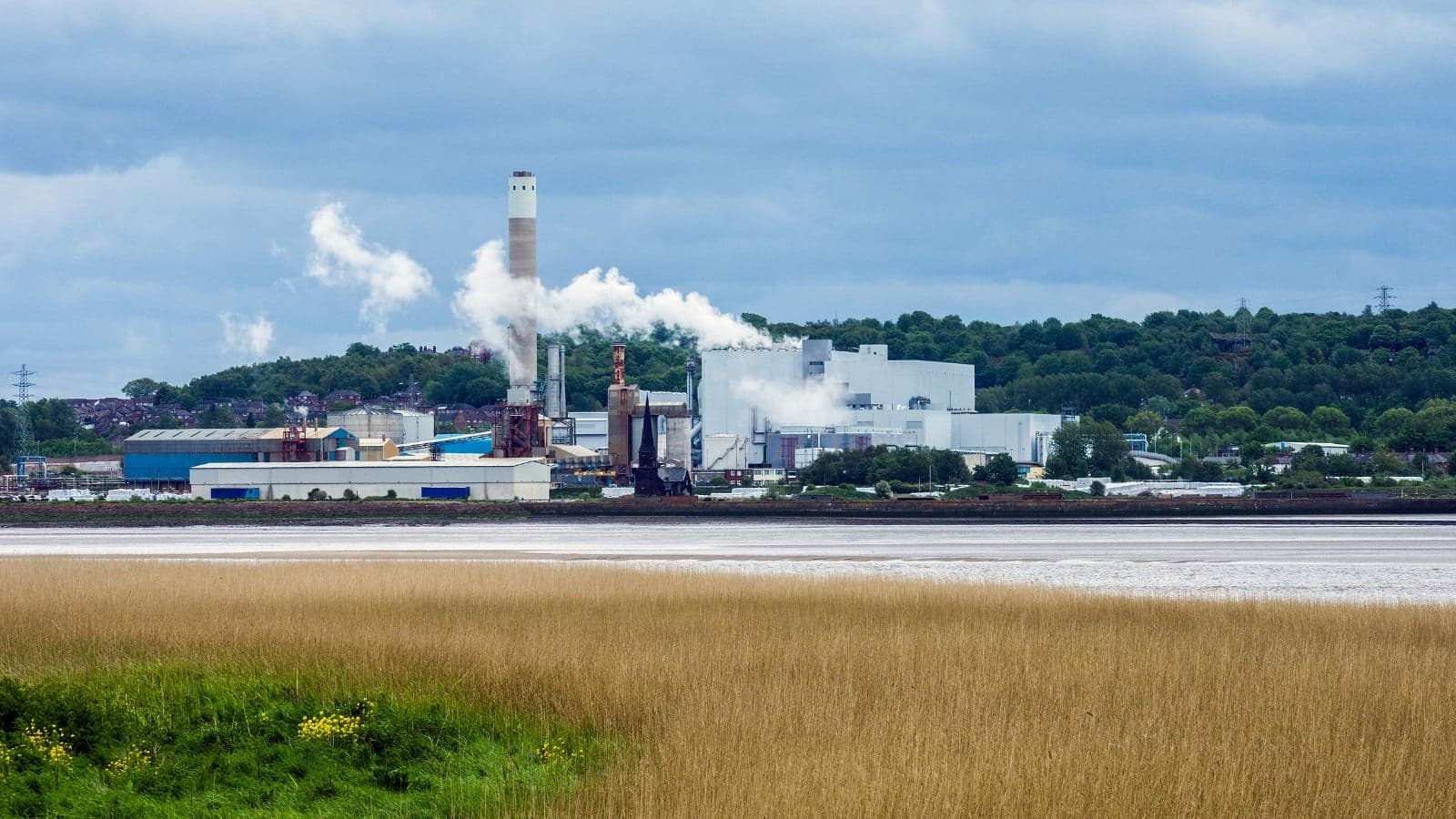
In a recent webinar hosted by Carbon Capture Journal, three UK-based developers outlined carbon capture projects that demonstrate the breadth of the UK’s emerging carbon capture landscape.
1 - Veri Energy: Repurposing Sullom Voe terminal
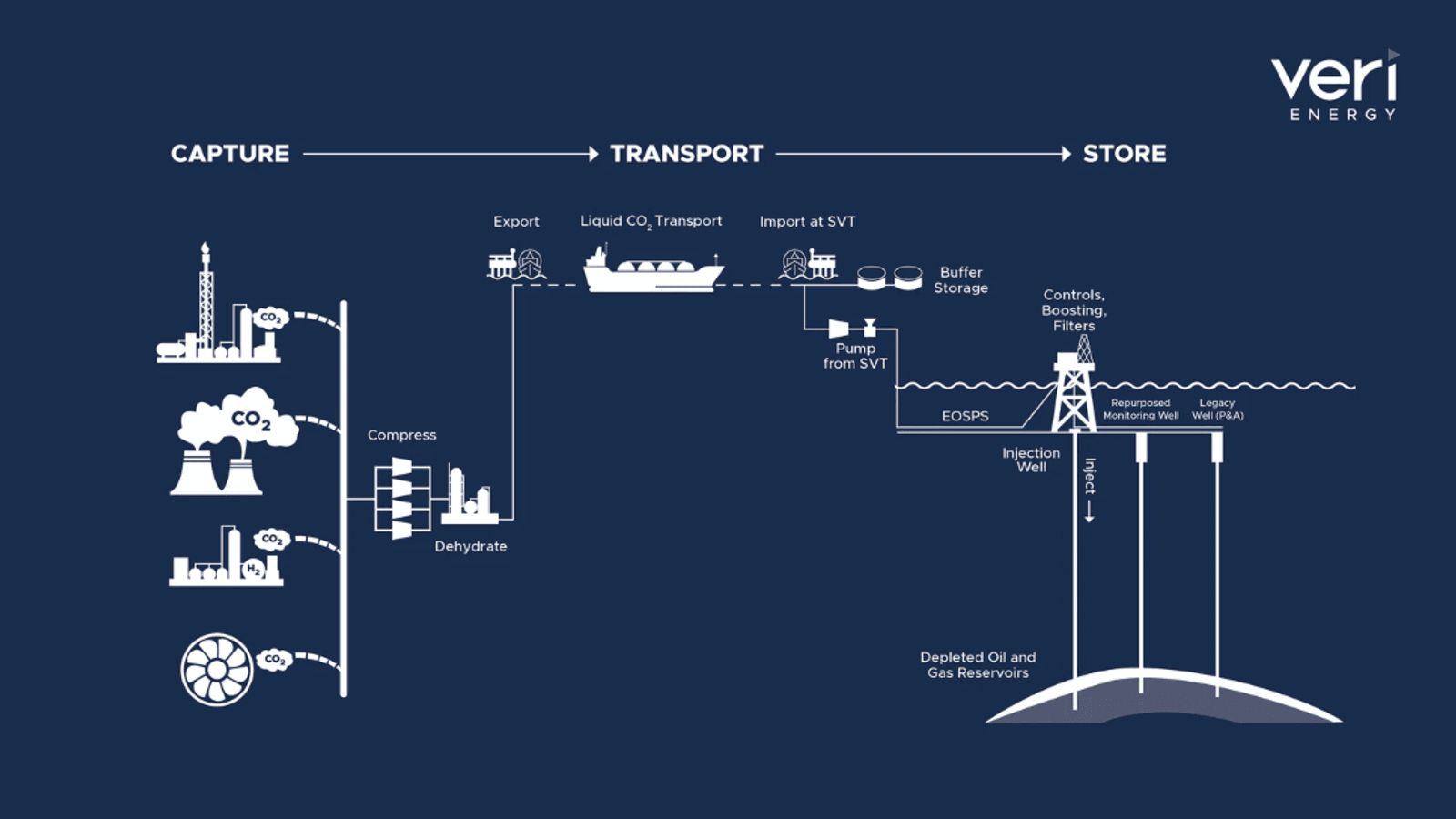
Gavin Templeton of Veri Energy opened by setting the broader context: the UK possesses significant infrastructure from its oil and gas era that is approaching the end of its original useful life.
Rather than decommissioning, much of this infrastructure — along with the highly skilled workforce that supports it — can be repurposed for carbon storage, renewable energy, and e-fuels.
At the heart of Veri Energy’s plans is the transformation of the Sullom Voe Terminal in the Shetland Islands, once the largest crude oil terminal in Europe. The terminal, operated by EnQuest, still supports around 600 jobs, making a “just transition” central to the company’s strategy.
The terminal has four deepwater jetties and a 24-metre-deep port, being amongst the deepest in the UK/Europe. Multiple pipelines connect producing fields and export gas routes to UK mainland.
Veri Energy has secured four carbon storage licenses with total capacity in excess of 500 million tonnes and is also planning multi-gigawatt onshore and offshore wind in the Shetland Islands
Located in what Templeton described as “the windiest place in Europe,” the islands are well positioned to harness renewable power, import CO₂ and export e-fuels.
Veri Energy reports growing interest not only from UK emitters but also from EU industrial players — noting the site is only around 100 kilometres further west than Norway’s Northern Lights project.
Development will follow a phased approach. The Thistle field is expected to be online by 2033, injecting 2–3 million tonnes of CO₂ per year, with final investment decision (FID) anticipated around 2030.
The Magnus field is scheduled for the mid-2030s.
In total, Veri Energy is targeting up to 10 million tonnes per year of storage capacity.
The company is currently progressing from appraisal into the assessment phase, working with the North Sea Transition Authority and Crown Estate Scotland on licensing.
ETS alignment is also in progress, reflecting the ambition to position the UK as a storage location of choice, potentially at lower cost than equivalent EU options.
On the commercial side, however, there are challenges. The UK government’s Department for Energy Security and Net Zero (DESNZ) has indicated there will be no further funding beyond Track-1 allocations until the next spending review in 2027, creating some delay in financial momentum.
Alongside storage, Veri Energy is advancing e-fuels into pre-FEED.
The company is keeping both direct injection and CO₂ utilisation pathways open, including the use of biogenic CO₂.
2 - Evero Energy: BECCS removals at scale
Alex Young, Head of Development at Evero Energy, outlined the company’s ambition to become the UK’s first bioenergy with carbon capture and storage (BECCS) operator delivering carbon removals.
Evero operates three waste wood biomass facilities in the UK, two of which are located in the HyNet cluster in Northwest England. The third, in Northern Ireland, is port-located, allowing the company to explore non-pipeline transport solutions for its captured biogenic CO₂, including shipping to storage sites or utilisation pathways.
The company’s flagship carbon capture retrofit will be at the Ince Bio Power plant — one of the largest waste wood biomass facilities of its kind in the UK.
With 26.5MW of capacity, the facility processes approximately 170,000 tonnes of waste wood annually and generates enough electricity to power over 38,000 homes.
Evero plans to retrofit carbon capture technology to extract biogenic CO₂ from the plant’s flue gases. Around 96–98% of the plant’s CO₂ emissions are biogenic in origin. After accounting for parasitic loads and lifecycle factors, the project aims to deliver high-integrity carbon dioxide removals (CDRs).
The company will utilise solvent technology from Mitsubishi Heavy Industries (MHI) and expects to capture around 217,000 tonnes of biogenic CO₂ per year, which will be injected into HyNet’s transport and storage infrastructure.
The site’s proximity to pipeline infrastructure significantly reduces development risk.
The project was selected as a UK government priority project in 2024 under the cluster sequencing process. Revenue support will combine a Contract for Difference (CfD) mechanism with reference pricing linked to the voluntary carbon market (VCM), where corporate buyers — notably Microsoft — are currently dominant purchasers of removals.
Both Evero and the UK government see strong potential in developing a domestic CDR market.
By coupling waste wood power generation with carbon capture, Evero aims to deliver dispatchable renewable electricity alongside negative emissions.
3 - Protos Carbon Capture: Decarbonising energy-from-waste
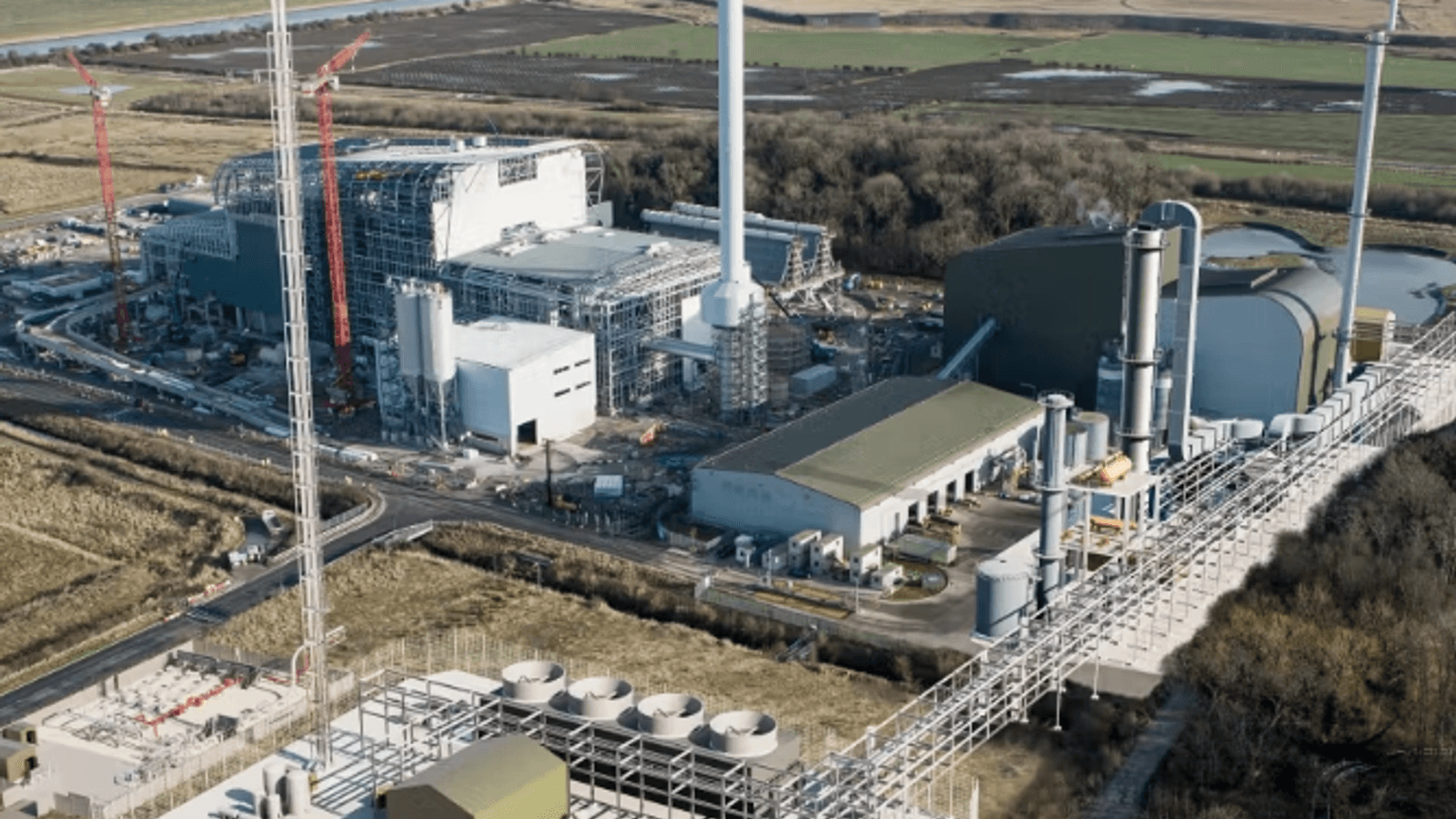
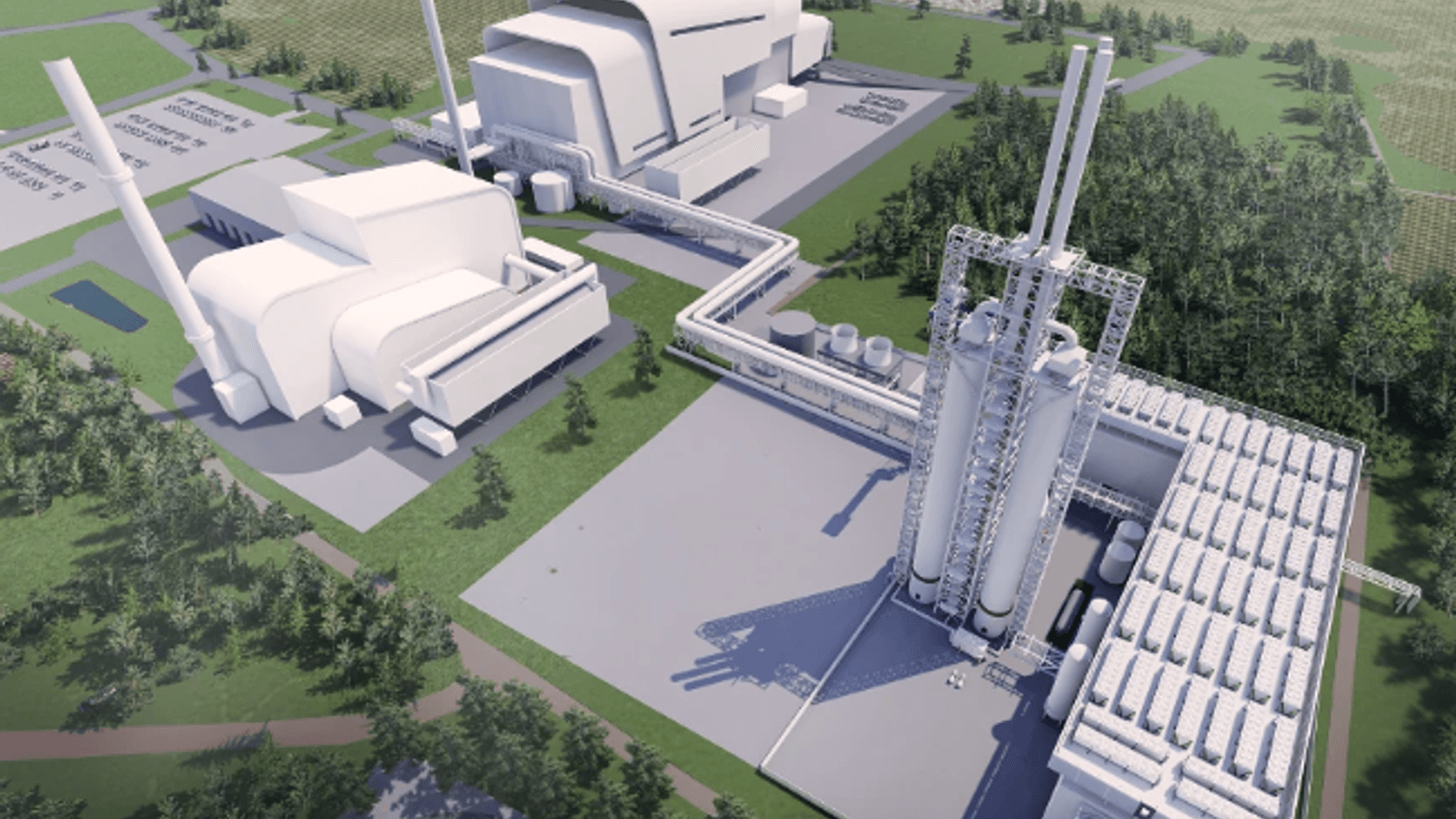
The third project presented during the webinar comes from Encyclis, with Alexander Hudson outlining plans to integrate carbon capture at the Protos energy-from-waste (EfW) facility near Liverpool Bay.
The Protos plant is currently under construction and is located close to the HyNet pipeline network near the River Mersey and Liverpool Bay. For Encyclis, carbon capture represents the key lever in delivering what Hudson described as a ‘third generation’ of fully circular, fully decarbonised EfW projects.
Hudson explained that EfW facilities typically emit roughly one tonne of CO₂ for every tonne of waste combusted, with around 99% of company emissions classified as Scope 1.
Approximately half of Protos’ flue gas CO₂ is biogenic, opening the door to significant carbon removals alongside emissions reductions.
The project will use amine-based absorption technology. In the absorber tower, amines bind to CO₂ in the flue gas before being heated to release the captured CO₂ for compression and transport.
The system is designed to capture around 95% of the CO₂ in the flue gas. With the plant expected to operate 95% of the time, this delivers a net capture rate of around 90%.
The captured CO₂ will be transported via the nearby HyNet infrastructure for direct injection and storage in depleted gas fields in Liverpool Bay.
Hudson emphasised that while amine capture is proven technology, its application to EfW at this scale is novel.
Hudson highlighted that carbon capture is energy intensive, particularly due to the heat required to regenerate solvents. However, as an energy generator, the EfW facility can internally supply this energy at wholesale prices, improving project economics and reducing exposure to retail power price volatility.
The project has secured planning permission, land, and an environmental permit from the Environment Agency. After two and a half years of negotiation with DESNZ, Encyclis has also established an investable subsidy and risk-sharing framework aligned with government policy objectives.
From 2029, the project aims to capture around 370,000 tonnes of CO₂ per year. Of this, approximately 185,000 tonnes would qualify as carbon removals due to the biogenic content of the waste — equivalent, Hudson noted, to the annual CO₂ absorption of around 7.5 million oak trees, or removing roughly 200,000 cars from the road.
Join Europe’s leading industrial energy users at the annual European Industrial Energy Days (EIED).
Latest content
+4
CAPTUS: Demonstrating liquid renewable energy carrier production from captured carbon emissions
The CAPTUS project addresses the challenge of decarbonising energy intensive industries by demonstrating carbon capture and utilisation technologies integrating renewable electricity surplus.
- Guest/partner contributor
- 24/11/2025